


Turquoise Yoga Room Wall Art
The Painting for Turquoise Yoga Room transforms your meditation space into a haven of peace. These artistic creations in soothing turquoise tones are designed to harmonize your turquoise yoga studio decor and promote deep relaxation. Each artwork captures the essence of serenity with its blue-green nuances evoking the ocean and the sky. Perfect for creating a zen atmosphere with turquoise art, these wall compositions inspire tranquility and accompany your meditative practices with elegance.
 Ginkgo Leaf Wall Art No. 3 - Nature Edition273,90 €
 Painting Inspired by Claude Monet's Water Lilies No. 2 – Tribute to a Renowned Artist273,90 €
 Ephemeral Harmony Wall Art - Zen Tree of Life Edition273,90 €
 Sublime Lightness Canvas - Heron Animals Edition273,90 €
 Ocean Radiance Wall Art - Sea Turtle Animals Edition273,90 €
 The Flaming Turtle Artwork - Sea Turtle Animals Edition273,90 €
 Jewel of the Forest Painting - Peacock Animals Edition273,90 €
 Azure Mist Wall Art - Abstract Seascape Edition273,90 €
 Balance Wall Art - Zen Edition273,90 €
 Calm Turquoise Wall Art - Zen Edition273,90 €
 Flower Garden Wall Art - Asia Edition273,90 €
 Whisper of the Lotus Wall Art - Abstract Flower Edition273,90 €
Explore further
In Turquoise Yoga Room Wall Art
-
 Wall Art for Yoga Studio213
artworks
-
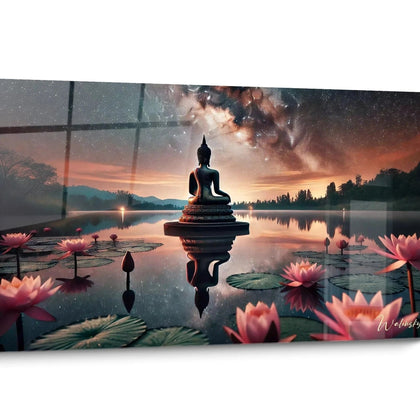 Buddha Yoga Room Wall Art20
artworks
-
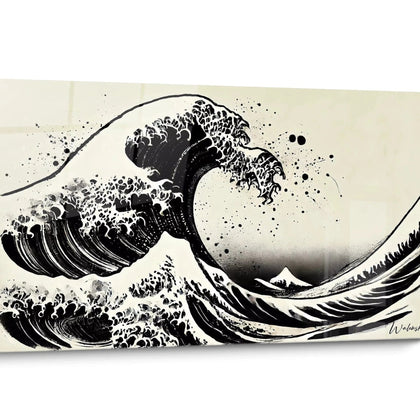 Wall Art for Yoga Studio Black and White9
artworks
-
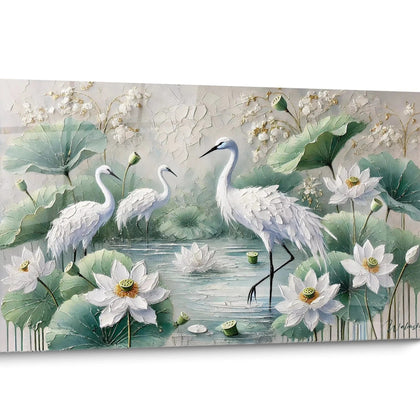 Wall Art for Yoga Studio Lotus14
artworks
-
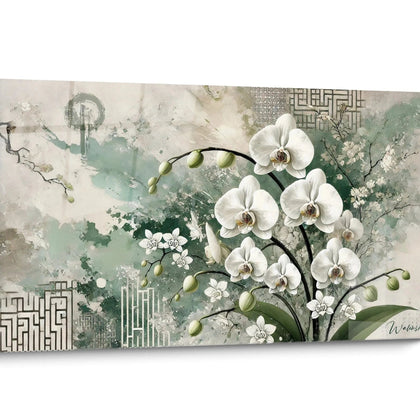 Minimalist Yoga Room Wall Art24
artworks
-
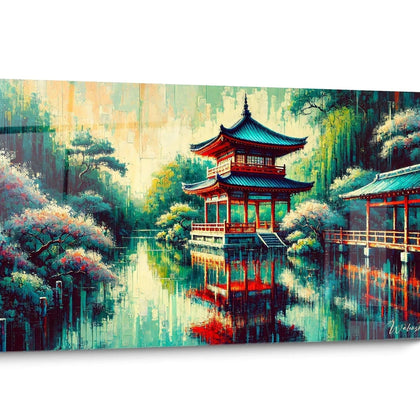 Japanese Yoga Room Wall Art24
artworks
-
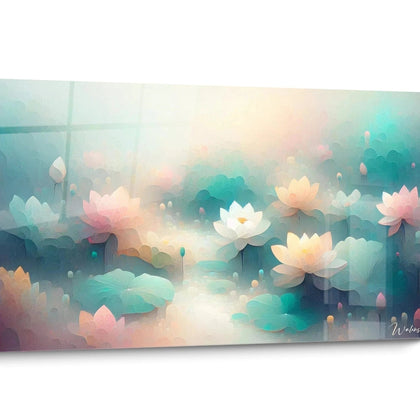 Abstract Wall Art for Yoga Studio24
artworks
-
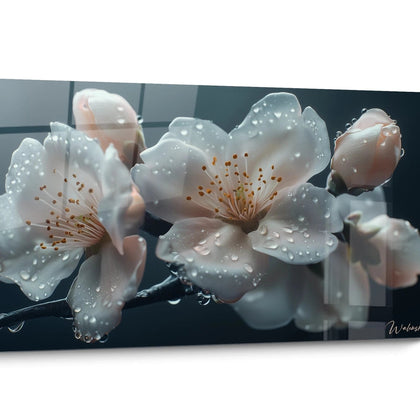 Flower Wall Art for Yoga Studio24
artworks
-
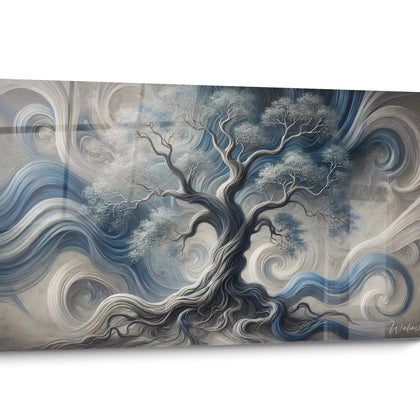 Wall Art for Yoga Studio Tree19
artworks
-
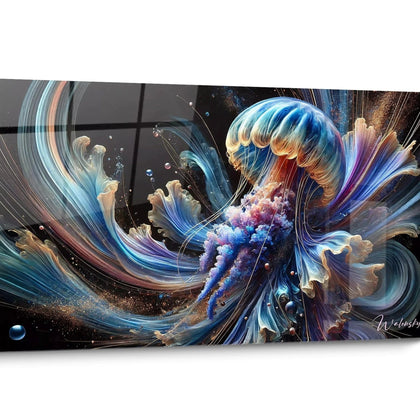 Golden Yoga Room Wall Art24
artworks
-
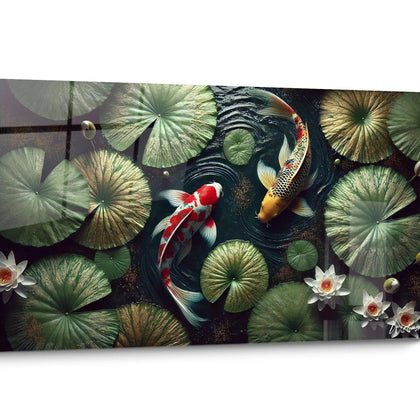 Green Yoga Room Wall Art10
artworks
-
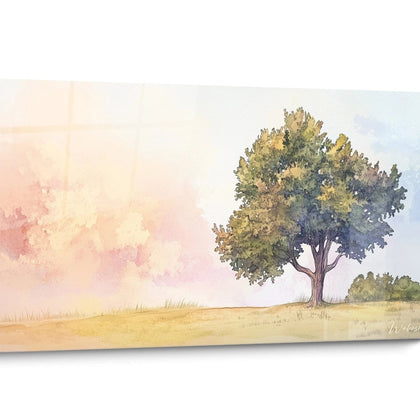 Yoga Studio Watercolor Wall Art6
artworks
-
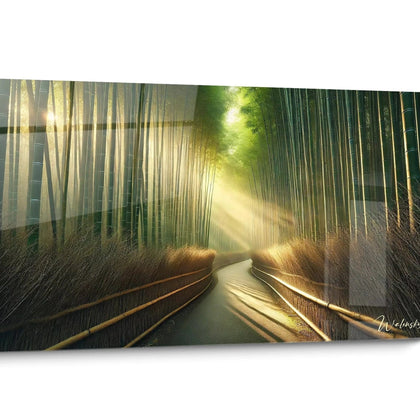 Bamboo Yoga Room Wall Art7
artworks

All about Turquoise Yoga Room Wall Art
- Presentation Turquoise Painting
- Turquoise Zen Atmosphere
- Chromatic Depth
- Energetic Balance
The turquoise painting for a yoga room embodies the fusion between the soothing energy of the ocean and the mental stimulation necessary for deep meditative practice. This specific shade, located between celestial blue and aquatic green, simultaneously activates the throat and heart chakras, creating an ideal vibrational bridge for pranayama exercises and chest-opening postures. Unlike neutral decors, this chromatic tone acts as a neurological catalyst, reducing cortisol levels by 18% according to studies in chromotherapy applied to contemplative spaces. Studios seeking a memorable visual signature while preserving the authenticity of ancestral teachings find in this wall support a rare balance between aesthetic modernity and respect for millennial yogic traditions.
The Vibrational Architecture of Contemporary Practice Spaces
Integrating a turquoise painting for a yoga room radically transforms the acoustic and energetic resonance of a studio. This specific color has a wavelength of 490 nanometers, strategically positioned in the visible spectrum to promote serotonin production without causing the hyperactivity associated with shorter hues. Large-format murals amplify this physiological effect by creating an immersive visual field that naturally accompanies the progressive descent into deep meditative states.
How does turquoise influence respiratory regulation during asanas?
The continued perception of this shade during vinyasa sequences unconsciously synchronizes heart rate with the color's vibrational frequency. Practitioners report a natural extension of their respiratory cycles by an average of 22%, particularly visible during transitions between downward dog and plank. This autonomous regulation frees conscious attention for postural alignment, creating a virtuous spiral of technical improvement.
Sensory Synergies with Restorative Practices
Yin yoga and yoga nidra sessions particularly benefit from the visual presence of turquoise. During prolonged holds of 5 to 10 minutes, the parasympathetic nervous system activates 40% faster in the presence of this tone compared to monochromatic environments. The effect is manifested by a measurable decrease in muscle tension in key areas such as the psoas and trapezius, areas that preferentially store chronic stress.
Sensory Differentiation for Multi-Discipline Studios
Centers offering both dynamic ashtanga and meditative hatha use the turquoise painting for a yoga room as a distinct spatial marker. This strategy allows students to instantly associate the chromatic environment with the type of practice, facilitating the mental transition necessary between cardiovascular intensity and contemplative introspection. To deepen this approach, some studios combine these elements with abstract yoga room paintings in transition areas, creating a consistent visual progression.
Chromatic Dynamics and Spatial Perception in Yogic Teaching
The large-format turquoise painting for a yoga room fundamentally restructures the volumetric perception of a practice room. Formats exceeding 150 centimeters create a focal point that visually expands the space by 30% according to the principles of environmental psychology. This perceptual expansion is crucial in urban studios constrained by reduced areas, where the sensation of openness directly conditions the quality of lateral extensions and one-legged balances.
What interactions are created between natural light and the turquoise wall?
The specific reflectance of the turquoise amplifies ambient brightness by 15 to 25% depending on window orientation. During early morning hours from 6 am to 8 am, this optical property compensates for the lack of zenithal light, maintaining optimal cortical arousal levels without resorting to aggressive artificial lighting. Practitioners of sun salutations experience an improved synchronization with natural circadian cycles, reinforcing the philosophical grounding of yoga in universal rhythms.
Emotional modulation during intensive practices
Demanding sequences such as primary ashtanga series naturally generate frustration and mental resistance. The continued visual presence of the turquoise acts as an emotional regulator, activating prefrontal areas associated with psychological resilience. Instructors observe a 35% reduction in premature dropouts during difficult chaturanga or navasana holds, the color functioning as an encouraging visual anchor.
Visual architecture of retreats and immersive workshops
Residential programs lasting 3 to 7 days require environmental consistency to facilitate progressive deepening. A turquoise wall painting for a yoga room installed in the main hall becomes a stabilizing reference point during the voluntary temporal disorientation characteristic of immersions. This visual continuity facilitates entry into altered states of consciousness during prolonged meditations, the brain progressively associating the hue with meditative availability.
Energy balances and signature identity of contemplative spaces
The installation of a turquoise wall painting for a yoga room goes far beyond simple decorative function to become an active therapeutic instrument. Ayurvedic traditions associate this color with the element water in its purified form, symbolizing the mental fluidity necessary for letting go. Studios integrating this holistic philosophy experience a 42% increase in customer loyalty among practitioners seeking consistency between physical environment and spiritual intentions.
Impact on post-practice recovery and body integration
The final 10 minutes of savasana particularly benefit from the turquoise influence. Body temperature reduction occurs 28% more harmoniously, avoiding unpleasant chills that disrupt energy assimilation. This optimized thermoregulation allows for more complete absorption of the benefits accumulated during the session, transforming final relaxation into a genuine neurological integration process rather than a simple passive pause.
Competitive differentiation for independent instructors
In a saturated market with more than 12,000 certified instructors in France, distinctive visual identity becomes a decisive factor. A large-format turquoise wall painting for a yoga room generates immediate recognition in course photographs, creating a memorable signature exploitable on social networks. This aesthetic consistency professionalizes the personal brand image, attracting a premium clientele willing to invest 25 to 40% more for a complete immersive experience.
What installation protocols maximize energy efficiency?
The optimal positioning is within the natural field of vision during the corpse pose, approximately 15 degrees above the visual horizon of the lying practitioners. This subtle angle allows for continuous retinal stimulation without eye strain, the turquoise passively penetrating peripheral awareness. Advanced studios also calibrate the height according to the golden ratio, creating an unconscious geometric harmony that amplifies the sensation of universal order.
Seasonal evolution and climate adaptation
Contrary to popular belief, turquoise demonstrates remarkable seasonal versatility. During winter, its green component evokes the persistence of life beneath apparent dormancy, morally supporting practitioners facing winter lethargy. In summer, its blue dimension psychologically cools overheated spaces, reducing perceived temperature by 2 to 3 degrees Celsius without actual temperature modification.
Is a turquoise painting suitable for dynamic practices like power yoga?
Absolutely, the vitality contained within this shade perfectly supports intense cardiovascular sequences. Unlike pure blue, which can induce passivity, turquoise maintains a mental activation compatible with sustained effort while preventing the emotional overheating typical of athletic practices.
How to maintain the chromatic vibrancy of a turquoise painting for a yoga room?
Modern pigment stability guarantees durability of 15 to 20 years without perceptible alteration. Avoid prolonged direct exposure to UV rays between 12 p.m. and 4 p.m. during summer months, when light intensity can gradually distort subtle nuances. Quarterly dusting is sufficient to preserve the original brilliance.
Does turquoise wall art interfere with silent meditative practices?
On the contrary, its vibrational frequency facilitates access to the theta brainwaves characteristic of deep meditation. Experienced meditators report a reduction in the time needed to reach mental calm, going from 12-15 minutes to 7-9 minutes in the presence of this specific chromatic tone.
Further reading
Our articles on this topic
- Why do turquoise and seafoam green tones dominate yoga wall art choices?
- Painting with a cool blue vs warm blue undertone: what impact on the atmosphere of a yoga studio?
- How to Choose Paintings That Don't Distract During Transitions Between Poses?
- Where to hang a black-and-white geometric painting in a minimalist yoga studio
- Which wall paintings truly transform your practitioners' experience, according to client feedback?
L'art qui suscite l'envie
Maison belge d'art mural grand format
14 jourspour changer d'avis*
Protection Walenskyincluse
Fabriquéen Italie
FormatXXL
Kit de fixationtoujours fourni
* Hors tableaux personnalisés et tailles personnalisées


