


Yoga Studio Watercolor Wall Art
The Painting for Yoga Room Watercolor transforms your practice space into a haven of peace. Our watercolor for yoga creations capture the essence of serenity with soft hues and inspiring motifs. Each artwork evokes harmony, mindfulness, and inner balance. Perfect for enhancing your yoga studio decor, these paintings create an atmosphere conducive to meditation and relaxation. Be inspired by artistic compositions that celebrate the beauty of movement and the tranquility of the mind.
 Wall Art In the Silence of the Reeds - Japanese Asia Edition273,90 €
 Painting Inspired by Spring by Jean-François Millet No. 2 – Tribute to a Renowned Artist273,90 €
 Spiritual Harmony Artwork - Zen Buddha Edition273,90 €
 Zen Moment Wall Art - Giant Panda Animals Edition273,90 €
 Flowers and Lanterns Canvas - Zen Edition273,90 €
 Mist and Cherry Blossoms Wall Art - Asia Edition273,90 €
Explore further
In Yoga Studio Watercolor Wall Art
-
 Wall Art for Yoga Studio213
artworks
Wall Art for Yoga Studio213
artworks
-
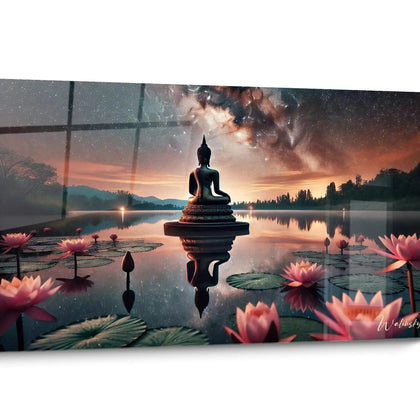 Buddha Yoga Room Wall Art20
artworks
Buddha Yoga Room Wall Art20
artworks
-
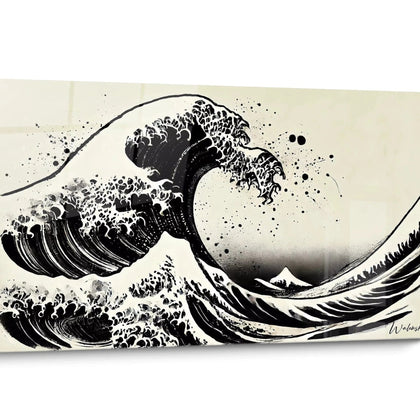 Wall Art for Yoga Studio Black and White9
artworks
Wall Art for Yoga Studio Black and White9
artworks
-
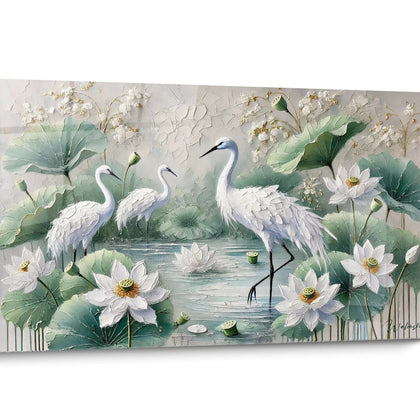 Wall Art for Yoga Studio Lotus14
artworks
Wall Art for Yoga Studio Lotus14
artworks
-
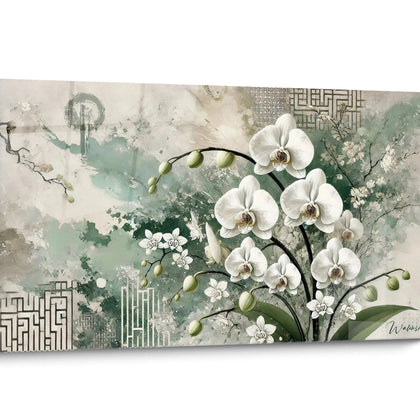 Minimalist Yoga Room Wall Art24
artworks
Minimalist Yoga Room Wall Art24
artworks
-
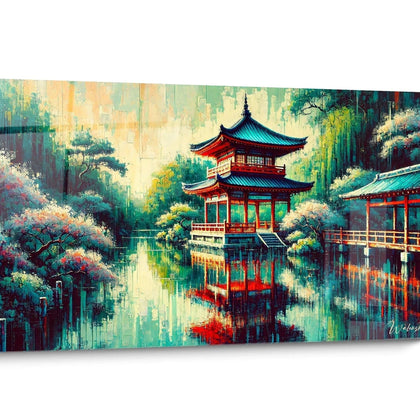 Japanese Yoga Room Wall Art24
artworks
Japanese Yoga Room Wall Art24
artworks
-
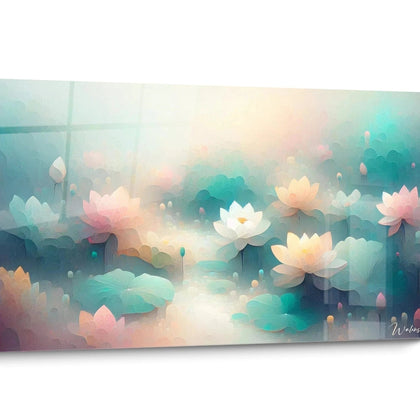 Abstract Wall Art for Yoga Studio24
artworks
Abstract Wall Art for Yoga Studio24
artworks
-
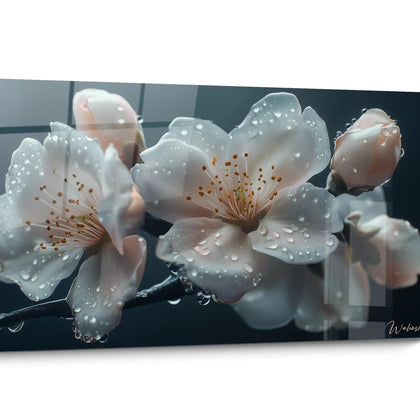 Flower Wall Art for Yoga Studio24
artworks
Flower Wall Art for Yoga Studio24
artworks
-
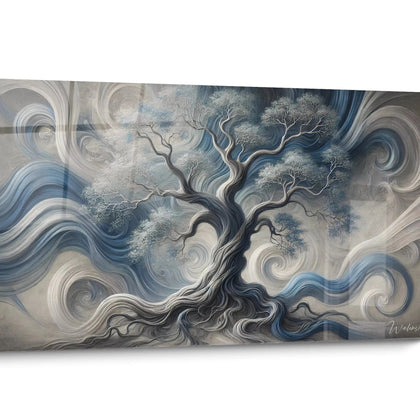 Wall Art for Yoga Studio Tree19
artworks
Wall Art for Yoga Studio Tree19
artworks
-
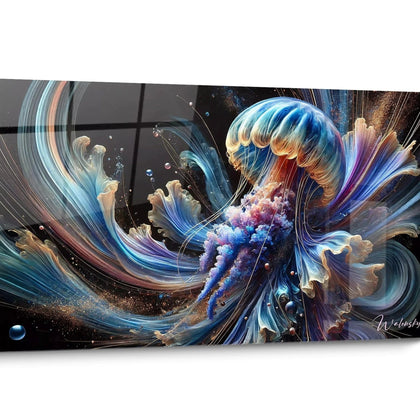 Golden Yoga Room Wall Art24
artworks
Golden Yoga Room Wall Art24
artworks
-
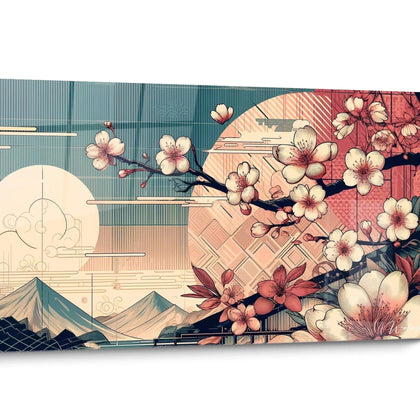 Turquoise Yoga Room Wall Art12
artworks
Turquoise Yoga Room Wall Art12
artworks
-
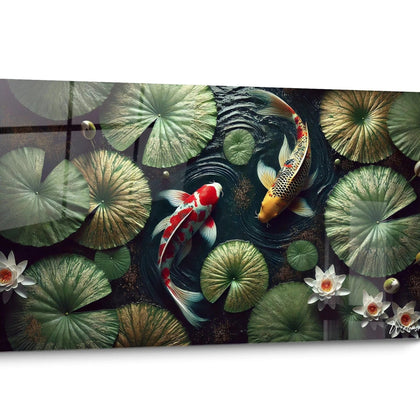 Green Yoga Room Wall Art10
artworks
Green Yoga Room Wall Art10
artworks
-
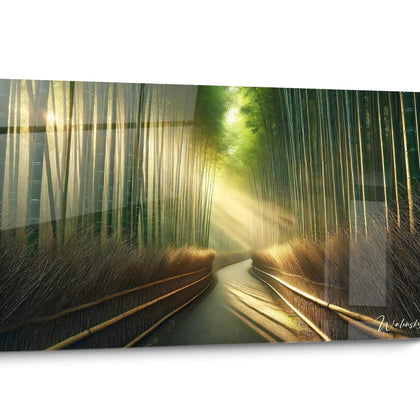 Bamboo Yoga Room Wall Art7
artworks
Bamboo Yoga Room Wall Art7
artworks

All about Yoga Studio Watercolor Wall Art
- Watercolor Yoga Room Wall Art Presentation
- Visual Harmony and Practice
- Influence on Breathing
- Selection and Care
A watercolor yoga room wall art instantly transforms the atmosphere of your practice space by creating an ambiance conducive to meditation and concentration. These large-scale wall artworks combine chromatic fluidity and visual transparency to accompany every yoga session, from morning awakenings to evening restoration practices. The watercolor technique offers the particular softness sought by discerning practitioners who desire a calming environment without excessive stimulation. Our large-format models integrate perfectly into professional studios as well as domestic spaces dedicated to practice.
Watercolor as a support for postural and mental alignment
The watercolor yoga room wall art functions as a natural focal point during balance postures. Fluid gradients and soft color transitions guide the gaze without creating rigid fixation, allowing practitioners to maintain concentration during complex asanas such as tree pose or eagle pose. This visual fluidity reflects yoga's very philosophy: continuous movement, progressive transformation, and acceptance of change.
How do watercolor nuances accompany vinyasa sequences?
During dynamic flows, watercolor wall art for your yoga studio creates a soothing backdrop that contrasts with physical intensity. Pastel hues like lavender blue, celadon green, or powder pink naturally regulate visual heart rate. Large formats installed facing the main wall become silent companions that absorb ocular tension between each postural transition.
Floating aesthetics and bodily grounding
Watercolor's particularity lies in its suspended lightness effect. This artistic quality responds to practitioners seeking simultaneous earthly grounding and celestial openness. A large-format watercolor yoga room wall art generates this essential duality: diluted pigments evoke the water element while organic forms recall earth. Yin yoga instructors particularly appreciate these artworks during prolonged holds, as they facilitate mental letting-go.
Synergy with meditative practices
During final savasana, the relaxed gaze naturally settles on subtle color variations. A large-dimension watercolor wall art offers sufficient visual depth for each session to reveal new details, maintaining interest without fatigue. Abstract watercolor patterns avoid figurative representations that could trigger unwanted mental associations during deep relaxation. To vary atmospheres, you can also explore an abstract yoga room wall art that offers complementary geometric compositions.
Impact of watercolor tones on pranayama regulation
The watercolor yoga room wall art plays an underestimated yet determining role in the quality of breathing exercises. Soft nuances and gradual color transitions directly influence time perception and the natural extension of respiratory cycles. A practitioner fixing a watercolor point during kapalabhati or ujjayi benefits from a visual support that unconsciously slows mental rhythm.
Why prioritize watercolor for conscious breathing sessions?
Watercolor pigments possess a unique translucent quality that mimics breath movement: progressive appearance, expansion, dissolution. This visual analogy reinforces the mind-body connection during advanced pranayamas. Studios specialized in traditional hatha yoga frequently choose large-format watercolor paintings displaying fluid compositions evoking smoke, mist, or vapors, creating direct correspondence with prana circulation.
Chromatic dimension and states of consciousness
Cool watercolor tones (deep blues, subtle violets) favor internalization necessary for alternate breathing techniques. Conversely, soft warm palettes (diluted oranges, light yellows) stimulate energy without visual aggression, ideal for energizing morning practices. A large watercolor yoga room wall art allows this tonal variation across a single surface, offering different focal points according to session intention.
Correspondence between pictorial fluidity and respiratory flexibility
The absence of sharp contours in watercolor encourages the mental flexibility essential to advanced breathing work. Organic forms that blend into one another metaphorize the interconnection of different respiratory phases. Kundalini yoga teachers report that these visuals facilitate intuitive understanding of bandhas and subtle energy circulation during prolonged retentions.
Selection criteria and preservation of watercolor wall art for yoga spaces
Choosing a watercolor yoga room wall art requires considering several parameters specific to the practice environment. Dimension constitutes the primary criterion: generous formats (minimum 90x120 cm) are essential for optimal visibility from all positions, whether standing, seated, or lying down. Composition should avoid overly defined patterns that excessively capture attention at the expense of internal bodily awareness.
Which watercolor palette corresponds to your yoga style?
For dynamic vinyasa and ashtanga, prioritize watercolor artworks with moderate contrasts and energetic touches (turquoise, softened coral). Yin yoga and restorative practices pair better with ultra-soft monochrome gradient palettes. Yoga nidra studios benefit from large-format watercolor paintings in deep indigo and nocturnal violet tones, facilitating descent toward hypnagogic states. Consider your room's natural lighting: a north-facing space accepts warmer tones to compensate.
How to preserve visual quality in a humid environment?
Yoga rooms naturally generate humidity during hot yoga sessions or intensive practices. Opt for watercolor reproductions with protective surface treatment adapted to hygrometric variations. Position your wall art at minimum 2 meters distance from intensive practice zones to avoid splashing. Monthly cleaning with a dry microfiber cloth suffices to maintain pigment luminosity.
Strategic installation to maximize meditative impact
A watercolor yoga room wall art's positioning determines its effectiveness. The wall facing the entrance constitutes the privileged location: practitioners glimpse it upon arrival, mentally preparing the transition toward sacred space. Avoid lateral walls that create visual asymmetry during bilateral postures. Hanging height should allow contemplation from lotus position (artwork center at 110-130 cm from floor). Multi-level studios can invest in multiple watercolor paintings of graduated sizes for each practice area.
FAQ - Frequently asked questions about watercolor wall art for yoga studios
Is watercolor yoga room wall art suitable for small home practice spaces?
Absolutely. Medium formats (70x100 cm) create sufficient visual presence even in a home yoga corner. Watercolor's aesthetic lightness avoids the overwhelming effect of oversized artworks while visually structuring the space dedicated to personal practice.
Do watercolor colors remain stable with repeated incense exposure?
Modern reproductions with protective fixatives perfectly resist ritual fumigation. Simply maintain regular ventilation after sessions and avoid burning incense directly beneath the artwork. Quarterly dusting preserves the original brilliance of watercolor nuances.
How to integrate watercolor yoga room wall art into a minimalist Japanese-style studio?
Watercolor naturally harmonizes with wabi-sabi aesthetics through its organic simplicity. Prioritize pared-down compositions with monochrome dominance (grey-blue, beige-earth) with abundant negative space. This approach reinforces visual coherence while preserving the contemplative atmosphere sought in zen spaces.
Further reading
Our articles on this topic
- How do organic curved-form paintings harmonize with Pilates practice?
- Which painting to strengthen a prenatal yoga practice?
- Do watercolor paintings suit the fluid aesthetic of Vinyasa yoga?
- Acrylic or Watercolor: Which Technique Creates a Calming Effect in a Meditation Room?
- What size artwork is suitable for a 40m² yoga studio?
- How can a painting create a visual transition between the changing room and the practice room?
L'art qui suscite l'envie
Maison belge d'art mural grand format
14 jourspour changer d'avis*
Protection Walenskyincluse
Fabriquéen Italie
FormatXXL
Kit de fixationtoujours fourni
* Hors tableaux personnalisés et tailles personnalisées


