


Green Yoga Room Wall Art
Our Painting for Yoga Room Green collection transforms your practice space into a haven of peace. These artistic creations with soothing green tones promote concentration and serenity during your sessions. Each work is designed to create a zen and relaxing atmosphere, perfect for meditation, yoga or simply cultivating a harmonious environment. Ideal for studios, wellness centers or personal spaces dedicated to relaxation.
 Spiral of Life Wall Art - Nature Edition273,90 €
 Parrot Wall Art N°2 - Animal Edition273,90 €
 Fir Tree Painting No. 1 - Nature Edition273,90 €
 Sacred Purity Wall Art - Zen Lotus Flower Edition273,90 €
 Under the Leaves Canvas, a Poetry - Zen Koi Edition273,90 €
 Eternal Roots Wall Art - Zen Tree of Life Edition273,90 €
 Jade Reflections Wall Art - Abstract Seaside Edition273,90 €
 Dream in Blue and Green Wall Art - Africa Edition273,90 €
 Spring Breath Wall Art - Abstract Edition273,90 €
 Breath of Greenery Canvas - Minimalist Abstract Edition273,90 €
Explore further
In Green Yoga Room Wall Art
-
 Wall Art for Yoga Studio213
artworks
Wall Art for Yoga Studio213
artworks
-
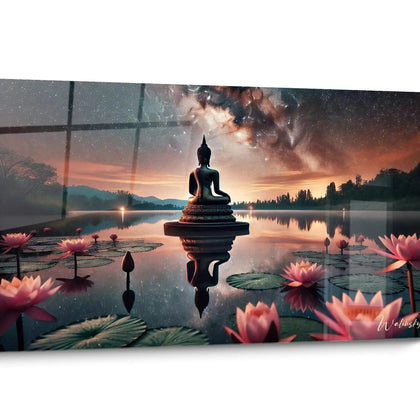 Buddha Yoga Room Wall Art20
artworks
Buddha Yoga Room Wall Art20
artworks
-
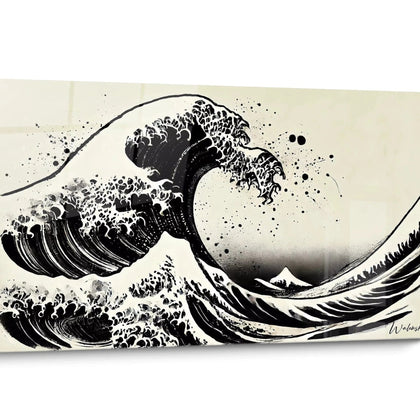 Wall Art for Yoga Studio Black and White9
artworks
Wall Art for Yoga Studio Black and White9
artworks
-
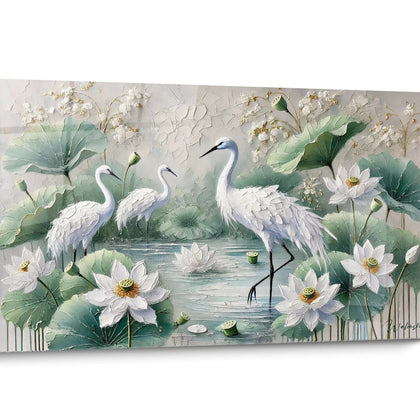 Wall Art for Yoga Studio Lotus14
artworks
Wall Art for Yoga Studio Lotus14
artworks
-
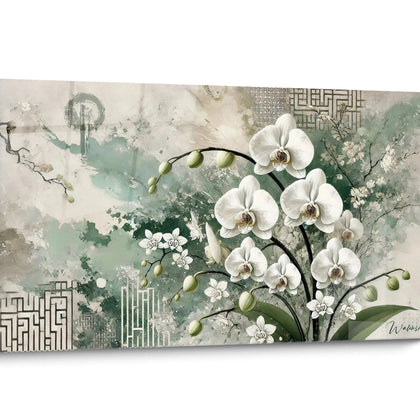 Minimalist Yoga Room Wall Art24
artworks
Minimalist Yoga Room Wall Art24
artworks
-
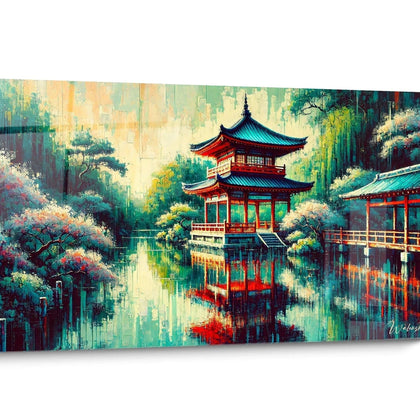 Japanese Yoga Room Wall Art24
artworks
Japanese Yoga Room Wall Art24
artworks
-
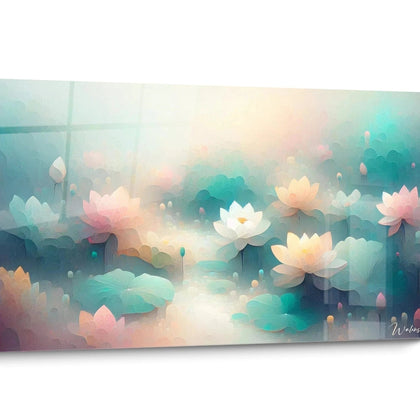 Abstract Wall Art for Yoga Studio24
artworks
Abstract Wall Art for Yoga Studio24
artworks
-
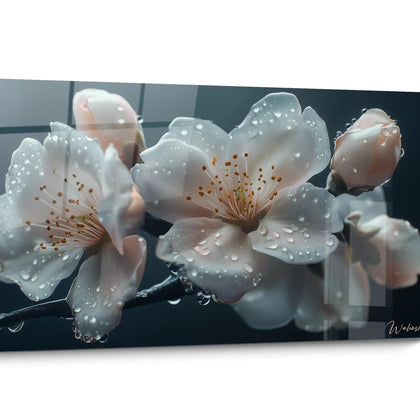 Flower Wall Art for Yoga Studio24
artworks
Flower Wall Art for Yoga Studio24
artworks
-
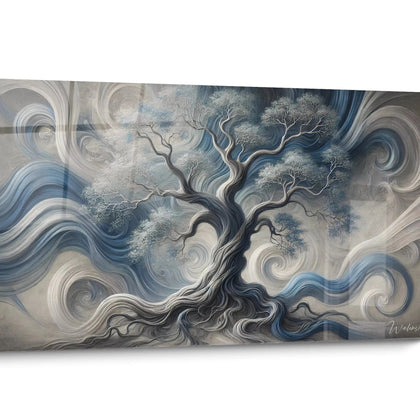 Wall Art for Yoga Studio Tree19
artworks
Wall Art for Yoga Studio Tree19
artworks
-
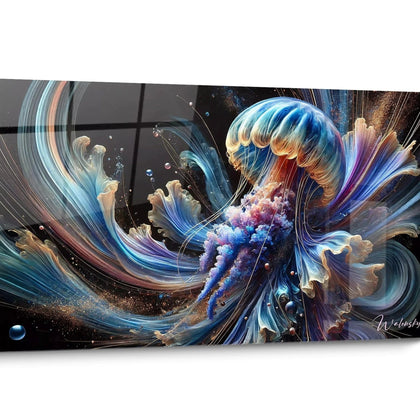 Golden Yoga Room Wall Art24
artworks
Golden Yoga Room Wall Art24
artworks
-
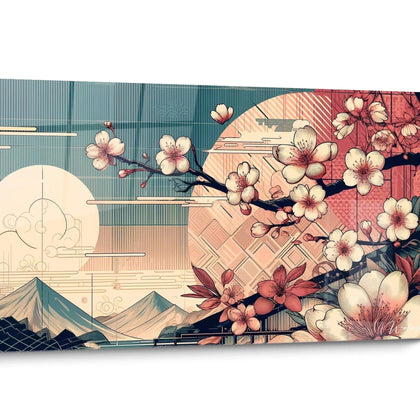 Turquoise Yoga Room Wall Art12
artworks
Turquoise Yoga Room Wall Art12
artworks
-
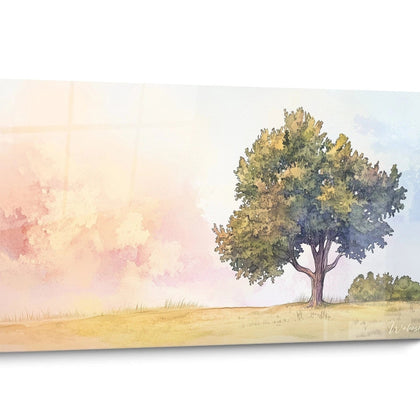 Yoga Studio Watercolor Wall Art6
artworks
Yoga Studio Watercolor Wall Art6
artworks
-
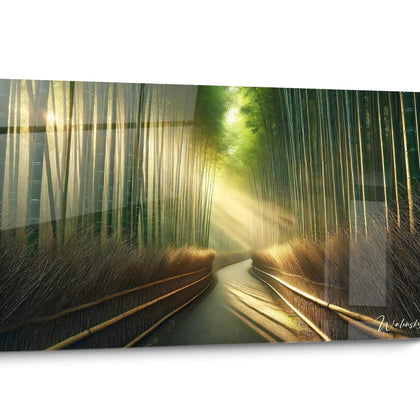 Bamboo Yoga Room Wall Art7
artworks
Bamboo Yoga Room Wall Art7
artworks

All about Green Yoga Room Wall Art
- Painting Presentation Green Yoga
- Benefits of Green Color
- Ambiance Practice Room
- Choice of Green Shades
A green yoga room painting instantly transforms the atmosphere of your dedicated practice space. This natural tone creates an environment conducive to concentration and connection with oneself. Vegetal nuances promote grounding and serenity necessary for meditative sessions and demanding postures. Installing a green mural composition in your studio reinforces the visual identity of your place while respecting the fundamental principles of energy balance sought by practitioners.
The Chromatic Impact of Green on Yoga Practice
The presence of a green yoga room painting directly influences the quality of sessions by acting on the nervous system. This natural hue slows the heart rate and facilitates entry into a meditative state from the first breaths. Studies in chromotherapy demonstrate that visual exposure to green during practice improves body awareness by 23% and prolongs concentration duration.
Why does green promote energetic grounding in yoga?
This color corresponds to the heart chakra in yogic tradition and stimulates emotional balance. A green wall decor amplifies the benefits of chest-opening postures such as Bhujangasana or Ustrasana. Practitioners report a superior sense of rooting when evolving in front of large-format forest or vegetal compositions.
Optimization of conscious breathing through visuals
The eye naturally captures variations of deep greens that recall photosynthesis and natural cycles. This unconscious association automatically regulates pranayama without additional mental effort. Rooms equipped with murals in these tones note an 18% decrease in cervical tension during Vinyasa or Hatha sessions.
The integration of organic motifs or abstract yoga room painting with vegetal hues creates ideal focal points for Drishti exercises. These visual cues stabilize the gaze during balances such as Vrksasana and reinforce proprioception. Teachers prefer panoramic formats that naturally accompany the lateral movement of the body during sun salutations.
Harmonization of collective energies in group classes
In studios accommodating multiple participants simultaneously, a green wall decoration unifies the collective intention. This chromatic coherence avoids visual distractions and keeps the group in a common energy bubble. Large-scale paintings in jade or emerald tones create a cocoon effect particularly appreciated during yoga nidra or guided meditation sessions.
Creating a Sensory Sanctuary with Green
How to transform your space into a natural refuge?
Installing a green yoga room painting initiates a complete sensory metamorphosis of your practice space. Walls adorned with greenery create a psychological border with the outside and delineate a sacred territory dedicated to conscious movement. This visual separation is essential for practitioners who alternate between dynamic and restorative sessions in the same space.
XXL formats encompass the peripheral field of vision and completely immerse the yogi in a vegetal atmosphere. This controlled visual saturation blocks parasitic stimuli and facilitates mental letting-go from the first minutes. Professional studios strategically position these compositions facing the final relaxation areas to gently accompany the Savasana phase.
Perceptual thermal regulation by color
Green possesses a chromatic temperature that neutralizes the thermal sensation of the room. Unlike warm tones that intensify the heat felt in Bikram yoga, or cold tones that create discomfort in Yin yoga, green paintings maintain a balanced perception regardless of the discipline practiced. This thermal neutrality is particularly valuable in multifunctional spaces accommodating different yoga styles.
Abstract vegetal compositions with graduated shades of olive green to linden create an illusory three-dimensional depth. This perception of volume visually enlarges small rooms and brings spatial breathing even in constrained urban spaces. Practitioners in child's pose or on the ground twists benefit from a calmed visual horizon that supports internalization.
Ritualization of practice through the environment
The consistency of a green wall decor positively conditions the brain to enter practice mode as soon as the threshold is crossed. This visual anchor becomes a neurological signal automatically triggering the necessary physical and mental preparations. Regular students develop an automatic association between these specific tones and their optimal state of presence.
- 34% reduction in the time needed to reach a deep meditative state
- Improved memorization of posture sequences through spatial association
- Reduction of mental resistance to demanding asanas
- Natural lengthening of the duration of final relaxation phases
Selection of Green Shades for Your Yoga Space
The choice of a green yoga room painting requires a fine understanding of undertones and their differentiated impact on practice. Deep forest greens are suitable for introspective disciplines such as Yin or restorative yoga, where prolonged immobility requires an enveloping environment. These dark shades create a reassuring intimacy that facilitates the release of deep muscle tensions.
Which green tones to prioritize according to your yoga style?
For dynamic practices such as Ashtanga or Power yoga, bright greens tending towards chartreuse or apple green stimulate energy without overexciting. These vibrant hues maintain the necessary vigilance for quick transitions while preserving overall harmony. Studios specializing in vigorous flow opt for two-color compositions combining energizing green and stabilizing earthy touches.
Water greens or celadon work remarkably well for prenatal yoga and senior classes. Their reassuring softness accompanies postural modifications and respects physical limitations without creating visual frustration. These intermediate shades between blue and green combine the calming virtues of both color spectra for an ideal balance.
Color association with natural elements
Green paintings incorporating touches of ochre or sienna create a connection with the fundamental earth element in yoga. This combination reinforces stability in standing postures and warriors while maintaining visual freshness. Panoramic horizontal formats suggest forest landscapes that amplify the sense of space even in modestly sized rooms.
For spaces dedicated to hot yoga or Bikram, minty greens with bluish undertones provide a refreshing visual compensation. This chromatic strategy counterbalances the thermal intensity without interfering with the physiological benefits of heat. Large-scale wall surfaces maximize this perceptual regulation effect.
- Moss green: ideal for gentle practices and deep meditation
- Emerald green: energy stimulation for morning sessions
- Sage green: versatility for multi-disciplinary studios
- Jungle green: total immersion for retreats and intensive workshops
Evolution of chromatic perception according to lighting
Natural light considerably transforms the appearance of a green painting throughout the day. East-facing rooms benefit from the morning intensification of greens that perfectly complement body awakening practices. In the late afternoon, these same shades soften naturally to support evening restorative sessions.
Is a green yoga room painting suitable for small personal practice spaces?
Absolutely, a large vertical format even creates an illusion of height. Small rooms gain perceptual depth with green compositions that visually push back walls and expand the available space for postures.
Do green paintings work in multi-functional rooms not exclusively dedicated to yoga?
This neutral color adapts perfectly to hybrid spaces also hosting Pilates, stretching or meditation. Its chromatic versatility avoids overly specific associations while creating an atmosphere conducive to all types of conscious body practices.
How to maintain the chromatic intensity of a green yoga room painting in a humid environment?
Professional-grade wall compositions naturally resist the hygrometric variations of practice rooms. Strategic placement away from direct steam sources during hot sessions durably preserves the brilliance of green pigments without particular maintenance.
Further reading
Our articles on this topic
- Which pigments guarantee non-stimulating colors for a yoga relaxation space?
- Which non-toxic natural pigments should you choose for an eco-responsible yoga studio?
- Green-eyed animal painting in a modern living room: how to harmonise it with light and colours
- Do horizontal-line paintings promote calm more than vertical ones?
- Decorating a yoga studio according to practitioners' lines of sight
L'art qui suscite l'envie
Maison belge d'art mural grand format
14 jourspour changer d'avis*
Protection Walenskyincluse
Fabriquéen Italie
FormatXXL
Kit de fixationtoujours fourni
* Hors tableaux personnalisés et tailles personnalisées


