


Japanese Yoga Room Wall Art
Our Tableau pour Salle de yoga Japanese collection elevates your practice space with authentic zen aesthetics. Inspired by traditional Japanese art, each creation evokes the serenity of Japanese temples and the harmony of oriental minimalism. These works capture the essence of décoration zen japonaise through refined compositions, Buddhist symbols, and contemplative landscapes. Perfect for creating a ambiance méditative japonaise, they transform your studio into a sanctuary of peace conducive to relaxation and inner balance.
 Wall Art In the Silence of the Reeds - Japanese Asia Edition233,90 €
 Cherry Blossom Wall Art No. 2 - Nature Edition233,90 €
 Japanese Painting No.1 - Japan Edition Around the World233,90 €
 Japanese Cherry Blossom Wall Art No. 1 - Japan Around the World Edition233,90 €
 Japanese Calligraphy Painting No. 1 - Japan Around the World Edition233,90 €
 Zen Japanese Painting No.1 - World Around Japan Edition233,90 €
 Japanese Wall Art N°9 - Japan Around the World Edition233,90 €
 Japanese Wall Art No. 7 - Japan Around the World Edition233,90 €
 Japanese Painting No.5 - Japan Around the World Edition233,90 €
 Luminous Balance Canvas - Diverse Zen Edition233,90 €
 The Art of Tea Wall Art - Traditional Asia Edition233,90 €
 Koi in Symbiosis Wall Art - Japanese Asia Edition233,90 €
 Blade and Destiny Wall Art - Japanese Asia Edition233,90 €
 The Dance of the Sea Wall Art - Japanese Asia Edition233,90 €
 Owl Under the Pines Painting - Japanese Asia Edition233,90 €
 Asian wall art No. 1 - Asia Edition233,90 €
 Flowers and Lanterns Canvas - Zen Edition233,90 €
 Floral Softness Artwork - Zen Edition233,90 €
 Moon Flower Painting - Zen Edition233,90 €
 Perfect Balance Artwork - Asia Edition233,90 €
 Blossoming Artwork - Asia Edition233,90 €
 Spring Softness Wall Art - Asia Edition233,90 €
 Mist and Cherry Blossoms Wall Art - Asia Edition233,90 €
 Eternal Bloom Canvas - Asia Edition0,00 €
Explore further
In Japanese Yoga Room Wall Art
-
 Wall Art for Yoga Studio213
artworks
Wall Art for Yoga Studio213
artworks
-
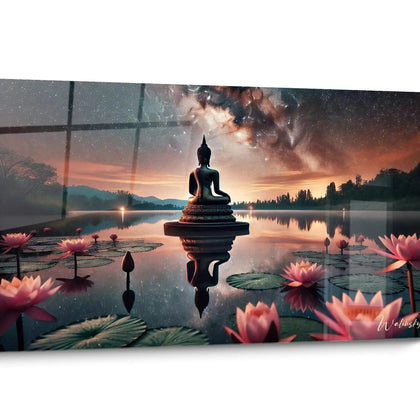 Buddha Yoga Room Wall Art20
artworks
Buddha Yoga Room Wall Art20
artworks
-
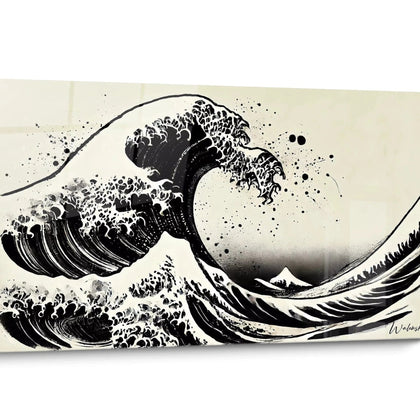 Wall Art for Yoga Studio Black and White9
artworks
Wall Art for Yoga Studio Black and White9
artworks
-
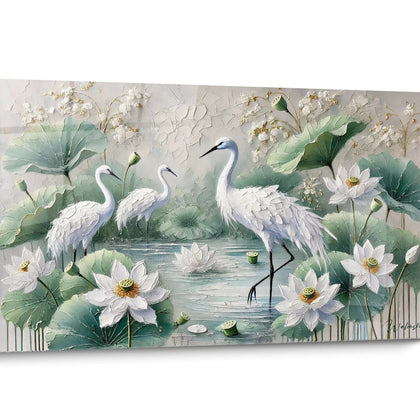 Wall Art for Yoga Studio Lotus14
artworks
Wall Art for Yoga Studio Lotus14
artworks
-
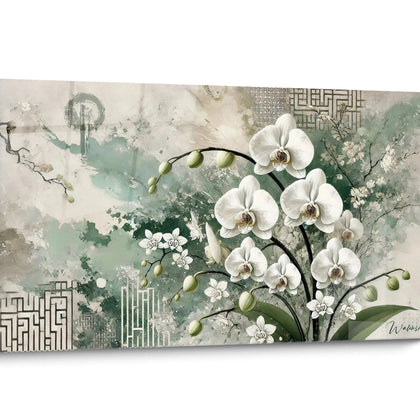 Minimalist Yoga Room Wall Art24
artworks
Minimalist Yoga Room Wall Art24
artworks
-
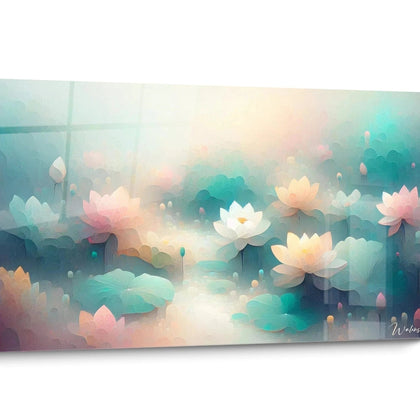 Abstract Wall Art for Yoga Studio24
artworks
Abstract Wall Art for Yoga Studio24
artworks
-
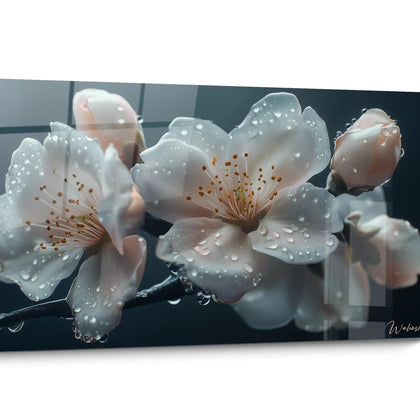 Flower Wall Art for Yoga Studio24
artworks
Flower Wall Art for Yoga Studio24
artworks
-
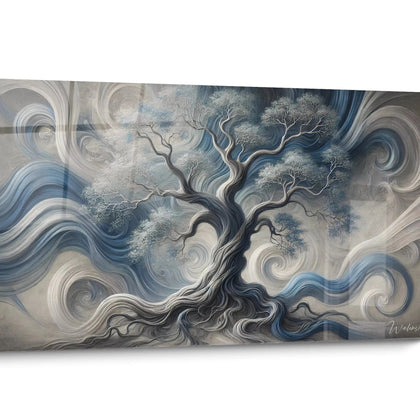 Wall Art for Yoga Studio Tree19
artworks
Wall Art for Yoga Studio Tree19
artworks
-
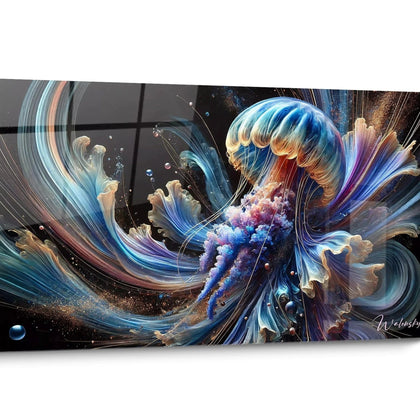 Golden Yoga Room Wall Art24
artworks
Golden Yoga Room Wall Art24
artworks
-
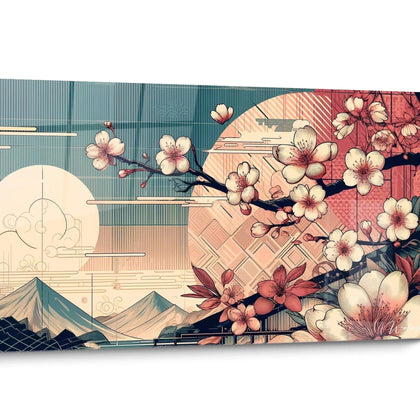 Turquoise Yoga Room Wall Art12
artworks
Turquoise Yoga Room Wall Art12
artworks
-
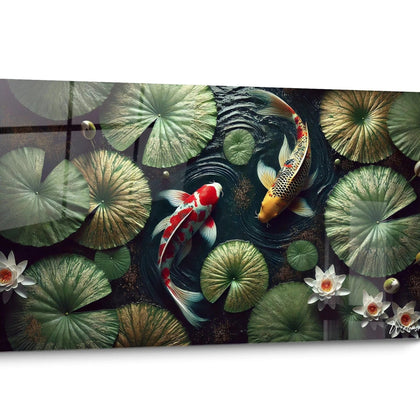 Green Yoga Room Wall Art10
artworks
Green Yoga Room Wall Art10
artworks
-
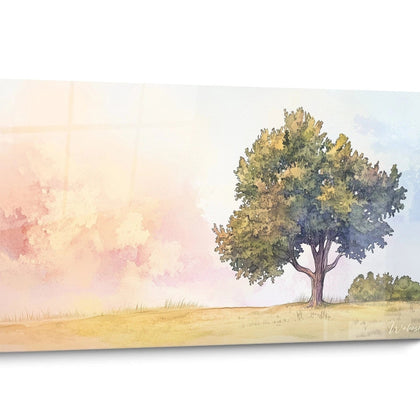 Yoga Studio Watercolor Wall Art6
artworks
Yoga Studio Watercolor Wall Art6
artworks
-
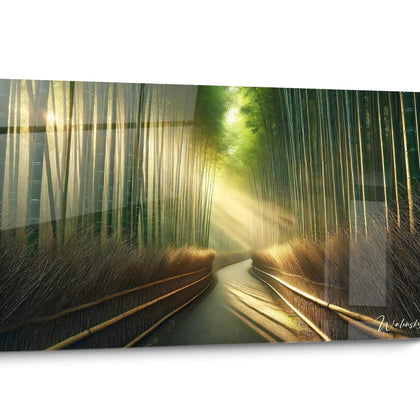 Bamboo Yoga Room Wall Art7
artworks
Bamboo Yoga Room Wall Art7
artworks

All about Japanese Yoga Room Wall Art
- Tableau Presentation for Japanese Yoga Room
- Symbolism and Zen Atmosphere
- Visual Composition and Meditation
- Japanese Architectural Integration
Setting up a space dedicated to yoga practice according to Japanese aesthetic principles requires careful consideration of each visual element. A Japanese yoga room tableau transforms the environment into a meditative sanctuary where minimalism, energy balance, and spiritual depth converge. These large-scale wall creations embody the philosophy of Ma, this negative space-time so dear to Japanese culture, allowing the gaze to rest and the mind to calm during sessions.
The Essence of Wabi-Sabi in the Practice Space
A Japanese yoga room tableau is rooted in the age-old tradition of wabi-sabi, this aesthetic acceptance of imperfection and impermanence. Representations of bamboo bent by the wind, ephemeral cherry blossoms, or sumi ink drawings with deliberately incomplete lines remind practitioners that perfection lies in the acceptance of the transient. This visual approach resonates particularly during balancing postures, where the search for stability is accompanied by an acute awareness of bodily fragility.
How do Japanese nature motifs influence yogic breathing?
The natural elements favored in these wall compositions – misty mountains of Mount Fuji, raked Zen gardens, stylized waves – create visual rhythms that naturally synchronize with breathing cycles. The gaze follows the gentle curves of a Hokusai landscape during pranayamas, establishing a silent dialogue between the work and the practice. The dominant monochrome tones, from pearl gray to Chinese ink black, facilitate concentration without excessive stimulation, unlike more saturated compositions. For a complementary approach exploring streamlined forms, an abstract yoga room tableau can enrich this contemplative atmosphere.
The symbolism of bamboo in postural alignment
Bamboo, a recurring motif in Japanese iconography, offers a perfect visual metaphor for yoga practice: combined flexibility and resistance. A large-scale wall panel depicting a vertical bamboo grove evokes rooted anchorage while celebrating spiritual elevation. The hollow segments of the bamboo also symbolize the inner space necessary for the circulation of prana, this vital energy that asanas seek to release. During chest-opening sequences or inversions, this graphic presence becomes a silent reminder of natural resilience.
What criteria should be prioritized for an authentically Japanese rendering?
The authenticity of a Japanese yoga room tableau rests on several technical parameters: the representation of empty space as a compositionally equal element to the represented forms, the use of atmospheric rather than linear perspectives, and the subtle presence of red tokens recalling the traditional signatures of master printmakers. Horizontal panoramic formats, evoking emakimono (narrative scrolls), are particularly suitable for spacious rooms, favoring a lateral visual sweep during floor postures.
Sacred Geometry and Principles of Kanso
The Japanese philosophy of kanso – simplicity without superfluous ornamentation – finds its ideal expression in the clean geometric compositions of a Japanese yoga room artwork. Circles ensō traced in a single calligraphic gesture embody completeness and awakening, while horizontal lines evoking the sea horizon create a stabilizing visual anchor. These primary forms dialogue with the minimalist contemporary architecture of studios while maintaining a deep connection with millennial Zen traditions.
The impact of asymmetrical compositions on mental balance
Unlike classical Western symmetry, Japanese aesthetics favors controlled asymmetry, a reflection of nature itself. A large-scale wall composition positioning a focal element – stone, mountain, sun – slightly off-center creates a dynamic tension that keeps attention awake effortlessly. This arrangement promotes peripheral awareness during movement meditations, where the soft-focus gaze absorbs the entire environment rather than fixing on a single point. Practitioners report a significant reduction in mental distractions when the visual space respects these organicproportions.
How do color palettes influence the chakras?
Traditional Japanese nuances – deep indigo, earthy ochre, silver gray – surprisingly correspond to the vibrational frequencies of the lower energy centers (muladhara, svadhisthana). A Japanese yoga room artwork exploiting these restrained color ranges naturally anchors the practice, particularly beneficial for Hatha or Iyengar styles favoring stability. Subtle touches of vermilion red, reminiscent of Shinto sacred torii gates, subtly activate manipura, the solar chakra associated with personal transformation. This intuitive science of color correspondences reinforces the energetic effectiveness of sessions without resorting to New Age artifices.
Visual texture as a meditative support
Renderings suggesting the grain of washi paper, the variations in absorption of sumi-e ink, or patinas evoking ancient screens add a virtual tactile dimension that enriches the contemplative experience. During long yin yoga holds or prolonged savasanas, the gaze explores these micro-textural variations, offering the mind a gentle and non-intrusive object of concentration. This surface quality, characteristic of Japanese craftsmanship, fundamentally distinguishes these compositions from flat and uniform digital reproductions.
Spatial Dialogue between Walls and Bodily Practice
The architectural integration of a Japanese yoga room artwork goes beyond simple decoration to become a structuring element of the space. Inspired by shoji (translucent screens) and kakemono (seasonal hanging scrolls), these large-scale vertical or panoramic formats redefine spatial proportions. Positioned facing the practitioner during seated postures or aligned laterally for standing sequences, they create visual corridors naturally guiding energy flow and bodily orientation in space.
Why prioritize panoramic formats for collective rooms?
In studios accommodating multiple practitioners simultaneously, an extended horizontal format (180 to 240 cm wide) unifies the collective visual experience without creating spatial hierarchy. This configuration recalls the mural paintings of Zen temples where the image envelops the assembly in shared contemplation. Each person's gaze finds its anchor while participating in a common aesthetic experience, reinforcing the sangha (spiritual community) dimension of the practice. Continuous landscapes – rows of mountains, bamboo forests – encourage this perception of spatial unity.
The Art of Ma Applied to Wall Arrangement
The Japanese concept of Ma, this spatial and temporal interval, determines the optimal placement of a painting for a Japanese yoga room. Unlike decorative accumulation, a single large format surrounded by empty wall spaces amplifies its meditative impact. This visual breathing reflects the very philosophy of yoga: creating inner space by eliminating the superfluous. The adjacent bare walls become contemplative extensions of the artwork, actively participating in the overall composition of the room. This minimalist approach is particularly suitable for advanced meditative practices where the sensory environment must promote introspection.
Adaptation to Seasonal Practice Cycles
The Japanese tradition of seasons (kigo) inspires a thematic rotation of wall compositions: cherry blossoms for periods of energy renewal, summer waves during dynamic practices, autumnal foliage accompanying introspective phases, snowy landscapes during restorative winter cycles. This visual cyclicality, although optional with a permanent large format, recalls Buddhist impermanence and maintains the perceptual freshness of the space. Advanced studios sometimes integrate seasonal rotation systems reflecting this eco-spiritual Japanese sensibility.
Frequently Asked Questions About Japanese Paintings for Yoga Spaces
Is a painting for a Japanese yoga room suitable for dynamic practices such as Vinyasa?
Absolutely, the clean compositions and soothing palettes stabilize the mind even during rhythmic sequences, offering a beneficial contrast to physical intensity without creating visual overstimulation.
What is the minimum size to prioritize for a painting for a Japanese yoga room in a 40m² studio?
For optimal impact without overload, aim for a panoramic format of at least 150 cm wide, allowing a significant visual presence while respecting architectural proportions and the principle of Ma.
Are wave motifs compatible with a painting for a Japanese yoga room intended for meditative practices?
Stylized representations of waves, particularly in the spirit of Hokusai's prints with their rhythmic curves, paradoxically promote mental tranquility by offering a cyclical visual movement synchronized with conscious breathing.
Further reading


