


Buddha Yoga Room Wall Art
Our Painting for Yoga Room Buddha collection transforms your practice space into a sanctuary of peace. Each creation celebrates Buddhist wisdom and invites deep meditation. Perfect for enhancing your studio de yoga zen, these works diffuse a soothing and spiritual energy. The sacred iconography of the Buddha inspires serenity and mindfulness. Ideal for creating an ambiance méditative authentique, they harmoniously accompany your relaxation and personal development sessions.
 Marbled Peace Wall Art - Zen Edition273,90 €
 Divine Tranquility Wall Art - Buddha Zen Edition273,90 €
 Golden Silence Wall Art - Zen Buddha Edition273,90 €
 Serenity in Bloom Wall Art - Zen Buddha Edition273,90 €
 Eternal Peace Wall Art - Zen Buddha Edition273,90 €
 Inner Light Wall Art - Zen Buddha Edition273,90 €
 The Buddha's Dream Wall Art - Zen Buddha Edition273,90 €
 The Grace of Silence - Zen Buddha Edition273,90 €
 Spiritual Harmony Artwork - Zen Buddha Edition273,90 €
 Radiance of Wisdom Wall Art - Zen Buddha Edition273,90 €
 Heart of Dharma Wall Art - Buddha Zen Edition273,90 €
 The Sage's Rest Wall Art - Divers Zen Edition273,90 €
 Meditative Journey Artwork - Various Zen Edition273,90 €
 Indigo Wisdom Wall Art - Zen Edition273,90 €
 Deep Peace Wall Art - Zen Edition273,90 €
 Fluid Peace Painting - Zen Edition273,90 €
 Peaceful Meditation Painting - Zen Edition273,90 €
 Starry Night Wall Art - Zen Edition273,90 €
 Inner Awakening Wall Art - Zen Edition273,90 €
 Calm Turquoise Wall Art - Zen Edition273,90 €
Explore further
In Buddha Yoga Room Wall Art
-
 Wall Art for Yoga Studio213
artworks
Wall Art for Yoga Studio213
artworks
-
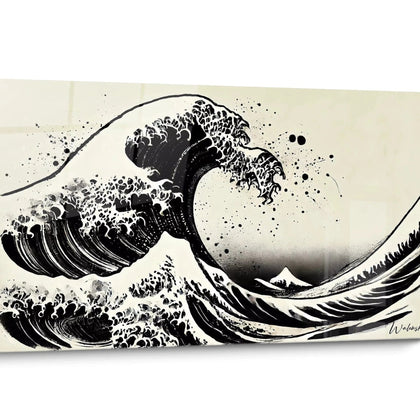 Wall Art for Yoga Studio Black and White9
artworks
Wall Art for Yoga Studio Black and White9
artworks
-
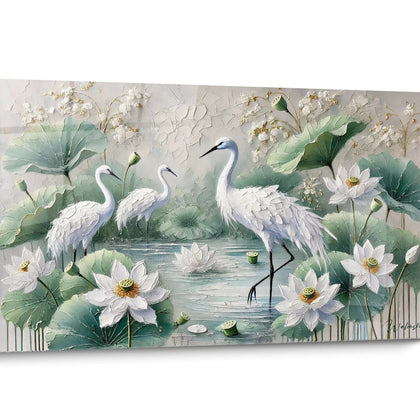 Wall Art for Yoga Studio Lotus14
artworks
Wall Art for Yoga Studio Lotus14
artworks
-
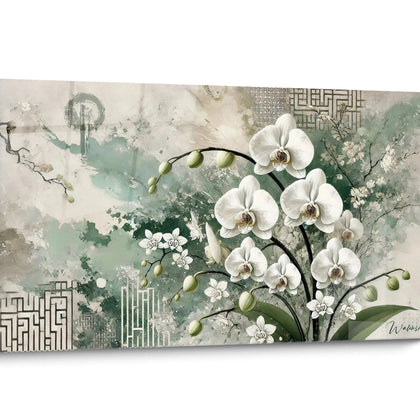 Minimalist Yoga Room Wall Art24
artworks
Minimalist Yoga Room Wall Art24
artworks
-
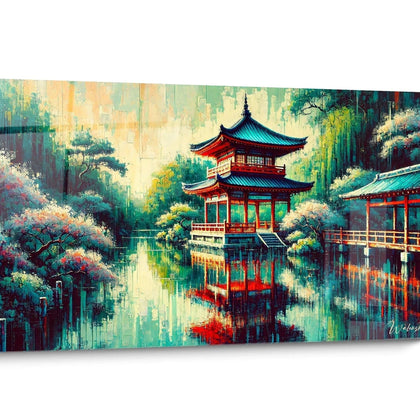 Japanese Yoga Room Wall Art24
artworks
Japanese Yoga Room Wall Art24
artworks
-
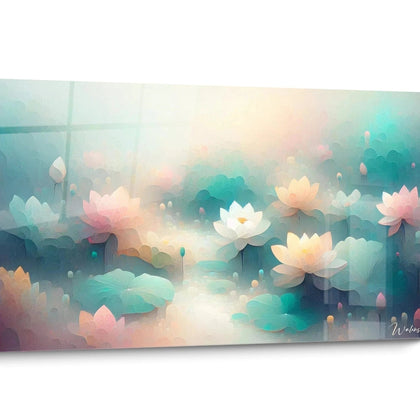 Abstract Wall Art for Yoga Studio24
artworks
Abstract Wall Art for Yoga Studio24
artworks
-
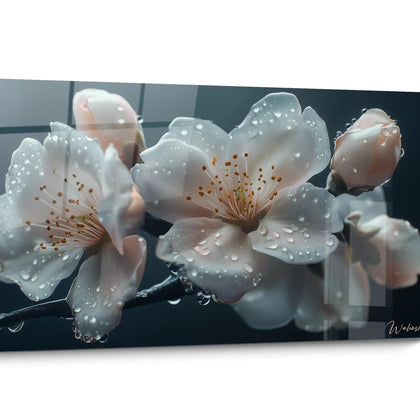 Flower Wall Art for Yoga Studio24
artworks
Flower Wall Art for Yoga Studio24
artworks
-
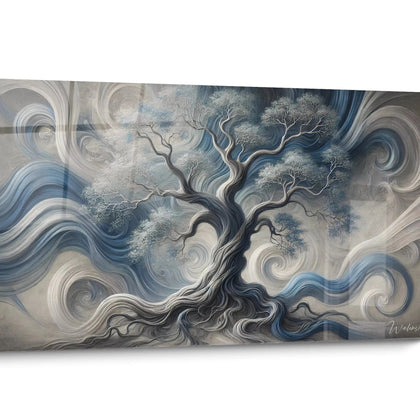 Wall Art for Yoga Studio Tree19
artworks
Wall Art for Yoga Studio Tree19
artworks
-
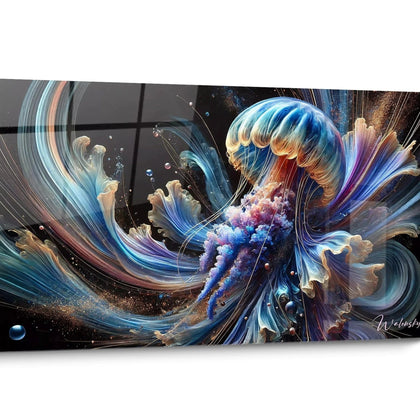 Golden Yoga Room Wall Art24
artworks
Golden Yoga Room Wall Art24
artworks
-
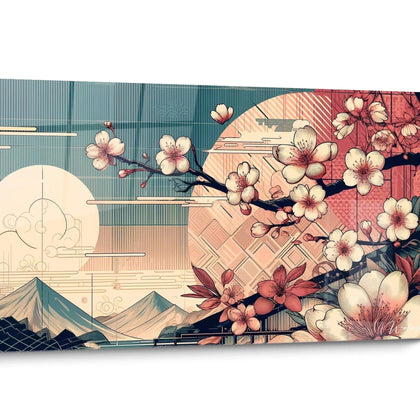 Turquoise Yoga Room Wall Art12
artworks
Turquoise Yoga Room Wall Art12
artworks
-
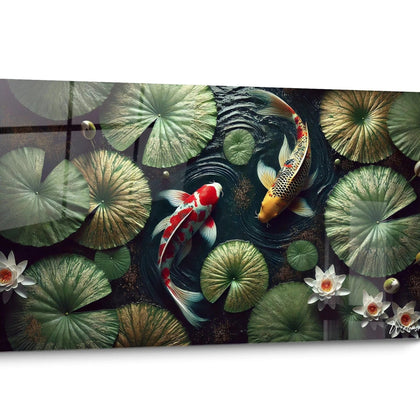 Green Yoga Room Wall Art10
artworks
Green Yoga Room Wall Art10
artworks
-
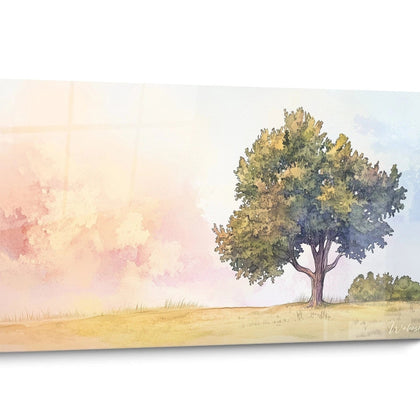 Yoga Studio Watercolor Wall Art6
artworks
Yoga Studio Watercolor Wall Art6
artworks
-
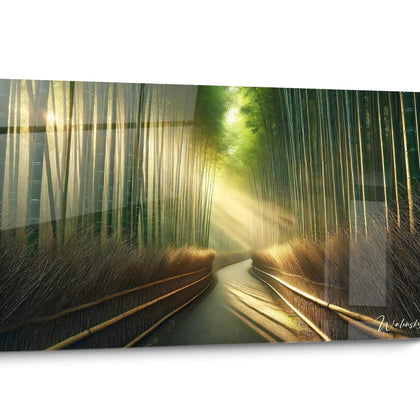 Bamboo Yoga Room Wall Art7
artworks
Bamboo Yoga Room Wall Art7
artworks

All about Buddha Yoga Room Wall Art
- Painting Presentation Buddha Yoga
- Spiritual Ambiance
- Studio Energy
- Meditative Practices
A painting for a Buddha yoga room instantly transforms the atmosphere of your practice space into a meditative sanctuary. These monumental works, specifically designed for large studios, create a soothing focal point that accompanies every movement, every breath, every moment of presence. The representation of the Buddha in your yoga room is not just a decoration: it embodies the philosophy of the practice itself, reminding each practitioner of the principles of awakening, compassion and equanimity that underpin authentic yoga. The generous dimensions of these wall creations allow for a significant visual presence, even in spaces intended for group classes where the depth of view requires powerful and legible graphics from each mat.
Creating a Meditative Sanctuary with a Buddha Yoga Room Painting
The installation of a painting for a Buddha yoga room responds to a specific intention: to visually anchor the sacred dimension of the practice. In a studio where vinyasa dynamic sessions, yin yoga restorative or guided meditation sessions follow one another, the constant presence of the Buddha serves as a silent reminder of the fundamental teachings. This millennial iconography unconsciously activates in practitioners a mental disposition conducive to introspection and letting go.
How does Buddhist iconography influence the depth of yogic practice?
Representations of the Buddha in meditation, with their specific mudras and symbolic postures, resonate deeply with the asanas practiced daily. A painting showing the gesture of taking the earth as witness (Bhumisparsha mudra) or that of teaching (Dharmachakra mudra) establishes a visual connection between Buddhist philosophy and contemporary yoga. For studios focused on mindfulness, this synergy reinforces the pedagogical coherence of the space.
The psychological impact of serene representations in intensive practice spaces
The peaceful faces of the Buddha, with their half-closed eyes and expression of inner bliss, exert a regulating effect on the nervous system of practitioners. During moments of intense effort or postural challenge, the gaze can naturally seek this visual anchor point, allowing a mental reorientation towards calm rather than tension. Studios welcoming people seeking stress management or post-traumatic recovery particularly benefit from this soothing presence. A painting for an abstract yoga room can complement this atmosphere by adding an additional contemplative dimension.
What color symbolism to prioritize for a Buddha painting in a yoga studio?
The color palettes associated with the Buddha in spiritual art are never arbitrary. Golden tones evoke enlightenment and transcendent knowledge, particularly suitable for studios offering in-depth philosophical teachings. Shades of deep blue symbolize medicine and healing, ideal for therapeutic yoga spaces. Terracotta and ochre hues refer to earthly anchoring and are suitable for practices focused on rooting and stability. The color choice of your painting should therefore reflect the specific orientation of your teaching and the transformations you wish to facilitate in your students.
Energetic Harmonization of Your Studio with a Buddha Painting
The location and size of a painting for a Buddha yoga room directly influence the energy flow of your practice space. According to the principles of Vastu Shastra, the Indian equivalent of Feng Shui, certain orientations and positions promote the vibrational harmony necessary for contemplative practices. A monumental painting placed in the northeast, a direction associated with spirituality and wisdom, naturally amplifies the meditative intention of your room.
Strategic positioning according to practice flows and teaching zones
In studios where the instructor faces the students, placing the Buddha painting behind the instructor creates a powerful symbolic alliance between the human guide and the spiritual archetype. This configuration subconsciously reinforces the instructor's benevolent authority while reminding them of their role as a transmitter of ancient wisdom. For circle practices or group meditations, a central positioning on the main wall allows all participants to benefit equally from the visual presence.
How to adapt the dimensions of the painting to the architectural proportions of the studio?
Professional yoga studios generally have significant ceiling heights and extended wall surfaces. A painting that is too modest would get lost in these generous volumes and would not fulfill its function as a focal point. Monumental formats, exceeding 150 centimeters in width, are a functional necessity in these spaces. The empirical rule is to cover between 40 and 60% of the width of the main wall to create a visually balanced presence without overload.
Interaction between natural lighting and sacred representations
Natural light radically transforms the perception of a Buddha painting throughout the day. Studios preferring morning classes will benefit from works oriented to capture the soft light of dawn, symbolizing spiritual awakening. Representations with gold leaf or metallic touches react particularly to variations in light, creating a dynamic visual experience that accompanies the circadian rhythm of practices. For windowless rooms, indirect lighting directed towards the painting generates a contemplative atmosphere that is controlled and constant.
Complementarity with natural elements and indoor vegetation architecture
A painting for a Buddha yoga room naturally dialogues with indoor plants, particularly species with large leaves such as monsteras or ficus. This vegetal association reinforces the connection with nature inherent in Buddhist and yogic teachings. Studios cultivating an ecological identity can create a composition where the painting emerges partially from a vegetated environment, evoking the enlightenment of the Buddha under the Bodhi tree.
Enriching Meditative Practices through Visual Contemplation
Beyond its decorative function, a painting for a Buddha yoga room becomes an active support for meditation, particularly in visualization and focused concentration practices. Traditional Buddhist techniques such as Trataka (gazing) or meditations on the qualities of the Buddha find in these wall representations a concrete and accessible anchor, even for beginner practitioners.
What visual meditation techniques to integrate with a Buddha painting?
The practice of Samatha, or calm-abiding meditation, frequently uses an image of the Buddha as a focus of concentration. The wall art becomes much more than a decorative element: it transforms into a pedagogical tool for stabilizing fluctuating attention. Instructors can guide their students to successively observe the details of the face, the position of the hands, the surrounding symbols, creating a structured contemplative path that gradually deepens mental presence.
The influence of the mudras represented on the intention of the session
Each hand position of the Buddha conveys a specific energy that can be consciously activated in your teaching. A wall art depicting the Abhaya mudra (gesture of protection) is particularly suitable for classes aimed at anxious people or beginners seeking security. The Dhyana mudra (deep meditation) ideally accompanies yoga nidra or deep relaxation sessions. This symbolic coherence between the image and the proposed practice reinforces the psychological effectiveness of the session.
Creating opening and closing rituals around the presence of the Buddha
Some studios develop intention protocols where practitioners are invited to mentally or physically greet the Buddha wall art at the beginning and end of the session. This ritualization creates psychological markers that delineate the space-time of the practice, facilitating the transition between daily life and the meditative state. For teacher training courses or intensive retreats, these rituals reinforce a sense of belonging to an authentic spiritual lineage.
How does the Buddha wall art support emotional regulation during practice?
Moments of emotional vulnerability are frequent in deep yoga practices, particularly during hip openers or intense backbends. The serene face of the Buddha then offers a visual refuge, a reminder that discomfort is transient and that inner peace remains accessible. Teachers report that the presence of a monumental Buddha wall art significantly reduces panic or abandonment reactions during challenging postures, practitioners finding in this image a model of emotional stability.
What Buddha wall art is suitable for multi-tradition yoga studios?
For spaces welcoming various yogic approaches (Ashtanga, Kundalini, Hatha), prioritize universal representations of the Buddha in meditation rather than specific sectarian iconography. Clean and contemporary artistic styles allow for personal appropriation by each practitioner, regardless of their tradition or lack of religious affiliation.
How to maintain and preserve a large Buddha wall art in an intense practice environment?
Yoga studios generate humidity, temperature variations, and regular vibrations. Opt for artworks with protective anti-UV and moisture-resistant treatments. Positioning at a reasonable distance from areas of intense practice (minimum 50 centimeters) avoids perspiration projections during dynamic styles such as Bikram or Power Yoga.
Is a Buddha wall art also suitable for Pilates or contemplative fitness spaces?
Absolutely, provided that the intention of the space includes a dimension of mental presence and body-mind connection. Contemporary somatic disciplines integrating meditation and conscious movement benefit from the symbolic presence of the Buddha, which transcends the strict boundaries between yoga, meditative Pilates, and movement-based mindfulness practices.
Further reading
Our articles on this topic
- Which minimalist painting to choose based on the gaze line during yoga
- What size artwork is suitable for a 40m² yoga studio?
- Large panoramic painting for the main wall: its impact on your yoga practice
- What painting dimensions for a 4-metre wall in a 60m² yoga studio?
- Why Avoid Wall Art Depicting Perfect Yoga Poses?
- Where and how to position a large panoramic Japanese painting in a yoga room
L'art qui suscite l'envie
Maison belge d'art mural grand format
14 jourspour changer d'avis*
Protection Walenskyincluse
Fabriquéen Italie
FormatXXL
Kit de fixationtoujours fourni
* Hors tableaux personnalisés et tailles personnalisées


