


Minimalist Apartment Wall Art
Our Minimalist Apartment Painting collection celebrates the art of essentials and simplicity. Each artwork embodies a contemporary minimalist wall decoration where clean lines interact with modern living spaces. These artistic creations bring a touch of understated refinement, perfect for enhancing your urban interiors. Discover compositions with minimalist apartment designs that transform your walls into veritable art galleries.
 Structural Luminous Momentum Wall Art - Abstract Minimalist Edition242,90 €
 Passionate Momentum Black Canvas - Minimalist Abstract Edition273,90 €
 Contemplative Ivory Dunes Canvas - Abstract Expressionist Edition242,90 €
 Sunlit Glow Artwork - Abstract Face Edition273,90 €
 Line Dance Wall Art - Abstract Dancer Edition273,90 €
 Celestial Duality Wall Art - Artistic Abstract Edition273,90 €
 Ephemeral Stability Wall Art - Zen Feng Shui Edition273,90 €
 Touch of Darkness Artwork - Abstract Face Edition273,90 €
 Linear Softness Painting - Abstract Face Edition273,90 €
 Silent Duality Painting - Abstract Body Edition273,90 €
 Balanced Contrast Artwork - Abstract Body Edition273,90 €
 Winter Elegance Wall Art - Minimalist Abstract Edition273,90 €
Explore further
In Minimalist Apartment Wall Art
-
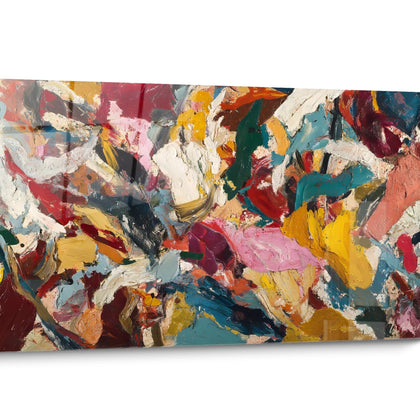 Wall art for apartment899
artworks
Wall art for apartment899
artworks
-
 Abstract Wall Art for Apartment24
artworks
Abstract Wall Art for Apartment24
artworks
-
 Geometric Wall Art for Apartment24
artworks
Geometric Wall Art for Apartment24
artworks
-
 Colorful Apartment Wall Art24
artworks
Colorful Apartment Wall Art24
artworks
-
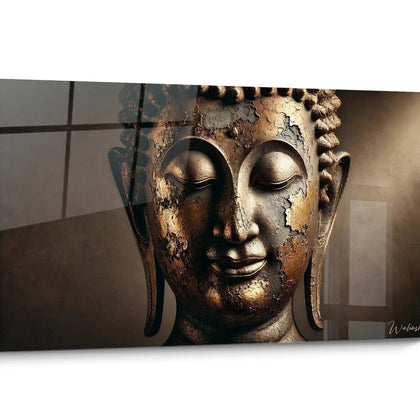 Golden Wall Art for Apartment24
artworks
Golden Wall Art for Apartment24
artworks
-
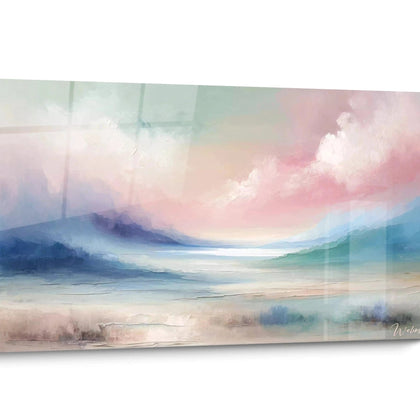 Wall Art for Zen Apartment24
artworks
Wall Art for Zen Apartment24
artworks
-
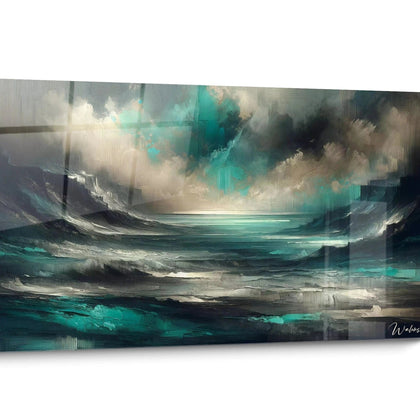 Expressionist Wall Art for Apartments16
artworks
Expressionist Wall Art for Apartments16
artworks
-
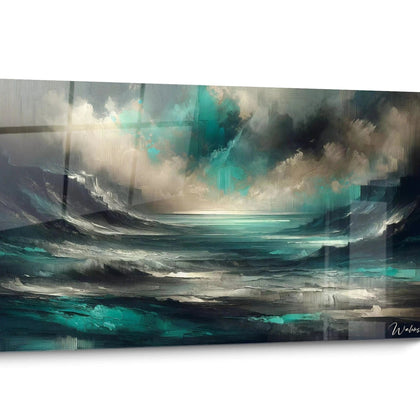 Blue Apartment Wall Art24
artworks
Blue Apartment Wall Art24
artworks
-
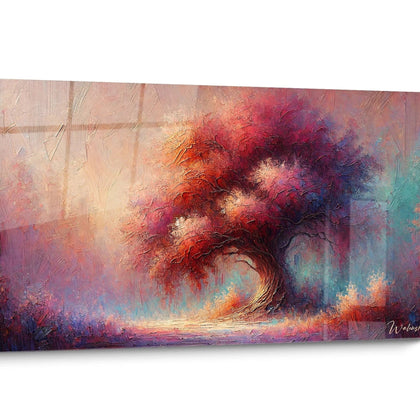 Red Wall Art for Apartment24
artworks
Red Wall Art for Apartment24
artworks
-
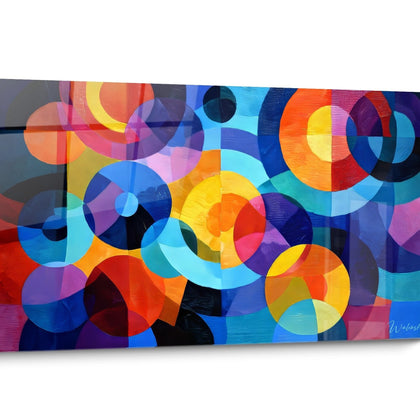 Orange Wall Art for Apartment24
artworks
Orange Wall Art for Apartment24
artworks
-
 Music Wall Art for Apartment11
artworks
Music Wall Art for Apartment11
artworks
-
 Wall Art for Apartment Tree9
artworks
Wall Art for Apartment Tree9
artworks
-
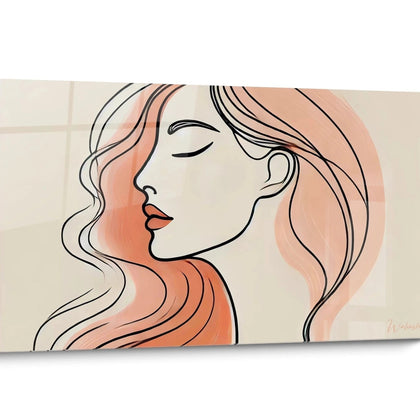 Portrait Wall Art for Apartment9
artworks
Portrait Wall Art for Apartment9
artworks
-
 Fluid Apartment Wall Art12
artworks
Fluid Apartment Wall Art12
artworks
-
 Futuristic Apartment Wall Art7
artworks
Futuristic Apartment Wall Art7
artworks
-
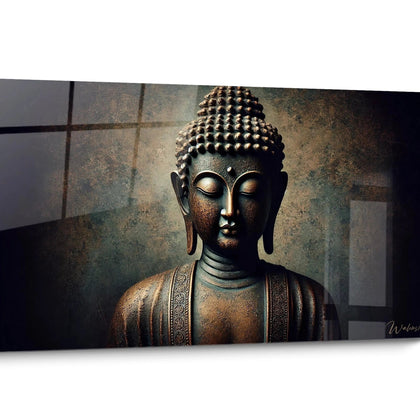 Buddha Wall Art for Apartment6
artworks
Buddha Wall Art for Apartment6
artworks
-
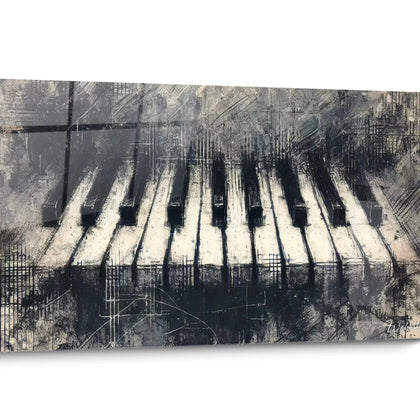 Black and White Wall Art for Apartment5
artworks
Black and White Wall Art for Apartment5
artworks
-
 Floral Wall Art for Apartment4
artworks
Floral Wall Art for Apartment4
artworks


All about Minimalist Apartment Wall Art
- Minimalist Wall Art for Apartments
- Urban Visual Refinement
- Spatial Flow and Proportions
- Applied Minimalist Philosophy
Selecting a minimalist wall art for apartments represents a major aesthetic decision to radically transform the spatial perception of contemporary urban interiors. In modern homes where every centimeter matters, minimalist wall art emerges as an elegant solution to personalize your interior without overwhelming visually the limited volumes. These refined creations perfectly address the architectural constraints of city dwellings while delivering the sophistication sought by residents mindful of visual harmony. The minimalist approach values the essential, eliminates the superfluous, and creates visual breathing room indispensable in the reduced surfaces characteristic of metropolitan apartments. The rigorous selection of a monumental minimalist artwork becomes a strategic decorative act to amplify the sensation of space while affirming a decidedly contemporary aesthetic identity.
Chromatic Refinement Serving Urban Spatial Design
The minimalist wall art for apartments masterfully exploits chromatic restraint to generate an impression of spatial expansion in compact dwellings. Monochrome or dichromatic compositions in large formats create visual windows that psychologically dissolve the architectural boundaries of small surfaces. This restricted color strategy avoids the visual fragmentation characteristic of overcrowded interiors, allowing the eye to circulate freely without parasitic interruption.
How does a reduced palette amplify available space?
The use of neutral tones such as off-white, cement gray, or deep black generates chromatic continuity between walls and the monumental artwork. This visual fusion mentally pushes back partitions and provides a sensation of openness comparable to effects sought in contemporary interior architecture. Apartments with standard ceiling heights benefit from these large minimalist compositions creating graphic verticality that visually elevates perceived height.
Subtle contrasts versus total uniformity
Certain collectors favor delicate tonal variations rather than flat expanses, creating nuances perceptible only under specific lighting angles. This sophisticated approach grants restricted spaces a mysterious depth that evolves with the time of day. For residents seeking connection with contemporary art while maintaining refined aesthetics, exploring a range of abstract wall art for apartments offers fascinating geometric alternatives while preserving the minimalist spirit.
The psychological impact of compositional voids
Negative zones intentionally left blank in these monumental creations function as essential visual breathing spaces. In urban apartments where furniture density quickly reaches critical thresholds, these compositional voids provide soothing counterbalance. Neuroscience confirms that refined environments reduce cognitive load and enhance concentration, transforming minimalist wall art into a functional element as much as aesthetic one for professionals working from home.
Strategic Sizing for Constrained Surfaces
Acquiring a large-scale minimalist wall art for apartments may seem paradoxical in reduced spaces, yet this counterintuitive approach generates the most spectacular visual results. Unlike fragmented multiple compositions, a single monumental artwork establishes a unique focal point that structures space visually without fragmenting it. This decorative concentration perfectly aligns with minimalist philosophy promoting quality over quantity.
Why prioritize oversized format in limited surface?
Imposing formats create clear visual hierarchy that simplifies spatial perception in compact rooms. Rather than dispersing attention across several modest decorative elements, a unique monumental minimalist wall art immediately captures the eye and becomes the architectonic element around which the furnishings naturally organize. This strategy proves particularly effective in studios and one-bedroom apartments where functional zone delimitation requires powerful yet non-intrusive visual markers.
Optimal wall proportions for maximum effect
Interior designers recommend that primary wall art occupy between 60% and 75% of the width of furniture it overlooks, a proportion perfectly adapted to compact sofas and queen beds characteristic of urban dwellings. For completely clear walls, the artwork can cover up to 50% of available vertical surface without appearing disproportionate, provided its minimalist composition maintains necessary visual lightness. Haussmann-style apartments with generous ceiling heights particularly benefit from vertical formats exploiting this distinctive architectural feature.
Asymmetrical balance as compositional principle
Strategically positioning a minimalist wall art for apartments according to asymmetrical rather than centered rules creates dynamic visual tension in standardized rectangular spaces. This off-center approach generates sophisticated visual equilibrium that counters the monotony of repetitive apartment floor plans. Discerning buyers consider not only artwork dimensions but also its potential to restructure banal spatial configurations into memorable architectural compositions.
Discreet Materiality and Affirmed Presence
The paradox of minimalist wall art for apartments lies in its capacity to affirm monumental presence while maintaining absolute material discretion. This duality characterizes excellence in minimalist art applied to urban residential environments. Support selection becomes as crucial as composition itself, favoring matte surfaces that absorb light rather than glossy finishes generating parasitic reflections in multifunctional spaces.
Which textures amplify the minimalist experience?
Slightly textured surfaces create subtle tactile richness that visually compensates for chromatic sobriety. This micro material variation becomes perceptible during daily circulation, establishing an evolving relationship between resident and artwork. Ultra-matte finishes eliminate all visual competition with ubiquitous digital screens in contemporary apartments, preserving composition visual integrity. For collectors seeking an even more radical approach, certain creations incorporate millimeter-scale relief variations that subtly modify perception based on viewing angle.
Integration into daily spatial routines
Unlike commercial spaces where art remains distant, minimalist apartment wall art integrates into domestic ritual intimacy. Its constant presence subtly influences residents' emotional states, functioning as a visual regulator of overall atmosphere. Spatial well-being professionals observe that minimalist compositions significantly reduce visual stress accumulated in dense urban environments. This functional dimension transforms acquisition of such an artwork into investment for daily life quality rather than simple decorative purchase.
Aesthetic permanence through renovation cycles
Minimalist aesthetics transcend ephemeral trends, guaranteeing lasting relevance even during successive rearrangements characterizing apartment living. This timelessness represents considerable economic advantage for urban residents regularly changing furniture or spatial configuration. Monumental minimalist wall art naturally adapts to stylistic evolution, functioning equally well in refined Scandinavian context as raw industrial or contemporary japandi settings.
Is minimalist wall art for apartments suitable for multifunctional spaces?
Absolutely, its compositional neutrality allows visual delimitation of different functional zones without creating physical barriers. In studios, it structures space while preserving the fluidity essential for small surfaces.
What is the optimal viewing distance for large-scale minimalist wall art for apartments?
Monumental minimalist compositions reveal full potential at a distance equivalent to 1.5 times their diagonal, a distance naturally respected in standard apartments where setback is limited by room dimensions.
How does minimalist wall art for apartments evolve with urban light variations?
Refined compositions subtly capture natural lighting changes throughout the day, creating dynamic visual experience despite apparent simplicity. This light sensitivity compensates for sometimes unfavorable orientation of urban apartments.


