


Wall Art for Zen Apartment
Wall Art for Zen Apartment : transform your interior into a haven of peace with our collection dedicated to serenity. These refined works embody balance and tranquility, ideal for creating a zen decoration minimalist in your living space. Inspired by oriental philosophy, our artistic creations diffuse a soothing atmosphere conducive to meditation and well-being. Perfect for enhancing a living room, bedroom or yoga space, these wall art relaxing atmosphere harmonize your interior.
 Tree Watcher of the Mountains Wall Art - Tree of Life Edition273,90 €
 Tree of Life Zen Dance of Seasons Wall Art273,90 €
 Night Tree Wall Art - Zen Life Tree Edition273,90 €
 Ancient Tree Wall Art - Life Tree Zen Edition273,90 €
 Tree Dance of the Seasons - Life Tree Edition Wall Art228,90 €
 Vaporous Caress Rose Painting - Abstract Textured Edition242,90 €
 Misty Undulating Pearl Canvas - Modern Abstract Edition242,90 €
 Blue and White Painting - Abstract Still Life Edition273,90 €
 Ephemeral Stability Wall Art - Zen Feng Shui Edition273,90 €
 Radiance of Wisdom Wall Art - Zen Buddha Edition273,90 €
 Tree of Dreams Wall Art - Zen Tree of Life Edition273,90 €
 Eternal Tree of Life Wall Art - Zen Tree of Life Edition273,90 €
 Spiritual Echoes Canvas - Diverse Zen Edition273,90 €
 Azure Mist Wall Art - Abstract Seascape Edition273,90 €
 Midnight Blue Painting - Abstract Flower Edition273,90 €
 Echoes of the Open Sea - Abstract Boat Painting Edition273,90 €
 Zen Alley Wall Art - Zen Edition273,90 €
 Floral Softness Artwork - Zen Edition273,90 €
 Calm Turquoise Wall Art - Zen Edition273,90 €
 Calm Abstract Painting - Zen Edition273,90 €
 Ode to the Wind Abstract Edition Wall Art - Walensky273,90 €
 Pastel Aurora Wall Art - Abstract Edition273,90 €
 Floral Dawn Wall Art - Abstract Edition273,90 €
 Winter Elegance Wall Art - Minimalist Abstract Edition273,90 €
Explore further
In Wall Art for Zen Apartment
-
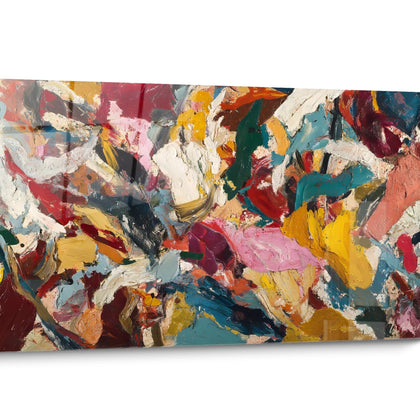 Wall art for apartment899
artworks
Wall art for apartment899
artworks
-
 Abstract Wall Art for Apartment24
artworks
Abstract Wall Art for Apartment24
artworks
-
 Geometric Wall Art for Apartment24
artworks
Geometric Wall Art for Apartment24
artworks
-
 Colorful Apartment Wall Art24
artworks
Colorful Apartment Wall Art24
artworks
-
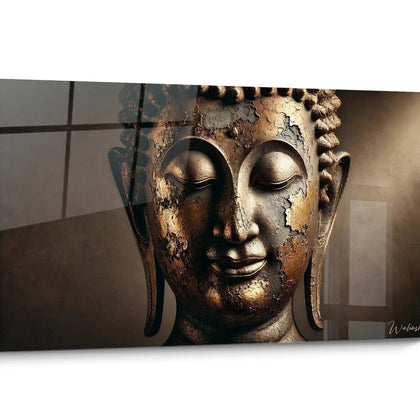 Golden Wall Art for Apartment24
artworks
Golden Wall Art for Apartment24
artworks
-
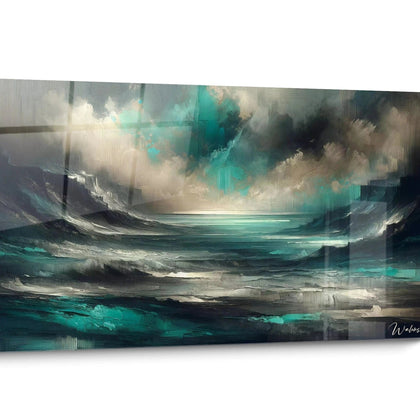 Expressionist Wall Art for Apartments16
artworks
Expressionist Wall Art for Apartments16
artworks
-
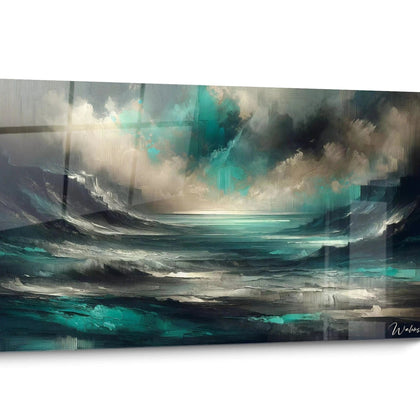 Blue Apartment Wall Art24
artworks
Blue Apartment Wall Art24
artworks
-
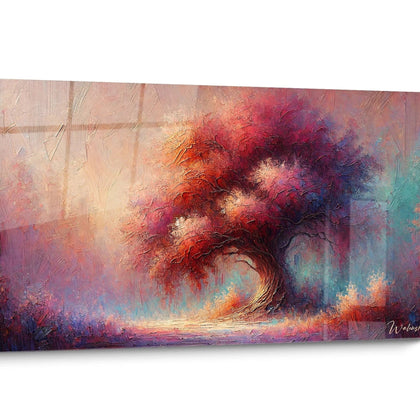 Red Wall Art for Apartment24
artworks
Red Wall Art for Apartment24
artworks
-
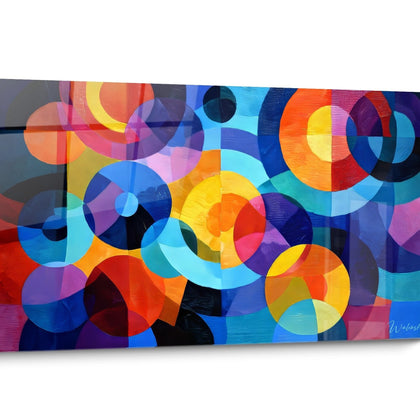 Orange Wall Art for Apartment24
artworks
Orange Wall Art for Apartment24
artworks
-
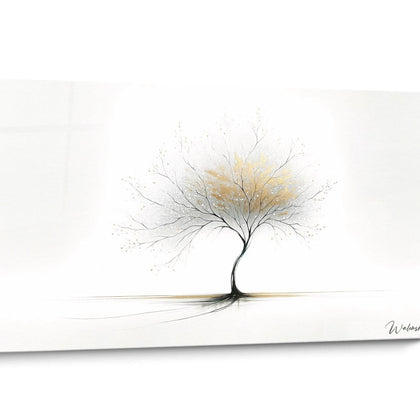 Minimalist Apartment Wall Art12
artworks
Minimalist Apartment Wall Art12
artworks
-
 Music Wall Art for Apartment11
artworks
Music Wall Art for Apartment11
artworks
-
 Wall Art for Apartment Tree9
artworks
Wall Art for Apartment Tree9
artworks
-
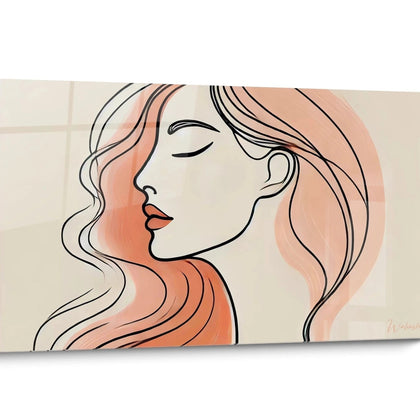 Portrait Wall Art for Apartment9
artworks
Portrait Wall Art for Apartment9
artworks
-
 Fluid Apartment Wall Art12
artworks
Fluid Apartment Wall Art12
artworks
-
 Futuristic Apartment Wall Art7
artworks
Futuristic Apartment Wall Art7
artworks
-
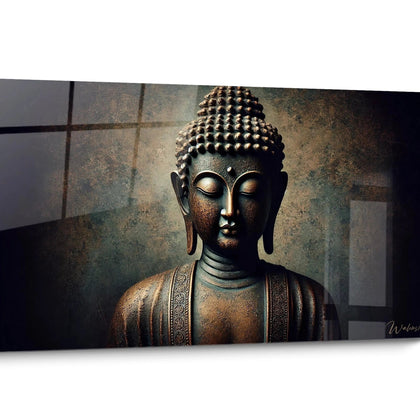 Buddha Wall Art for Apartment6
artworks
Buddha Wall Art for Apartment6
artworks
-
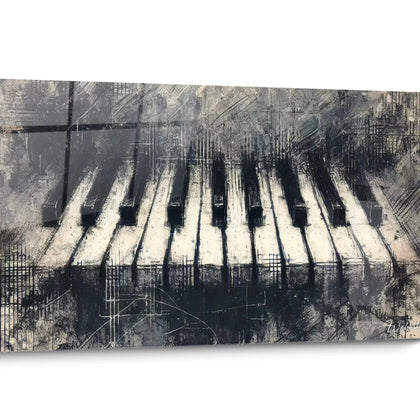 Black and White Wall Art for Apartment5
artworks
Black and White Wall Art for Apartment5
artworks
-
 Floral Wall Art for Apartment4
artworks
Floral Wall Art for Apartment4
artworks


All about Wall Art for Zen Apartment
- Presentation Zen Paintings
- Visual Zen Harmony
- Energetic Balance
- Spatial Serenity
A Zen painting for apartment radically transforms the atmosphere of your living space by creating a sanctuary of tranquility in the heart of urban bustle. These large-format wall art pieces embody the fundamental principles of Zen philosophy: simplicity, purification, and contemplation. Unlike conventional wall decorations, a Zen painting for apartment incorporates specific visual codes that promote mental anchoring and disconnection from daily stress. Generous formats allow for deep visual immersion, essential for recreating in your apartment the soothing effect of a Japanese garden or a Buddhist temple. Acquiring a Zen painting represents an investment in your daily well-being, a visual pause that facilitates spontaneous meditation and conscious breathing as soon as your gaze rests upon it.
Zen Art at the Service of Your Inner Space
The choice of a painting for apartment Zen responds to a precise quest for visual harmony that transcends simple decoration. These large-scale works adopt a deliberately soothing color palette, favoring natural tones such as stone grays, sand beiges, and moss greens that recall traditional Zen landscapes. Negative space, a central concept in Japanese aesthetics, plays a decisive role in these compositions.
How do clean compositions amplify the Zen effect in an apartment?
The effectiveness of a Zen painting for apartment lies in its ability to create visual emptiness in an environment often saturated. Large monochrome surfaces or gradual transitions of shades generate an instant meditative effect. This minimalist approach intentionally contrasts with the architectural density of urban apartments, offering a visual resting point essential. Motifs inspired by karesansui gardens (dry stone gardens) or natural rock formations introduce a contemplative dimension.
Integrating Zen symbols into your wall decoration
Authentic Zen paintings integrate powerful symbolic elements: enso circles representing enlightenment, bamboos evoking flexibility, pebbles suggesting balance. These symbols act as visual anchors facilitating the mental transition between external agitation and inner tranquility. For apartments with reduced dimensions, a large Zen format paradoxically creates a sensation of spatial expansion thanks to its open composition. Interaction with an abstract painting for apartment can enrich your decoration by combining Zen purification and contemporary dynamism.
What wall arrangement optimizes the soothing influence of a Zen painting?
The strategic placement of a painting for apartment Zen determines its impact on your daily well-being. Prioritize the walls you naturally contemplate during your moments of pause: facing the sofa in the living room, visible from your meditation or yoga space, or facing the bed for a last soothing vision before sleep. The ideal viewing distance for large formats is between two and four meters, allowing a global perception without eye strain. Avoid areas of intense traffic where constant movement would contradict the static and contemplative essence of the work.
Creating a Harmonious Energy Flow with Zen Decoration
The influence of feng shui principles on the placement of Zen paintings
A painting for a Zen apartment naturally fits within the precepts of feng shui by regulating the circulation of chi (vital energy) in your home. Horizontal compositions promote stability and grounding, particularly recommended in relaxation areas such as the bedroom or reading corner. Vertical formats, inspired by traditional Japanese kakemono, elevate energy and are suitable for transitional areas such as hallways or entrances. The representation of natural elements (water, stone, minimalist vegetation) rebalances urban environments often dominated by metal and concrete.
The Zen color nuances that transform the atmosphere of your apartment
The psychology of color takes on a particular dimension in Zen paintings for apartments. Charcoal gray and stone facilitate concentration and introspection, ideal for a home office or meditation space. Warm beiges and creams create a gentle embrace conducive to relaxation in living rooms. Jade and celadon greens, direct references to Japanese Zen gardens, introduce a serene vitality without overstimulation. These shades work in synergy with the natural materials present in the apartment: light wood, linen, natural stone.
Why do large formats intensify the contemplative experience?
The visual immersion provided by a large-format Zen painting for an apartment creates a true meditative window on your wall. This generous scale reproduces the effect of traditional Japanese screens that delineated sacred spaces. The gaze can travel freely over the surface without constraint, favoring the state of attentive presence characteristic of Zen practice. Expansive compositions generate a perceptual depth that seems to push back the physical limits of the apartment, particularly valuable in restricted urban spaces.
The interaction between natural light and Zen compositions
The relationship between your Zen painting and the ambient light profoundly influences its soothing effect. Compositions with subtle textures reveal different depths depending on the angle and light intensity, creating a work constantly evolving gently. This natural variability reproduces the experience of Zen gardens that transform subtly throughout the day. Position your painting perpendicularly to direct light sources to avoid reflections, favoring a diffuse lateral illumination that highlights nuances without dazzling.
Cultivating Daily Serenity through Zen Wall Art
The therapeutic dimension of a Zen painting in your daily life
Beyond aesthetics, a painting for an apartment Zen functions as an emotional regulation tool accessible at any time. Neuroscience confirms that contemplating purified compositions reduces the activity of the prefrontal cortex, a brain area associated with stress and mental rumination. Three minutes of daily contemplation of a Zen artwork are enough to decrease heart rate and promote heart coherence. This visual practice naturally integrates into a wellness routine: a few deep breaths in front of your painting before starting the day or returning from work.
How does a Zen painting structure the ambiance of a modern apartment ?
In contemporary interiors often characterized by a multiplicity of visual stimuli, a Zen apartment painting establishes a calming focal point that reorganizes the entire spatial perception. Its presence slows the gaze and creates a clear visual hierarchy, counterbalancing the sometimes chaotic effect of multiple screens and connected objects. Clean lines and asymmetrical compositions dialogue harmoniously with minimalist design furniture or open-plan lofts. This aesthetic convergence unifies the space without weighing it down.
The evolution of your relationship with your Zen painting
Unlike fleeting trend decorations, a Zen painting develops an increasingly deep relational depth over time. Seemingly simple compositions gradually reveal subtleties that only repeated observation unveils: textural variations, compositional balances, symbolic resonances. This gradual discovery reproduces the very essence of Zen practice where contemplative repetition deepens understanding. Your painting thus becomes a stable companion in a constantly evolving urban environment, a familiar visual anchor that accompanies your personal transformations.
Composing a coherent Zen environment around your painting
The maximum impact of a Zen apartment painting is achieved by harmonizing all surrounding elements. Prioritize furniture with clean lines, natural textiles with tactile textures, and limit decorative density around the artwork. Empty space becomes as important as occupied space, a fundamental principle of ma Japanese design. Integrate complementary sensory elements : essential oil diffuser, discreet wind chime, plants with graphic foliage such as bamboo or bonsai. This multisensory coherence amplifies the relaxing effect of your Zen painting.
Is a Zen apartment painting suitable for home workspaces?
Absolutely, a Zen painting optimizes concentration and reduces cognitive fatigue in a home office. Position it within your peripheral vision to benefit from micro-meditative visual breaks between intensive tasks, thereby improving your sustainable productivity.
What size Zen painting to prioritize according to the area?
For apartments of 40-60m², opt for a minimum format of 120x80cm which creates a contemplative presence without saturating the space. Surfaces exceeding 70m² ideally accommodate dimensions of 150x100cm or more, generating the visual immersion characteristic of authentic Zen experience.
Do Zen paintings work in colorful or eclectic interiors?
A Zen apartment painting actually introduces a calming counterpoint in saturated decors, functioning as a visual breath. Its chromatic neutrality and compositional purification create a sophisticated balance with more expressive environments, avoiding monotony while preserving coherence.
Further reading
Our articles on this topic
- A painting to create an interior retreat atmosphere at home
- The Influence of Relaxing Wall Art on Sleep and Stress Management
- Slowing Down at Home: Wall Art as a Trigger for Serenity
- Zen Living Room Decor: Creating a Peaceful Space at Home
- Create a Stress-Free Space with the Right Artwork
- Wellbeing Artwork: How Art Changes Your Mood Every Day
L'art qui suscite l'envie
Maison belge d'art mural grand format
14 jourspour changer d'avis*
Protection Walenskyincluse
Fabriquéen Italie
FormatXXL
Kit de fixationtoujours fourni
* Hors tableaux personnalisés et tailles personnalisées


