


Music Wall Art for Apartment
Our Painting for Apartment Music collection celebrates the art of sound in all its forms. Each creation captures the energy of instruments, notes, and melodies that animate your daily life. Perfect for music lovers and enthusiasts, this selection of musical wall decor brings rhythm and harmony to your living space. From jazz compositions to classical symphonies, explore musical art paintings that resonate with your soul and sublimate your walls with a unique artistic touch.
 Clarinet Painting No.1 - Abstract Music Edition273,90 €
 Drums Wall Art No. 2 - Abstract Music Edition273,90 €
 Abstract musical composition painting - Geometric harmony - Abstract geometric edition242,90 €
 Musical Abstract Composition Wall Art - Harmony of Forms - Abstract Geometric Edition273,90 €
 Treble Clef Painting No. 1 - Abstract Music Edition273,90 €
 Clarinet Painting N°2 - Abstract Music Edition273,90 €
 Drums Painting No.1 - Abstract Music Edition273,90 €
 Sound Keys Canvas - Abstract Music Edition273,90 €
 Torn Chords Painting - Abstract Music Edition273,90 €
 Keys of Silence Wall Art - Abstract Music Edition273,90 €
 Rhythm of Colors Canvas - Abstract Music Edition273,90 €
Explore further
In Music Wall Art for Apartment
-
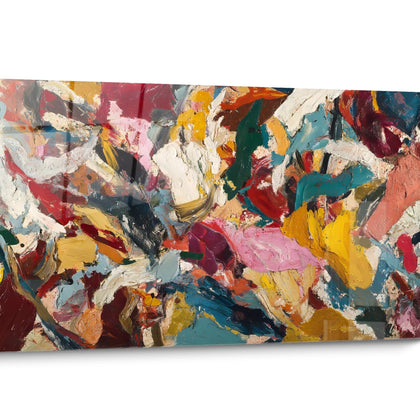 Wall art for apartment899
artworks
Wall art for apartment899
artworks
-
 Abstract Wall Art for Apartment24
artworks
Abstract Wall Art for Apartment24
artworks
-
 Geometric Wall Art for Apartment24
artworks
Geometric Wall Art for Apartment24
artworks
-
 Colorful Apartment Wall Art24
artworks
Colorful Apartment Wall Art24
artworks
-
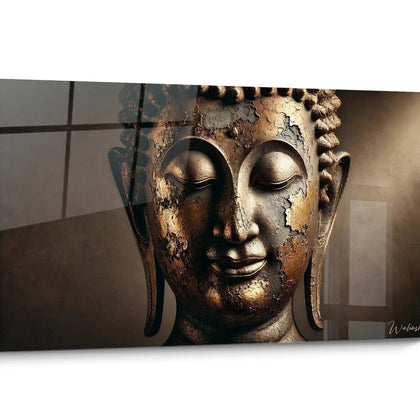 Golden Wall Art for Apartment24
artworks
Golden Wall Art for Apartment24
artworks
-
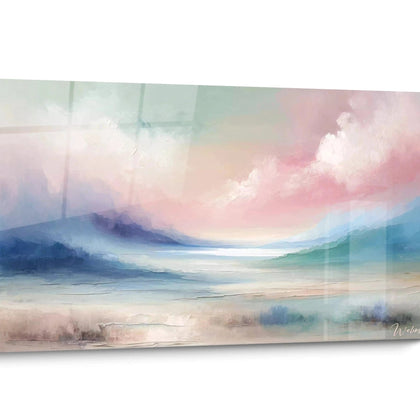 Wall Art for Zen Apartment24
artworks
Wall Art for Zen Apartment24
artworks
-
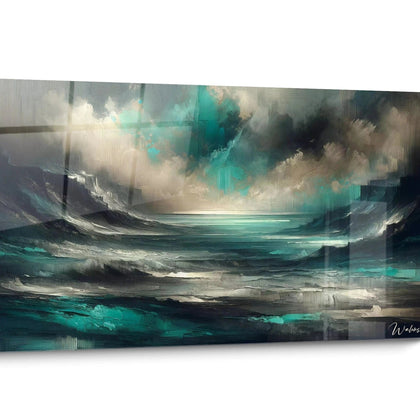 Expressionist Wall Art for Apartments16
artworks
Expressionist Wall Art for Apartments16
artworks
-
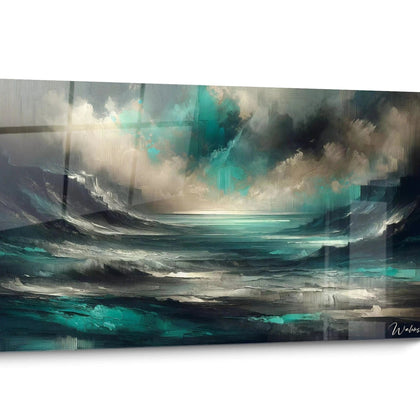 Blue Apartment Wall Art24
artworks
Blue Apartment Wall Art24
artworks
-
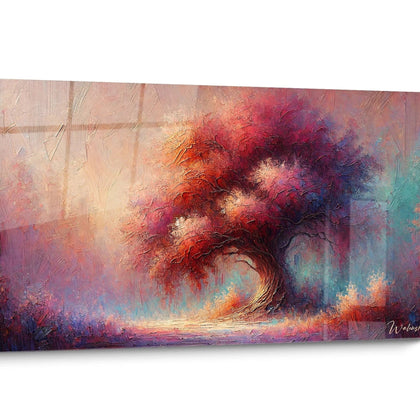 Red Wall Art for Apartment24
artworks
Red Wall Art for Apartment24
artworks
-
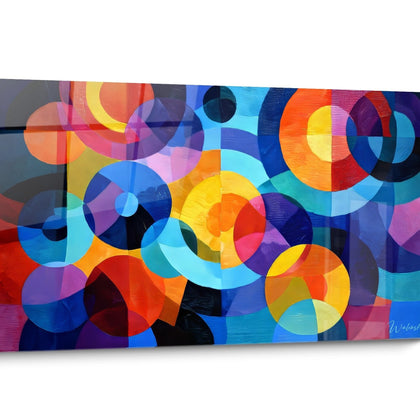 Orange Wall Art for Apartment24
artworks
Orange Wall Art for Apartment24
artworks
-
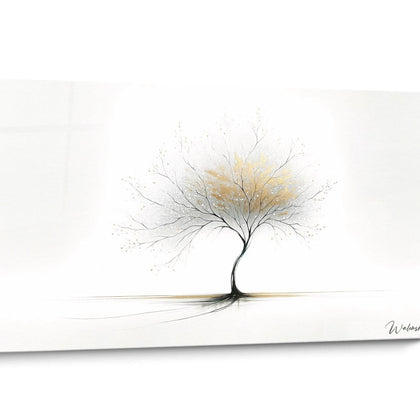 Minimalist Apartment Wall Art12
artworks
Minimalist Apartment Wall Art12
artworks
-
 Wall Art for Apartment Tree9
artworks
Wall Art for Apartment Tree9
artworks
-
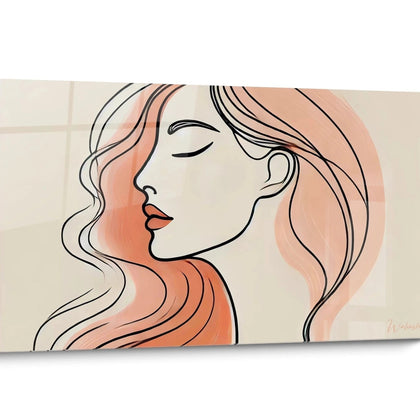 Portrait Wall Art for Apartment9
artworks
Portrait Wall Art for Apartment9
artworks
-
 Fluid Apartment Wall Art12
artworks
Fluid Apartment Wall Art12
artworks
-
 Futuristic Apartment Wall Art7
artworks
Futuristic Apartment Wall Art7
artworks
-
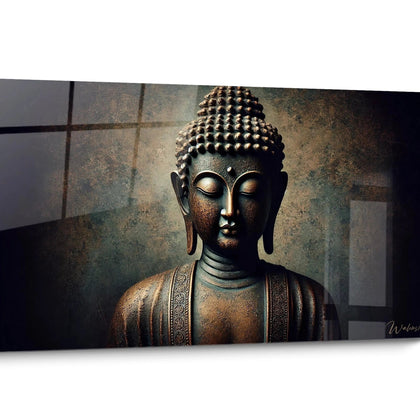 Buddha Wall Art for Apartment6
artworks
Buddha Wall Art for Apartment6
artworks
-
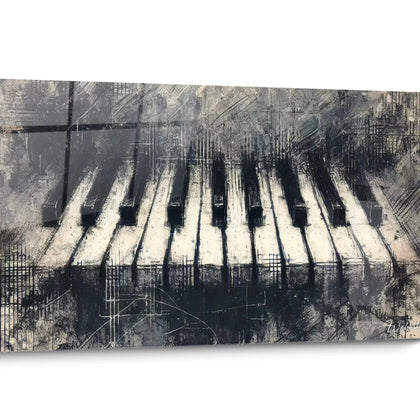 Black and White Wall Art for Apartment5
artworks
Black and White Wall Art for Apartment5
artworks
-
 Floral Wall Art for Apartment4
artworks
Floral Wall Art for Apartment4
artworks


All about Music Wall Art for Apartment
- Presentation Musical Painting
- Musical Apartment Decoration
- Visual Soundscapes
- Choice of Musical Artwork
Transform your apartment into a true showcase dedicated to the passion for music with a music-themed painting that celebrates the sonic universe in all its forms. These large-scale artistic creations capture the rhythmic, melodic, and emotional essence of music to create a unique atmosphere in your urban living space. Whether it's representations of iconic instruments, visual compositions inspired by musical genres, or portraits of legendary artists, each artwork becomes a visual manifesto of your artistic sensibility. Installing such a piece in an apartment responds to a need for personal expression where space constraints require affirmed and meaningful decorative choices, transforming each wall into a stage for a daily celebration of sonic art.
The Visual Acoustic Impact in Compact Urban Spaces
The integration of a music painting into a restricted urban environment creates a particular resonance between visual art and auditory memory. Graphic representations of sound waves, frequency spectra, or rhythmic visualizations amplify the psychological perception of space in cramped rooms. This synergy between visual stimulus and auditory imagination generates a sensory expansion compensating for the typical architectural limitations of city dwellings.
How do musical representations change spatial perception?
Visual compositions inspired by jazz music, with their syncopated lines and chromatic contrasts, introduce a temporal dynamic into static spaces. A large painting depicting wind instruments or keyboards generates illusory depth thanks to the organic perspectives of musical forms. Saturated colors associated with energetic musical genres – vibrant reds for rock, deep blues for the blues – create focal points that visually restructure the proportions of rooms.
The interaction between musical iconography and residential acoustics
In modern apartments with reflective surfaces, a music painting acts as a visual absorber of architectural echo. The textures represented – guitar strings, percussion skins, piano keys – suggest tactile and sonic qualities that soften the coldness of contemporary materials. This sensory compensation is particularly effective in studios and open spaces where functional demarcation is achieved through visual markers rather than physical ones.
Musical cultural references and residential identity
Choosing a painting representing hip-hop icons, classical legends, or rock symbols becomes an identity statement in domestic intimacy. For music lovers living in apartments, this visual affirmation compensates for the inability to practice or listen to their passion at the desired volume. Representations of giant vinyl records, enlarged handwritten scores, or silhouettes of performing artists create a visual sanctuary dedicated to the musical universe, even in the most constrained spatial configurations.
Works inspired by electronic music genres and their neon aesthetics find a particular resonance in contemporary apartments with clean lines. If you are looking to combine multiple visual universes, also explore abstract compositions for apartment that harmoniously dialogue with musical themes.
Create Thematic Zones through Visual Musical Language
Decorating an apartment with a wall art piece for music lovers allows you to establish distinct emotional territories depending on the genres represented. A living room featuring a monumental saxophone representation creates a sophisticated lounge atmosphere, while a bedroom adorned with visualizations of sound frequencies soothes with its hypnotic curves. This thematic segmentation optimizes the psychological exploitation of limited square footage by assigning specific emotional functions to each space.
What visual music for what functional space?
Home workspaces particularly benefit from representations of classical music – enlarged Bach scores, portraits of composers – which evoke concentration and structure. Conversely, relaxation areas flourish with evocations of soul or reggae music, whose warm palettes and fluid compositions encourage relaxation. A music painting representing percussion instruments in a dining room stimulates conviviality and exchanges, visually reproducing the collective energy of live performances.
The narrative evolution through the musical genres represented
Installing multiple music paintings in an apartment allows you to create a sonic narrative journey. An entrance marked by trumpet representations announces brilliance and welcome, a hallway adorned with silhouettes of dancers extends the movement, while a bedroom concludes with visuals of ambient music with soothing tones. This progression generates an immersive experience transforming daily circulation into an orchestrated sensory journey.
Compatibility between modern furniture and vintage music iconography
Retro representations of audio equipment – giant vinyl record players, tape recorders, vintage microphones – create a fertile contrast with the Scandinavian or industrial furniture typical of contemporary apartments. This aesthetic tension generates a visual richness impossible to achieve through total stylistic consistency. The imposing formats of these works compensate for the miniaturization of current audio equipment, restoring a physical presence to music in the dematerialized domestic space.
The color palettes associated with different musical genres – golds and purples for gospel, blacks and silvers for metal, pastels for pop – offer endless opportunities for harmonization with textiles and accessories. A painting representing bass lines or motifs inspired by techno introduces a rhythmic geometry that visually structures open spaces without partitions.
Selecting a Musical Artwork according to your Musical Profile
The choice of a wall art piece for music lovers not only reflects an aesthetic preference but constitutes a visual mapping of your personal sound history. Vinyl collectors will favor hyperrealistic representations of enlarged cult album covers, while active musicians will gravitate towards technical evocations of their instruments. This match between musical practice and visual representation creates an existential coherence in residential design.
What criteria for an authentic and impactful music painting?
The authenticity of a musical work is measured by its ability to evoke auditory sensations through the sole language of visuals. Detailed instrumental representations – vibrating strings suggested by motion blur, reflections on brass captured by light games – transmit the energy of the performance. Monumental formats become essential to restore the physical immersion of a concert, transforming the wall into a stage where the observer becomes a privileged spectator of a frozen musical moment.
The importance of emotional rendering in portraits of artists
Representations of musical legends – Miles Davis in the midst of improvisation, Aretha Franklin in vocal intensity, Jimi Hendrix in guitar trance – capture moments of artistic transcendence. These large-format portraits function as emotional portals, connecting residents daily to the creative energies of their idols. In an apartment where personal space becomes scarce, these inspiring figures symbolically take on the role of silent mentors.
Abstract visualizations inspired by music
Visual compositions translating sonic phenomena – colorful spectrograms, representations of standing waves, rhythmic mandalas – offer an intellectual approach to music suitable for contemporary spaces. These creations work particularly well in minimalist apartments where traditional figurative art would create a stylistic dissonance. An abstract music painting becomes a visual meditation on the immaterial nature of sound, perfectly aligned with philosophies of purified habitat.
Practical considerations for large formats in apartments
The installation of monumental musical works in restricted spaces requires strategic planning of viewing angles. A two-meter electric guitar painting requires a minimum distance to be perceived globally, orienting its position towards walls facing circulation areas. Vertical representations of instruments such as double basses or saxophones effectively exploit the ceiling height typical of modern constructions, creating a visual elevation compensating for horizontal narrowness.
Does a music painting suit all decorative styles?
Musical representations possess remarkable versatility thanks to the diversity of genres and visual approaches. A Haussmannian apartment will harmoniously welcome evocations of classical music in sepia tones, while an industrial loft will thrive with grunge or punk representations with aggressive contrasts. Music, a universal language, is visually translated into enough registers to adapt to any decorative sensibility.
How does a music painting influence the perceived sonic atmosphere?
The presence of a musical work unconsciously stimulates the auditory memory of observers, who "hear" mentally the sounds associated with the images. This phenomenon of induced synesthesia enriches the real acoustic experience of the apartment, even in silence. Visitors frequently report a feeling of musical atmosphere in spaces adorned with such representations, demonstrating the psychoacoustic impact of visual musical stimuli.
What durability for large-scale music paintings?
Professional-quality works remarkably resist standard residential conditions thanks to modern fixing techniques and stabilized materials. Musical representations with resistant pigments retain their chromatic intensity for decades, even when exposed to the natural luminosity of well-lit apartments. This durability transforms the acquisition of an imposing music painting into a long-term decorative investment, evolving with the inhabitants without losing its aesthetic relevance.
Further reading
Our articles on this topic
- Which music painting to choose for a rehearsal room?
- Sound Diffusing Wall Art: Fusion of Wall Decor and Designer Speakers
- Do paintings of musical instruments spark artistic interest?
- Wall art as a decorative element in a recording studio
- Adapting Wall Art to a Noisy or High-Traffic Room
- Can a Painting Improve the Acoustics of a Room?
L'art qui suscite l'envie
Maison belge d'art mural grand format
14 jourspour changer d'avis*
Protection Walenskyincluse
Fabriquéen Italie
FormatXXL
Kit de fixationtoujours fourni
* Hors tableaux personnalisés et tailles personnalisées


