


Floral Wall Art for Apartment
Our Painting for apartment Flower collection transforms your living space into a refined art garden. Each creation celebrates botanical beauty with elegant floral compositions that bring freshness and serenity to your interior. These floral wall artworks perfectly integrate into all apartment styles, from modern to classic. Decorative floral paintings offer a touch of nature and elegance that enhances your walls with poetry and character.
 Faded Beauty Canvas - Abstract Face Edition273,90 €
 Midnight Blue Painting - Abstract Flower Edition273,90 €
 Meadow Song Canvas - Abstract Flower Edition273,90 €
 Floral Dawn Wall Art - Abstract Edition273,90 €
Explore further
In Floral Wall Art for Apartment
-
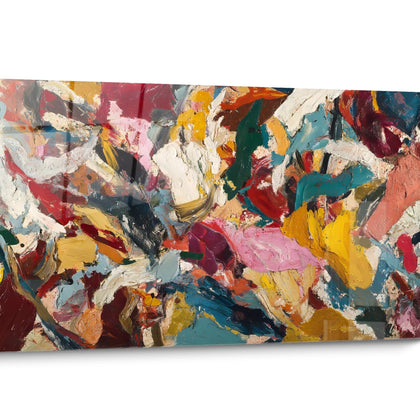 Wall art for apartment899
artworks
Wall art for apartment899
artworks
-
 Abstract Wall Art for Apartment24
artworks
Abstract Wall Art for Apartment24
artworks
-
 Geometric Wall Art for Apartment24
artworks
Geometric Wall Art for Apartment24
artworks
-
 Colorful Apartment Wall Art24
artworks
Colorful Apartment Wall Art24
artworks
-
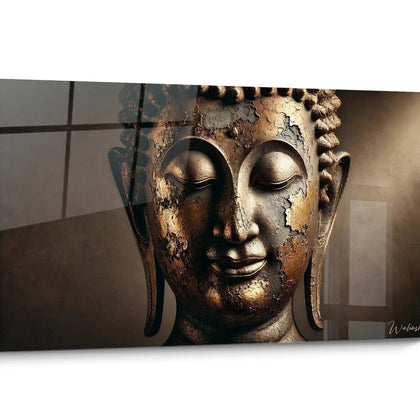 Golden Wall Art for Apartment24
artworks
Golden Wall Art for Apartment24
artworks
-
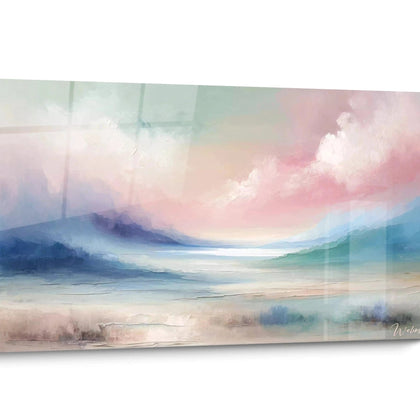 Wall Art for Zen Apartment24
artworks
Wall Art for Zen Apartment24
artworks
-
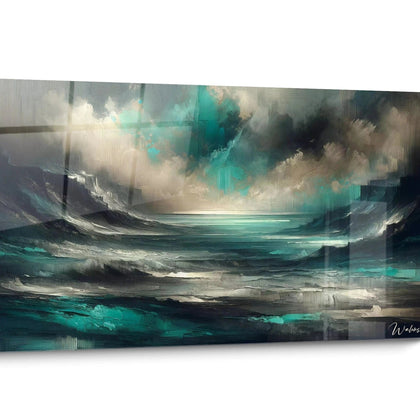 Expressionist Wall Art for Apartments16
artworks
Expressionist Wall Art for Apartments16
artworks
-
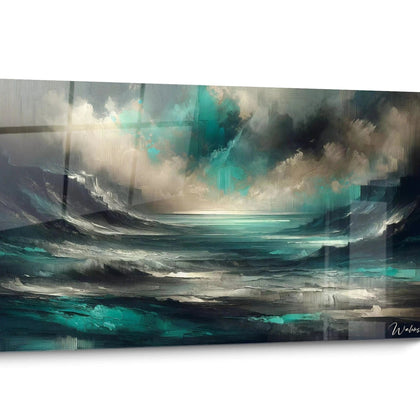 Blue Apartment Wall Art24
artworks
Blue Apartment Wall Art24
artworks
-
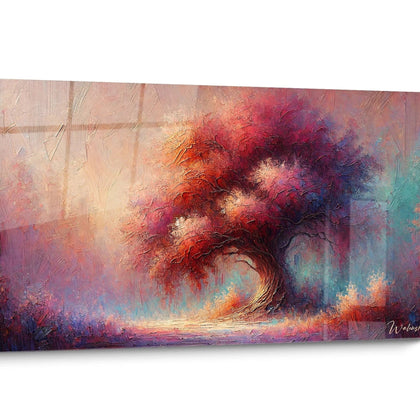 Red Wall Art for Apartment24
artworks
Red Wall Art for Apartment24
artworks
-
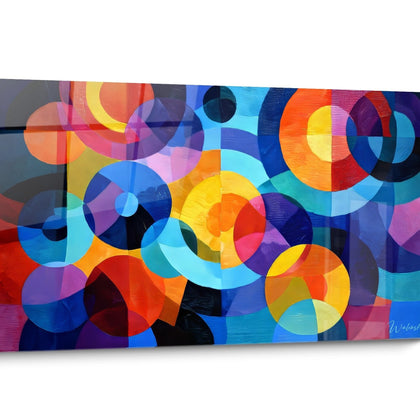 Orange Wall Art for Apartment24
artworks
Orange Wall Art for Apartment24
artworks
-
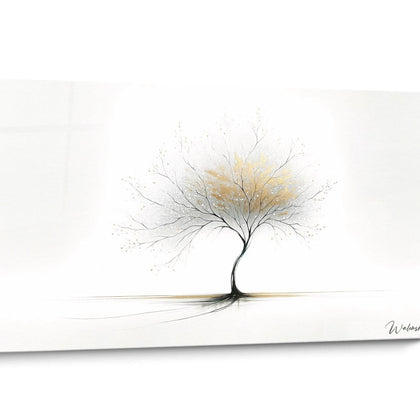 Minimalist Apartment Wall Art12
artworks
Minimalist Apartment Wall Art12
artworks
-
 Music Wall Art for Apartment11
artworks
Music Wall Art for Apartment11
artworks
-
 Wall Art for Apartment Tree9
artworks
Wall Art for Apartment Tree9
artworks
-
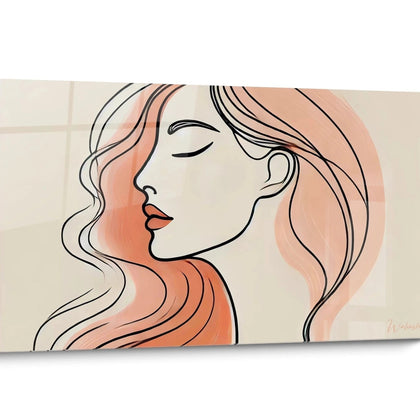 Portrait Wall Art for Apartment9
artworks
Portrait Wall Art for Apartment9
artworks
-
 Fluid Apartment Wall Art12
artworks
Fluid Apartment Wall Art12
artworks
-
 Futuristic Apartment Wall Art7
artworks
Futuristic Apartment Wall Art7
artworks
-
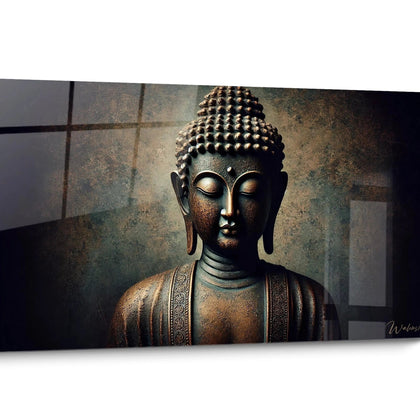 Buddha Wall Art for Apartment6
artworks
Buddha Wall Art for Apartment6
artworks
-
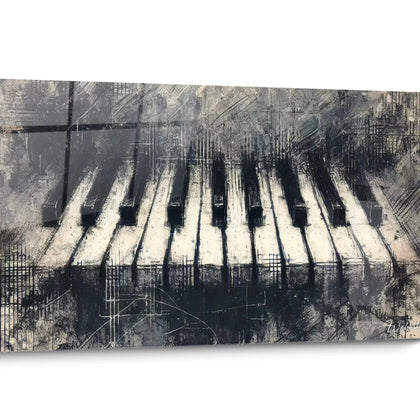 Black and White Wall Art for Apartment5
artworks
Black and White Wall Art for Apartment5
artworks


All about Floral Wall Art for Apartment
- Flower Artwork for Apartment Presentation
- Greenify Your Interior
- Urban Floral Atmospheres
- Selection and Placement
Discover our exclusive collection of flower artwork for apartments designed to transform your urban spaces into true nature sanctuaries. These large-format floral creations bring spectacular botanical dimension to contemporary interiors, offering a sophisticated alternative to traditional indoor plants. Each captured floral composition reveals striking botanical details, creating invigorating focal points that counterbalance the mineral architecture of modern urban environments.
Bring Nature Into Your Urban Living Space
The flower artwork for apartments represents a major decorative solution for urban residents lacking daily access to green spaces. In city environments where natural vegetation is scarce, these monumental floral representations compensate for the lack of botanical connection by creating a permanent visual window to nature. Oversized floral compositions generate emotional impact comparable to an indoor garden, without the maintenance constraints of living plants.
Counterbalance the mineral architecture of contemporary apartments
Modern urban interiors are characterized by smooth surfaces, polished concrete, tiling, and omnipresent glass. A large-scale flower artwork for apartments introduces organic forms and natural curves that soften this architectural rigidity. Delicate petals, detailed pistils, and complex plant structures create visual tactile contrast with the clean lines of Scandinavian or industrial furniture typical of city dwellings. This juxtaposition generates enriching aesthetic tension between urban geometry and nature's organized chaos.
Which floral varieties suit limited spaces?
For apartments with restricted surfaces, prioritize monumental single-flower compositions rather than complex bouquets. A giant peony, oversized dahlia, or blooming rose in close-up creates strong botanical presence without visually overwhelming the space. Architectural orchid representations harmonize particularly well with minimalist interiors, while countryside poppies bring bucolic contrast against the urban environment. Magnolias in full bloom offer sculptural elegance suited to contemporary living rooms.
Create visual breathing room in saturated spaces
In apartments where every square meter counts, a large-format flower artwork paradoxically creates a sense of amplified space. By drawing the eye toward illusory floral depth, these works generate visual extension that mentally pushes back wall boundaries. This decorative technique works particularly well in cluttered rooms where object accumulation creates sensory saturation. The floral image soothes this density by offering a contemplative resting point where the eye can pause and breathe.
Representations of flower fields or blooming meadows in perspective create maximum illusory depth, while detailed botanical macro-photography invites meditative observation. For confined home office spaces, a floral artwork advantageously replaces the absent garden view, reducing stress from urban confinement. Unlike abstract apartment artwork which stimulates intellectually, floral imagery activates biological relaxation mechanisms associated with natural exposure.
Create a Floral Atmosphere Adapted to Your Lifestyle
How do floral compositions influence daily atmosphere?
The choice of flower artwork for apartments determines your private space's emotional atmosphere with remarkable precision. Compositions of peonies and roses in powder pink tones create a soothing romantic atmosphere, ideal for bedrooms where relaxation is paramount. Representations of brilliant sunflowers or saturated tulips infuse energizing morning vitality, particularly beneficial in open kitchens or breakfast areas. Monochrome orchids evoke zen sophistication suited to spa bathrooms or refined dressing rooms.
For reception spaces, mixed floral compositions evoking traditional English gardens create warm conviviality facilitating social interaction. Representations of exotic flowers like proteas, birds of paradise, or heliconias bring stimulating travel dimension to home offices, nurturing professional creativity. In lively family apartments, lavender fields or poppy meadows generate countryside serenity counterbalancing daily urban agitation.
Adapt the floral register to urban seasonal cycles
A major advantage of flower artwork for apartments lies in its capacity to maintain permanent floral presence despite seasons. During long urban winters when exterior vegetation disappears, representations of cherry blossoms or spring magnolias maintain psychological connection with natural cycles. This permanent visual botanical continuity compensates for depressive effects of nature exposure shortage during cold months, particularly pronounced in northern climates where grayness dominates.
North-facing apartments, deprived of direct light, particularly benefit from floral compositions with warm tones - golden sunflowers, orange dahlias, red poppies - which visually compensate for light coldness. Conversely, overheated south-facing spaces gain perceived freshness with representations of blue hydrangeas, purple hyacinths, or violet irises. This visual thermal regulation genuinely influences ambient comfort perception, demonstrated by several environmental studies.
Which size should be prioritized to maximize botanical impact?
In a standard apartment, flower artwork for apartments must measure minimum 100x150 cm to create significant botanical presence. Monumental formats of 150x200 cm or larger literally transform a wall panel into an illusory vertical garden, generating maximum sought emotional impact. This substantial dimension allows appreciation of botanical details - petal veins, pistil texture, subtle chromatic nuances - that disappear in reduced formats.
For typical living room walls of 3 to 4 meters, a floral composition occupying 40 to 50% of wall surface creates optimal visual balance between affirmed presence and respect for surrounding space. Compact studios benefit more from a single monumental floral piece serving as structuring architectural element than from multiple small compositions creating visual confusion. In bedrooms, prioritize a horizontal panoramic format evoking a flowering horizon, mentally inducing spatial openness conducive to rest.
Select and Install Your Floral Artwork for Maximum Impact
Coordinate floral tones with your existing interior palette
Successful integration of flower artwork for apartments requires precise chromatic analysis of your environment. In neutral interiors dominated by whites, grays, and beiges - characteristic of contemporary apartments - a saturated-color floral composition (intense fuchsias, deep reds, brilliant yellows) creates instant dramatic focal point. This concentrated chromatic injection prevents blandness while maintaining overall spatial simplicity.
For already-colorful interiors with printed textiles and expressive furniture, prioritize monochrome or two-tone floral representations avoiding visual overload. White peonies on light background, architectural green foliage, or graphic black floral silhouettes integrate harmoniously without chromatic competition. Eclectic bohemian-style apartments can welcome maximal floral compositions mixing multiple species and tones, reinforcing the aesthetic of botanical abundance.
Where should you strategically position your floral artwork?
Flower artwork placement for apartments follows specific considerations adapted to urban lifestyles. In open living spaces typical of modern apartments, position the floral work on the wall perpendicular to main windows rather than directly facing them. This orientation avoids disruptive reflections while benefiting from lateral natural light revealing chromatic nuances. The wall behind the sofa constitutes the privileged location, creating botanical background for relaxation moments.
In bedrooms, prioritize the headwall as primary placement, creating first and last daily vision - positive psychological framing through nature imagery. Avoid the wall facing the bed which creates visual confrontation unsuitable for sleep. For home office spaces, install the floral composition laterally in peripheral vision field, allowing contemplative micro-breaks without completely diverting attention from professional tasks.
Complete the floral decorative ecosystem
Large-scale flower artwork for apartments gains coherence when dialoguing with other botanically-themed elements strategically dispersed. A few moderate-sized living plants - without scale competition - create thematic continuity reinforcing overall botanical dimension. Cushions printed with similar floral motifs, harmonized-tone rugs, or decorative vases establish subtle visual echoes amplifying natural atmosphere.
However, avoid excessive redundancy that dilutes your main floral piece's impact. The objective is creating clear visual hierarchy where the monumental artwork dominates as major architectural element, complementary accessories playing discreet supporting role. In limited-surface apartments, this concentrated minimalist approach generates superior impact to multiplying reduced-size floral elements.
Frequently asked questions about apartment floral artworks
Does flower artwork for apartments suit contemporary masculine interiors?
Absolutely, by selecting compositions with affirmed graphic aesthetics rather than romantic ones. Architectural botanical representations of anthuriums, proteas, or bamboo stems offer botanical masculinity compatible with streamlined interiors. Black and white macro-photography of geometric floral structures creates timeless sophistication transcending traditional gender codes.
Do these floral works function in industrial-style apartments?
The contrast between floral organic imagery and industrial raw materials (exposed metal, bricks, visible piping) creates particularly successful aesthetic tension. This nature-industry juxtaposition humanizes potentially cold spaces while preserving their distinctive architectural character. Prioritize wild floral compositions evoking botanical reconquest of urban wastelands to reinforce thematic coherence.
How do you maintain the visual brilliance of large-format floral artwork?
Superior-quality floral representations maintain their chromatic intensity for decades without particular intervention. Simply avoid prolonged direct intense sunlight exposure which progressively degrades pigments. Semi-annual dusting with dry microfiber cloth suffices to preserve visual clarity. Positioning in living spaces protected from projections (kitchen, bathroom) guarantees optimal longevity without alteration.


