


Red Wall Art for Apartment
Our Painting for Apartment Red collection transforms your living spaces into true contemporary galleries. These works with vibrant red hues bring warmth, energy and character to your interior. Each creation captures the essence of passion and dynamism, ideal for dressing up a living room, bedroom or office with elegance. Contemporary red wall decoration harmoniously adapts to modern apartments and offers a refined artistic touch that will not leave anyone indifferent.
 Wall Art Close to the Skin - Abstract Face Edition273,90 €
 Unfinished Beauty Canvas - Abstract Face Edition273,90 €
 Dynamic Explosive Noise Abstract Painting - Abstract Edition273,90 €
 Colorful Abstract Composition - Urban Harmony - abstract painting style edition273,90 €
 Abstract composition painting - Colorful symphony - abstract painting style edition273,90 €
 Abstract Color Explosion Painting - Creative Chaos - abstract painting style edition273,90 €
 Expressionist Abstract Painting - Colorful Symphony - abstract painting style edition273,90 €
 Colorful abstract composition - Chromatic explosion - abstract painting style edition273,90 €
 Dynamic abstract composition wall art - Geometric explosion - geometric abstract edition242,90 €
 Abstract Geometric Composition Wall Art - Constructivist Harmony - Abstract Geometric Edition242,90 €
 Abstract dynamic composition wall art - Cosmic energy - abstract geometric edition228,90 €
 Multicolor concentric circles wall art - Geometric symphony - abstract geometric edition228,90 €
 Dynamic Abstract Composition Painting - Geometric Chaos - Abstract Geometric Edition273,90 €
 Dynamic Abstract Composition Painting - Geometric Symphony - Abstract Geometric Edition273,90 €
 Dramatic Peaks Red Painting - abstract painting edition242,90 €
 Creative Chaos Wall Art - multicolor abstract edition242,90 €
 Intense Upheaval Red Canvas - Abstract Expressionist Edition228,90 €
 Red Marine Apocalypse Canvas - Abstract Expressionist Edition228,90 €
 Beauty in Red and Black Wall Art - Abstract Dancer Edition273,90 €
 Tree of Dreams Wall Art - Zen Tree of Life Edition273,90 €
 Beyond the Gaze Wall Art - Abstract Face Edition273,90 €
 Calm Turquoise Wall Art - Zen Edition273,90 €
 City in Colours Painting - Multicolour Abstract Edition273,90 €
 Fire Tree Artwork - Abstract Colorful Edition273,90 €
Explore further
In Red Wall Art for Apartment
-
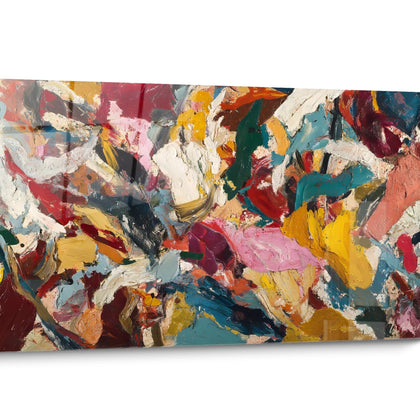 Wall art for apartment899
artworks
Wall art for apartment899
artworks
-
 Abstract Wall Art for Apartment24
artworks
Abstract Wall Art for Apartment24
artworks
-
 Geometric Wall Art for Apartment24
artworks
Geometric Wall Art for Apartment24
artworks
-
 Colorful Apartment Wall Art24
artworks
Colorful Apartment Wall Art24
artworks
-
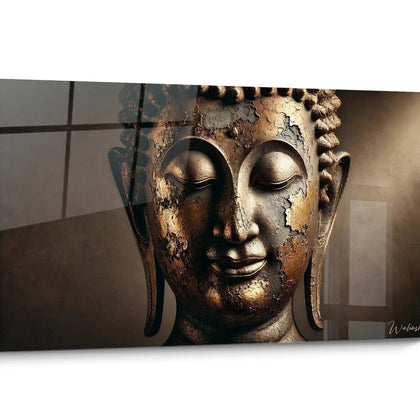 Golden Wall Art for Apartment24
artworks
Golden Wall Art for Apartment24
artworks
-
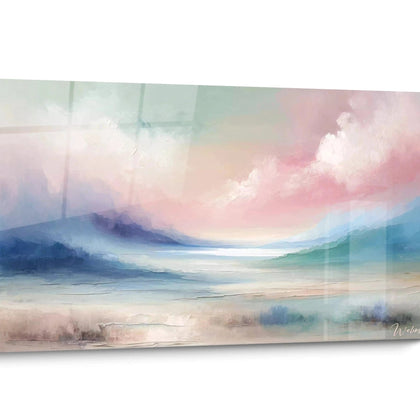 Wall Art for Zen Apartment24
artworks
Wall Art for Zen Apartment24
artworks
-
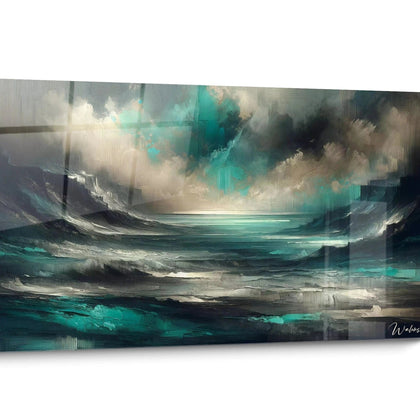 Expressionist Wall Art for Apartments16
artworks
Expressionist Wall Art for Apartments16
artworks
-
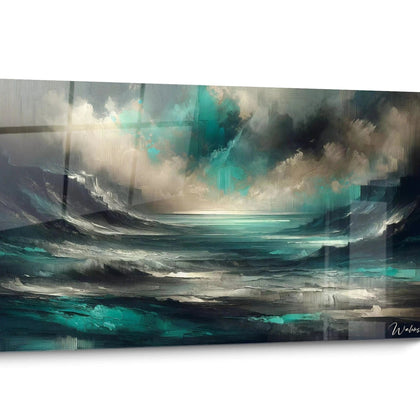 Blue Apartment Wall Art24
artworks
Blue Apartment Wall Art24
artworks
-
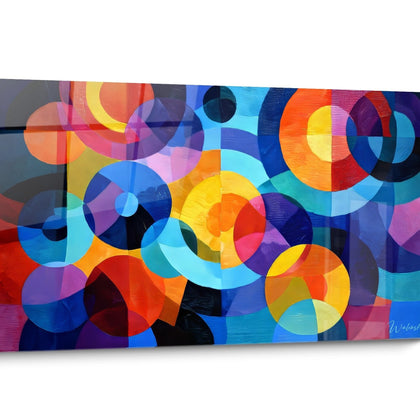 Orange Wall Art for Apartment24
artworks
Orange Wall Art for Apartment24
artworks
-
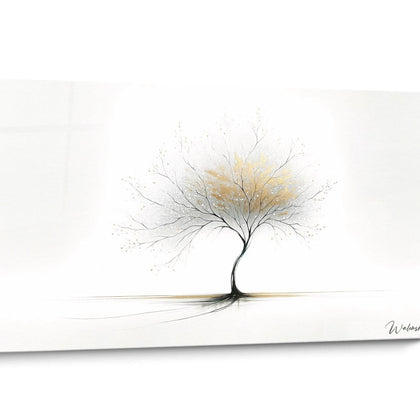 Minimalist Apartment Wall Art12
artworks
Minimalist Apartment Wall Art12
artworks
-
 Music Wall Art for Apartment11
artworks
Music Wall Art for Apartment11
artworks
-
 Wall Art for Apartment Tree9
artworks
Wall Art for Apartment Tree9
artworks
-
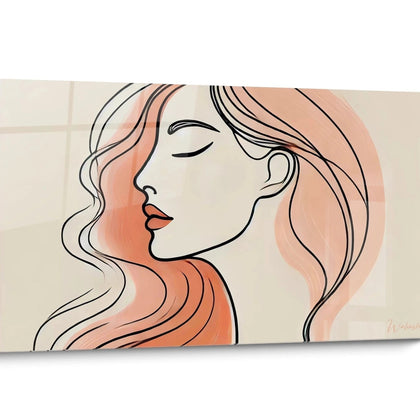 Portrait Wall Art for Apartment9
artworks
Portrait Wall Art for Apartment9
artworks
-
 Fluid Apartment Wall Art12
artworks
Fluid Apartment Wall Art12
artworks
-
 Futuristic Apartment Wall Art7
artworks
Futuristic Apartment Wall Art7
artworks
-
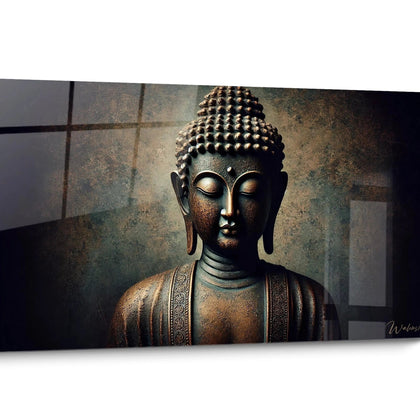 Buddha Wall Art for Apartment6
artworks
Buddha Wall Art for Apartment6
artworks
-
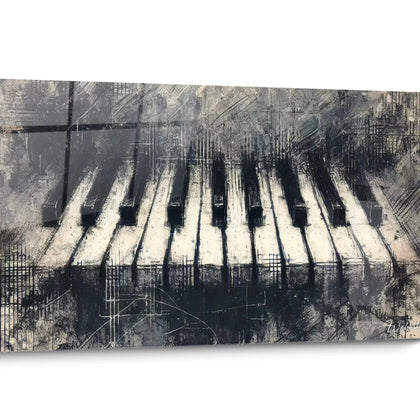 Black and White Wall Art for Apartment5
artworks
Black and White Wall Art for Apartment5
artworks
-
 Floral Wall Art for Apartment4
artworks
Floral Wall Art for Apartment4
artworks


All about Red Wall Art for Apartment
- Red Wall Art Presentation
- Red Visual Impact
- Color Psychology
- Urban Interior Design
A red apartment wall art piece radically transforms the atmosphere of a contemporary urban space by creating a dynamic focal point that instantly captures attention. This bold chromatic statement establishes itself as the dominant architectural element in modern city interiors, where every square meter counts and visual impact must compensate for sometimes limited surfaces. Apartment owners specifically seek this pigment intensity to infuse palpable energy into standardized volumes that often lack distinctive character. Acquiring a monumental red piece addresses a precise need for decorative affirmation in environments where neutrality traditionally dominates the chromatic palettes imposed by real estate developers.
Red Chromatic Architecture in Vertical Housing
The red apartment wall art fundamentally redefines the perceived proportions of urban residential space through its unique ability to advance visually toward the observer. This optical property of the red spectrum creates controlled spatial compression that symbolically brings walls closer in large loft volumes while simultaneously intensifying decorative presence in compact studios. Contemporary building residents strategically exploit this chromatic advancement to create focal zones in open-plan spaces where traditional partitions have disappeared.
How does red modify the volumetric perception of an apartment?
Installing a monumental red wall art piece in an apartment living room generates visual polarity that completely reorganizes how the eye circulates through domestic space. The large dimensions characteristic of these works impose immediate decorative hierarchy that subordinates all other furnishing and architectural elements to their dominant presence. This visual stratification proves particularly effective in through apartments where variable natural light interacts differently with red pigments throughout the day, creating fluctuating ambiances from deep carmine to brilliant vermillion.
Optical Vibration in Multifunctional Spaces
Contemporary apartments demand decorative solutions that maintain visual impact despite functional overlap of living-office-dining zones. A large-scale red wall art piece preserves its assertive presence even in these complex configurations where attention is constantly solicited by competing activities. For those seeking a tonal alternative, an abstract apartment wall art offers geometric compositions that engage differently with architectural space.
Which red formats suit urban residential constraints?
Extra-wide dimensions function remarkably in Haussmann apartments with their generous ceiling heights, where a 180 cm horizontal format fully exploits the width of wall sections between windows. Conversely, slender vertical configurations adapt to narrow spaces typical of industrial conversions, creating visual elevation that compensates for lateral compression. The optimal dimensional ratio for a red apartment wall art piece in a standard 25m² living room generally sits around 140-160 cm in width, establishing substantial presence without visually saturating available space.
The Emotional Temperature of Residential Red
Integrating a red apartment wall art piece into a domestic environment triggers measurable psychophysiological responses that directly influence occupant and visitor behavior. This specific chromatic wavelength stimulates neurotransmitter production associated with alertness and social engagement, transforming a neutral living room into a dynamic conversational space conducive to animated interaction. Urban property owners consciously select this emotional activation to counterbalance the passivity induced by long sedentary professional days.
Red as Ambiance Regulator in Dense Habitats
In collective buildings where acoustic privacy remains limited, the strong visual presence of saturated red creates a psychological bubble that reinforces personal territory feeling. This chromatic delimitation functions as powerful identity marker, particularly valued in residences where external architectural uniformity contrasts with the need for internal individual expression. Large-scale red panoramic pieces establish immediately recognizable decorative signature that radically differentiates one interior from its structurally identical neighbors.
Why does red intensify conviviality in reception spaces?
Environmental psychology research demonstrates that red tones slightly accelerate occupant heart rate, creating subtle stimulation state that facilitates spontaneous social exchange. A monumental red wall art piece in an apartment dining room mechanically transforms ordinary meals into more memorable occasions through this imperceptible yet constant physiological activation. This stimulating property explains why commercial spaces traditionally privileged red, a principle now transposed into private residences to energize domestic social life.
Chromatic Management of Day-Night Transitions
The perception evolution of a red apartment wall art piece follows a distinct luminous cycle in urban environments where artificial lighting dominates. Under morning natural light, scarlet nuances reveal their warming orange components, while cold LED nighttime lighting intensifies more contemplative burgundy undertones. This daily chromatic metamorphosis essentially offers two distinct artworks in a single acquisition, maximizing decorative value within furnishing budgets often constrained by high urban property acquisition costs.
Red Integration Strategies in Modern Residential Architecture
The strategic deployment of a red apartment wall art piece requires precise understanding of interactions between intense pigmentation and typical contemporary construction materiality. The reflective surfaces proliferating in modern apartments – glass, brushed steel, polished resins – create chromatic echoes that multiply red presence well beyond its original physical surface. This amplification through light reverberation must be anticipated during positioning to avoid unintentional visual saturation or, conversely, to intentionally maximize immersive impact.
Which wall should be prioritized to maximize red wall art impact?
In dual-orientation through apartments, the wall perpendicular to main windows offers optimal positioning for large-dimension red wall art, benefiting from lateral lighting that sculpts material relief without creating annoying direct reflections. This configuration also avoids backlighting that would flatten red tonal subtleties into dark silhouette. Multi-exposure corner apartments allow seasonal placement rotation to follow annual sunlight variations, a strategy particularly relevant for collectors owning multiple major pieces.
Chromatic Balancing in Urban Neutral Palettes
The dominant trend toward gray-white monochrome interiors in new real estate creates ideal context for introducing a single monumental red element that spectacularly breaks this chromatic restraint. This single focal point strategy concentrates all expressive budget on one powerful statement rather than dispersing impact across multiple minor decorative accents. Interior designers specializing in compact spaces systematically recommend this chromatic singularity approach for surfaces under 50m² where multiplication of visual stimuli generates confusion rather than interest.
How to coordinate red with fixed architectural finishes?
Immovable elements typical of apartments – radiators, door frames, visible electrical installations – must be integrated into overall planning when installing a dominant red apartment wall art piece. Red-brick tones naturally harmonize with medium oak woodwork frequent in 1970s-80s construction, while pure brilliant reds create dynamic contrasts with standardized white joinery in recent programs. This consideration of preexisting architectural constraints differentiates thoughtful acquisition for a specific space from impulse buying unsuited to structural dwelling characteristics.
Does a red apartment wall art piece suit small surfaces?
Contrary to intuition, a monumental red format functions remarkably in studios and one-bedroom apartments by creating illusory depth that visually compensates for actual spatial limitation. The key lies in treating red as architectural element rather than accessory, transforming an entire wall into expressive surface that perceptually erases its physical boundaries.
Which red intensity to choose according to apartment light exposure?
North exposures benefit from intense saturated reds that compensate for cool natural luminosity, while south orientations allow more nuanced burgundy tones that prevent oversaturation under abundant direct light. Apartments with overhead skylight traversing require evaluation at different times before final chromatic register selection.
How does a red wall art piece evolve in an apartment over several years?
Contemporary museum-quality red pigments remarkably resist light degradation in residential environments where UV exposure remains moderate compared to commercial glazed spaces. The actual evolution concerns rather the occupants' perception who develop deeper visual relationship with the artwork, progressively discovering nuances initially imperceptible upon initial acquisition.
Further reading
Our articles on this topic
- Red painting for a white wall hallway: mistakes to avoid and how to stage it well
- Why Interior Designers Favor Red Abstract Art to Energize a Space?
- Exposed brick loft: should you contrast or harmonise your paintings with the red?
- Why Does a Red Abstract Wall Art Naturally Attract the Eye?
- Large red camellia painting: which size to choose for a contemporary living room
- Living room decor ideas for apartments: 30 inspirations to transform your space
L'art qui suscite l'envie
Maison belge d'art mural grand format
14 jourspour changer d'avis*
Protection Walenskyincluse
Fabriquéen Italie
FormatXXL
Kit de fixationtoujours fourni
* Hors tableaux personnalisés et tailles personnalisées


