


Portrait Wall Art for Apartment
Our Painting for Apartment Portrait collection transforms your interior with refinement. These artistic creations capture the essence of contemporary and classic portraiture, perfect for personalizing your living spaces. Each work in our portrait wall art for apartment range brings depth and character to your decor. Explore sophisticated compositions that enhance bedrooms, living rooms and hallways. Our decorative portrait paintings for interior adapt to all styles.
 Vintage Brilliance Canvas - Abstract Pop Art Edition273,90 €
 Inner Bloom Wall Art - Abstract Face Edition273,90 €
 Sunlit Glow Artwork - Abstract Face Edition273,90 €
 Two Faces Wall Art - Abstract Surrealism Edition273,90 €
 Soul Radiance Canvas - Contemporary Abstract Painting Edition273,90 €
 Between Two Worlds Wall Art - Figurative Abstract Edition273,90 €
 Woman with Sunflowers Painting - Abstract Fauvism Edition273,90 €
 Touch of Darkness Artwork - Abstract Face Edition273,90 €
 Linear Softness Painting - Abstract Face Edition273,90 €
Explore further
In Portrait Wall Art for Apartment
-
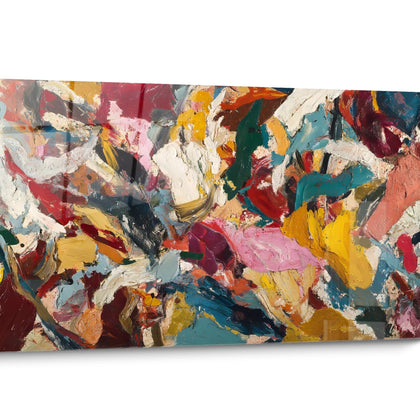 Wall art for apartment899
artworks
Wall art for apartment899
artworks
-
 Abstract Wall Art for Apartment24
artworks
Abstract Wall Art for Apartment24
artworks
-
 Geometric Wall Art for Apartment24
artworks
Geometric Wall Art for Apartment24
artworks
-
 Colorful Apartment Wall Art24
artworks
Colorful Apartment Wall Art24
artworks
-
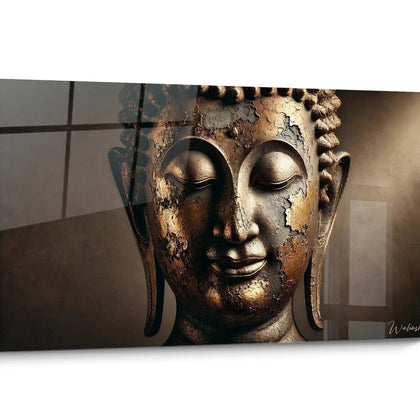 Golden Wall Art for Apartment24
artworks
Golden Wall Art for Apartment24
artworks
-
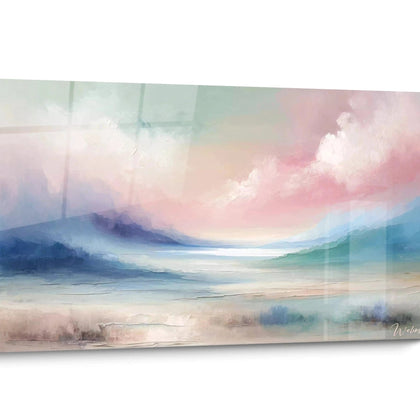 Wall Art for Zen Apartment24
artworks
Wall Art for Zen Apartment24
artworks
-
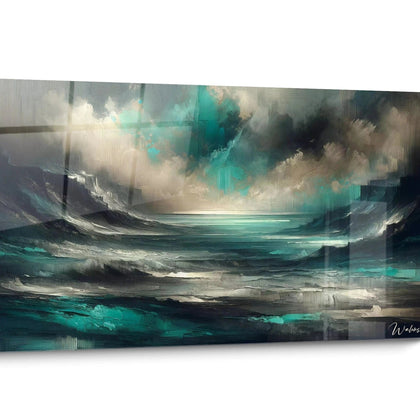 Expressionist Wall Art for Apartments16
artworks
Expressionist Wall Art for Apartments16
artworks
-
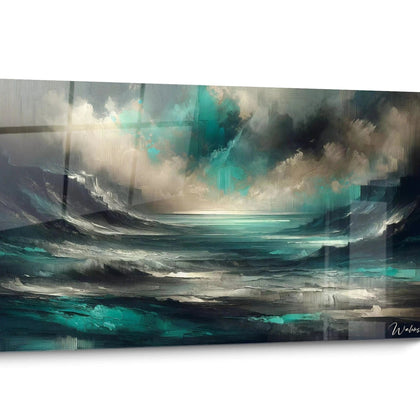 Blue Apartment Wall Art24
artworks
Blue Apartment Wall Art24
artworks
-
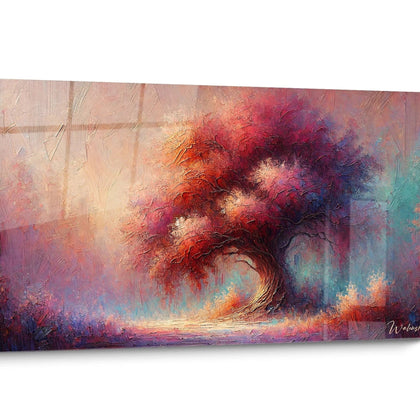 Red Wall Art for Apartment24
artworks
Red Wall Art for Apartment24
artworks
-
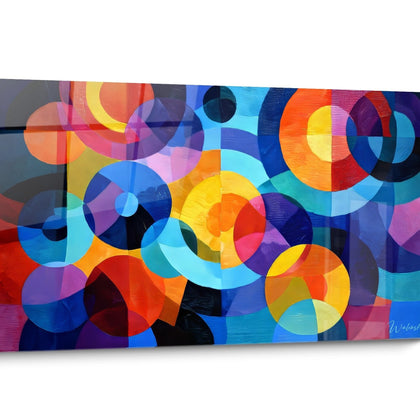 Orange Wall Art for Apartment24
artworks
Orange Wall Art for Apartment24
artworks
-
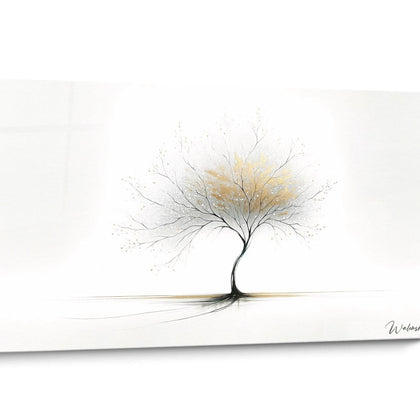 Minimalist Apartment Wall Art12
artworks
Minimalist Apartment Wall Art12
artworks
-
 Music Wall Art for Apartment11
artworks
Music Wall Art for Apartment11
artworks
-
 Wall Art for Apartment Tree9
artworks
Wall Art for Apartment Tree9
artworks
-
 Fluid Apartment Wall Art12
artworks
Fluid Apartment Wall Art12
artworks
-
 Futuristic Apartment Wall Art7
artworks
Futuristic Apartment Wall Art7
artworks
-
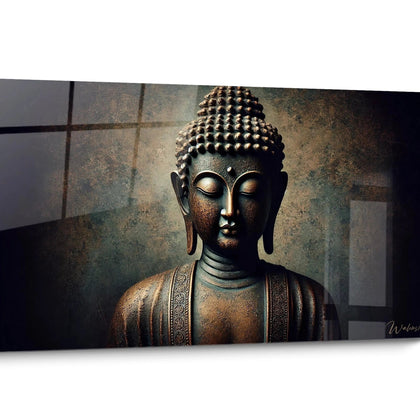 Buddha Wall Art for Apartment6
artworks
Buddha Wall Art for Apartment6
artworks
-
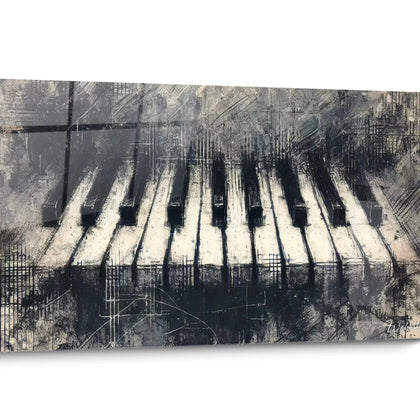 Black and White Wall Art for Apartment5
artworks
Black and White Wall Art for Apartment5
artworks
-
 Floral Wall Art for Apartment4
artworks
Floral Wall Art for Apartment4
artworks


All about Portrait Wall Art for Apartment
- Portrait Painting Presentation Apartment
- Vertical Format and Spaces
- Portrait Wall Compositions
- Selection and Atmospheres
Discover our collection of portrait painting for apartments, specially designed to enhance your living spaces by exploiting the natural verticality of walls. This elongated format proves ideal for apartments where every centimeter counts, transforming narrow wall surfaces into genuine decorative focal points. Whether you're furnishing a hallway, a wall section between two openings, or a vertical zone above furniture, these large-scale artworks immediately capture the eye and structure your home's interior architecture.
Vertical Art for Optimizing Limited Wall Surfaces
Contemporary apartments often present configurations where available wall width proves limited, particularly in circulation areas, near door frames, or between windows. A portrait painting for apartments directly addresses this architectural constraint by exploiting height rather than width, creating an impression of elevation that visually enlarges rooms with standard ceilings. This vertical orientation proves particularly strategic for narrow entrances where a horizontal format would wastefully monopolize passage space.
How does portrait format restructure transition zones?
In apartment hallways and entryways, portrait paintings transform these transitional zones into worthy private galleries. The eye naturally follows the vertical composition from bottom to top, instinctively slowing passage and conferring a contemplative dimension to these functional spaces. For Haussmann-style apartments with high moldings, a large portrait format establishes an architectural dialogue with cornices, emphasizing the generosity of ceiling heights while compensating for the relative narrowness of certain walls.
Intelligently exploit vertical dead spaces with decorative value
Vertical dead spaces—these restricted areas flanking a bookcase, closet, or defining a corner—find optimal enhancement with large-scale portrait paintings. Unlike horizontal formats requiring significant lateral clearance, these vertical artworks fit perfectly within widths of 60 to 80 cm while developing striking visual presence through their imposing height. This configuration also allows harmonizing proportions in studios and small spaces where tall furniture—wardrobes, wall-mounted shelving—already dominates the area.
Portrait compositions facing installation constraints
Installing a portrait painting for apartments requires particular attention to center of gravity, especially for large dimensions presenting weight concentrated on a reduced hanging area. Fastening systems must adapt to apartment wall types—drywall, brick, concrete—with anchors and hooks sized to support vertical load. Distance to ceiling also plays a determining role in visual balance: 15 to 25 cm between the frame's top and ceiling prevents a crushing effect while preserving proportion harmony.
Vertical Wall Compositions and Strategic Arrangements
Positioning a portrait painting for apartments opens sophisticated arrangement possibilities, particularly in multi-artwork configurations. An emerging trend involves creating stacked vertical sequences where two or three portrait paintings in decreasing sizes overlap to form a dynamic visual column, ideal for narrow wall sections flanking a fireplace or defining an alcove. This verticalized approach concentrates attention on a precise wall band while freeing adjacent spaces for other decorative functions.
Which associations work with apartment tall furniture?
In partitioned living spaces typical of apartments, vertical storage furniture—bookshelves, storage columns, open wardrobes—often form the arrangement framework. A large portrait painting positioned as a counterpoint to these functional elements creates aesthetic balance by responding to their verticality with artistic dimension. This formal symmetry visually calms the eye while avoiding monotony: where furniture presents repetitive horizontal lines (shelves), portrait paintings offer a fluid ascending composition.
Rhythmic sequences in apartment enfilade layouts
Traversing or enfilade apartments particularly benefit from decorative rhythm established by portrait paintings placed at regular intervals along the circulation axis. This cadenced repetition of vertical format naturally guides movement while creating visual coherence between different rooms. For maximum effect, favor alternation between portrait formats and neutral wall spaces rather than continuous saturation, allowing each artwork to breathe and assert its singularity.
Horizontal counterpoints and compositional balance
Paradoxically, a portrait painting for apartments gains effectiveness when opposing pronounced horizontal elements: low sofas, extended consoles, panoramic bed heads. This constructive tension between perpendicular axes structures space and avoids directional uniformity. In a bedroom where furniture extends horizontally, a large portrait above a dresser or on the side wall introduces verticality that elevates the room and visually compensates for the bed's horizontal mass. To harmoniously integrate more expressive aesthetics, explore our selection of abstract apartment paintings offering bold vertical compositions.
Select the Portrait Painting Suited to Your Apartment Configuration
Choosing a portrait painting for apartments demands precise analysis of spatial characteristics specific to your home. Apartments with lateral luminosity—windows on a single wall—particularly benefit from portrait formats positioned perpendicular to the light source, creating shadows and relief plays that reveal textures and chromatic nuances throughout the day. This orientation also optimizes visual perception by avoiding direct reflections that often affect artworks facing openings.
Adapt portrait dimensions to ceiling heights
For apartments with standard ceilings (2.40 to 2.50 m), portrait paintings of 120 to 160 cm height establish imposing presence without creating a crushing effect, provided sufficient breathing margin is respected at top and bottom. In Haussmann-style or older homes enjoying generous ceiling heights (2.80 m and above), vertical formats can reach 180 to 200 cm, fully exploiting this exceptional architectural verticality to create spectacular focal points that enhance built heritage.
Which visual themes to favor for vertical format?
Certain compositions naturally lend themselves to portrait orientation due to their ascending narrative structure or vertical visual organization. Urban architectural representations, vertical perspective scenes, elongated botanical compositions, or abstractions with vertical development fully benefit from this format to guide the eye in a contemplative journey from bottom to top. This upward dynamic imparts particular energy to living spaces, particularly in home office areas where it stimulates concentration and intellectual elevation.
Acquisition criteria for lasting decorative investment
Acquiring a large portrait painting for an apartment constitutes a medium-term decorative commitment anticipating potential arrangement changes. Favor chromatic compositions sufficiently versatile to traverse multiple redecorating cycles while asserting distinctive visual identity. Professional-quality finishes guarantee aesthetic longevity against apartment environmental conditions—heating thermal variations, bathroom humidity—preserving the decorative investment over time.
Does a portrait painting for apartments suit sloped ceiling spaces?
In attic apartments, portrait format remarkably adapts to vertical walls between floor and slope beginning, exploiting wall surfaces often overlooked. Position the artwork on the vertical section respecting visual gravity axis to compensate for surrounding inclination and create a stabilizing anchor point in these atypical geometries.
How to integrate a large portrait painting in a rented furnished apartment?
Non-drilling fastening systems—reinforced adhesive rails, adjustable pressure hooks—enable installing portrait paintings even in large dimensions without altering walls, meeting rental lease constraints. Nevertheless verify specific load capacity for your wall covering type and favor weight distribution across multiple fixation points for formats exceeding 150 cm height.
What minimum viewing distance should be planned to appreciate a large apartment portrait painting?
For optimal perception of a portrait painting for apartments measuring 140 to 180 cm height, a viewing distance of 2 to 3 meters allows embracing the entire composition without excessive eye movement. In restricted spaces, this constraint naturally orients placement toward walls facing circulation or extended rest areas—wall opposite the sofa, hallway background—guaranteeing comfortable artwork appreciation.
Further reading


