


Fluid Apartment Wall Art
Our Painting for Apartment Fluid collection enhances your interior with organic and moving compositions. These artistic creations with fluid and soothing shapes bring a touch of modern sophistication to your living space. Perfect for creating a serene atmosphere, these works capture light and movement with contemporary abstract motifs that transform each room. Ideal for the living room, bedroom or office, they create a harmonious and refined atmosphere.
 Echoes of Ancient Rocks Wall Art - Abstract Edition273,90 €
 Warm Currents Orange Painting - Textured Abstract Edition242,90 €
 Silky Blooming Wall Art - Modern Abstract Edition273,90 €
 Stellar Current Canvas - Modern Abstract Edition228,90 €
 Emerald Currents Canvas - Modern Abstract Edition228,90 €
 Serpentine Energy Orange Painting - Modern Abstract Edition242,90 €
 Golden Crest and Foam Painting - Abstract Edition273,90 €
 Colorful Currents Wall Art - Abstract Edition273,90 €
 Wall Art In the Whirlwind of Life - Abstract Acrylic Edition273,90 €
 Golden Crests Artwork - Abstract Edition273,90 €
 Marbled Radiance Canvas - Abstract Edition273,90 €
 Golden Splendor on Silk Abstract Wall Art - Premium Edition273,90 €
Explore further
In Fluid Apartment Wall Art
-
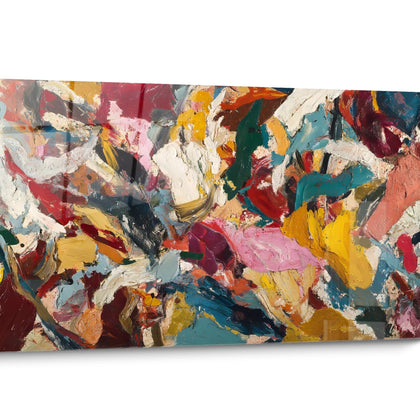 Wall art for apartment899
artworks
Wall art for apartment899
artworks
-
 Abstract Wall Art for Apartment24
artworks
Abstract Wall Art for Apartment24
artworks
-
 Geometric Wall Art for Apartment24
artworks
Geometric Wall Art for Apartment24
artworks
-
 Colorful Apartment Wall Art24
artworks
Colorful Apartment Wall Art24
artworks
-
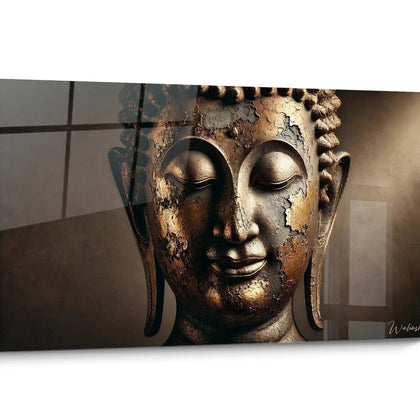 Golden Wall Art for Apartment24
artworks
Golden Wall Art for Apartment24
artworks
-
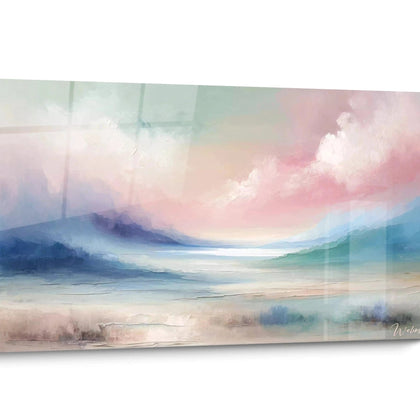 Wall Art for Zen Apartment24
artworks
Wall Art for Zen Apartment24
artworks
-
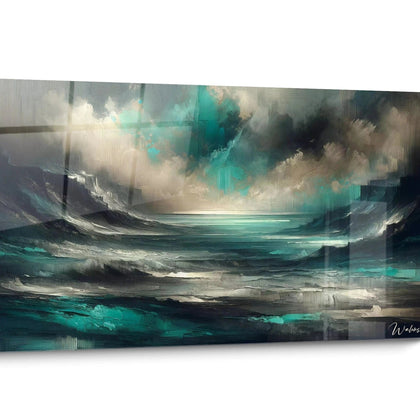 Expressionist Wall Art for Apartments16
artworks
Expressionist Wall Art for Apartments16
artworks
-
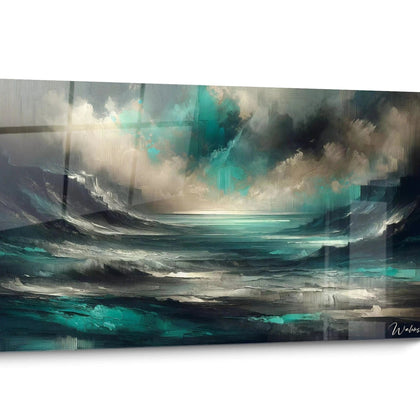 Blue Apartment Wall Art24
artworks
Blue Apartment Wall Art24
artworks
-
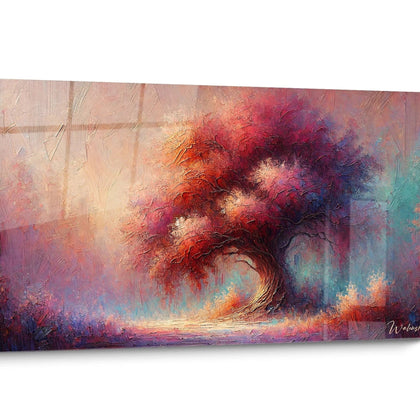 Red Wall Art for Apartment24
artworks
Red Wall Art for Apartment24
artworks
-
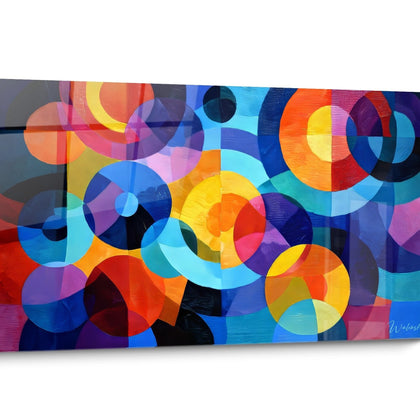 Orange Wall Art for Apartment24
artworks
Orange Wall Art for Apartment24
artworks
-
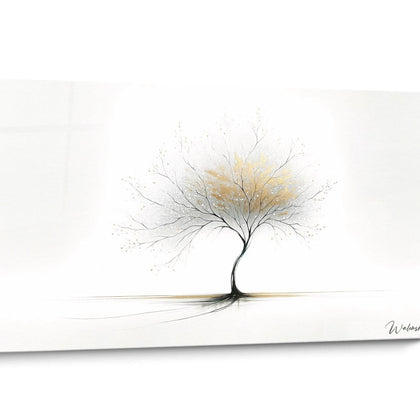 Minimalist Apartment Wall Art12
artworks
Minimalist Apartment Wall Art12
artworks
-
 Music Wall Art for Apartment11
artworks
Music Wall Art for Apartment11
artworks
-
 Wall Art for Apartment Tree9
artworks
Wall Art for Apartment Tree9
artworks
-
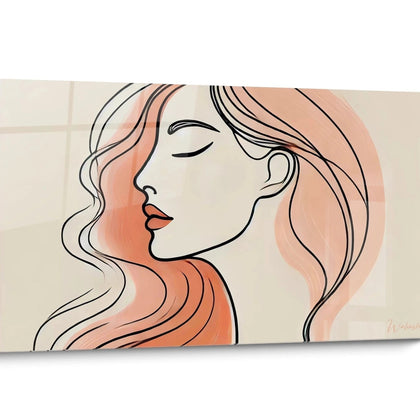 Portrait Wall Art for Apartment9
artworks
Portrait Wall Art for Apartment9
artworks
-
 Futuristic Apartment Wall Art7
artworks
Futuristic Apartment Wall Art7
artworks
-
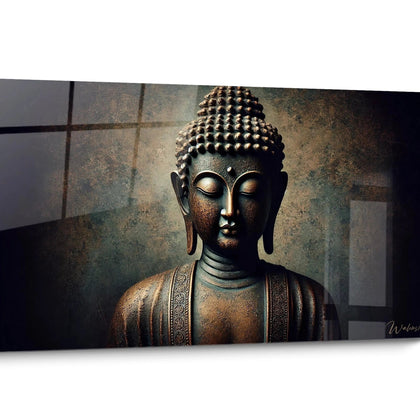 Buddha Wall Art for Apartment6
artworks
Buddha Wall Art for Apartment6
artworks
-
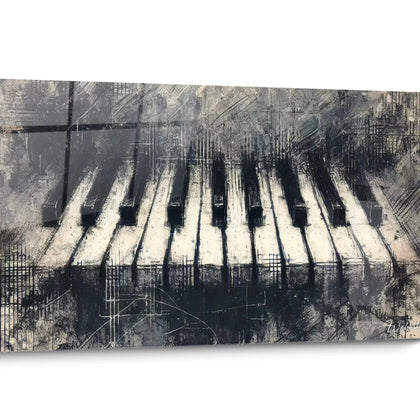 Black and White Wall Art for Apartment5
artworks
Black and White Wall Art for Apartment5
artworks
-
 Floral Wall Art for Apartment4
artworks
Floral Wall Art for Apartment4
artworks


All about Fluid Apartment Wall Art
- Fluid Wall Art Presentation
- Compact Spaces and Traffic Flow
- Multi-Room Visual Cohesion
- Decorative Versatility
A fluid wall art piece for apartments radically transforms the spatial perception of contemporary urban spaces. This artistic category privileges compositions in perpetual movement, where undulating lines and progressive chromatic transitions create a soothing visual dynamic, particularly suited to the reduced wall surfaces of city dwellings. These large-format creations exploit the optical expansion effect generated by organic curves and harmonious gradients, allowing to attenuate the sensation of confinement typical of limited-surface accommodations. The absence of rigid geometric structure facilitates integration into constraining architectural configurations, while hues that blend into one another establish visual continuity between different partitioned living spaces.
Optimizing Daily Movement Trajectories
Installing a fluid wall art piece for apartments in passage zones fundamentally transforms residents' kinesthetic experience. Narrow corridors, often perceived as mere transitional spaces, become contemplative galleries when adorned with compositions featuring swirling movements that visually accompany physical displacement. This synchronization between bodily movement and pictorial dynamics creates sensory harmony particularly beneficial in enfilade apartments typical of Haussmann buildings or 1970s constructions.
How does fluid wall art modify the perception of transition spaces?
Longitudinal wall surfaces particularly benefit from fluid panoramic formats, where horizontal undulations artificially extend perspective. Compositions featuring successive chromatic waves generate a visual rhythm that diverts attention from the corridor's physical narrowness. For cramped apartment entrances, this decorative approach substitutes the impression of oppression with a sensation of fluid welcome, accommodating curves psychologically replacing architectural constraint.
Adaptation to multiple door openings
Walls fragmented by several door frames require specific decorative strategy. A large-dimension fluid wall art piece for apartments creates a unifying visual framework that transcends these structural interruptions. Soft chromatic transitions establish perceptual continuity despite the cutouts, while organic forms with no defined beginning or end naturally accommodate geometric interruptions. For those who also appreciate more structured compositions, exploring the universe of abstract wall art for apartments offers alternatives complementary to fluid aesthetics.
What visual density suits high-traffic circulation zones?
Frequently traversed spaces require balanced visual complexity. Overly charged compositions generate excessive stimulation unsuited to rapid movement, while minimalist works risk being overlooked. The optimal fluid wall art piece for these zones presents two to four major chromatic currents, sufficiently distinct to be appreciated during rapid passage, yet subtle enough not to create visual fatigue during repeated daily exposures.
Creating a Transversal Visual Language
In apartments where each room historically possessed its own distinct decorative identity, the fluid wall art piece for apartments now establishes coherent aesthetic signature throughout the dwelling. This contemporary approach responds to open floor plans that merge living room, dining area and kitchen, requiring unified decorative strategy rather than juxtaposition of partitioned styles. Fluid compositions serve as common chromatic vocabulary, their hues declining subtly from one space to another to create narrative progression throughout the accommodation.
What criteria for selecting a multi-space palette?
Chromatic selection of a fluid wall art piece intended to influence multiple zones requires identifying three to four hues present in at least two distinct rooms. These anchor colors, often drawn from existing textiles, furnishings or wall coverings, become protagonists of the fluid composition. Progressive transitions between these hues create visual bridges that naturally guide the eye from one space to another, while saturation variations allow adapting emotional intensity to each room's function.
Synchronization with variable lighting rhythms
Urban apartments frequently present considerable luminous disparities between differently oriented rooms. A large-dimension fluid wall art piece for apartments, visible from multiple zones, must compensate for these variations by integrating strategic tonal contrasts. Portions intended to be viewed from darker spaces incorporate luminous hues and shine effects, while sections visible from overexposed areas adopt richer chromatic depths that absorb excess natural light.
How to maintain visual interest without repetition?
Using multiple fluid wall art pieces in the same apartment risks monotony if strategy is not finely calibrated. The optimal approach consists of varying movement scales: a main room welcomes a composition with ample and majestic undulations, while adjacent spaces present tighter turbulence or linear flows. This rhythmic diversity maintains stylistic coherence while avoiding mechanical reproduction effect, each work offering a variation on the central fluid theme.
Adaptability to Residential Decorative Evolution
The remarkable decorative longevity of the fluid wall art piece for apartments stems from its capacity to accompany successive stylistic transformations inherent to apartment living. Unlike figurative or strictly geometric artworks that associate with specific aesthetic periods, fluid compositions possess formal neutrality that crosses decorative trends. This versatility represents judicious investment for urban residents who regularly renew their environment without replacing major artistic acquisitions.
What evolution potential for changing configurations?
Contemporary apartments frequently experience spatial reconfigurations: transforming an office into a child's bedroom, opening walls, modifying room functions. Large-format fluid wall art adapts remarkably to these mutations thanks to its lack of functional symbolism. A composition with oceanic nuances suits a rest space equally well as a work zone, while upward movements integrate indifferently in a living room or master bedroom, their interpretation varying according to installation context.
Coordination with seasonal chromatic trends
Apartment dwellers often modify their textile accessories seasonally, alternating between warm winter palettes and summer freshness. A well-selected fluid wall art piece for apartments contains sufficient chromatic complexity to dialogue with these cyclical variations. Multilayered compositions reveal different facets depending on surrounding elements: cool undertones emerge when associated with summer textiles, while underlying warm nuances activate visually in presence of autumn materials.
How does fluid wall art enhance future furniture acquisitions?
Purchasing new furniture presents a decorative challenge when wall art imposes rigid aesthetic direction. Fluid wall art pieces, through their transitional nature, rather create a welcoming framework for various furniture typologies. A sofa with contemporary clean lines or a vintage armchair with pronounced curves each find their resonance with different aspects of the fluid composition, organic movements establishing formal correspondences with various stylistic periods without ever entering direct conflict.
What advantages for temporary furnished rentals?
For apartments intended for seasonal rental or short-term leases, fluid wall art offers consensual decorative sophistication. Its non-figurative character avoids polarized reactions from temporary occupants, while its presence nonetheless affirms a valorizing aesthetic intention. Large dimensions create a memorable focal point that distinguishes the property in rental comparisons, without imposing overly marked decorative personality that might limit potential tenants' identification with the place.
Is fluid wall art suitable for apartments with low ceilings?
Absolutely, compositions with dominant horizontal movements and lateral undulations visually emphasize width rather than height, effectively compensating for vertical constraint. Undulations parallel to the floor create an impression of spatial expansion particularly beneficial in under-eave dwellings or compressed ground-level volumes.
How to maintain large fluid wall art for apartments?
Substantial surfaces require regular dusting with a dry microfiber cloth, in circular movements following the composition's curves. For urban environments exposed to atmospheric pollution, quarterly cleaning with a slightly dampened cloth preserves chromatic vibrancy without altering pictorial layers.
Can fluid wall art be installed in an apartment entrance without natural light?
Fluid compositions featuring marked tonal contrasts and luminous elements function remarkably well in artificially lit spaces. Directional lighting accentuates reliefs and surface transitions, creating visual dramatization that compensates for absence of natural light variations while dynamizing spatial welcome.
Further reading
Our articles on this topic
- Well-placed Artwork = Better Flow of Circulation
- Artwork in a transitional space (landing, hallway, waiting area)
- Painting and pedestrian path in a house
- What artwork for a room that serves as a living room and dining room?
- Create a seamless visual journey, piece by piece
- Avoid visual obstructions or harsh breaks with a painting


