


Wall Art for Apartment Tree
Our Painting for apartment Tree collection transforms your interior into a natural haven of peace. These botanical works capture the elegance of decorative trees for living room and bedrooms, bringing serenity and character to your living spaces. Each creation celebrates botanical beauty with refined artistic compositions. Perfect for nature wall decorations for apartment, this woodland universe enhances your walls while creating a zen and contemporary atmosphere. Explore this gallery inspired by the quiet strength of trees.
 Tree Watcher of the Mountains Wall Art - Tree of Life Edition273,90 €
 Night Tree Wall Art - Zen Life Tree Edition273,90 €
 Ancient Tree Wall Art - Life Tree Zen Edition273,90 €
 Fluid Golden Trees Abstract Painting - Abstract Edition273,90 €
 Stylized colorful tree painting - Mosaic of life - multicolor abstract edition273,90 €
 Tree Dance of the Seasons - Life Tree Edition Wall Art228,90 €
 Tree of Dreams Wall Art - Zen Tree of Life Edition273,90 €
 Eternal Tree of Life Wall Art - Zen Tree of Life Edition273,90 €
 Fire Tree Artwork - Abstract Colorful Edition273,90 €
Explore further
In Wall Art for Apartment Tree
-
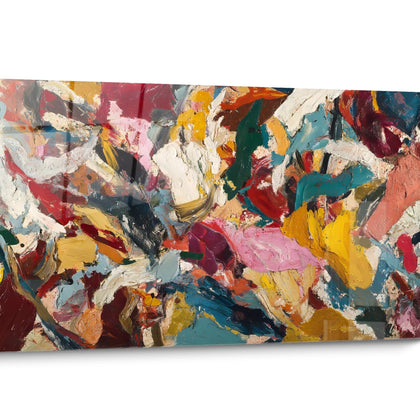 Wall art for apartment899
artworks
Wall art for apartment899
artworks
-
 Abstract Wall Art for Apartment24
artworks
Abstract Wall Art for Apartment24
artworks
-
 Geometric Wall Art for Apartment24
artworks
Geometric Wall Art for Apartment24
artworks
-
 Colorful Apartment Wall Art24
artworks
Colorful Apartment Wall Art24
artworks
-
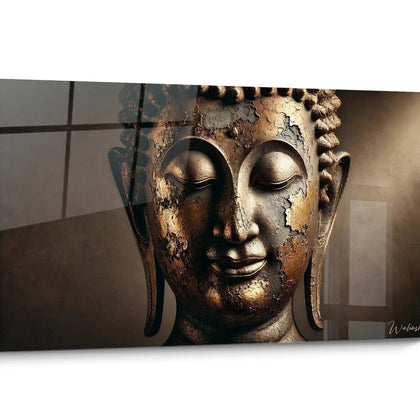 Golden Wall Art for Apartment24
artworks
Golden Wall Art for Apartment24
artworks
-
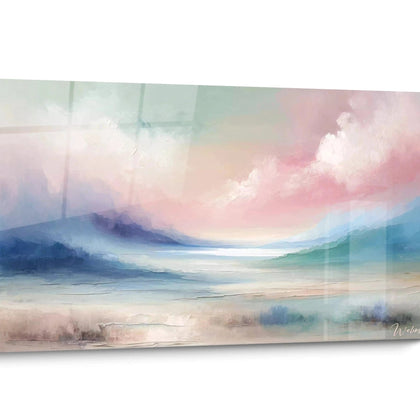 Wall Art for Zen Apartment24
artworks
Wall Art for Zen Apartment24
artworks
-
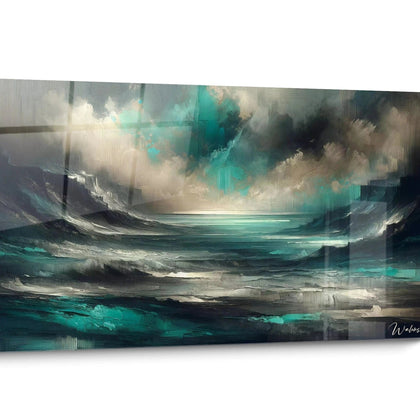 Expressionist Wall Art for Apartments16
artworks
Expressionist Wall Art for Apartments16
artworks
-
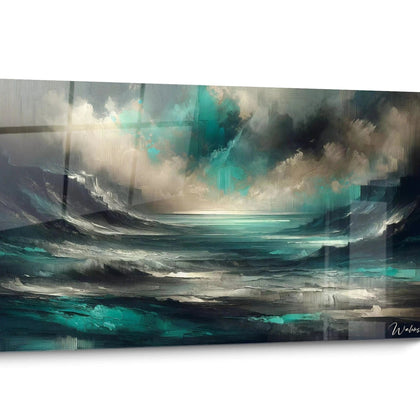 Blue Apartment Wall Art24
artworks
Blue Apartment Wall Art24
artworks
-
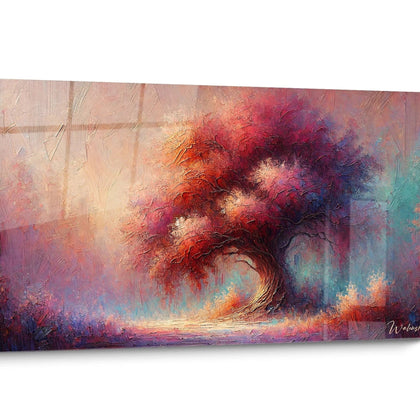 Red Wall Art for Apartment24
artworks
Red Wall Art for Apartment24
artworks
-
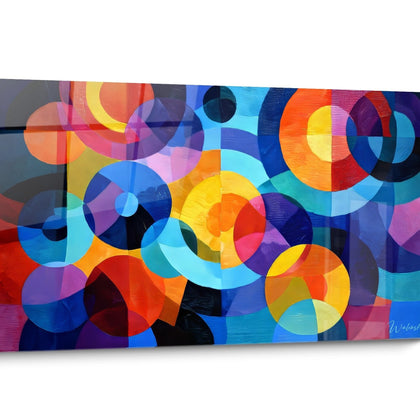 Orange Wall Art for Apartment24
artworks
Orange Wall Art for Apartment24
artworks
-
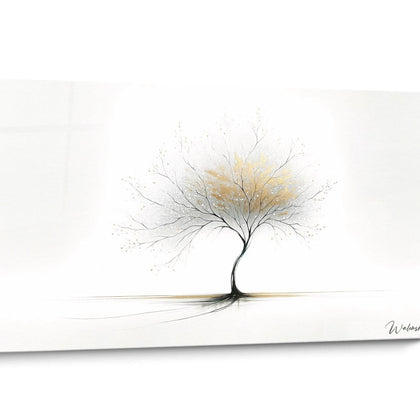 Minimalist Apartment Wall Art12
artworks
Minimalist Apartment Wall Art12
artworks
-
 Music Wall Art for Apartment11
artworks
Music Wall Art for Apartment11
artworks
-
 Portrait Wall Art for Apartment9
artworks
Portrait Wall Art for Apartment9
artworks
-
 Fluid Apartment Wall Art12
artworks
Fluid Apartment Wall Art12
artworks
-
 Futuristic Apartment Wall Art7
artworks
Futuristic Apartment Wall Art7
artworks
-
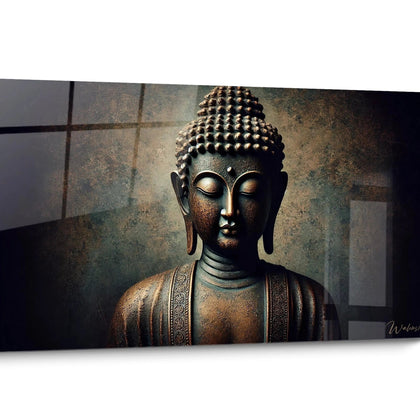 Buddha Wall Art for Apartment6
artworks
Buddha Wall Art for Apartment6
artworks
-
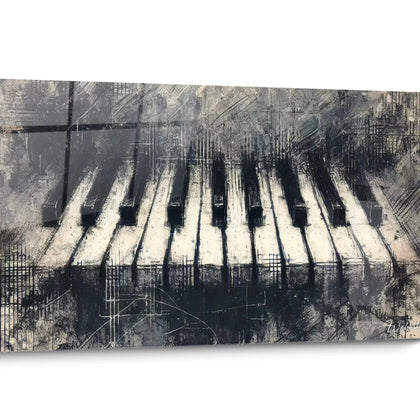 Black and White Wall Art for Apartment5
artworks
Black and White Wall Art for Apartment5
artworks
-
 Floral Wall Art for Apartment4
artworks
Floral Wall Art for Apartment4
artworks


All about Wall Art for Apartment Tree
- Presentation Painting Tree Apartment
- Transform Your Urban Space
- Natural Atmospheres Indoors
- Large Format Decorative Solutions
The painting for an apartment depicting a tree is much more than a simple decorative element: it embodies an aesthetic response to the growing need to reconnect with nature in urban environments. These large-scale vegetal representations instantly transform the ambiance of a city living space, creating a visual window onto soothing forest landscapes. Whether you are looking for a tree of life stylized, a majestic oak, or a graphic branch motif, these wall creations offer a decorative solution adapted to the spatial constraints of modern housing while maximizing visual impact.
Integrating Vertical Vegetation into Your Urban Home
Installing a painting for an apartment depicting a tree intelligently exploits the often underutilized height of walls in contemporary living spaces. Unlike horizontal formats, these vertical representations of slender conifers or centuries-old trunks naturally complement the architecture of living rooms, creating a sense of depth and elevation particularly valuable in reduced spaces.
Why choose a tree representation rather than a complete landscape?
Focusing on the tree as a unique subject allows for essential visual purification in interiors already cluttered with everyday objects. The complex branches of a Nordic birch or the majestic silhouette of a sequoia capture attention without saturating the perceptual space. This minimalist approach is particularly effective in studios or two-room apartments where each decorative element must justify its presence by its emotional impact and its ability to visually structure the space.
Creating Breathing Zones in Small Spaces
The monumental formats of these forest representations generate soothing focal points that counterbalance the visual agitation of urban environments. A 150 cm plane tree with autumnal hues installed facing the sofa becomes a daily invitation to contemplation, while a stylized Japanese cherry tree in the entrance immediately establishes a serene climate upon crossing the threshold. This decorative strategy transforms blank walls into imaginary windows onto wooded environments.
Decorative Associations with Living Plants
The interaction between the painting for an apartment depicting a tree and your indoor plants creates a sophisticated botanical continuity. A real monstera placed near a representation of a giant ficus amplifies the vegetal presence without excessive multiplication of pots. For those who also explore complementary aesthetics, geometric abstract compositions can dialogue with the organic forms of trees, creating a dynamic visual tension between mathematical rigor and natural spontaneity.
Which trees to prioritize according to the orientation of your room?
Leafy trees such as birch or maple are suitable for north-facing exposures lacking natural light, their light palette compensating for the lack of sunlight. Conversely, representations of dark conifers or Mediterranean olive trees enhance south-facing rooms by absorbing excess light while evoking coolness and shade. This chromatic consideration optimizes the overall lighting balance of your home.
Sensory Ambiances Generated by Tree Motifs
Each plant species depicted on a painting for apartment tree conveys distinct psychological associations that subtly influence the domestic atmosphere. The weeping willow evokes romantic melancholy and introspection, while the African baobab projects resilience and temporal anchoring. This symbolic dimension transcends simple decoration to touch upon collective archetypes linked to millennial plants.
How do bark textures influence spatial perception?
The rough bark details of a cork oak or the silvery striations of an eucalyptus bring a visual tactile depth that considerably enriches spaces with standard smooth finishes. These micro-variations in texture capture light differently according to the hours of the day, creating a subtle animation of wall surfaces. In an apartment with refined finishes, this organic complexity compensates for the uniformity of contemporary industrial materials.
Seasonal cycles and perceptual renewal
Opting for a representation of a tree with flamboyant autumnal colors allows you to visually anchor a favorite season in your daily life. A cherry blossom perpetuates the ephemeral Japanese spring, while a snow-covered pine maintains a winter freshness even during summer heatwaves. This temporal fixation offers a refreshing contrast with the incessant flow of urban changes visible from your windows.
What impact on the stress levels of inhabitants in dense urban environments?
Research in environmental psychology demonstrates that regular exposure to plant representations measurably reduces physiological markers of stress. An imposing sequoia in your living room acts as a visual anchor during moments of anxiety, the stability of its massive trunk contrasting with the instability felt. The outstretched branches of a hundred-year-old chestnut tree evoke protection and shelter, unconscious responses particularly valued in collective housing where privacy sometimes remains precarious.
Chromatic palette and emotional regulation
The deep greens of conifers induce calm and concentration, ideal for a home office or a room reserved for rest. The golden and ochre tones of a poplar in autumn stimulate conviviality and human warmth in reception areas. This strategic use of plant color allows for atmospheric modulation without structural work, simply by choosing the species represented on your painting for apartment tree.
Installation Strategies to Maximize Visual Impact
The placement of a large-scale painting for apartment tree requires spatial reflection beyond simple wall centering. Imposing formats from 180 to 200 cm work optimally when they create a deliberate asymmetry with the surrounding furniture, generating a visual dynamic that counteracts the static nature of conventional arrangements.
Exploiting variable ceiling heights
In Haussmann apartments with generous volumes, a vertical sequoia of monumental size advantageously emphasizes the height of the walls, creating a continuity between floor and moldings. Conversely, for the low ceilings of recent constructions, prioritize trees with horizontal development such as maritime pines shaped by the winds, whose lateral spread visually amplifies the width of the room rather than accentuating its vertical compression.
Which walls to select in an open plan?
Open-plan spaces particularly benefit from a large format piece positioned on the wall separating the sleeping area from the living area, creating a subtle visual demarcation without physical obstruction. This figurative vegetation signals the functional change while maintaining spatial fluidity. Alternatively, placing a majestic plane tree facing the main entrance immediately establishes the aesthetic identity of your home at first glance.
How to integrate existing architectural lighting?
Directional spotlights can be reoriented to graze the complex ramifications of an oak tree, accentuating visual reliefs and creating shadows that multiply the presence of vegetation. This low-light illumination transforms your wall into a nocturnal set design, revealing details imperceptible in diffused light. For apartments equipped with electrified rails, experiment with different lighting positions according to activities and times of the day.
Seasonal rotation and decorative renewal
Although large in size, these murals can be alternated with other representations according to your desires for atmospheric evolution. Switching from a spring cherry tree to an autumn maple and then to a winter pine symbolically accompanies the annual cycle, creating decorative variability without furniture investment. This approach is particularly suitable for personalities seeking regular aesthetic renewal without accumulating objects.
Frequently Asked Questions
Is a tree mural suitable for spaces of less than 30m²?
Absolutely, large formats paradoxically create a sense of spaciousness in small spaces by absorbing the gaze towards a unique focal point rather than dispersing it on multiple small elements. A vertical format of 160 cm exploits the available height without encroaching on floor circulation.
Which tree species to choose for a bedroom that promotes sleep?
Opt for representations of beech or fir trees with soothing green-grey tones, whose regular structures induce mental calm. Avoid twisted trees or those with too contrasting colors that maintain visual stimulation incompatible with falling asleep.
How to maintain the visual clarity of a tree mural over time?
Position your artwork away from direct sources of water vapor such as radiators or open kitchens to preserve color intensity. Monthly dusting with a microfiber cloth is sufficient to maintain the sharpness of foliage and bark details for years.
Further reading
Our articles on this topic
- Why are botanical prints trending in contemporary bedrooms?
- Create an urban jungle atmosphere with designer botanical artworks
- Do paintings depicting forests or trees bring a connection with nature?
- Nature bohemian living room: playing with raw materials and the tree painting
- Calming nature painting for the common lounge wall in a senior residence
- “Breathing” Artwork: Simple Lines, Light Backgrounds, Airy Formats
L'art qui suscite l'envie
Maison belge d'art mural grand format
14 jourspour changer d'avis*
Protection Walenskyincluse
Fabriquéen Italie
FormatXXL
Kit de fixationtoujours fourni
* Hors tableaux personnalisés et tailles personnalisées


