


Black and White Wall Art for Apartment
Our Painting for Apartment Black and White collection transforms your living space into a refined art gallery. These timeless creations play on contrasts to create a minimalist and sophisticated atmosphere. Perfect for enhancing living rooms, bedrooms, and contemporary spaces, these monochrome paintings for interior decoration bring a touch of pure elegance. The combination of black and white creates a minimalist wall decoration for apartment that transcends trends and adapts to all interior styles.
 Treble Clef Painting No. 1 - Abstract Music Edition233,90 €
 Clarinet Painting N°2 - Abstract Music Edition233,90 €
 Urban Mists Canvas - Black and White Abstract Edition233,90 €
 Torn Chords Painting - Abstract Music Edition233,90 €
 Keys of Silence Wall Art - Abstract Music Edition233,90 €
Explore further
In Black and White Wall Art for Apartment
-
 Wall art for apartment899
artworks
Wall art for apartment899
artworks
-
 Abstract Wall Art for Apartment24
artworks
Abstract Wall Art for Apartment24
artworks
-
 Geometric Wall Art for Apartment24
artworks
Geometric Wall Art for Apartment24
artworks
-
 Colorful Apartment Wall Art24
artworks
Colorful Apartment Wall Art24
artworks
-
 Golden Wall Art for Apartment24
artworks
Golden Wall Art for Apartment24
artworks
-
 Wall Art for Zen Apartment24
artworks
Wall Art for Zen Apartment24
artworks
-
 Expressionist Wall Art for Apartments16
artworks
Expressionist Wall Art for Apartments16
artworks
-
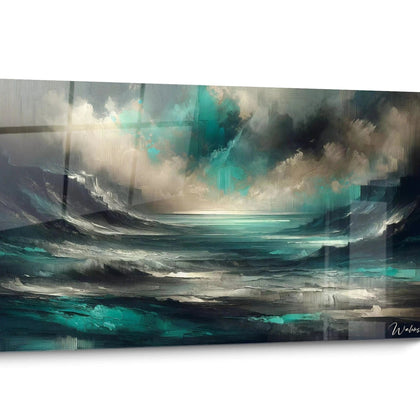 Blue Apartment Wall Art24
artworks
Blue Apartment Wall Art24
artworks
-
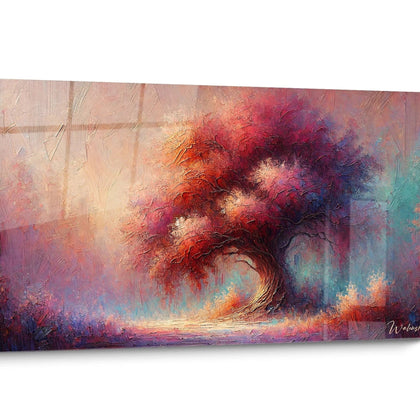 Red Wall Art for Apartment24
artworks
Red Wall Art for Apartment24
artworks
-
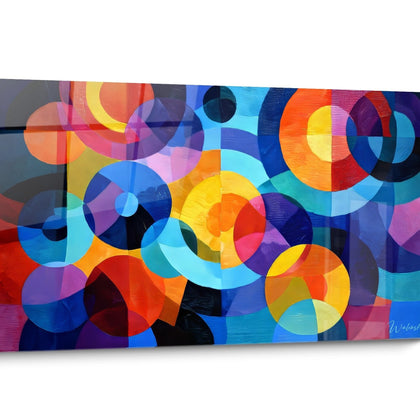 Orange Wall Art for Apartment24
artworks
Orange Wall Art for Apartment24
artworks
-
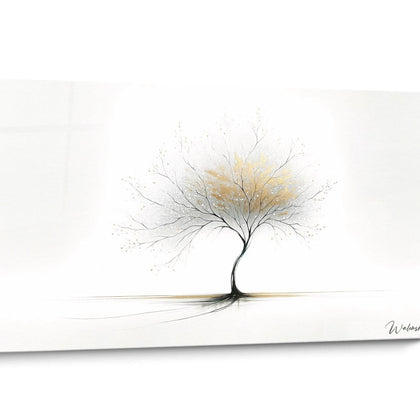 Minimalist Apartment Wall Art12
artworks
Minimalist Apartment Wall Art12
artworks
-
 Music Wall Art for Apartment11
artworks
Music Wall Art for Apartment11
artworks
-
 Wall Art for Apartment Tree9
artworks
Wall Art for Apartment Tree9
artworks
-
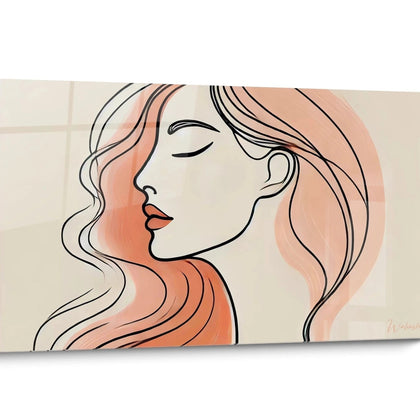 Portrait Wall Art for Apartment9
artworks
Portrait Wall Art for Apartment9
artworks
-
 Fluid Apartment Wall Art12
artworks
Fluid Apartment Wall Art12
artworks
-
 Futuristic Apartment Wall Art7
artworks
Futuristic Apartment Wall Art7
artworks
-
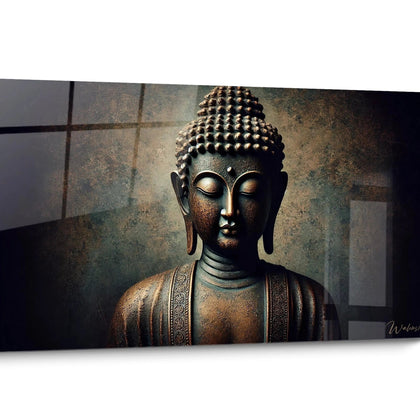 Buddha Wall Art for Apartment6
artworks
Buddha Wall Art for Apartment6
artworks
-
 Floral Wall Art for Apartment4
artworks
Floral Wall Art for Apartment4
artworks


All about Black and White Wall Art for Apartment
- Black and White Wall Art Presentation
- Create Graphic Impact
- Balance Compact Spaces
- Interior Visual Architecture
A black and white wall art for apartments transcends ephemeral trends to embody a timeless aesthetic approach. This monochrome palette structures modern urban spaces while amplifying the volumetric perception of living areas. Powerful graphic contrasts reveal interior architecture and transform each wall into an architectural focal point. This binary color choice stands as the preferred solution for contemporary spaces where every decorative element must justify its presence through immediate visual impact.
Maximize Visual Presence in Compact Environments
The effectiveness of a black and white wall art for apartments rests on its capacity to generate dynamic visual tension without cluttering the perceptual environment. In urban spaces where every square meter counts, this binary chromatic approach concentrates attention without dispersing the gaze. Large monochrome formats create essential wall breathing, transforming vertical surfaces into spatial extensions rather than simple decorative supports.
How does monochrome contrast amplify restricted volumes?
The interplay of opposition between dark areas and luminous surfaces generates illusory depth that visually pushes back physical boundaries. A large-scale black and white painting installed in a compact living room functions as a graphic window, opening perspective where architecture imposes constraints. This perceptual manipulation proves particularly effective in elongated configurations where the absence of color prevents visual saturation.
Adapt graphic motifs to architectural proportions
Abstract black and white compositions offer unique structural flexibility to dialogue with urban architectural specificities. A black and white abstract apartment wall art with vertical lines accentuates ceiling height in studios, while horizontal patterns visually widen narrow hallways. This morphological adaptation transcends mere decoration to become a gentle architectural intervention.
For those seeking diverse graphic styles, our collection of abstract wall art for apartments offers varied compositions that exploit different form-space relationships. XXL formats in reduced palettes create essential wall respirations in contemporary layouts where furniture and technical equipment already saturate available space.
Which black and white motifs suit multifunctional spaces?
Modern apartments multiply uses within the same volume: the living room becomes an office, the bedroom integrates a reading corner. Refined geometric compositions in monochrome maintain visual coherence despite these functional shifts. Unlike color palettes that can conflict with activity changes, the black-white pairing remains neutral while asserting constant graphic presence, thus creating a visual thread throughout the day.
Structure Spatial Perception Through Monochrome
A black and white wall art for apartments functions as a visual zoning tool in open spaces characteristic of contemporary urban living. The absence of color allows for establishing perceptual separations without resorting to physical partitions that would fragment the volume. Large monochrome formats delimit functional zones while preserving spatial fluidity, a crucial balance in reduced surfaces.
Orchestrate transitions between living spaces
In loft or studio configurations, where kitchen, living room and sleeping space coexist, the large-format black and white painting marks transitions without partitioning. Positioned strategically between two activity zones, it captures the gaze and creates an effective psychological caesura. This gentle segmentation maintains the impression of space while establishing distinct territories, thus answering the need for structure without volumetric sacrifice.
How does monochrome influence perceived brightness?
Contrary to common assumptions, a large black and white wall painting optimizes light distribution in the apartment. White areas of the visual reflect limited natural light, amplifying its impact in north-facing or obstruct rooms. Black zones, meanwhile, visually anchor certain spaces, creating a luminous hierarchy that guides visual journey and structures overall ambiance.
The black and white wall paintings for small apartments also generate a color uniformization effect that simplifies decorative combinations. When furnishings come from diverse sources, wall monochrome unites these disparate elements under the same aesthetic direction, transforming unavoidable heterogeneity into assumed eclecticism.
Adapt contrast intensity based on orientation
An apartment's exposure directly conditions the intensity of appropriate contrasts. For south-facing spaces benefiting from generous lighting, frank oppositions between deep black and pure white reinforce visual dynamism. Conversely, east or north exposures call for more nuanced transitions, incorporating intermediate grays that soften contrasts while maintaining graphic structure. This fine chromatic adaptation maximizes the wall painting's visual impact according to the actual lighting conditions of the home.
Compose Coherent Visual Language in Urban Settings
The choice of a black and white wall art for apartments is part of a global reflection on the visual identity of urban living spaces. This reduced palette naturally dialogues with contemporary materials privileged in current renovations: polished concrete, brushed steel, clear glass. Monochrome amplifies the tactile and textural qualities of these raw surfaces without creating chromatic competition, allowing each material to fully express its nature.
Create visual correspondences between art and furniture
Contemporary urban interiors often favor refined lines and frank geometric forms in furniture. A large-scale black and white painting extends this formal vocabulary by amplifying it vertically. Abstract graphic motifs echo exposed metal structures, modular shelving or industrial storage systems, creating aesthetic continuity that unifies the inhabited space.
What relationship to establish between the painting and openings?
In urban apartments, windows often offer architectural rather than natural views. A large-format black and white wall painting placed perpendicular to or facing openings creates a dialogue between graphic interior and urban exterior. This visual tension transformation turns the view of neighboring buildings into integrated compositional elements, reinscribing the apartment within its urban context rather than vainly attempting to deny it.
Monochrome abstract compositions also function as soothing counterpoint to external visual density. Where the window exposes saturation, the painting proposes radical simplification that rests the gaze, thus creating rhythmic alternation between external complexity and internal refinement beneficial for inhabitants' psychological comfort.
Perception evolution according to daily cycles
A black and white painting reveals different facets according to natural lighting that evolves throughout the day. Morning raking light accentuates possible reliefs and creates micro-shadows that enrich motif reading. At noon, zenith lighting intensifies contrasts, while evening golden light softens oppositions. This perceptual variability transforms the painting into a living element that accompanies daily rhythms, constantly renewing visual experience without requiring intervention.
Does black and white wall art suit old apartments with moldings?
Absolutely, the contrast between classical ornamentations and contemporary monochrome graphics creates productive aesthetic tension. Black and white wall art brings modernity without erasing patrimonial character, allowing harmonious temporal cohabitation that enriches both registers.
How to choose the size of a black and white wall art for apartments based on wall space?
Favor formats occupying 60 to 75% of wall width for abstract compositions. This proportion generates optimal visual impact without saturation. In compact spaces, dare large formats which, paradoxically, enlarge spatial perception by creating a unique focal point rather than fragmenting the gaze.
Can black and white combine with colored decorative elements in the apartment?
Monochrome functions as a neutralizing base that values occasional color accents. A large black and white wall painting allows introducing colored cushions, plants or objects without risking visual cacophony, each chromatic element standing out with greater intensity against this refined graphic background.


