

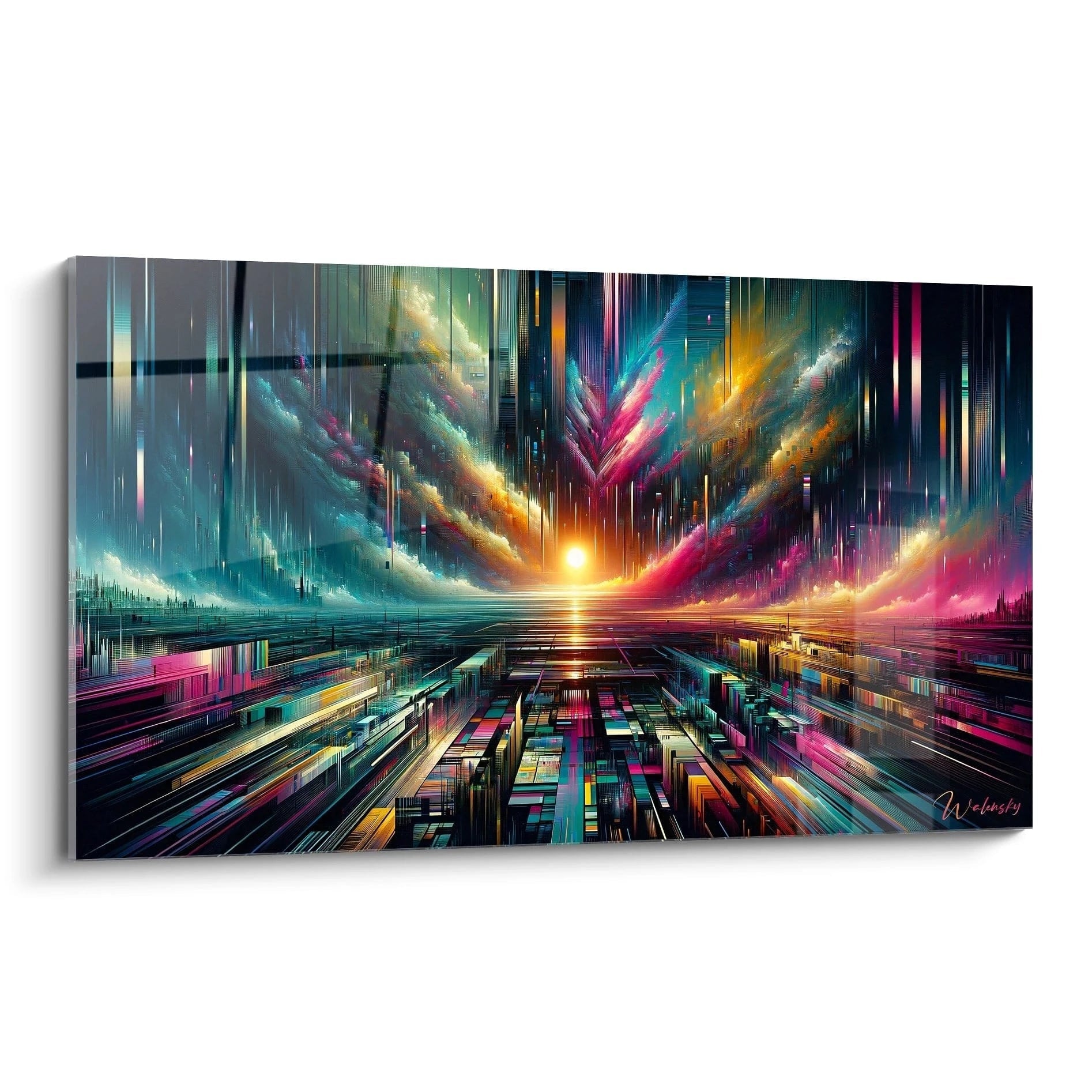
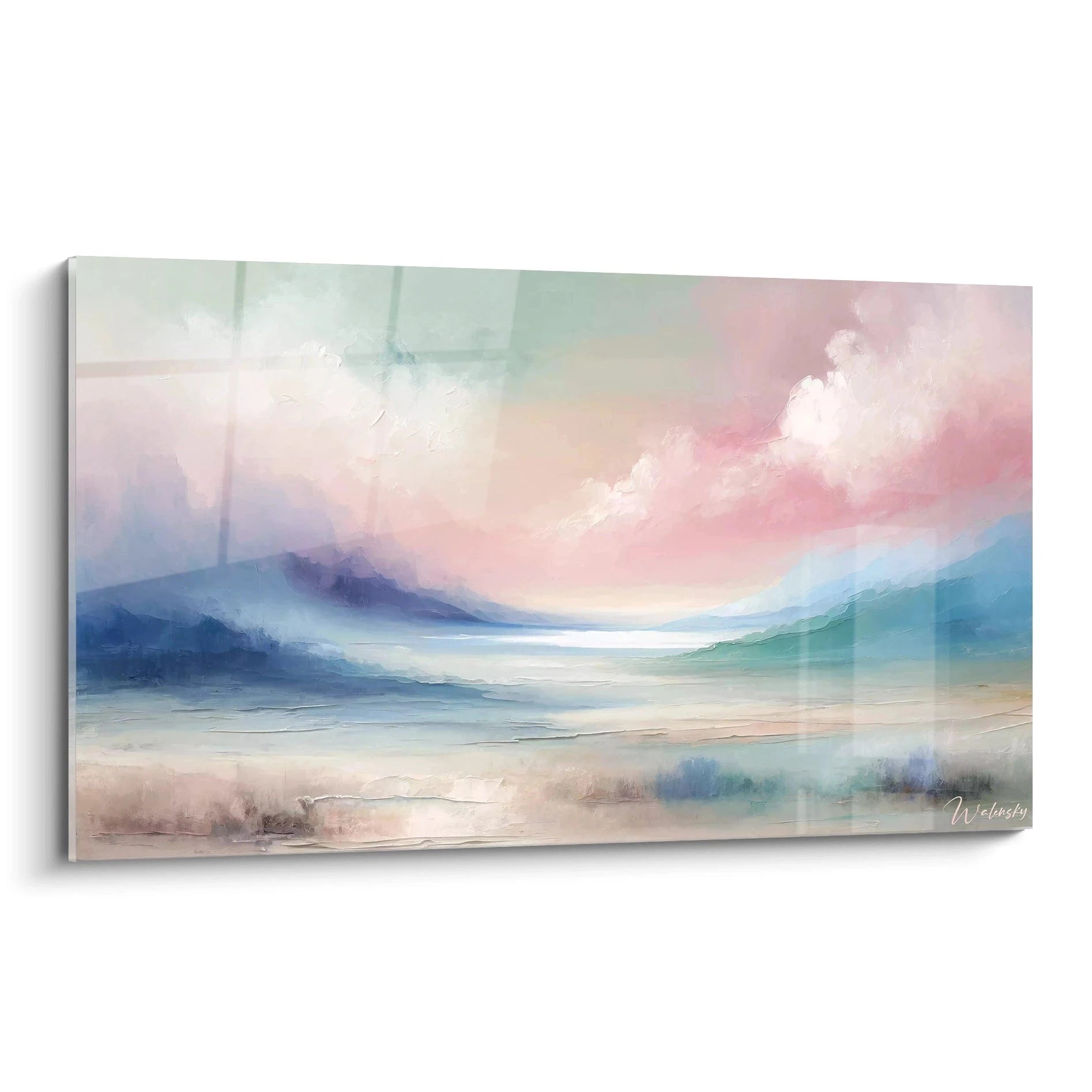


Golden Artistic Movements Wall Art
Our Paintings Movements artistic Golden collection celebrates the major movements that have marked the history of art through creations with sumptuous golden tones. These sophisticated works capture the essence of Cubism, Impressionism, Surrealism and many other iconic styles. Each golden movement artwork brings a touch of prestige and brilliance to your interior. Perfect for lovers of decorative golden art, these paintings transform your spaces into true contemporary galleries imbued with nobility.
 Art Deco Cocktail Painting - Golden Elegance - Art Deco Edition228,90 €
 Art Deco Architecture Painting - Golden Skyline - Art deco Edition273,90 €
 Stylized Dogs Painting - Golden Canine Elegance - Art deco Edition273,90 €
 Oriental Arches Wall Art - Golden Splendour - Art Deco Edition273,90 €
 Tropical Cocktail Painting - Golden Elegance - Art Deco Edition273,90 €
 Jazz Singer Canvas - Musical Radiance - Art Deco Edition273,90 €
 Vintage Automobile Painting - Art Deco Luxury - Art Deco Edition273,90 €
 Art Deco Cocktail Painting - Tropical Elegance - Art Deco Edition273,90 €
 Art Deco Couple Painting - Romance Under the Full Moon - Art Deco Edition273,90 €
 Vintage Automobile Painting - Art Deco Elegance - Art Deco Edition228,90 €
 Futuristic Automobile Painting - Art Deco Speed - Art Deco Edition228,90 €
 Orange Cocktail Wall Art - Art Deco Elegance - Art Deco Edition228,90 €
 Swan Couple Messengers Painting - Pre-Raphaelite Edition273,90 €
 Boat Dream Byzantine Reverie Painting - Orientalism Edition273,90 €
 Heavenly Minarets City Painting - Orientalism Edition273,90 €
 Celestial Gallop Cavalier Painting - Neo-Classical Edition273,90 €
 Legendary Cavalier Bravery Painting - Neo-Classical Edition228,90 €
 Triumphant Cavalier Painting - Neo-Classical Edition228,90 €
 Cathedral Painting Dramatic Dawn - Gothic Edition273,90 €
 Mystical Autumn Cathedral Painting - Gothic Edition273,90 €
 Celestial Roots Tree Wall Art - Surrealism Edition273,90 €
 Horseman Sky Garden Painting - Surrealism Edition273,90 €
 Angel Chiaroscuro Painting - Baroque Edition228,90 €
 Enchanted Palace Architecture Painting - Art Nouveau Edition228,90 €
Explore further
In Golden Artistic Movements Wall Art
-
 Artistic Movements Wall Art793
artworks
Artistic Movements Wall Art793
artworks
-
 Abstract Artistic Movements Wall Art24
artworks
Abstract Artistic Movements Wall Art24
artworks
-
 Artistic Movements Geometric Wall Art22
artworks
Artistic Movements Geometric Wall Art22
artworks
-
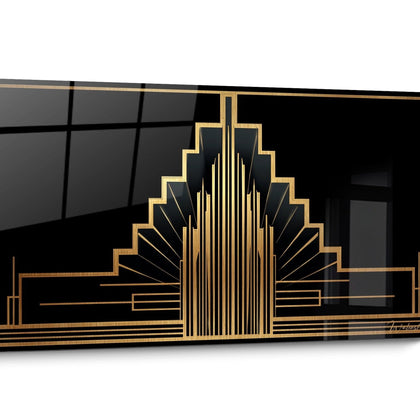 Artistic Movements Painting Art Deco24
artworks
Artistic Movements Painting Art Deco24
artworks
-
 Artistic Movements Portrait Wall Art24
artworks
Artistic Movements Portrait Wall Art24
artworks
-
 Expressionist Artistic Movements Wall Art14
artworks
Expressionist Artistic Movements Wall Art14
artworks
-
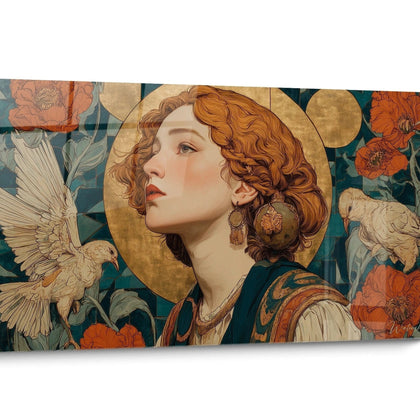 Art Nouveau Artistic Movements Wall Art14
artworks
Art Nouveau Artistic Movements Wall Art14
artworks
-
 Black and White Art Movements Wall Art12
artworks
Black and White Art Movements Wall Art12
artworks
-
 Artwork Artistic Movements Hyperrealism8
artworks
Artwork Artistic Movements Hyperrealism8
artworks
-
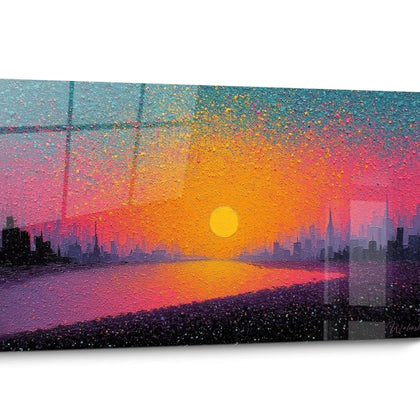 Artistic Movements Pointillism Wall Art8
artworks
Artistic Movements Pointillism Wall Art8
artworks
-
 Artistic Movements Wall Art Gothic9
artworks
Artistic Movements Wall Art Gothic9
artworks
-
 Renaissance Artistic Movements Wall Art8
artworks
Renaissance Artistic Movements Wall Art8
artworks
-
 Symbolist Artistic Movements Wall Art6
artworks
Symbolist Artistic Movements Wall Art6
artworks
-
 Surrealism Artistic Movements Wall Art5
artworks
Surrealism Artistic Movements Wall Art5
artworks
-
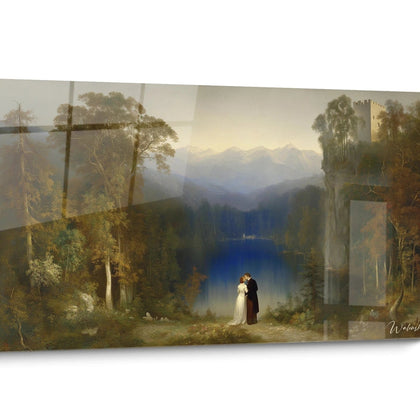 Artistic Movements Painting Romanticism5
artworks
Artistic Movements Painting Romanticism5
artworks
-
 Baroque Artistic Movements Wall Art8
artworks
Baroque Artistic Movements Wall Art8
artworks


All about Golden Artistic Movements Wall Art
- Golden Art Movements Wall Art Presentation
- Gold Leaf and Artistic Currents
- Symbolism of Gold in Art
- Contemporary Decorative Integration
A golden art movements wall art piece transcends simple wall decoration to become a true visual celebration of art history magnified by the timeless brilliance of gold leaf. These large-format creations capture the essence of major pictorial revolutions while elevating them through gold finishes that evoke medieval illuminated manuscripts, Byzantine altarpieces, and Gustav Klimt masterpieces. The fusion between artistic historical references and gold treatment creates a museum-like dimension in high-end residential spaces, particularly sought after for enhancing double-height rooms, reception halls, and prestigious entrance foyers where natural light progressively reveals metallic nuances throughout the day.
Gold as a Marker of Major Pictorial Revolutions
Golden art movements wall art establishes a fascinating dialogue between twentieth-century aesthetic ruptures and the millennia-old tradition of gold leaf application. This unlikely encounter between Cubism, Abstract Expressionism or Surrealism and visual craftsmanship techniques creates hybrid works particularly prized by collectors seeking a synthesis between heritage and modernity.
Which artistic movements lend themselves best to gold interpretation?
Art Nouveau and Viennese Secession represent natural territories for gold treatment, with Gustav Klimt having established an undeniable precedent through compositions where gold leaf structures pictorial space. Sinuous organic motifs, stylized female representations, and decorative architectures of this movement gain monumental presence when reinterpreted in XXL formats with metallic accents. The contrast between matte and brilliant zones amplifies visual depth, creating relief effects depending on viewing angle.
Gold Leaf as an Amplifier of Expressionist Gesture
Paradoxically, movements characterized by gestural violence such as Abstract Expressionism or Art Informel find an additional dimension through gold treatment. Drips, projections, and thick impastos reveal unprecedented chromatic variations when gold pigments are integrated into pictorial matter. This approach particularly suits minimalist architectural spaces where a single golden art movements piece becomes the focal point of a refined room, creating maximum contrast between surrounding sobriety and concentrated visual richness.
How to integrate these works into a decorative investment strategy?
Acquiring a large-format golden art movements wall art follows a heritage logic rarely associated with contemporary decoration. The presence of gold elements confers timelessness that protects against fluctuations in decorative trends, while reference to major artistic movements establishes cultural legitimacy. To maximize impact, prioritize locations with cross-lighting—natural during day, directed in evening—that alternately reveal chromatic and metallic aspects. Gallery corridors, monumental staircases, and structural walls in lofts constitute strategic placements where circulation around the work allows experiencing its variations across perspectives.
Symbolism of Gold and Reading of Artistic Currents
Beyond its immediate decorative value, a golden art movements wall art activates profound symbolic layers inherited from sacred and secular pictorial traditions. Gold has always signified in Western art history divine light, earthly wealth, and the ambition for transcendence—values that resonate particularly when encountering twentieth-century avant-garde aesthetic manifestos.
Why does gold transform the perception of modern artistic revolutions?
Applying gold leaf to compositions inspired by Russian Constructivism, Suprematism, or Neoplasticism creates a fascinating dialectical tension. These movements advocated rupture with tradition, pure functionality, rejection of ornamentation—principles that enter productive contradiction with gold's inherent sumptuousness. This collision generates paradoxical works perfectly suited to high-end contemporary interiors simultaneously seeking architectural rigor and affirmed luxury touches. A painting adopting Mondrian or Malevitch geometric compositions in gold version thus becomes a meditation on contradictions in our relationship to luxury and austerity.
Resonances Between Gold and Spiritualist Movements
Certain currents such as Symbolism, pictorial Anthroposophy, or Kandinsky's research on spirituality in art find in gold treatment an ideal expression vehicle. Abstract compositions inspired by these movements, when incorporating gold elements, create meditative atmospheres particularly sought for retreat spaces like private libraries, contemporary curiosity cabinets, or master bedrooms where the work accompanies introspection moments. The changing luminous reflection of gold creates a never-static visual environment, unlike purely pigmented works.
Byzantine Heritage in Contemporary Interpretation
Golden art movements wall art unconsciously reactualizes the Byzantine icon tradition where the gold background represented not an earthly space but divine light itself. This conception of gold as negation of perspective depth paradoxically appears in Cubists' research on simultaneity of viewpoints or in Pollock's all-over. A large-format painting combining references to avant-garde movements and gold treatment can thus function as a visual bridge between medieval spiritual research and modern aesthetic quests, creating rare historical depth in contemporary decoration. To strengthen this dimension, installation facing a grazing lateral light source reveals gold leaf micro-reliefs.
Integration Strategies in Demanding Contemporary Interiors
Successful installation of a golden art movements wall art in a contemporary residential space requires a strategic approach far exceeding standard hanging considerations. These pieces function as luminous amplifiers that radically transform a room's ambiance depending on lighting conditions, creating radically different visual environments between day and night.
How to maximize architectural impact of a large-format golden painting?
Monumental formats find full expression in generous-volume spaces: double-height living rooms, open stairwells, or structural walls in open-concept spaces. Gold's effect multiplies with viewing distance—unlike certain paintings requiring close observation, golden art movements works reveal full potential when perceived from several meters away. Metallic reflection creates then a visual attraction point that structures space circulation. For interiors with standard ceilings, favor panoramic horizontal formats that visually amplify room width while maintaining significant gold presence.
Dialogue With Contemporary Architectural Materials
Artistic gold resonates particularly with certain material palettes: polished raw concrete whose mineral neutrality exalts metallic brilliance, walnut or smoked oak woodwork creating warm tonal harmonies, or marble veined in white and gold establishing refined chromatic correspondences. Conversely, avoid accumulating metallic finishes—gold lighting fixtures, brass hardware, gold-framed mirrors—that would dilute the painting's impact. The work must remain the sole major gold element in its immediate environment to retain masterpiece status. This approach draws from contemporary art gallery curatorial strategy where visual isolation amplifies presence.
Scenographic Lighting to Reveal Nuances
Gold transforms its appearance radically depending on color temperature, intensity, and lighting angle. A modular lighting system with variable temperature sources (2700K to 4000K) allows alternating between warm atmospheres accentuating copper tones and neutral lighting revealing chromatic nuances of represented artistic movements. Tracks with adjustable spotlights offer necessary flexibility to experiment with different configurations depending on time of day and space use. For optimal detail reading, combine directional accent lighting with diffuse ambient lighting avoiding harsh contrasts. Those appreciating this sophisticated approach might also explore abstract art movements wall art offering alternatives to figurative compositions.
Frequently asked questions about golden art movements wall art
Does golden art movements wall art suit Scandinavian minimalist interiors?
Absolutely, these works create precisely the maximum contrast sought in refined Nordic aesthetics. Accumulation of white, gray, and light wood benefits from a gold focal point bringing warmth and sophistication without compromising spatial clarity. Then prioritize compositions inspired by geometric modernism rather than baroque or ornamental movements.
What viewing distance to plan for large-dimension golden painting?
For formats exceeding 150 cm in greatest dimension, ideally plan minimum observation distance equivalent to 1.5 times the painting's diagonal. This distance allows simultaneously apprehending overall composition and gold effects without metallic reflections saturating perception. Through-spaces like room sequences constitute ideal placements.
Do golden art movements wall art pieces require specific maintenance?
Quality gold finishes remarkably resist time without oxidation, unlike genuine gold leaf potentially tarnishing. Annual dusting with antistatic microfiber cloth generally suffices. Avoid cleaning products altering metallic surface, and protect the work from prolonged direct sun exposure potentially degrading organic pigments in colored zones adjacent to gold elements.


