


Artistic Movements Painting Art Deco
Artwork Artistic Movements Art Deco : dive into the fascinating world of the 1920s-1930s. This collection celebrates the aesthetics of geometric Art Deco style, characterized by its clean lines, symmetrical patterns and timeless elegance. Each creation captures the essence of modernist decorative design : luxury, sophistication and architectural refinement. Perfect for transforming your interior into a chic artistic space, this selection brings a touch of vintage glamour to your walls.
 Art Deco Cocktail Painting - Golden Elegance - Art Deco Edition228,90 €
 Art Deco Architecture Painting - Golden Skyline - Art deco Edition273,90 €
 Oriental Arches Wall Art - Golden Splendour - Art Deco Edition273,90 €
 Tropical Cocktail Painting - Golden Elegance - Art Deco Edition273,90 €
 Art Deco Swans Painting - Romantic Dance Black and White - Art Deco Edition273,90 €
 Jazz Singer Canvas - Musical Radiance - Art Deco Edition273,90 €
 Art Deco Fans Canvas - Golden Botanical Harmony - Art Deco Edition273,90 €
 Art Deco Dancer Painting - Geometric Elegance - Art Deco Edition273,90 €
 Art Deco Fans Painting - Feather Fountain - Art Deco Edition273,90 €
 Vintage Automobile Painting - Art Deco Luxury - Art Deco Edition273,90 €
 Jazz Singer Painting - Red and Green Elegance - Art Deco Edition273,90 €
 Art Deco Cocktail Painting - Tropical Elegance - Art Deco Edition273,90 €
 Martini Cocktail Painting - Art Deco Elegance - Art Deco Edition273,90 €
 Art Deco Couple Painting - Romance Under the Full Moon - Art Deco Edition273,90 €
 Swan Painting - Elegant Black and White Duo - Art Deco Edition273,90 €
 Empire State Building Wall Art - Golden Manhattan - Art Deco Edition273,90 €
 Vintage Automobile Painting - Art Deco Elegance - Art Deco Edition228,90 €
 Hummingbird Painting - Art Nouveau Flight - Art Deco Edition228,90 €
 Art Nouveau Cat Painting - Feline Elegance in Floral Decor - Art Deco Edition228,90 €
 Art Deco Goddess Painting - Golden Splendour - Art Deco Edition228,90 €
 Futuristic Automobile Painting - Art Deco Speed - Art Deco Edition228,90 €
 Orange Cocktail Wall Art - Art Deco Elegance - Art Deco Edition228,90 €
 Empire State Building Painting - Golden Rays - Art Deco Edition228,90 €
 Emperor Painting Golden Crown - Neo-Classical Edition228,90 €
Explore further
In Artistic Movements Painting Art Deco
-
 Artistic Movements Wall Art793
artworks
Artistic Movements Wall Art793
artworks
-
 Abstract Artistic Movements Wall Art24
artworks
Abstract Artistic Movements Wall Art24
artworks
-
 Artistic Movements Geometric Wall Art22
artworks
Artistic Movements Geometric Wall Art22
artworks
-
 Golden Artistic Movements Wall Art24
artworks
Golden Artistic Movements Wall Art24
artworks
-
 Artistic Movements Portrait Wall Art24
artworks
Artistic Movements Portrait Wall Art24
artworks
-
 Expressionist Artistic Movements Wall Art14
artworks
Expressionist Artistic Movements Wall Art14
artworks
-
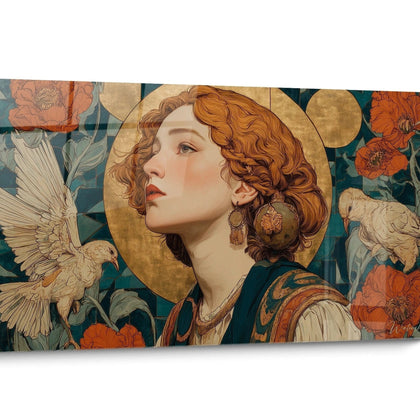 Art Nouveau Artistic Movements Wall Art14
artworks
Art Nouveau Artistic Movements Wall Art14
artworks
-
 Black and White Art Movements Wall Art12
artworks
Black and White Art Movements Wall Art12
artworks
-
 Artwork Artistic Movements Hyperrealism8
artworks
Artwork Artistic Movements Hyperrealism8
artworks
-
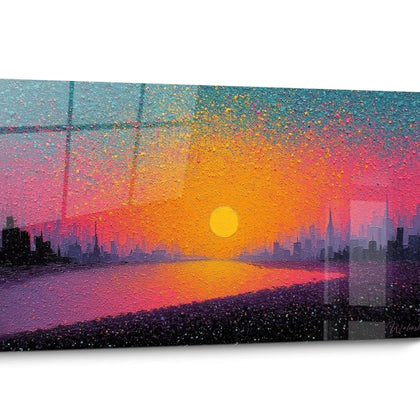 Artistic Movements Pointillism Wall Art8
artworks
Artistic Movements Pointillism Wall Art8
artworks
-
 Artistic Movements Wall Art Gothic9
artworks
Artistic Movements Wall Art Gothic9
artworks
-
 Renaissance Artistic Movements Wall Art8
artworks
Renaissance Artistic Movements Wall Art8
artworks
-
 Symbolist Artistic Movements Wall Art6
artworks
Symbolist Artistic Movements Wall Art6
artworks
-
 Surrealism Artistic Movements Wall Art5
artworks
Surrealism Artistic Movements Wall Art5
artworks
-
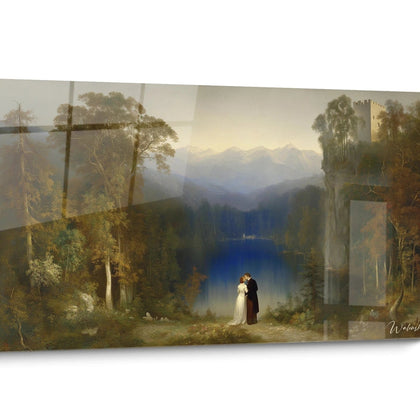 Artistic Movements Painting Romanticism5
artworks
Artistic Movements Painting Romanticism5
artworks
-
 Baroque Artistic Movements Wall Art8
artworks
Baroque Artistic Movements Wall Art8
artworks


All about Artistic Movements Painting Art Deco
- Art Deco Presentation
- Geometry and Decorative Luxury
- Chromatic and Precious Materials
- Architecture and Symbolism
Art Deco artistic movement wall art embodies the modern elegance of the 1920s-1930s, a period when design revolutionized decorative aesthetics worldwide. These large-scale wall artworks capture the spirit of an era fascinated by industrial progress, exoticism, and refined geometry. Unlike previous artistic currents, Art Deco merges functionality with luxurious ornamentation, creating sophisticated visual compositions that radically transform contemporary residential and professional spaces. Each artistic representation of this stylized movement offers a visual exploration of zigzag patterns, pyramidal forms, aerodynamic curves, and stylized depictions of fauna, flora, and human figures. Acquiring a painting celebrating this aesthetic allows you to integrate into your environment the legacy of a movement that redefined international decorative standards, bringing remarkable historical and aesthetic dimension to your interior design.
Symmetrical Geometry and Luxurious Ornamentation in Art Deco
The visual architecture of Art Deco artistic movement wall art rests on sophisticated geometric structuring that radically distinguishes this movement. Chevron patterns, octagonal forms, symmetrical compositions, and rhythmic repetitions create visual dynamics particularly suited to demanding professional spaces such as prestigious building lobbies, high-end law offices, or executive boardrooms.
How do Art Deco geometric patterns structure visual space?
Geometric compositions characteristic of the movement use bold angular lines, fan patterns, and trapezoidal forms that naturally guide the viewer's gaze along precise trajectories. In monumental format, these visual structures generate a sensation of architectural order that particularly enhances spaces with high ceilings, mezzanines, and pronounced vertical volumes. The bilateral symmetry typical of Art Deco creations establishes immediate visual balance, particularly effective for anchoring transition zones or passageway areas.
Luxurious ornamentation and cultural references
Art Deco's decorative vocabulary incorporates references to post-Tutankhamun egyptomania, pre-Columbian arts, stylized African motifs, and modern machine aesthetics. These multicultural influences, synthesized into coherent artistic representation, confer upon the artworks a narrative depth ideal for collectors seeking conversational pieces. Depictions of leaping gazelles, radiating solar patterns, and stylized fountains simultaneously evoke modernity and refined exoticism.
Enhancing prestigious commercial spaces
Installing a large-scale Art Deco painting in high-end commercial environments – luxury boutiques, boutique hotels, fine dining restaurants – instantly communicates values of excellence, timeless refinement, and attention to detail. The historical association of the movement with the oceanic luxury of transatlantic ocean liners, the architecture of New York skyscrapers, and grand Parisian department stores reinforces the establishment's quality perception. To explore other modernist visual expressions, also discover our selection of abstract artistic movement paintings that share certain formal audacities.
Chromatic Palette and Material Evocations in Art Deco Aesthetics
The chromatic sophistication of Art Deco artistic movement wall art rests on bold contrasts and harmonies inspired by precious materials. Black-and-gold, emerald-green-and-silver, cobalt-blue-and-bronze, and vermillion-red-and-chrome combinations directly evoke the luxurious materials emblematic of the movement: Chinese lacquer, exotic woods, ivory, mother-of-pearl, and precious metals.
What chromatic associations define Art Deco identity?
Color schemes privilege saturated and bold hues rather than pastel nuances, creating visual compositions with strong impact even when observed from considerable distances. This characteristic proves particularly relevant for acquisitions intended for generous spaces – renovated industrial lofts, contemporary duplexes, reception areas – where visual presence must assert itself without excessive subtlety. Golden, silver, or copper metallic accents, frequent in Art Deco representations, capture and diffuse natural light spectacularly, transforming the artwork according to variations in daytime luminous intensity.
Material evocations and visual texture
Though two-dimensional, these compositions visually suggest the tactile richness of the movement's original materials. Representations of polished surfaces, brushed metals, opalescent glasses, and complex marquetries create illusionistic depth that considerably enriches daily visual experience. This implicit material quality harmoniously dialogues with contemporary interior design privileging noble materials – veined marbles, solid woods, architectural metals.
Adaptability to contemporary decorative schemes
Contrary to preconceptions limiting Art Deco to period recreations, these artworks integrate remarkably into minimalist contemporary aesthetics. The contrast between modern architectural sobriety and controlled Art Deco ornamentation generates sophisticated visual tension particularly prized by interior architects. Monochromatic palettes enhanced with metallic accents function particularly well in neutral-dominant environments – architectural grays, off-whites, natural beiges – providing the necessary focal element without visually overwhelming the space.
Architectural References and Art Deco Modernist Symbolism
Art Deco artistic movement wall art frequently incorporates emblematic architectural references – skyscraper silhouettes, stylized metallic structures, radio towers – that embody the technological optimism of the interwar period. These architectural evocations confer upon the compositions a narrative dimension particularly relevant for contemporary urban environments.
Symbolism of modernity and progress
Art Deco's visual vocabulary systematically celebrates speed (aerodynamic representations), electricity (radiating patterns), aviation (stylized winged forms), and communication (radio waves, radiations). For professional spaces of technology companies, innovation offices, or startups, this progressive symbolism resonates particularly, establishing historical continuity between past and contemporary industrial revolutions. Acquiring a major artwork incorporating these themes communicates values of innovation, audacity, and prospective vision.
Monumental scale and spatial impact
The generous formats characteristic of our collection directly respond to the monumental ambition inherent to the Art Deco movement. Historically designed to adorn ocean liner halls, building lobbies, and theater foyers, this visual language requires substantial scale to fully deploy its expressive potential. In private residences, installation above an architectural fireplace, within a stairwell, or facing the main entrance creates a memorable visual moment that structures overall spatial experience.
What lighting environment optimally enhances these compositions?
Art Deco compositions, with their marked contrasts and metallic accents, require directional controlled lighting rather than uniform diffuse illumination. Installing architectural spotlights at adjustable angles allows dramatizing geometries, accentuating golden zones, and creating shadow play that progressively reveals compositional complexity. Spaces benefiting from indirect natural light – north-facing orientations in northern hemisphere, areas protected from direct sunlight – preserve chromatic vividness while avoiding glare that could visually saturate metallic areas.
Why choose an Art Deco painting for contemporary interiors?
An Art Deco painting instantly brings historical sophistication and cultural depth that purely contemporary creations cannot match. The movement represents the apex of Western decorative design, merging global influences and artistic excellence into an immediately recognizable aesthetic that transcends generations without stylistic obsolescence.
How to integrate an Art Deco painting into a minimalist space?
The optimal approach consists of using the artwork as the sole focal decorative element within a refined environment. The intrinsic visual richness of Art Deco composition compensates for environmental austerity, creating balance between architectural emptiness and ornamental density. This mono-focal strategy amplifies visual impact while preserving overall minimalist coherence.
What aesthetic longevity does an Art Deco painting offer?
Art Deco benefits from established heritage status guaranteeing its aesthetic relevance independent of trend fluctuations. Unlike ephemeral movements, this style has demonstrated century-long cultural resilience, regularly revitalized by new generations of designers, architects, and collectors. Investment in a major artwork therefore represents a lasting acquisition whose cultural and decorative value remains constant.
Further reading


