


Artistic Movements Portrait Wall Art
The Art Movements Portrait painting celebrates the fascinating evolution of pictorial currents through portrait art. This exclusive collection presents portraits inspired by artistic movements, from classicism to modernism. Each creation captures the essence of great artistic periods, offering a unique perspective on the history of art. Perfect for art lovers, these works transform your interior into a true gallery. Explore our selection of paintings portrait artistic style and be inspired by these timeless creations.
 Woman with Cat Wall Art - Golden Reverie - Art Deco Edition273,90 €
 Woman with Wavy Hair Wall Art - Golden Elegance - Art Deco Edition273,90 €
 Woman Wall Art Art Deco - Golden Geometric Portrait - Art Deco Edition273,90 €
 Woman with Blue Ginkgo Wall Art - Art Deco Elegance - Art Deco Edition273,90 €
 Art Deco Woman Painting - Lady with Pearls and Feathers - Art Deco Edition273,90 €
 Art Deco Woman Painting - Golden Goddess Modern - Art Deco Edition273,90 €
 Black-Haired Woman Painting - Golden Klimt Portrait - Art Deco Edition273,90 €
 Woman with Fan Painting - Golden Elegance - Art Deco Edition273,90 €
 Art Deco Woman Painting - Elegance and Roses - Art Deco Edition273,90 €
 Art Deco Woman Painting - Modern Elegance with Earrings - Art Deco Edition273,90 €
 Art Deco Woman Painting - Lady with Red Roses - Art Deco Edition273,90 €
 Woman Art Deco Painting - Elegance of the Roaring Twenties - Art Deco Edition273,90 €
 Woman from the 1920s Painting - Art Deco Elegance - Art Deco Edition273,90 €
 Art Deco Woman Painting - Elegance with Blue Pearls - Art Deco Edition228,90 €
 Art Deco Woman Painting - Goddess with Golden Motifs - Art Deco Edition228,90 €
 Art Deco Goddess Painting - Golden Splendour - Art Deco Edition228,90 €
 Art Deco Woman Wall Art - Geometric Elegance - Art Deco Edition228,90 €
 Art Deco Woman Painting - Blue and Gold Floral Elegance - Art Deco Edition228,90 €
 Woman Art Deco Painting - Golden Elegance - Art Deco Edition228,90 €
 Woman with Glass Blooming Muse Painting - Pre-Raphaelite Edition273,90 €
 Lady Enchanted Smile Painting - Rococo Edition228,90 €
 Writer with silver beard portrait - realism edition228,90 €
 Woman with tea painting Precious moment - hyperrealism edition273,90 €
 Woman with golden hair painting Copper glow - Art Nouveau edition228,90 €
Explore further
In Artistic Movements Portrait Wall Art
-
 Artistic Movements Wall Art793
artworks
Artistic Movements Wall Art793
artworks
-
 Abstract Artistic Movements Wall Art24
artworks
Abstract Artistic Movements Wall Art24
artworks
-
 Artistic Movements Geometric Wall Art22
artworks
Artistic Movements Geometric Wall Art22
artworks
-
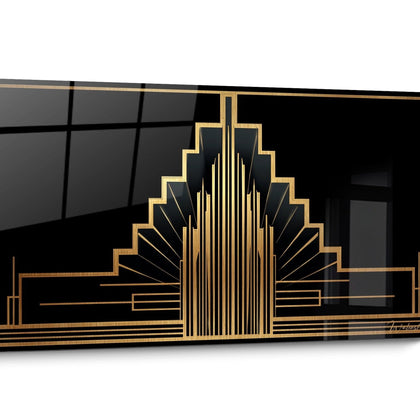 Artistic Movements Painting Art Deco24
artworks
Artistic Movements Painting Art Deco24
artworks
-
 Golden Artistic Movements Wall Art24
artworks
Golden Artistic Movements Wall Art24
artworks
-
 Expressionist Artistic Movements Wall Art14
artworks
Expressionist Artistic Movements Wall Art14
artworks
-
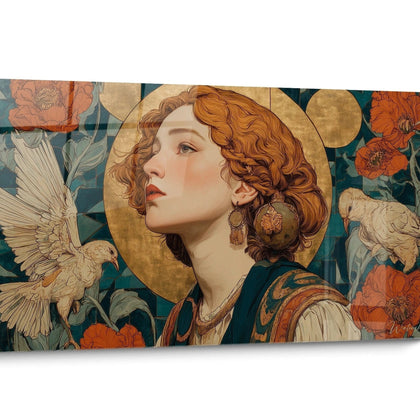 Art Nouveau Artistic Movements Wall Art14
artworks
Art Nouveau Artistic Movements Wall Art14
artworks
-
 Black and White Art Movements Wall Art12
artworks
Black and White Art Movements Wall Art12
artworks
-
 Artwork Artistic Movements Hyperrealism8
artworks
Artwork Artistic Movements Hyperrealism8
artworks
-
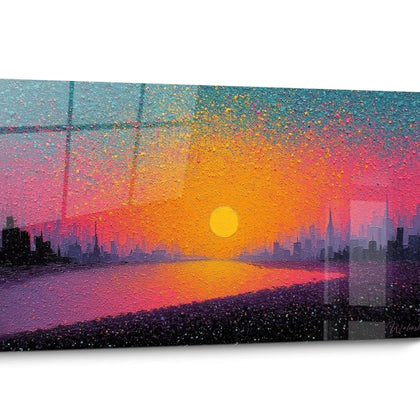 Artistic Movements Pointillism Wall Art8
artworks
Artistic Movements Pointillism Wall Art8
artworks
-
 Artistic Movements Wall Art Gothic9
artworks
Artistic Movements Wall Art Gothic9
artworks
-
 Renaissance Artistic Movements Wall Art8
artworks
Renaissance Artistic Movements Wall Art8
artworks
-
 Symbolist Artistic Movements Wall Art6
artworks
Symbolist Artistic Movements Wall Art6
artworks
-
 Surrealism Artistic Movements Wall Art5
artworks
Surrealism Artistic Movements Wall Art5
artworks
-
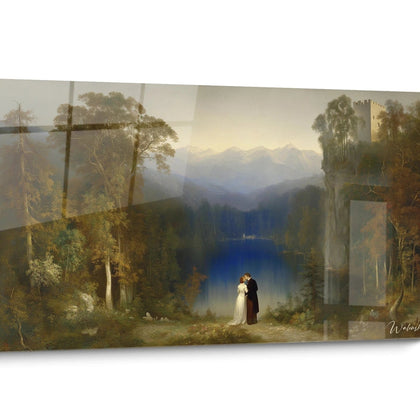 Artistic Movements Painting Romanticism5
artworks
Artistic Movements Painting Romanticism5
artworks
-
 Baroque Artistic Movements Wall Art8
artworks
Baroque Artistic Movements Wall Art8
artworks


All about Artistic Movements Portrait Wall Art
- Portrait Paintings Presentation
- Portraits and Artistic Movements
- Symbolism of Contemporary Portraits
- Human Artistic Expressions
Paintings of artistic movements dedicated to portraiture reveal the fascinating evolution of human representation through the ages. From Picasso's cubism fragmenting faces into multiple perspectives to the experimentations of abstract expressionism, each artistic movement reinvented how to capture human essence. These monumental works transform residential and professional spaces into personal galleries where tradition and modernity dialogue. Acquiring an artistic movement portrait painting is far more than a decorative purchase: it is the integration of a major cultural reflection that spans centuries, from impressionist portraits to the deconstructed faces of surrealism. Current large formats allow appreciation of every technical detail, each brushstroke revealing belonging to a precise movement, thus offering an immersive experience in portable art history.
The Evolution of Portraiture Through Major Artistic Movements
The artistic movement portrait paintings embody the radical transformation of facial representation according to successive aesthetic revolutions. Fauvism revolutionizes human physiognomy through saturated and arbitrary colors, while analytic cubism simultaneously deconstructs multiple angles of the face on a single surface. These contradictory approaches considerably enrich contemporary decorative possibilities.
How did twentieth-century movements transform the art of portraiture?
German expressionism charges portraits with unprecedented psychological intensity, exploiting distortions and violent chromaticism to reveal inner turmoil. Current large formats amplify this emotional power, creating monumental presences in living spaces. Pop art then diverts this gravity by serially multiplying iconic faces, thus democratizing the human image.
Surrealism radically transforms the conception of portraiture by fusing human anatomy and oneiric elements. Magritte hides faces, Dalí liquefies them, creating paradoxical compositions that question identity itself. These works become points of intellectual conversation, particularly sought after by collectors wishing to infuse a philosophical dimension into their environment.
Why choose a portrait according to its artistic movement?
Acquiring an artistic movement portrait painting according to its movement allows one to assert a precise aesthetic sensitivity. A cubist portrait introduces a geometric abstract dimension that harmoniously dialogues with contemporary architecture, while an expressionist portrait brings dramatic intensity suited to interiors seeking emotional power. This thoughtful selection transforms the purchase into true cultural positioning.
Bauhaus movement portraits integrate functionalist principles and photographic experimentations, creating streamlined human representations with rigorous compositions. These works are particularly suited to professional spaces valuing rationality and innovation. Conversely, contemporary neo-expressionist portraits reintroduce gestuality and dense pictorial matter, appealing to lovers of affirmed physical presence.
- Fauvist portraits: chromatic explosion and revolutionary color spontaneity
- Cubist portraits: geometric deconstruction and innovative simultaneous perspectives
- Expressionist portraits: psychological intensity and marked emotional distortions
- Surrealist portraits: oneiric fusion and profound identity questioning
- Pop art portraits: serial repetition and democratized cultural iconization
Contemporary Significance of Portraits from Major Movements
The artistic movement portrait paintings acquire particular resonance today in contemporary interiors seeking to escape decorative standardization. Unlike photographic reproductions, these works bear the imprint of constructed artistic vision, an assumed aesthetic positioning that intellectually enriches the space. Their referential dimension also stimulates visitors' cultural curiosity.
What atmosphere do portraits create according to their artistic movement?
A portrait inspired by action painting projects remarkable kinetic energy, splashes and spontaneous gestures generating perceptible vitality throughout the space. This dynamic is particularly suited to creative environments or industrial lofts. Conceptual minimalism conversely offers faces reduced to their linear essence, favoring meditative contemplation and visual purification.
Contemporary neo-figurative portraits reconcile representational tradition and modern interpretive freedom. Francis Bacon still massively influences this category, his convulsed faces creating incomparable dramatic tension. These monumental works become true architectural protagonists, structuring arrangement around their magnetic presence. Their acquisition responds to a search for affirmed uniqueness.
The psychological impact of different portrait schools
Environmental psychology demonstrates that expressionist movement portraits generate increased cognitive stimulation, their facial intensity maintaining attention. These compositions suit spaces for reflection such as private libraries or professional offices. Constructivist portraits, geometricized and stylized, induce more mental organization and conceptual clarity.
Large formats of artistic movement portrait paintings significantly amplify these psychological effects. A two-meter cubist fragmented face confronts daily with the multiplicity of perspectives, cultivating intellectual openness. This transformative dimension justifies investment in these major pieces rather than conventional decorations without cultural scope.
- Portraits influenced by futurism: dynamism and fragmentation of human movement
- Portraits from New Objectivity: raw realism and incisive social criticism
- Art brut portraits: primitive spontaneity and raw emotional authenticity
- Contemporary hyperrealist portraits: technical virtuosity and photographic questioning
Decorative Integration and Heritage Value of Artistic Portraits
The acquisition of artistic movement portrait paintings responds simultaneously to immediate aesthetic requirements and long-term heritage logic. Unlike ephemeral decorative trends, these historically referenced works maintain their cultural relevance, even increasing it with constant revaluation of artistic movements by museum institutions and the market.
How to enhance an artistic movement portrait in your interior?
Large-dimension portraits require sufficient visual breathing space. A clear wall of three to four meters constitutes the ideal setting, allowing the necessary distance to appreciate the global aspect of complex compositions. The ambient chromatic environment should complement without competing: for a fauvist portrait with explosive colors, favoring neutral surrounding tones enhances impact.
Directed lighting radically transforms the perception of portraits according to their movement. Expressionist works benefit from lateral lighting revealing impasto and textures, while pop art portraits with uniform color fields support direct frontal lighting. This technical consideration directly influences the emotional power perceived daily.
Why invest in an artistic movement portrait painting?
Beyond immediate aesthetic satisfaction, these acquisitions constitute tangible cultural investments. Historically recognized movements maintain constant demand, particularly for large formats that have become rare in standardized contemporary production. This heritage dimension fundamentally distinguishes these works from industrial decorative productions without residual value.
Portraits from specific movements also allow progressive construction of a coherent collection. Beginning with a cubist portrait, then adding an expressionist interpretation of the same subject creates a fascinating dialogue between contradictory approaches. This curatorial strategy transforms your home into a true private exhibition space, reflecting a fully developed intellectual approach.
- Artistic authenticity guaranteeing aesthetic durability and lasting cultural value
- Monumental formats creating immediate visual impact in generous contemporary spaces
- Historical references stimulating conversations and daily intellectual enrichment
- Style diversity allowing personalization according to individual aesthetic sensibilities
Which artistic movements most transformed the art of portraiture?
Cubism fundamentally revolutionized facial representation by abandoning traditional single perspective. Expressionism then charged portraiture with unprecedented psychological intensity, while surrealism radically questioned identity itself by fusing human and oneiric.
How to distinguish different artistic movements in a portrait painting?
Each movement possesses characteristic visual markers: geometric fragmentation for cubism, saturated arbitrary chromaticism for fauvism, expressive distortions for expressionism. The observation of pictorial technique, spatial treatment and color choices immediately reveals stylistic belonging.
Why favor large format for an artistic movement portrait painting?
Generous dimensions amplify emotional impact and allow full appreciation of technical subtleties specific to each movement. A monumental cubist portrait reveals the complexity of its geometric planes, while a large-size expressionist portrait literally immerses in its psychological intensity, creating an experience far superior to reduced formats.
Further reading


