



Symbolist Artistic Movements Wall Art
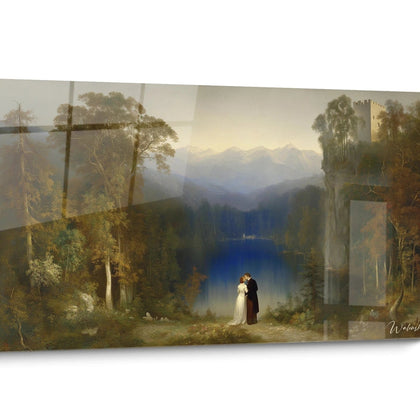
The Symbolist Artistic Movements Painting celebrates the dreamlike and mystical art of the late 19th century. This collection captures the essence of artistic symbolism with its enigmatic representations, poetic allegories, and mysterious universes. Perfect for lovers of decorative symbolist art, it brings a contemplative and spiritual dimension to your interior. Each work evokes the great masters of the movement and their transcendent visions, creating a refined and intellectual atmosphere in your living space.
 Woman Precious Icon Painting - Symbolist Edition273,90 €
 Woman Secret Elixirs Painting - Symbolist Edition273,90 €
 Woman Inner Cosmos Painting - Symbolist Edition273,90 €
 Woman with Poetic Languor Painting - Symbolist Edition273,90 €
 Woman Feminine Essence Painting - Symbolist Edition228,90 €
 Woman Floral Crown Painting - Symbolist Edition228,90 €
Explore further
In Symbolist Artistic Movements Wall Art
-
 Artistic Movements Wall Art793
artworks
Artistic Movements Wall Art793
artworks
-
 Abstract Artistic Movements Wall Art24
artworks
Abstract Artistic Movements Wall Art24
artworks
-
 Artistic Movements Geometric Wall Art22
artworks
Artistic Movements Geometric Wall Art22
artworks
-
 Artistic Movements Painting Art Deco24
artworks
Artistic Movements Painting Art Deco24
artworks
-
 Golden Artistic Movements Wall Art24
artworks
Golden Artistic Movements Wall Art24
artworks
-
 Artistic Movements Portrait Wall Art24
artworks
Artistic Movements Portrait Wall Art24
artworks
-
 Expressionist Artistic Movements Wall Art14
artworks
Expressionist Artistic Movements Wall Art14
artworks
-
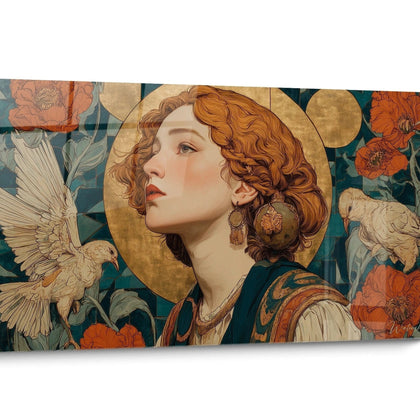 Art Nouveau Artistic Movements Wall Art14
artworks
Art Nouveau Artistic Movements Wall Art14
artworks
-
 Black and White Art Movements Wall Art12
artworks
Black and White Art Movements Wall Art12
artworks
-
 Artwork Artistic Movements Hyperrealism8
artworks
Artwork Artistic Movements Hyperrealism8
artworks
-
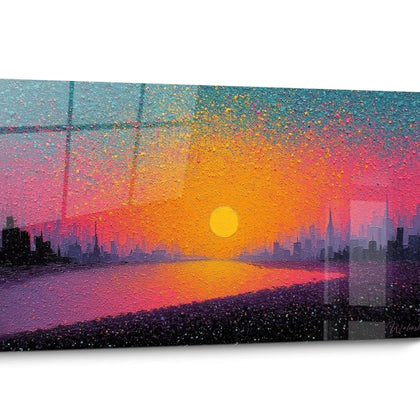 Artistic Movements Pointillism Wall Art8
artworks
Artistic Movements Pointillism Wall Art8
artworks
-
 Artistic Movements Wall Art Gothic9
artworks
Artistic Movements Wall Art Gothic9
artworks
-
 Renaissance Artistic Movements Wall Art8
artworks
Renaissance Artistic Movements Wall Art8
artworks
-
 Surrealism Artistic Movements Wall Art5
artworks
Surrealism Artistic Movements Wall Art5
artworks
-
 Artistic Movements Painting Romanticism5
artworks
Artistic Movements Painting Romanticism5
artworks
-
 Baroque Artistic Movements Wall Art8
artworks
Baroque Artistic Movements Wall Art8
artworks


All about Symbolist Artistic Movements Wall Art
- Symbolist Paintings Overview
- Symbolist Aesthetics
- Symbolist Decoration
- Acquiring Symbolist Paintings
Discover our exclusive collection of symbolist artistic movement paintings, these mysterious works that transcend visible reality to reveal the hidden dimensions of the collective unconscious. Symbolism, an artistic movement born in the late 19th century in reaction to naturalism and impressionism, privileges imagination, dreams, and suggestion over direct representation. Our large-format reproductions capture the enigmatic essence of symbolist masters such as Gustave Moreau, Odilon Redon, Fernand Khnopff, and Puvis de Chavannes. These monumental creations transform your spaces into contemplative sanctuaries where the visible dialogues with the invisible, where each allegorical figure becomes a visual meditation on the mysteries of human existence.
The Visual Universe of Symbolism: Between Mythology and the Psyche
What iconography characterizes symbolist paintings?
The symbolist artistic movement paintings are distinguished by an iconography deeply rooted in mythology, decadent literature, and the exploration of the unconscious. Mysterious feminine figures occupy a central place: Salome dancing before Herod, Ophelia floating among water lilies, enigmatic sphinxes guarding the secrets of the beyond. These feminine representations embody either the destructive femme fatale or the ethereal muse connected to higher spiritual spheres.
The symbolist universe privileges hybrid and chimeric creatures: melancholic cyclops, androgynous angels, anthropomorphic marine creatures from abyssal depths. These intermediate beings inhabit dreamlike landscapes with impossible perspectives, fantastic architectures mixing ancient ruins and lush gardens invaded by mystical vegetation. The chromatic palette favors twilight tonalities, deep violets, nocturnal blues, and liturgical golds that confer a sacred atmosphere to the compositions.
How does symbolism transcend conventional narrative?
Unlike realist movements, the symbolist painting refuses linear narration to privilege suggestion and semantic ambiguity. Each pictorial element functions as a polysemic symbol opening multiple interpretations. A butterfly can simultaneously evoke spiritual metamorphosis, the immortal soul, or the fragility of earthly existence. This symbolic density transforms contemplation into an extended meditative experience.
Symbolist compositions frequently integrate literary references to works by Baudelaire, Mallarmé, Edgar Allan Poe, or Maeterlinck. These intersections between painting and decadent poetry create sophisticated cultural echoes particularly appreciated in private libraries, contemporary curiosity cabinets, or spaces dedicated to intellectual reflection. Facing these monumental works, the viewer becomes an active interpreter deciphering the secret correspondences between the visible world and metaphysical dimensions.
The enigmatic atmosphere inherent to symbolist creations
Large-scale symbolist paintings generate a unique contemplative atmosphere through their particular treatment of light and space. Light sources often remain undefined, creating supernatural illumination that seems to emanate from the figures themselves rather than from an external source. This internal luminescence confers quasi-hallucinatory presence to the characters, particularly striking when the work occupies an entire wall in a dimly lit space.
Symbolist spatial depth refuses Renaissance rational perspectives to create ambiguous spaces where foregrounds and backgrounds merge in dreamlike continuity. This dissolution of conventional spatial markers invites meditative immersion, transforming the architectural environment into a threshold between everyday reality and imaginary dimensions. These aesthetic characteristics contrast radically with the more direct approaches of abstract artistic movement paintings, which explores pure formal composition rather than narrative mystery.
Integrating Symbolism into Contemporary Interior Architecture
Which spaces particularly valorize symbolist paintings?
Large-format symbolist artistic movement paintings find their optimal expression in spaces favoring prolonged contemplation and introspection. Personal libraries constitute the ideal environment: the presence of literary works creates a natural resonance with the cultural references encoded in symbolist compositions. A monumental Moreau above antique shelving transforms the reading space into an intellectual sanctuary where painting and literature dialogue.
Master bedrooms particularly benefit from the symbolist meditative atmosphere. Unlike dynamic aesthetics, symbolism invites nocturnal recollection and exploration of the liminal states between waking and sleep. Redon's dreamlike representations or Khnopff's twilight landscapes naturally accompany the transition toward altered states of consciousness, creating an environment conducive to hypnagogic reveries.
Creating decorative coherence with fin-de-siècle aesthetics
The successful integration of a monumental symbolist painting requires an understanding of fin-de-siècle aesthetic codes. Arts and Crafts or Art Nouveau furniture naturally extend the organic curves and sophisticated ornamentation present in symbolist compositions. Dark woods – mahogany, rosewood, walnut – resonate with the deep chromatic tonalities privileged by the movement's painters.
Textiles play a crucial role in this harmonization: crimson velvets, brocades with stylized floral patterns, tapestries inspired by the Pre-Raphaelites create material continuity with the symbolist pictorial universe. Indirect lighting through opalescent glass lampshades or patinated bronze chandeliers recreates the mysterious luminous atmosphere characteristic of the works, avoiding direct lighting that would shatter the contemplative atmosphere.
The symbolist painting as architectural focal point
In contemporary residential spaces, a monumental symbolist painting functions as a meditative counterpoint to daily agitation. Positioned in a minimalist salon, it introduces narrative depth and cultural complexity that considerably enrich the visual environment. This juxtaposition between architectural minimalism and symbolic density creates a productive aesthetic tension, particularly appreciated in sophisticated interiors.
Studies and private offices find in symbolism a source of continuous intellectual inspiration. Allegorical compositions evoking the quest for knowledge, representations of solitary thinkers, or mythological scenes linked to wisdom stimulate creative reflection. A Puvis de Chavannes representing the muses naturally accompanies intellectual activities, transforming the professional space into a thinking studio.
Acquiring a Symbolist Painting: Selection Criteria and Valuation
How to identify a museum-quality symbolist reproduction?
Acquiring a large-format symbolist artistic movement painting requires particular attention to chromatic fidelity and tonal subtleties. Symbolist works rely on delicate nuances – violet gradations, overlays of translucent glazes, subtle contrasts between warm and cool tones – whose reproduction requires advanced printing technologies. High-definition giclée methods on premium supports preserve these chromatic refinements essential to the contemplative impact.
Scale constitutes a determining factor in the symbolist experience. Monumental formats – exceeding 120 centimeters in minimal dimension – recreate the immersion effect sought by the original artists. Gustave Moreau designed his compositions to envelop the viewer in self-sufficient universes; this artistic intention is only fully realized through imposing dimensions creating dominant spatial presence.
What criteria determine the value of a decorative symbolist painting?
Iconographic rarity significantly influences valuation. Compositions staging less-exploited mythological subjects – such as Khnopff's works representing deserted Bruges or Čiurlionis's cosmic visions – possess particular visual exclusivity sought by cultivated collectors. This thematic singularity transforms acquisition into distinctive cultural affirmation.
Compositional complexity constitutes another indicator of quality. Multilayered symbolist paintings integrating fantastic architectures, multiple allegorical figures, and detailed landscapes offer superior contemplative richness. These dense compositions reward prolonged observation through the continuous discovery of symbolic details, creating lasting use value unlike simplified images exhausted in a single viewing.
Investing in symbolism: long-term considerations
High-quality symbolist reproductions retain their aesthetic relevance independent of trend fluctuations. Symbolism transcends ephemeral fashions through its grounding in universal archetypes and timeless existential questioning. This thematic permanence ensures that the decorative investment remains significant for decades, unlike aesthetics tied to fleeting cultural contexts.
Educational dimension further enriches heritage value. A monumental symbolist painting becomes a vehicle for cultural transmission, introducing future generations to the mythological, literary, and philosophical references encoded in the work. This pedagogical function transforms acquisition into a family intellectual investment, particularly valued in households cultivating appreciation for classical humanities.
Why choose a symbolist artistic movement painting for a sophisticated interior?
The symbolist painting brings unique cultural and spiritual depth, transforming domestic space into a contemplative environment. Its mythological iconography and enigmatic aesthetics create a meditative atmosphere impossible to reproduce with other artistic movements, particularly suited to spaces dedicated to intellectual reflection and personal recollection.
How does a large-scale symbolist painting transform the atmosphere of a room?
Monumental dimensions amplify the immersive effect characteristic of symbolism. The work ceases to be simple ornament to become an enveloping spatial presence, creating a visual threshold between everyday reality and imaginary dimensions. This architectural transformation generates a contemplative atmosphere particularly sought in private libraries, master bedrooms, and contemporary curiosity cabinets.
What characteristics distinguish symbolist artistic movement paintings from other pictorial aesthetics?
Symbolism privileges semantic ambiguity and suggestion over direct representation. Its iconography draws from mythology, decadent literature, and exploration of the unconscious, creating polysemic compositions offering multiple interpretations. This symbolic density, combined with twilight atmospheres and enigmatic figures, radically distinguishes the movement from realist or abstract approaches.


