


Artistic Movements Painting Romanticism
Our Painting Movements artistic Romanticism collection celebrates the emotional intensity and dramatic beauty of this major 19th-century movement. Each creation captures the essence of passionate romantic art, between grandiose nature, heightened feelings and overflowing imagination. These works, inspired by the masters of Romanticism, transform your spaces into veritable art galleries full of emotion. Discover authentic romantic paintings that enhance your interior with elegance and character.
 Wall Art Couple Shared Solitude – Romanticism edition273,90 €
 Couple Silent Complicity Painting - Romanticism Edition273,90 €
 Suspended Dream Castle Painting - Romanticism edition273,90 €
 Couple Alpine Idyll Wall Art - Romanticism Collection273,90 €
 Couple Balcony Secret Edition - Romanticism273,90 €
Explore further
In Artistic Movements Painting Romanticism
-
 Artistic Movements Wall Art793
artworks
Artistic Movements Wall Art793
artworks
-
 Abstract Artistic Movements Wall Art24
artworks
Abstract Artistic Movements Wall Art24
artworks
-
 Artistic Movements Geometric Wall Art22
artworks
Artistic Movements Geometric Wall Art22
artworks
-
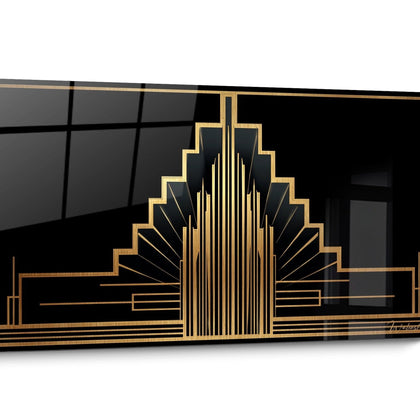 Artistic Movements Painting Art Deco24
artworks
Artistic Movements Painting Art Deco24
artworks
-
 Golden Artistic Movements Wall Art24
artworks
Golden Artistic Movements Wall Art24
artworks
-
 Artistic Movements Portrait Wall Art24
artworks
Artistic Movements Portrait Wall Art24
artworks
-
 Expressionist Artistic Movements Wall Art14
artworks
Expressionist Artistic Movements Wall Art14
artworks
-
 Art Nouveau Artistic Movements Wall Art14
artworks
Art Nouveau Artistic Movements Wall Art14
artworks
-
 Black and White Art Movements Wall Art12
artworks
Black and White Art Movements Wall Art12
artworks
-
 Artwork Artistic Movements Hyperrealism8
artworks
Artwork Artistic Movements Hyperrealism8
artworks
-
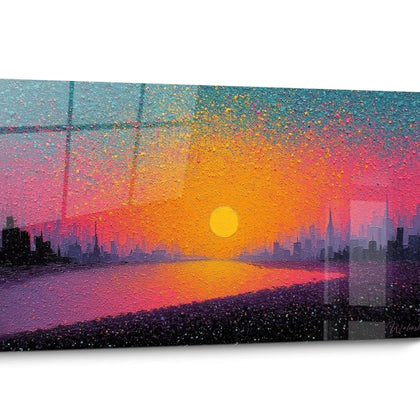 Artistic Movements Pointillism Wall Art8
artworks
Artistic Movements Pointillism Wall Art8
artworks
-
 Artistic Movements Wall Art Gothic9
artworks
Artistic Movements Wall Art Gothic9
artworks
-
 Renaissance Artistic Movements Wall Art8
artworks
Renaissance Artistic Movements Wall Art8
artworks
-
 Symbolist Artistic Movements Wall Art6
artworks
Symbolist Artistic Movements Wall Art6
artworks
-
 Surrealism Artistic Movements Wall Art5
artworks
Surrealism Artistic Movements Wall Art5
artworks
-
 Baroque Artistic Movements Wall Art8
artworks
Baroque Artistic Movements Wall Art8
artworks


All about Artistic Movements Painting Romanticism
- Romanticism Presentation
- Journey into the Romantic Soul
- Sublimate Space with Emotion
- Composition and Visual Heritage
Romanticism revolutionizes visual expression by celebrating the primacy of feeling over reason. A painting movements artistic romanticism captures this emotional intensity through tormented landscapes, dramatic skies, and a raging nature that reflects human passions. These large-scale creations transform your interior into a sanctuary dedicated to contemplating the elemental forces and the yearnings of the heart, offering a striking contrast to the rational currents that preceded it.
The Poetic Essence of Romanticism in Your Wall Decor
A painting movements artistic romanticism embodies a revolt against academic classicism by favoring the artist's overflowing imagination and subjectivity. Imposing formats amplify this emotional dimension, allowing maritime storms, medieval ruins shrouded in mist, and flamboyant sunsets to literally invade your living space.
Why choose a romantic work for your contemporary living room?
Integrating a romantic representation creates a fascinating tension with the clean lines of modern interiors. This juxtaposition values the introspective dimension sought by art lovers sensitive to melancholic atmospheres and visually rich narratives filled with nostalgia. Unlike a painting movements artistic abstract , which favors pure form, romanticism tells dramatic stories inspired by gothic literature and national legends.
The exclusive themes of the romantic movement
Romantic artists favor motifs impossible to find elsewhere: spectacular shipwrecks symbolizing human fragility in the face of the elements, solitary travelers contemplating the infinite expanse of misty mountains, historical battles transformed into legendary epics. These monumental compositions require generous formats to restore the sublime grandeur that characterizes this revolutionary movement born in reaction to increasing industrialization.
How does romanticism dialogue with your daily emotions?
Beyond aesthetics, these creations function as emotional catalysts that invite waking dreams. Dramatic contrasts between deep shadows and celestial lights, a color palette oscillating between earthy ochres and stormy blues, create an atmosphere conducive to introspection. In an office or library, this visual presence stimulates creativity by reminding that intuition is as valuable as rational logic.
- Nocturnal scenes bathed in moonlight evoking mystery
- Representations of untamed nature conquered by man
- Psychological portraits revealing inner torments
- Architectural ruins testifying to the passage of time
Transform Your Interior with the Visual Power of Romanticism
The installation of a painting movements artistic romanticism in imposing proportions completely redefines the spatial perception of your home. These monumental works function as imaginary windows opening onto infinite horizons, enchanted forests, or raging oceans, creating an illusory depth that visually pushes back the limits of your walls.
Which room is ideally suited to a romantic composition?
Reception areas particularly benefit from this emotional intensity. A generously sized living room allows a coastal storm scene or an alpine landscape to deploy all its evocative power. The master bedroom is also suitable for more intimate representations: golden sunsets over misty lakes, abandoned gardens overgrown with lush vegetation. These themes foster a meditative atmosphere conducive to restorative rest.
The Chromatic Impact of Romantic Palettes
Artists of this movement strategically use hues to amplify emotional intensity. The tormented grays of storm clouds contrast with the incandescent reds of sunsets, while the deep greens of primordial forests oppose the brilliant whites of waterfalls. In a neutral-toned interior, these chromatic explosions become magnetic focal points that immediately capture the eye and structure the entire decor .
How to Maximize the Immersive Effect of Your Acquisition?
Strategic placement exploits existing architectural features. Facing a main sofa, a horizontal panoramic landscape representation encompasses the visual field for total immersion. Vertical compositions enhance ceiling heights by drawing the eye upwards, creating a sense of spiritual elevation cherished by the Romantics . The absence of competing decorative elements within a radius of one meter preserves the intensity of contemplation.
- Prioritize blank walls without adjacent windows
- Avoid proximity to aggressive artificial light sources
- Maintain a viewing distance equivalent to the diagonal of the artwork
- Harmonize with furniture featuring classic or vintage lines
Decoding the Aesthetic Codes of Pictorial Romanticism
The romanticism art movement painting movements artistic romanticism is characterized by immediately recognizable formal characteristics that visually translate the philosophical concerns of this movement born at the turn of the 19th century. Dynamic composition favors diagonal lines creating visual tensions, asymmetrical formats breaking with neoclassical balance, and bold framing that places the viewer at the heart of the represented action.
The characteristic pictorial techniques of the movement
Master Romantics develop an expressive touch that anticipates Impressionism: visible brushstrokes translating creative urgency, textured impastos suggesting the materiality of natural elements, superimposed glazes creating atmospheric depths. These technical processes amplify the emotional dimension by making the creative gesture palpable, transforming each painted surface into a direct testimony of artistic passion.
Which emblematic artists define this visual movement?
Caspar David Friedrich embodies the spiritual dimension with his contemplative landscapes where man measures his insignificance against the immensity of nature. Eugène Delacroix brings revolutionary fervor through scenes of popular insurrection in fiery colors. William Turner dissolves forms in luminous whirlwinds that foreshadow future abstraction. Joseph Mallord William Turner transcends objective representation to capture the ephemeral essence of climatic phenomena.
The contemporary legacy of Romanticism in your collection
Acquiring a monumental reproduction of this movement is an affirmation of your sensitivity to an aesthetic tradition that values authentic expression over social conformity. This approach demonstrates an appreciation for complex visual narratives, an affinity for atmospheres charged with symbolism, and a rejection of purely ornamental decoration. In a cultural context saturated with ephemeral images, these timeless compositions offer durable visual anchors inviting prolonged contemplation.
- Recurring symbolism of unleashed natural elements
- Frequent presence of human figures diminished by the environment
- Gothic architecture evoking an idealized past
- Skies often occupying two-thirds of the composition
Is a romanticism painting romanticism painting suitable for modern professional spaces?
Absolutely, these artworks bring a valuable humanist dimension to corporate environments. They remind us of the importance of intuition and creativity in the face of rational processes, creating workspaces that value personal fulfillment as much as mechanical productivity.
Why choose a large format for a painting romanticism movement?
The generous dimensions respect the original intention of romantic creators who conceived their works as total immersive experiences. A reduced format would dilute the emotional impact of grandiose landscapes and dramatic scenes, depriving the viewer of the feeling of being transported into a parallel universe full of symbolic meanings.
How to distinguish an authentic romantic style from a simple landscape representation?
Beyond the subject depicted, look for the intentional emotional charge: do the natural elements translate emotional states? Does the composition generate dramatic tension? Do the contrasts of light create a particular atmosphere? Romanticism systematically transforms nature into a mirror of human passions, unlike purely descriptive or decorative landscapes lacking psychological depth.
Further reading
Our articles on this topic
- Sea whirlpools and maelstroms in Romantic art
- Why Did Romantic Painters Often Depict Travelers Contemplating the Landscape?
- Why do sunlit clearings contrast with dark underwoods in Romantic art?
- Delacroix and Passionate Romanticism in Interior Design
- How did Romantic painters create their turbulent skies?
- Buying a Romantic Pre-Raphaelite painting: the quality criteria to check
L'art qui suscite l'envie
Maison belge d'art mural grand format
14 jourspour changer d'avis*
Protection Walenskyincluse
Fabriquéen Italie
FormatXXL
Kit de fixationtoujours fourni
* Hors tableaux personnalisés et tailles personnalisées


