



Black and White Hallway Wall Art
Our Painting for Hallway Black and White collection enhances your passageways with timeless elegance. Discover graphic black and white art specifically designed to energize hallways and entrances. Each creation plays on powerful contrasts and refined compositions to create an immediate visual impact. These monochrome decorative paintings bring sophistication and character to your long, narrow spaces, transforming each passageway into a true contemporary art gallery.
 Between Us Canvas - Abstract Body Edition273,90 €
 Contemplative Ivory Dunes Canvas - Abstract Expressionist Edition242,90 €
 Urban Flight Gray Wall Art - Abstract Expressionist Edition242,90 €
 Wild Silver Foam Artwork - Abstract Expressionist Edition242,90 €
 Sunlit Glow Artwork - Abstract Face Edition273,90 €
 Two Faces Wall Art - Abstract Surrealism Edition273,90 €
 Between Two Worlds Wall Art - Figurative Abstract Edition273,90 €
 Line Dance Wall Art - Abstract Dancer Edition273,90 €
 Treble Clef Painting No. 1 - Abstract Music Edition273,90 €
 Clarinet Painting N°2 - Abstract Music Edition273,90 €
 Touch of Darkness Artwork - Abstract Face Edition273,90 €
 Urban Mists Canvas - Black and White Abstract Edition273,90 €
 Torn Chords Painting - Abstract Music Edition273,90 €
 Keys of Silence Wall Art - Abstract Music Edition273,90 €
 Silent Duality Painting - Abstract Body Edition273,90 €
 Balanced Contrast Artwork - Abstract Body Edition273,90 €
Explore further
In Black and White Hallway Wall Art
-
 Hallway Wall Art899
artworks
Hallway Wall Art899
artworks
-
 Abstract Hallway Wall Art24
artworks
Abstract Hallway Wall Art24
artworks
-
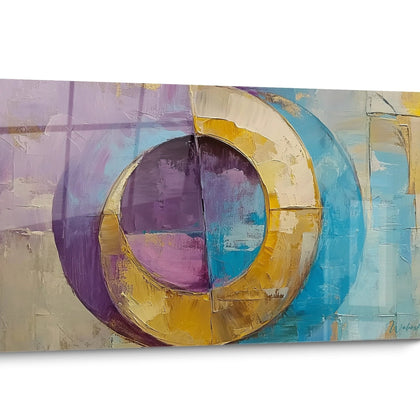 Geometric Hallway Wall Art24
artworks
Geometric Hallway Wall Art24
artworks
-
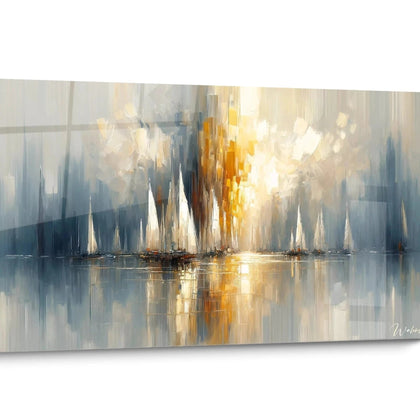 Blue Hallway Wall Art24
artworks
Blue Hallway Wall Art24
artworks
-
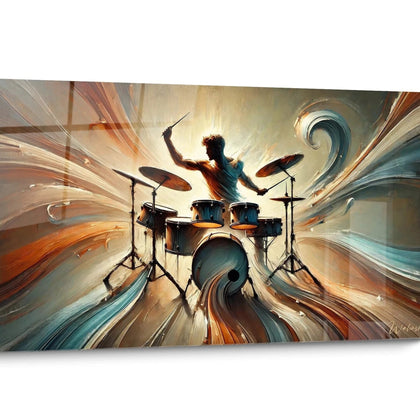 Orange Hallway Wall Art24
artworks
Orange Hallway Wall Art24
artworks
-
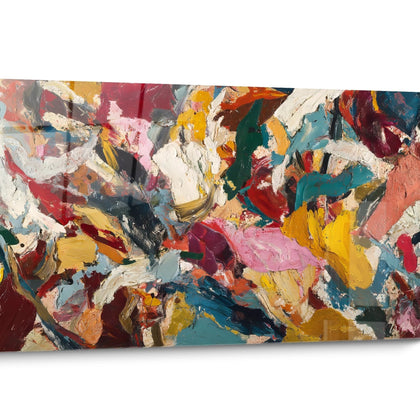 Red Hallway Wall Art24
artworks
Red Hallway Wall Art24
artworks
-
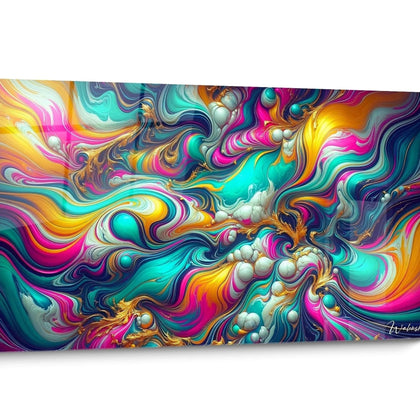 Multicolored Hallway Wall Art24
artworks
Multicolored Hallway Wall Art24
artworks
-
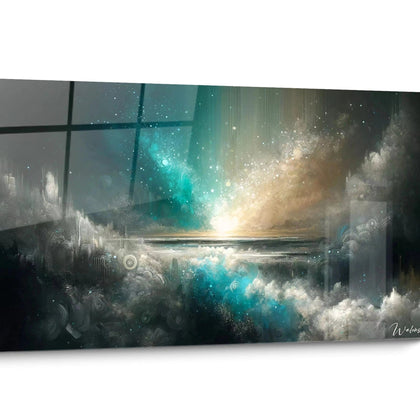 Golden Hallway Wall Art24
artworks
Golden Hallway Wall Art24
artworks
-
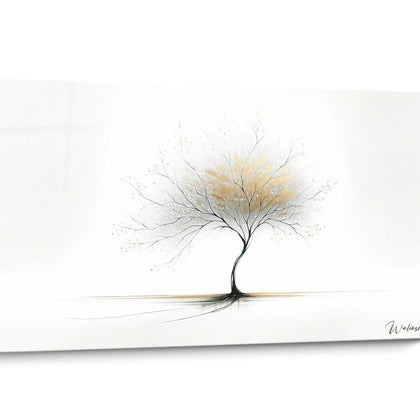 Wall Art for Zen Hallway22
artworks
Wall Art for Zen Hallway22
artworks
-
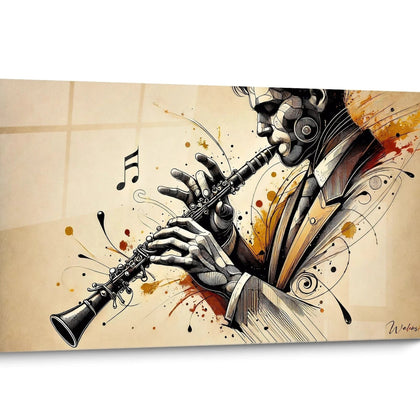 Music Wall Art for Hallway11
artworks
Music Wall Art for Hallway11
artworks
-
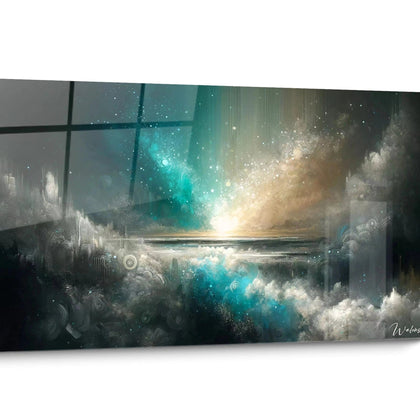 Expressionist Hallway Wall Art12
artworks
Expressionist Hallway Wall Art12
artworks
-
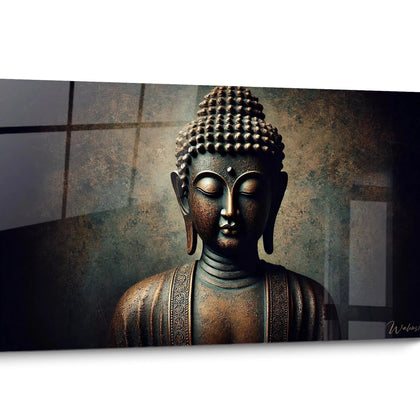 Buddha Hallway Wall Art6
artworks
Buddha Hallway Wall Art6
artworks
-
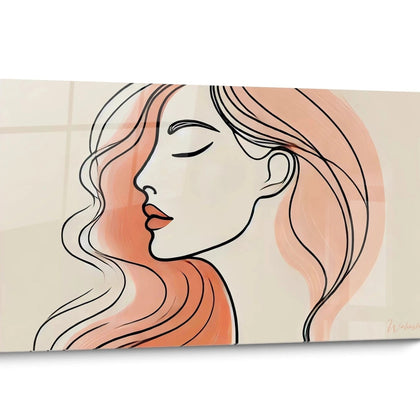 Wall Art for Hallway Face7
artworks
Wall Art for Hallway Face7
artworks
-
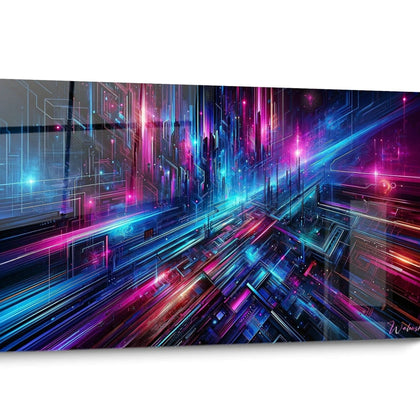 Futuristic Hallway Wall Art7
artworks
Futuristic Hallway Wall Art7
artworks
All about Black and White Hallway Wall Art
- Hallway Wall Art Presentation
- Black and White Graphics
- Hallway Design
- Buying Guide
Discover our selection of black and white hallway wall art, designed to transform your circulation spaces into genuine contemporary art galleries. These large-format creations exploit the timeless contrast of monochrome to visually structure narrow passages and bring architectural sophistication to these often-neglected areas. Each model is conceived to maximize visual impact in longitudinal spaces, playing with perspectives and depth that only the two-tone palette can offer with such intensity.
The timeless elegance of monochrome to enhance your passage space
The black and white hallway wall art represents far more than a simple decorative choice: it's a visual strategy that exploits chromatic neutrality to create maximum impact in a constrained space. The absence of color eliminates all distraction and allows the eye to focus on shapes, textures, and graphic compositions, thus transforming a simple corridor into a rhythmic artistic journey.
Why does black and white contrast amplify the perception of depth in hallways?
The monochrome palette possesses a unique capacity to manipulate the spatial perception of longitudinal passages. Dark areas create focal points that draw the eye toward the end of the hallway, while white spaces generate a sensation of openness and luminosity. This visual dialectic between shadow and light transforms the linear geometry of the hallway into a dynamic experience, where each movement reveals new nuances and depths in the graphic composition.
Black and white abstract patterns work particularly well in these narrow spaces as they create visual continuity without weighing down the atmosphere. An XXL monochrome wall art can even serve as an architectural anchor, defining the character of your entire interior from the entrance. To deepen your decoration with abstract compositions, explore our abstract hallway wall art collection which perfectly complements the monochrome aesthetic.
Graphic compositions adapted to vertical and horizontal formats
The orientation of your black and white hallway wall art determines the psychological effect produced on visitors. Vertical formats accentuate ceiling height and create an impression of grandeur, particularly effective in narrow hallways where floor space is limited. Ascending lines, vertical geometric patterns, or photographic compositions in height naturally guide the eye upward, visually amplifying the available volume.
Conversely, horizontal panoramic formats slow down the visual rhythm and invite contemplation during hallway traversal. Extended scenes, stylized urban landscapes in black and white, or repetitive graphic sequences create a visual narrative that accompanies movement. This approach transforms the simple functional passage into a private gallery where each transit becomes an enriching micro-aesthetic experience.
The importance of framing and finish in monochrome expression
The treatment of edges and final presentation of a black and white hallway wall art significantly influences its architectural integration. Frameless finishes, with edges painted in continuity of the work, reinforce the contemporary effect and allow the composition to merge with the surrounding architecture. This minimalist approach suits particularly modern interiors where visual fluidity takes precedence over the traditional separation between art and support.
Thin metallic frames in matte black or brushed silver can nevertheless provide an elegant delimitation that enhances certain photographic or graphic compositions. This subtle border creates a soft transition between the wall and the work, particularly effective when the hallway already presents strong architectural personality that you wish to respect rather than dominate.
Optimize your hallway layout with monochrome design
How does black and white wall art visually restructure narrow passages?
A large-format black and white hallway wall art functions as a standalone architectural element that redefines the perceived proportions of the space. In particularly long hallways, a series of monochrome wall art pieces regularly spaced creates a visual rhythm that mentally segments the distance, making traversal less monotonous. This technique of artistic punctuations transforms a spatial disadvantage into a distinctive decorative asset.
Asymmetrical compositions and offset black and white patterns also generate a lateral dynamic that counterbalances the axiality imposed by hallway structure. Large visuals positioned slightly off-center break the expected symmetry and create stimulating visual tension that captures attention while preserving circulation fluidity. This strategy proves particularly effective in contemporary residences where architectural originality is sought.
The interaction between natural luminosity and monochrome compositions
Light management represents a particular challenge in hallways, often devoid of windows. A large-format black and white wall art acts as a differential reflective surface: white areas capture and diffuse available artificial or natural light, while black sections create contrasts that define depth. This luminous interaction transforms your work into a passive light optimization device.
In hallways benefiting from lateral natural lighting, prioritize compositions with subtle gradations between black and white. Tonal variations react differently depending on the time of day, creating a living work that evolves with ambient light. This temporal dimension adds unexpected richness to a normally static space, constantly renewing the visual experience for residents.
What decorative associations amplify the impact of monochrome?
The effectiveness of a black and white hallway wall art multiplies when it dialogues with other carefully selected decorative elements. A mirror strategically placed opposite or near the wall art creates reflection plays that visually extend the composition and amplify the sensation of space. This art-mirror combination transforms the hallway into a sophisticated optical device where reality and representation subtly blend.
Minimalist wall sconces in matte black or brushed chrome reinforce monochrome aesthetic coherence while ensuring directional lighting that showcases the contrasts of your work. Position these light sources to create soft shadows that accent the texture and depth of your wall art. Lighting thus becomes an integral part of the overall composition, transforming your hallway into an integrated artistic installation.
Flooring in neutral materials such as polished concrete, white ceramic tiles, or dark-stained parquet creates chromatic continuity that enhances the wall art without creating visual competition. This total monochrome harmony generates a contemporary gallery atmosphere that testifies to a thoughtful and coherent decorative approach.
Selecting the ideal black and white wall art for your hallway configuration
Which dimensional criteria should you prioritize for maximum impact?
Choosing the dimensions of your black and white hallway wall art requires precise analysis of your spatial configuration. For standard hallways of 90-120 cm width, opt for formats that occupy 60-70% of the wall width, creating an affirmed presence without visually obstructing passage. XXL large-format models truly transform the space, particularly in residences with generous ceiling heights where they fully exploit available vertical volume.
In configurations with multiple doors regularly interrupting wall continuity, privilege more compact but multiplied wall art, creating a coherent series that visually unifies fragmented segments. This collection approach transforms architectural constraint into creative opportunity, generating a sequenced artistic journey that elegantly punctuates circulation.
Graphic styles that maximize hallway effect
Abstract geometric patterns in black and white offer exceptional versatility for hallway spaces. Compositions with converging lines or perspective patterns create an amplified illusion of depth that lengthens or shortens the passage visually depending on chosen orientation. These designs play with spatial perception principles to favorably modify the perceived proportions of your interior architecture.
High-definition black and white urban photography brings a contemporary narrative dimension particularly appreciated in modern interiors. Architectural skylines, facade details, or stylized street scenes create a visual window that mentally opens the hallway's confined space toward expansive urban horizons. This psychological trompe-l'œil technique generates welcome mental breathing in narrow passages.
Invest in quality for guaranteed aesthetic durability
Acquiring a premium black and white hallway wall art represents a durable decorative investment that transcends ephemeral trends. Prints on rigid supports with UV-resistant coatings preserve the intensity of monochrome contrasts against prolonged light exposure. This technical protection ensures your composition retains its visual depth and graphic impact for decades.
Large formats also require robust and discreet mounting systems that guarantee safety while preserving minimalist aesthetics. Invisible cable suspension systems or professional gallery rails enable adjustable positioning and stable installation even for imposing works. This invisible technical infrastructure ensures only the work captures attention, without functional distractions.
Is black and white wall art suitable for all hallway styles?
Absolutely. The chromatic neutrality of monochrome adapts equally well to minimalist Scandinavian interiors, industrial loft atmospheres, or reinterpreted classical decorations. Black and white wall art functions as a stylistic chameleon that harmonizes with your existing palette while providing a distinctive visual signature.
What wall art width should you prioritize in a hallway under one meter?
For narrow hallways, select wall art of 50-70 cm width that creates an affirmed presence without visually reducing passage space. Vertical formats work particularly well in these configurations, exploiting available height rather than limited width to maximize decorative impact.
Does black and white hallway wall art require specific maintenance?
Premium monochrome compositions require minimal maintenance: gentle dusting with a dry microfiber cloth generally suffices. Avoid aggressive cleaning products that could alter printed surfaces. Chromatic simplicity actually facilitates maintenance while preserving constant visual impact without necessary touch-ups.


