


Wall Art for Zen Hallway
Our Painting for Zen Hallway collection transforms your circulation spaces into havens of peace. Each artistic creation is designed to bring serenity and harmony to your daily life. These refined works with soft tones create a zen ambiance for hallway conducive to relaxation. Minimalist compositions inspired by Asian art diffuse a soothing energy. Perfect for zen wall decoration, these paintings enhance your passages while inviting contemplation and well-being.
 Tree Watcher of the Mountains Wall Art - Tree of Life Edition273,90 €
 Tree of Life Zen Dance of Seasons Wall Art273,90 €
 Night Tree Wall Art - Zen Life Tree Edition273,90 €
 Ancient Tree Wall Art - Life Tree Zen Edition273,90 €
 Tree Dance of the Seasons - Life Tree Edition Wall Art228,90 €
 Misty Undulating Pearl Canvas - Modern Abstract Edition242,90 €
 Blue and White Painting - Abstract Still Life Edition273,90 €
 Ephemeral Stability Wall Art - Zen Feng Shui Edition273,90 €
 Radiance of Wisdom Wall Art - Zen Buddha Edition273,90 €
 Eternal Tree of Life Wall Art - Zen Tree of Life Edition273,90 €
 Luminous Balance Canvas - Diverse Zen Edition273,90 €
 Spiritual Echoes Canvas - Diverse Zen Edition273,90 €
 Midnight Blue Painting - Abstract Flower Edition273,90 €
 Zen Alley Wall Art - Zen Edition273,90 €
 Forest Balance Canvas - Zen Edition273,90 €
 Floral Softness Artwork - Zen Edition273,90 €
 Balance Wall Art - Zen Edition273,90 €
 Calm Turquoise Wall Art - Zen Edition273,90 €
 Calm Abstract Painting - Zen Edition273,90 €
 Pastel Aurora Wall Art - Abstract Edition273,90 €
 Floral Dawn Wall Art - Abstract Edition273,90 €
 Winter Elegance Wall Art - Minimalist Abstract Edition273,90 €
Explore further
In Wall Art for Zen Hallway
-
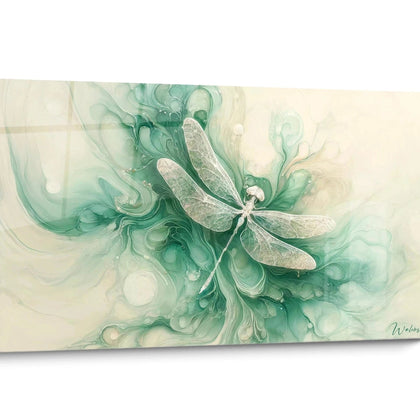 Hallway Wall Art899
artworks
Hallway Wall Art899
artworks
-
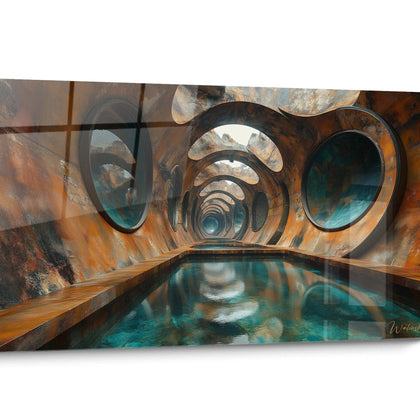 Abstract Hallway Wall Art24
artworks
Abstract Hallway Wall Art24
artworks
-
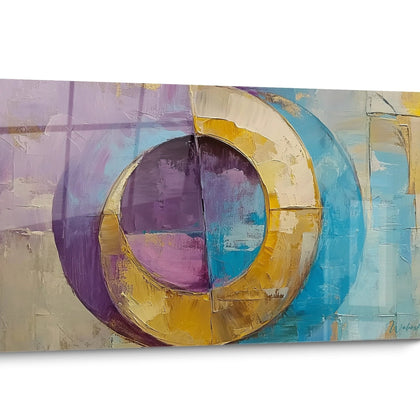 Geometric Hallway Wall Art24
artworks
Geometric Hallway Wall Art24
artworks
-
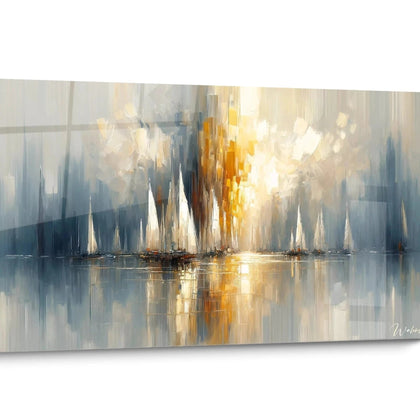 Blue Hallway Wall Art24
artworks
Blue Hallway Wall Art24
artworks
-
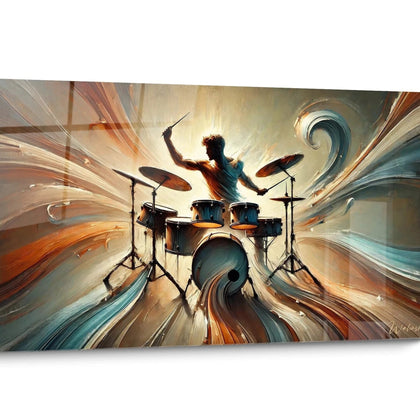 Orange Hallway Wall Art24
artworks
Orange Hallway Wall Art24
artworks
-
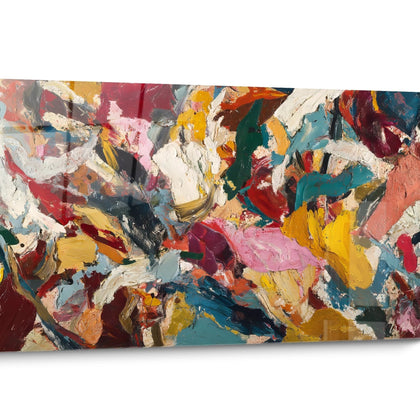 Red Hallway Wall Art24
artworks
Red Hallway Wall Art24
artworks
-
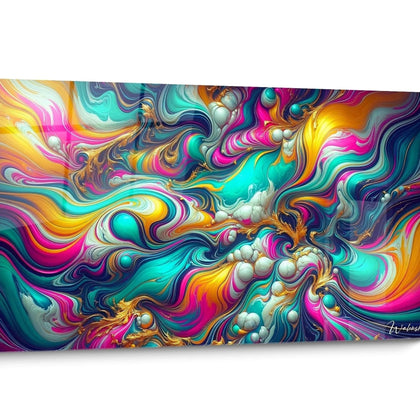 Multicolored Hallway Wall Art24
artworks
Multicolored Hallway Wall Art24
artworks
-
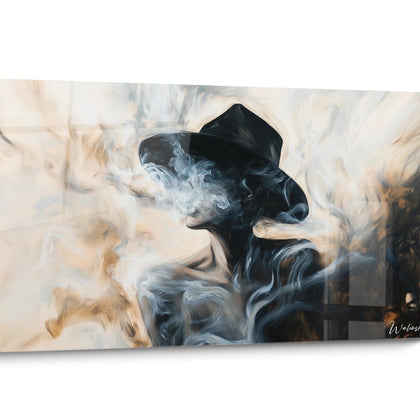 Black and White Hallway Wall Art16
artworks
Black and White Hallway Wall Art16
artworks
-
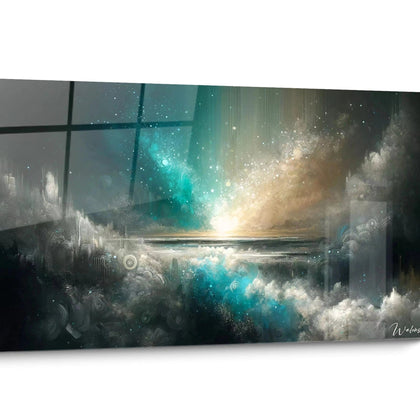 Golden Hallway Wall Art24
artworks
Golden Hallway Wall Art24
artworks
-
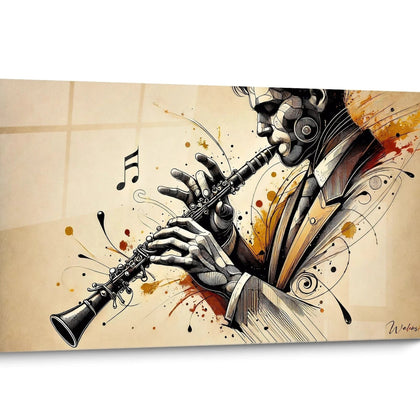 Music Wall Art for Hallway11
artworks
Music Wall Art for Hallway11
artworks
-
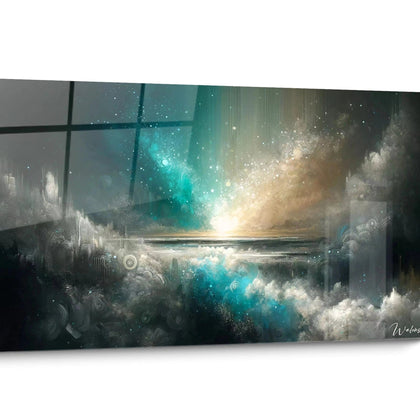 Expressionist Hallway Wall Art12
artworks
Expressionist Hallway Wall Art12
artworks
-
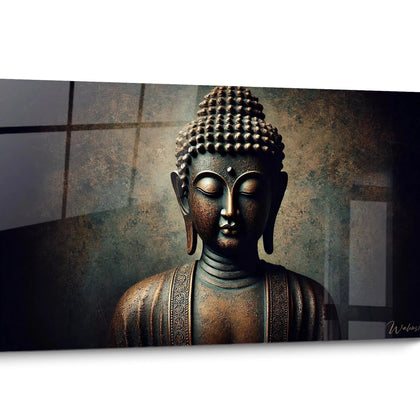 Buddha Hallway Wall Art6
artworks
Buddha Hallway Wall Art6
artworks
-
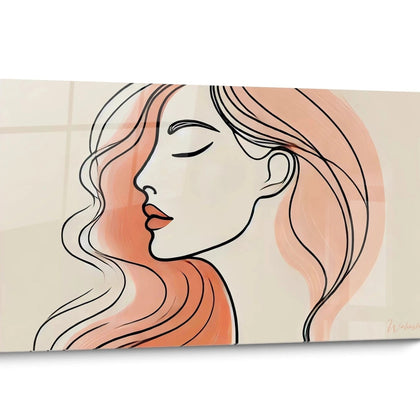 Wall Art for Hallway Face7
artworks
Wall Art for Hallway Face7
artworks
-
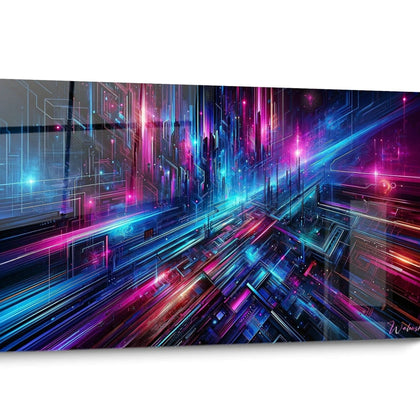 Futuristic Hallway Wall Art7
artworks
Futuristic Hallway Wall Art7
artworks
All about Wall Art for Zen Hallway
- Presentation Painting Hallway Zen
- Create a Relaxing Atmosphere
- Harmonize the Passage Space
- Optimal Choice and Placement
The hallway represents much more than a simple transition space in modern living. It is a strategic energy zone that deserves particular attention in interior design. A painting for a zen hallway radically transforms the perception of this daily passage by creating a soothing visual flow that naturally accompanies movement. These large-scale wall compositions immediately establish a contemplative setting from the entrance, diffusing a serenity that spreads throughout all adjacent rooms. Unlike classic decorative works, these visual creations respond to specific aesthetic principles inspired by Eastern philosophies, prioritizing simplicity, asymmetrical balance, and spatial breathing to favor a harmonious flow of energy.
Establish a Meditative Ambiance in Circulation Spaces
Installing a painting for a zen hallway instantly transforms a narrow corridor into a contemplative gallery. Tall vertical formats visually amplify the space while creating an upward focal point that naturally elevates the gaze and spirit. These compositions favor minimalist motifs inspired by nature: stylized bamboos, balanced pebbles, aquatic undulations, or mountain mists that evoke tranquility without visually overloading.
How does a soothing visual change the perception of the daily passage?
Environmental psychology demonstrates that transition spaces directly influence our emotional state during domestic movement. A zen painting for a hallway acts as a sensory regulator by mentally slowing the pace of passage. Dominant neutral tones such as sandy beiges, stone grays, or moss greens create a cohesive color palette that architecturally unifies the different rooms served. This visual continuity avoids brutal aesthetic breaks while maintaining a permanent atmosphere of tranquility.
Visual Composition and Spatial Breathing
True zen paintings for hallways are distinguished by their generous proportion of empty spaces, a fundamental element of Japanese aesthetics of ma. This visual breathing becomes particularly valuable in corridors where constraining architecture naturally creates a sensation of narrowness. A clean visual with 60 to 70% of solid surface allows the gaze to circulate freely, reproducing the feeling of openness characteristic of meditative spaces. Graphic elements are strategically concentrated on one-third of the surface, creating a visual anchor without spatial oppression.
Integration of Serenity Symbols
Zen iconographies favor symbolic representations rather than figurative ones. Large brush-drawn ensō circles evoke enlightenment and fullness in their assumed imperfection. Alignments of Zen stones suggest stability and progressive meditation. These universally recognized symbols instantly communicate a clear decorative intention to visitors, immediately establishing the restful character of the interior. For lovers of geometric simplicity, exploring abstract paintings for hallways offers complementary alternatives combining minimalism and contemporary sophistication.
Harmonize Energetically the Domestic Transition Space
The hallway functions as the circulatory system of the home, distributing movement flows to each room. A large painting for a zen hallway acts as a regulator of this energy circulation, unconsciously applying the principles of feng shui. Horizontal, elongated visuals naturally accompany the direction of movement, creating a fluid visual guidance that avoids problematic energy stagnation in these linear spaces.
What color palette favors energy flow?
Zen hallways prefer monochromatic schemes that avoid visual fragmentation. Subtle gradations from taupe to ivory create a luminous progression that accompanies movement without creating perceptual disruption. Touches of sage green or sky blue subtly introduce the natural elements essential to zen balance. These soft shades maintain optimal brightness even in passages lacking natural light, a recurring problem in apartment hallways. Light reflection on light tones partially compensates for the absence of windows while preserving this sought-after cocooning atmosphere.
Dimensions adapted to architectural constraints
Contemporary hallways generally measure between 90 and 120 centimeters wide, imposing a specific dimensional reflection. A zen painting for a hallway, 70 to 100 centimeters wide, ideally occupies the available wall surface without visually encroaching on the circulation space. Ultra-wide panoramic formats of 140 to 180 centimeters are particularly suitable for spacious entrance hallways where they immediately create a striking first impression . The height adapts to the length of the corridor: the longer the passage, the more a slender vertical format creates an effective visual punctuation that breaks the linear monotony.
Create contemplative visual sequences
In long corridors exceeding four meters, the installation of several spaced zen paintings transforms the passage into a meditative journey. This gallery approach creates successive visual stations that positively fragment the perception of excessive length. Regular spacing of 80 to 100 centimeters between each composition maintains aesthetic consistency while generating a dynamic of progression. Themes can vary subtly while maintaining strict color unity: bamboo, lotus, pebble, illustrating different facets of Zen philosophy in a continuous visual narrative.
Select and Strategically Position Your Zen Painting
Choosing a painting for a zen hallway requires a prior analysis of the specific architectural characteristics of the space. The available natural light directly influences the color selection: dark passages benefit more from compositions with light and luminous tones, while hallways bathed in natural light tolerate more contrasting palettes with anthracite grays or deep browns. This contextual adaptation ensures that the visual effectively fulfills its calming function in all everyday lighting conditions.
At what height should a zen visual be positioned in a hallway?
The vertical positioning determines the perceptual impact of the zen painting. The standard museum rule recommends a visual center located 145-150 centimeters from the floor, corresponding to the natural eye level when standing. However, in a hallway where one circulates more than they stand, a slightly higher height of 155-160 centimeters creates a beneficial visual elevation that amplifies the sensation of vertical space. This subtle elevation subtly encourages a straight posture during passage, consistent with the postural principles of Eastern meditative disciplines.
Materiality and finishes for zen authenticity
The authenticity of a zen painting partially rests on its perceptible materiality. Matte, non-reflective surfaces preserve the characteristic sobriety of this aesthetic by avoiding distracting parasitic light reflections. Slightly textured surfaces subtly evoke traditional Japanese washi paper or natural mineral plasters. For very large format compositions exceeding 150 centimeters, lightweight structures facilitate wall installation in the hollow walls common in contemporary construction, while guaranteeing lasting solidity despite daily vibrations generated by movement.
Association with the overall decorative environment
A zen painting for a hallway works optimally when it is part of an overall decorative coherence. The visual purity of the painting naturally extends into minimalist furniture: a thin console with clean lines, concealed storage, diffused indirect lighting. Natural materials such as light wood, stone, or bamboo reinforce the zen theme without creating visual redundancy. Natural parquet or limestone-imitation porcelain tile floors establish a neutral chromatic foundation that enhances the wall visual without aesthetic competition.
Is a zen painting suitable for all hallway styles?
A zen hallway painting remarkably adapts to contemporary minimalist interiors, refined Scandinavian ambiances, and Japandi spaces blending Nordic and Japanese aesthetics. In more eclectic interiors, it provides a welcome visual breath that tempers the decorative accumulations of adjacent rooms, creating an appreciated aesthetic decompression chamber.
What is the difference between a zen painting and a classic minimalist composition?
The zen painting is distinguished by its explicit philosophical intention and identifiable Eastern iconography references: stylized natural elements, calligraphy, meditative symbols. Western minimalism favors pure geometric abstraction and formal games without specific symbolic anchorage, creating a different visual purity while sharing some compositional principles.
How to durably maintain a hallway painting zen?
Hallways concentrating dust and particles transported by frequent movement, a bi-weekly dusting with a dry microfiber cloth preserves chromatic clarity. Absolutely avoid wet or solvent products that alter printed surfaces. In particularly busy hallways or close to an exterior entrance, positioning the painting slightly away from the immediate passage area limits exposure to dirt while maintaining its optimal visibility.
Further reading
Our articles on this topic
- Where to hang a zen painting in a narrow, dark, or corner hallway
- How to decorate a narrow hallway with a square Asian bamboo or geisha painting
- Why avoid paintings that require long contemplation in a high-traffic passage?
- Subtle yet impactful artworks to dress your transitional spaces
- Meditation Wall Art, Creating a Peaceful Space Around Art
- Clean Artwork Placement in a Calm Setting
L'art qui suscite l'envie
Maison belge d'art mural grand format
14 jourspour changer d'avis*
Protection Walenskyincluse
Fabriquéen Italie
FormatXXL
Kit de fixationtoujours fourni
* Hors tableaux personnalisés et tailles personnalisées


