


Geometric Hallway Wall Art
Our Painting for Hallway Geometric collection enhances your passageway spaces with modern artistic creations. Each painting geometric for narrow hallway is designed to bring depth and dynamism to your walls. The clean shapes, structured lines, and harmonious compositions create a striking visual impact. Perfect for modern hallways with geometric art, these works transform a simple passage into an elegant and refined contemporary gallery.
 Concentric Colored Circles Painting - Geometric Harmony - Abstract Paint Style Edition273,90 €
 Translucent Colored Circles Wall Art - Geometric Symphony - geometric abstract edition273,90 €
 Orange and Blue Circles Painting - Geometric Harmony - geometric abstract edition273,90 €
 Concentric Colored Circles Painting - Geometric Harmony - geometric abstract edition273,90 €
 Dynamic abstract composition wall art - Geometric explosion - geometric abstract edition242,90 €
 Colorful Overlapping Circles Painting - Geometric Harmony - Abstract Geometric Edition N°2242,90 €
 Dynamic Abstract Geometric Painting - Explosion of Colors - geometric abstract edition242,90 €
 Overlapping Colored Circles Painting - Chromatic Harmony - geometric abstract edition242,90 €
 Abstract Composition Dynamic Painting - Geometric Symphony - Geometric Abstract Edition N°2242,90 €
 Abstract Geometric Wall Art - Mondrian Jackson Pollock Fusion - Abstract Geometric Edition242,90 €
 Abstract dynamic composition wall art - Cosmic energy - abstract geometric edition228,90 €
 Multicolor concentric circles wall art - Geometric symphony - abstract geometric edition228,90 €
 Colorful geometric circles wall art - Modern harmony - abstract geometric edition228,90 €
 Colored geometric abstraction painting - Mondrian fusion - geometric abstract edition228,90 €
 Orange circle and geometric shapes painting - Abstract symphony - geometric abstract edition228,90 €
 Overlapping colored circles wall art - Geometric symphony - abstract geometric edition273,90 €
 Abstract colored composition wall art - Geometric symphony - abstract geometric edition273,90 €
 Transparent colored circles wall art - Chromatic symphony - abstract geometric edition273,90 €
 Colorful Abstract Painting - Dynamic Composition - Abstract Geometric Edition273,90 €
 Dynamic Abstract Composition Painting - Geometric Chaos - Abstract Geometric Edition273,90 €
 Overlapping Colored Circles Painting - Geometric Harmony - Abstract Geometric Edition273,90 €
 Abstract Geometric Composition Wall Art - Organized Chaos - Abstract Geometric Edition273,90 €
 Dynamic Abstract Composition Painting - Geometric Symphony - Abstract Geometric Edition273,90 €
 Timeless Mechanical Complexity Canvas - Abstract Geometric Edition273,90 €
Explore further
In Geometric Hallway Wall Art
-
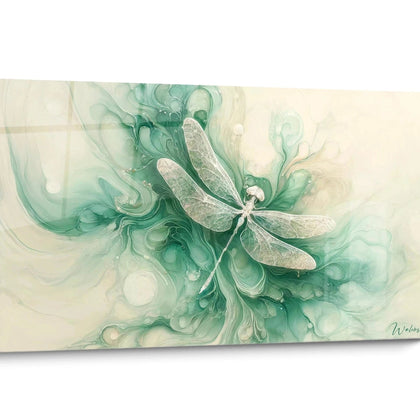 Hallway Wall Art899
artworks
Hallway Wall Art899
artworks
-
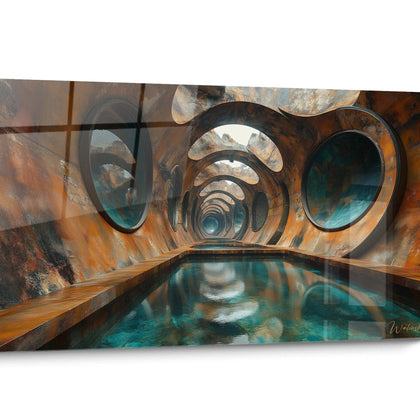 Abstract Hallway Wall Art24
artworks
Abstract Hallway Wall Art24
artworks
-
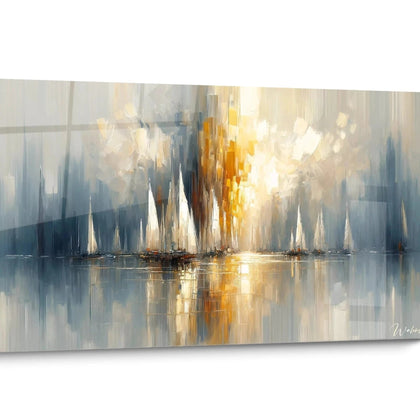 Blue Hallway Wall Art24
artworks
Blue Hallway Wall Art24
artworks
-
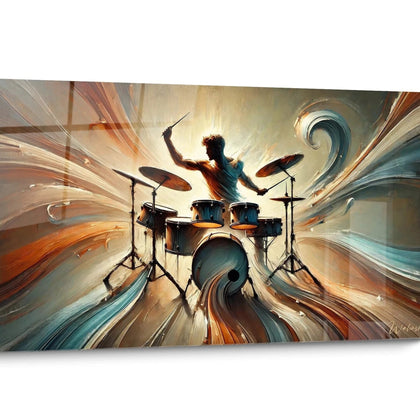 Orange Hallway Wall Art24
artworks
Orange Hallway Wall Art24
artworks
-
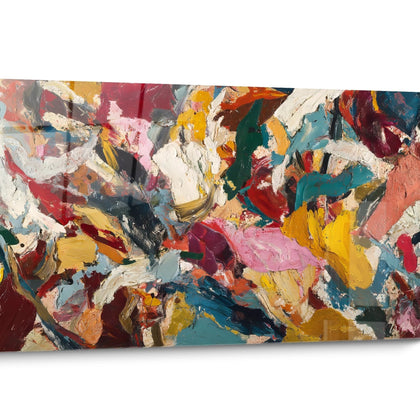 Red Hallway Wall Art24
artworks
Red Hallway Wall Art24
artworks
-
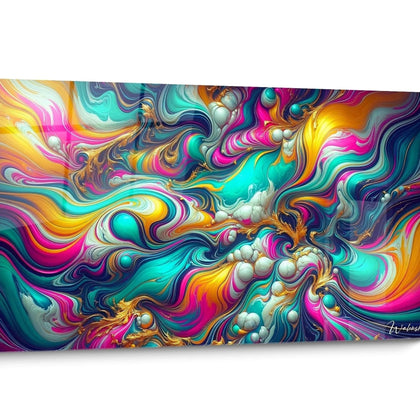 Multicolored Hallway Wall Art24
artworks
Multicolored Hallway Wall Art24
artworks
-
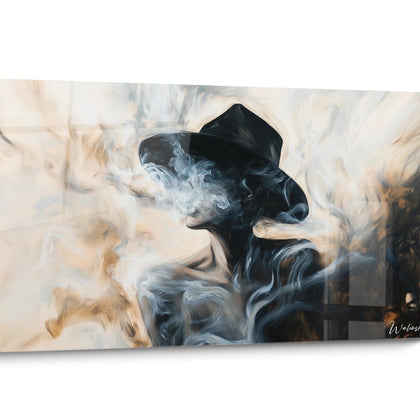 Black and White Hallway Wall Art16
artworks
Black and White Hallway Wall Art16
artworks
-
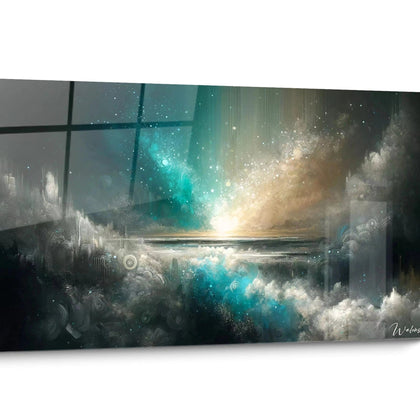 Golden Hallway Wall Art24
artworks
Golden Hallway Wall Art24
artworks
-
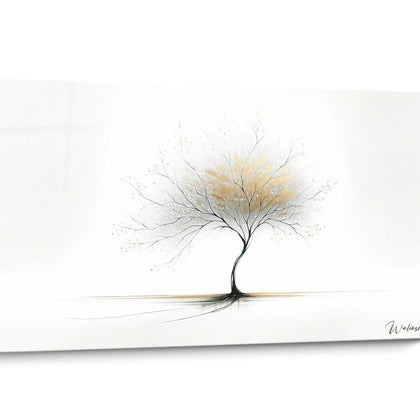 Wall Art for Zen Hallway22
artworks
Wall Art for Zen Hallway22
artworks
-
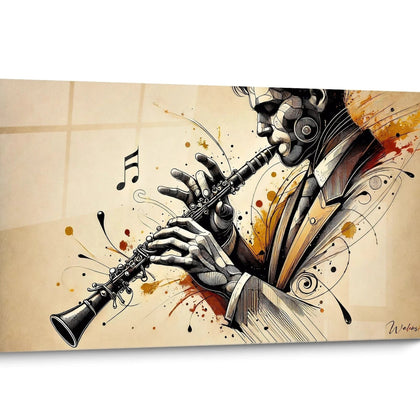 Music Wall Art for Hallway11
artworks
Music Wall Art for Hallway11
artworks
-
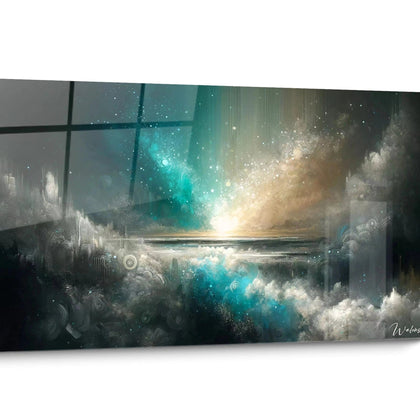 Expressionist Hallway Wall Art12
artworks
Expressionist Hallway Wall Art12
artworks
-
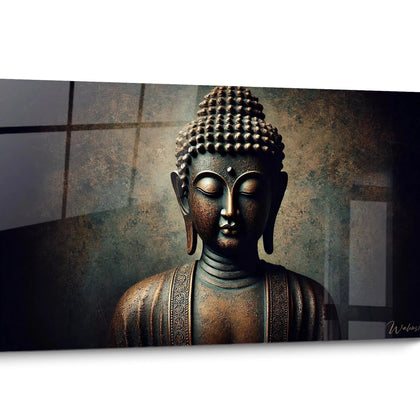 Buddha Hallway Wall Art6
artworks
Buddha Hallway Wall Art6
artworks
-
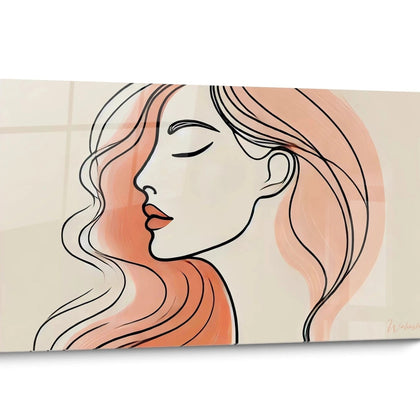 Wall Art for Hallway Face7
artworks
Wall Art for Hallway Face7
artworks
-
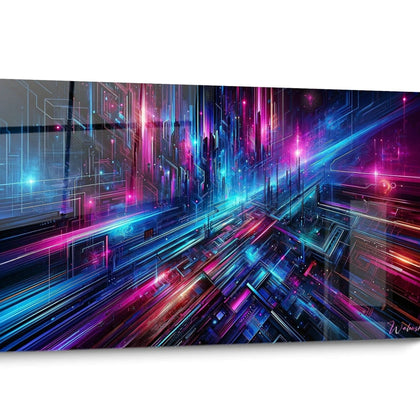 Futuristic Hallway Wall Art7
artworks
Futuristic Hallway Wall Art7
artworks
All about Geometric Hallway Wall Art
- Presentation Painting Hallway Geometric
- Geometric Compositions for Passage Spaces
- Visual Games and Graphic Architectures
- Dimensional Effects in Hallway
A painting for a geometric hallway radically transforms the perception of a narrow space by creating a captivating visual dynamic. These wall creations exploit angular motifs and structured repetitions to generate a visual depth that naturally counterbalances the architectural constraints of passageways. Unlike traditional figurative works, geometric compositions establish an architectural dialogue with the space itself, visually extending vanishing lines or creating graphic counterpoints that enrich the circulation experience. The large dimensions of these wall creations allow them to strategically occupy elongated walls, transforming every daily movement into a structured aesthetic journey.
Geometric Compositions Adapted to Linear Circulation Spaces
Integrating a painting for a geometric hallway relies on understanding the spatial specifics of passage areas. Panoramic formats exploit the natural horizontality of hallways by creating a visual continuity that accompanies movement. Repetitive modular patterns - interlocking triangles, assembled hexagons, rhythmic grids - generate a graphic cadence that visually structures the longitudinal space without weighing it down.
How do angular shapes redefine the perspective of a narrow hallway?
Geometric compositions strategically use convergent and divergent lines to modify the perception of proportions. A painting for a geometric hallway with diagonals oriented outwards creates an impression of widening, while chevron or zigzag patterns energize the depth. Large wall formats installed in passageways exploit these optical principles to visually compensate for architectural narrowness. Monochromatic palettes with strong contrasts accentuate the structural impact of shapes, while multicolored compositions introduce a complexity that slows the gaze and enriches the movement experience.
Visual rhythms and graphic sequencing in a linear space
The organization of geometric elements determines the perceptual flow along the corridor. Progressive compositions - where shapes gradually evolve from one end to the other - create a visual narrative journey that naturally guides circulation. Large-scale hallway paintings allow these progressions to be deployed over several meters, transforming the passage into a graphic gallery. Radially centralized patterns function as focal points that visually anchor the space, particularly effective at intersections or facing main entrances.
What geometric arrangements optimize the experience in long passages?
Stratified compositions with superimposed geometric planes generate an illusory depth particularly valuable in constrained spaces. A painting for a geometric hallway integrating several levels of reading - main shapes, secondary structures, textural details - maintains visual interest even during repeated daily passages. Large-scale creations allow for this compositional complexity without perceptual saturation. To diversify your decorative approach, also explore the possibilities offered by an abstract painting for a hallway which offers dynamics complementary to geometric rigor.
Architectural Games and Dialogues between Graphic Structures and Spatial Structures
Correspondences between wall geometries and architectural lines
The installation of a geometric hallway painting creates structural resonances with the built environment. Orthogonal compositions reinforce contemporary architectural rigor, while curved or organic-geometric patterns introduce a dynamic contrast into rectilinear spaces. Large wall creations allow for the establishment of scale correspondences with architectural elements - ceiling heights, door widths, partition rhythms - for harmonious integration. Tessellated patterns evoke architectural decorative traditions while asserting a resolutely graphic aesthetic.
Effects of depth and dimensional illusions in a hallway
Isometric compositions and impossible perspectives transform the wall into a three-dimensional window. A geometric hallway painting exploiting these visual techniques generates a particularly appreciable perceptual escape in narrow passages. Large dimensions amplify these immersive effects, allowing patterns to extend far beyond the peripheral field of vision. Chromatic gradations synchronized with formal progressions accentuate the impression of spatial depth. These visual strategies effectively compensate for architectural limitations by offering a virtual extension of the available space.
What impact do symmetries and asymmetries have on circulation?
Symmetrical compositions establish a formal balance that soothes the passage experience, particularly suitable for welcome hallways or reception areas. Conversely, asymmetrical arrangements create a stimulating visual tension that energizes internal circulation zones. A large-format geometric hallway painting allows you to play with these balances on an architectural scale, creating strategically positioned visual anchors. Modular compositions also offer the flexibility to adapt to specific constraints - doors, switches, sconces - while maintaining overall graphic coherence.
Chromatic contrasts and definition of passage zones
Geometric palettes visually structure space through chromatic segmentation. Bicolor compositions with high contrast - black/white, deep blue/bright yellow - create clear graphic demarcations that rhythm the hallway. Polychrome paintings for hallways with gradual transitions generate a fluidity that softens the linearity of the passage. Large dimensions allow complex chromatic progressions to be deployed over several meters, creating micro-atmospheres along the route.
Dimensional Strategies and Perceptive Activation of Longitudinal Passages
Extended formats and optimal occupation of elongated walls
Panoramic compositions fully exploit the specific morphology of hallways. A hallway painting in an extended format transforms the continuous wall into a unified expressive surface, eliminating the visual fragmentation of multiple small frames. Large dimensions - often over 120 cm in width - allow geometric patterns to unfold with the necessary amplitude to generate an architectural impact. Horizontal compositions naturally follow the direction of circulation, while vertical formats create counterpoints that slow the gaze and enrich the perceptual rhythm.
What geometric densities are suitable for different hallway lengths?
The complexity of the composition should be adjusted to the duration of visual exposure during movement. In short passages, concentrated geometric patterns with a high density of information create an immediate impact. For longer corridors, a geometric hallway painting with progressive variations or rhythmic repetitions maintains interest without saturation. Large wall creations allow you to modulate this density by creating zones of concentration alternating with visual breaths. Multi-reading compositions - a global perception from a distance, a detailed discovery in proximity - optimize the experience for different speeds of movement.
Light interactions and revelation of geometric structures
Lighting radically transforms the expression of angular compositions. The tonal contrasts of a geometric hallway painting are accentuated or softened depending on the lighting direction. In corridors with natural lateral lighting, geometric patterns create games of shadows that dynamically enrich perception throughout the day. Passages with zenithal lighting benefit from vertical compositions that capture this descending light. Large formats maximize these photonic interactions, transforming daily light variations into a renewed visual spectacle.
How do modular repetitions structure the temporal experience of the passage?
Repetitive geometric patterns establish a perceptive cadence that rhythms movement. A geometric hallway painting with modular sequences creates visual landmarks that psychologically segment the route, particularly appreciated in long passages. Large dimensions allow enough repetitions to be deployed to establish this rhythm without monotony. Subtle variations between modules - slight chromatic evolutions, progressive dimensional modifications - maintain dynamics while preserving structural coherence. This approach transforms simple transit into a memorable spatial experience.
FAQ - Frequently Asked Questions about geometric paintings for hallways
Is a geometric hallway painting suitable for narrow passages with many doors?
Geometric compositions are particularly well suited to fragmented spaces. Modular patterns allow you to compose around openings while maintaining overall visual coherence. Large creations can be strategically positioned between doors to create zones of maximum expression, while vertical formats exploit restricted wall sections with impact.
Are complex geometric patterns suitable for high-traffic hallways?
Structured geometric compositions work excellently in areas with frequent passage. Unlike detailed figurative works that require static contemplation, geometric arrangements offer a dynamic reading adapted to movement. Large dimensions ensure effective perception even when moving quickly, while revealing subtleties during more contemplative passages.
What orientation should be favored for a geometric painting in an L-shaped hallway?
Angular configurations benefit from geometric compositions positioned at viewing angles. A large-format geometric hallway painting placed facing the intersection creates a directing focal point visible from both branches of the L. Radial or centralized patterns work particularly well in this configuration, naturally guiding the gaze and visually structuring the transition space.
Further reading
Our articles on this topic
- What paintings for a narrow hallway: recommended formats and compositions
- What series format for 5 identical artworks (5x20x30cm) for a gallery hallway?
- How to choose artworks that create a visual continuity in a segmented hallway?
- Horizontal Composition Artwork: How to Visually Widen a Narrow Hallway?
L'art qui suscite l'envie
Maison belge d'art mural grand format
14 jourspour changer d'avis*
Protection Walenskyincluse
Fabriquéen Italie
FormatXXL
Kit de fixationtoujours fourni
* Hors tableaux personnalisés et tailles personnalisées


