


Buddha Hallway Wall Art
Our Painting for Hallway Buddha collection enhances your passageways with elegance and spirituality. Each artwork evokes serenity and awakening, transforming your hallway into a place of daily meditation. Perfect for creating a zen atmosphere, these artistic creations inspire calm and harmony. Ideal for a wall decoration zen buddha, they bring a refined spiritual touch to your interior. Explore our universe of Buddhist paintings for hallway and let yourself be transported to absolute tranquility.
 Buddha Painting Interior Reflections - Buddha Edition233,90 €
 Buddha Undulating Dream Wall Art - Buddha Edition233,90 €
 Buddha Wall Art Porcelain Dreams - Buddha Edition213,90 €
 Buddha Painting Celestial Meditation - Buddha Edition213,90 €
 Heart of Dharma Wall Art - Buddha Zen Edition233,90 €
 Calm Turquoise Wall Art - Zen Edition233,90 €
Explore further
In Buddha Hallway Wall Art
-
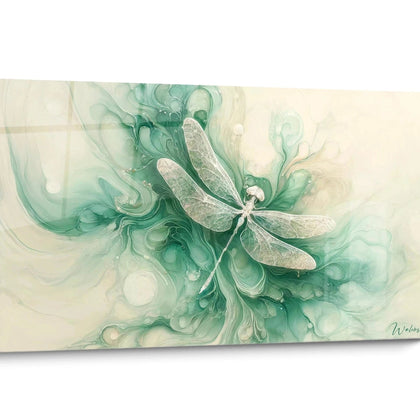 Hallway Wall Art899
artworks
Hallway Wall Art899
artworks
-
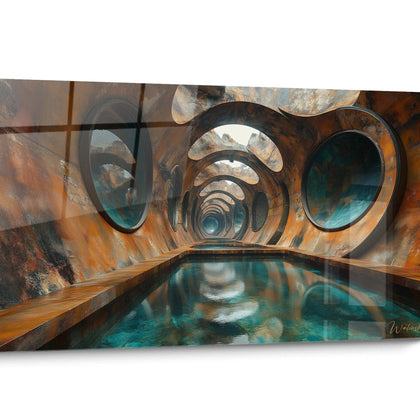 Abstract Hallway Wall Art24
artworks
Abstract Hallway Wall Art24
artworks
-
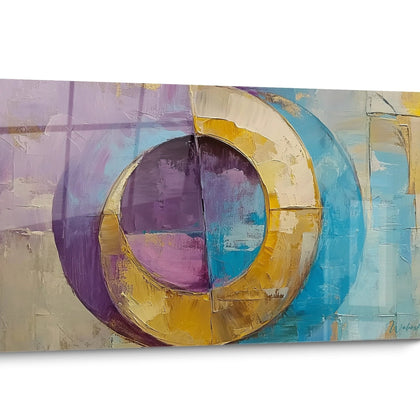 Geometric Hallway Wall Art24
artworks
Geometric Hallway Wall Art24
artworks
-
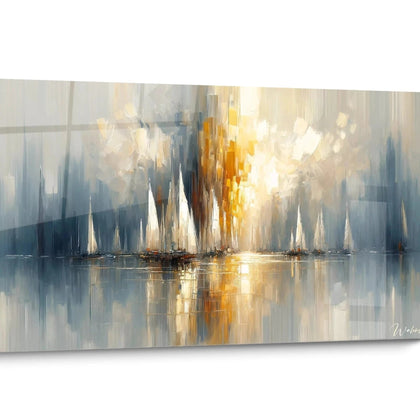 Blue Hallway Wall Art24
artworks
Blue Hallway Wall Art24
artworks
-
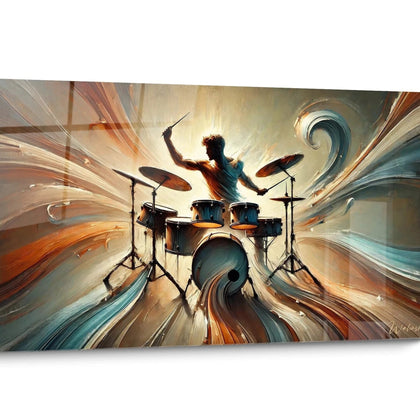 Orange Hallway Wall Art24
artworks
Orange Hallway Wall Art24
artworks
-
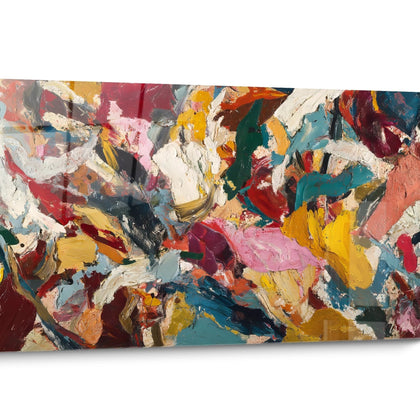 Red Hallway Wall Art24
artworks
Red Hallway Wall Art24
artworks
-
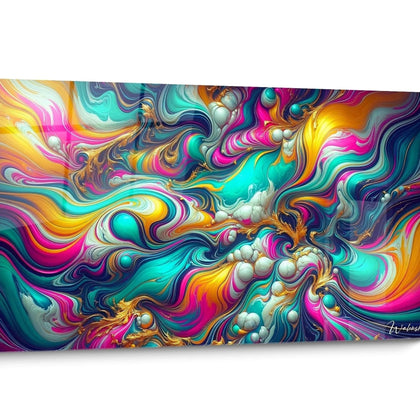 Multicolored Hallway Wall Art24
artworks
Multicolored Hallway Wall Art24
artworks
-
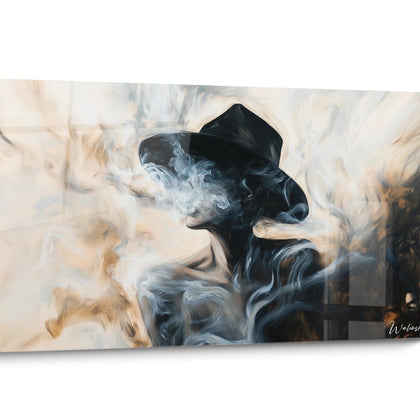 Black and White Hallway Wall Art16
artworks
Black and White Hallway Wall Art16
artworks
-
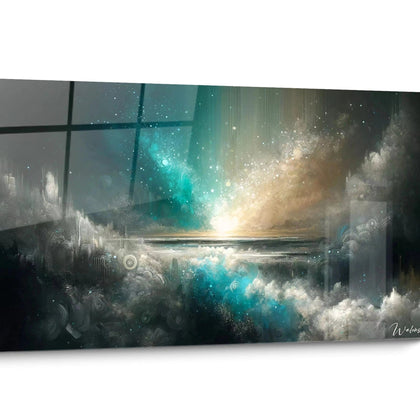 Golden Hallway Wall Art24
artworks
Golden Hallway Wall Art24
artworks
-
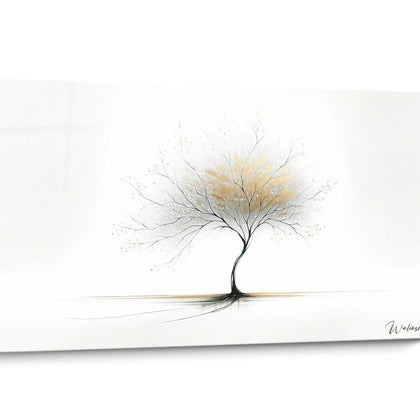 Wall Art for Zen Hallway22
artworks
Wall Art for Zen Hallway22
artworks
-
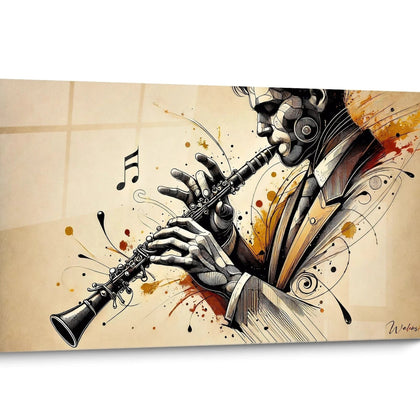 Music Wall Art for Hallway11
artworks
Music Wall Art for Hallway11
artworks
-
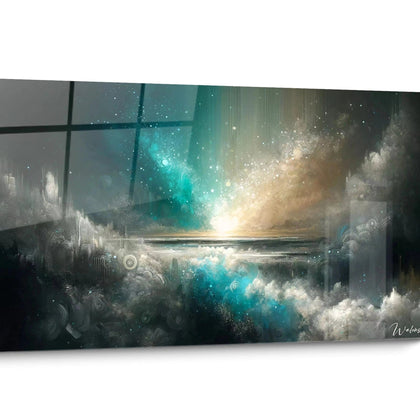 Expressionist Hallway Wall Art12
artworks
Expressionist Hallway Wall Art12
artworks
-
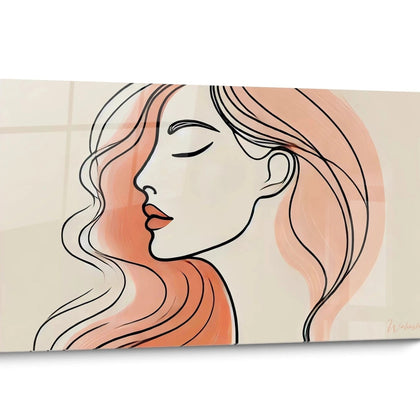 Wall Art for Hallway Face7
artworks
Wall Art for Hallway Face7
artworks
-
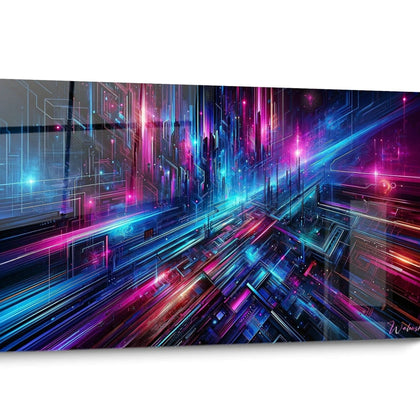 Futuristic Hallway Wall Art7
artworks
Futuristic Hallway Wall Art7
artworks
All about Buddha Hallway Wall Art
- Buddha Wall Art Hallway Presentation
- Spirituality and Circulation
- Contemplative Atmosphere
- Zen Passage Decoration
A Buddha wall art for hallway transforms a passage space often overlooked into a spiritual gallery, creating a meditative transition between different areas of your home. These monumental representations combine Buddhist serenity with the specific architectural constraints of corridors, offering a contemplative dimension to every daily movement. Discover how these expansive works redefine the very essence of your interior circulation spaces.
Buddhist Art in Transition Spaces
The Buddha wall art for hallway addresses a unique decorative challenge: creating a spiritual focal point in a linear space where the eye is naturally guided forward. Unlike square rooms, the hallway imposes a directional perspective where the Buddha representation becomes a visual beacon accompanying each passage. This particular configuration transforms your corridor into a symbolic path, recalling the processional galleries of Asian temples.
How does the eye capture a Buddhist artwork in motion?
In a hallway, observing a large Buddha wall art is rarely done head-on. The viewer gradually discovers the work from different angles during circulation, creating a dynamic experience. Horizontal panoramic formats accompany this lateral vision, while vertical compositions create an imposing presence visible from the hallway entrance. This mobile interaction with Buddhist iconography generates meditation in motion, particularly suited to contemporary living rhythms.
Spiritual depth in narrow spaces
Hallways often present a reduced width that might seem constraining for spiritual decoration. Yet, a painting depicting Buddha in meditation exploits this forced proximity to create contemplative intimacy. Within meters of the work, the details of mudras and the serene facial expression become daily revelations. This unusual closeness contrasts with the distant approach typical of living rooms, offering a more personal connection with Buddhist symbolism.
What dimensions should be prioritized for a residential corridor?
For a Buddha hallway decorative wall art, formats between 90 and 150 cm in width visually dominate without saturating the space. Height can reach 180 cm in standard passages with 2.50 m ceilings, creating a monumental presence. These generous proportions transform the hallway into a domestic sanctuary, particularly effective in L-shaped configurations where the artwork marks the directional change. The work becomes both an architectural and spiritual landmark.
Integrating a Buddhist representation in a hallway also dialogues with other decorative styles. An abstract hallway wall art can harmoniously complement a zen composition on the opposite wall, creating balance between figurative spirituality and contemporary non-representational expression.
Creating a Meditative Ambiance in Passages
The chromatic influence of Buddhist representations
A Buddha wall art for hallway diffuses particular tones that radically modify the passage's atmosphere. Golden palettes evoking temple statues create warm luminosity even in hallways without windows. Versions with copper or antique bronze dominants bring earthy depth that anchors the space, while black and white interpretations sophisticate traditional iconography for minimalist interiors. These chromatic choices directly influence the mindset of occupants daily crossing the space.
Why install a spiritual work in a functional space?
The hallway represents the most frequented zone in a home, crossed dozens of times daily in varying mental states. Positioning a Buddha zen hallway wall art in this constant flow space introduces involuntary micro-contemplative pauses. Even a fleeting two-second glance toward the meditative figure can initiate conscious breathing and mental deceleration. This decorative strategy transforms a purely utilitarian space into a daily emotional regulation tool, particularly valuable in stressful urban homes.
Buddhist representations suited to family passages
In homes with children, the hallway becomes a play and circulation terrain. A painting depicting Buddha in a serene posture offers a soothing visual counterpoint to this agitation. Stylized versions with clean lines and vibrant colors capture younger attention, unconsciously initiating familiarity with peace symbols. For teenagers seeking identity, these Oriental spiritual references often resonate with their existential questioning, creating dialogue opportunities.
Acquiring a modern Buddha hallway wall art requires considering passage frequency and visual wear. In a corridor exposed to constant indirect natural light, UV-protected prints preserve the intensity of ochres and celestial blues characteristic of Buddhist iconography. Matte finishes reduce bothersome reflections during rapid movements, maintaining artwork legibility from all viewing angles.
Thematic continuity between spaces
Installing a Buddha painting in the hallway creates decorative coherence between functionally distinct rooms. This spiritual thread visually connects the zen parent bedroom to the improvised yoga space in the office, unifying the home around a life philosophy. The corridor ceases being simple architectural articulation to become the thematic pivot of your entire decorative ensemble, a visible manifesto of your values of harmony and balance.
Optimizing Visual Presence in Hallways
Mural configurations specific to hallways
A Buddha wall art for hallway must work with wall surfaces interrupted by numerous openings. The ideal zone sits on the wall perpendicular to the main entrance, creating frontal vision upon threshold crossing. This place of honor transforms the work into a spiritual intention declaration for visitors. Alternatively, long lateral walls accommodate panoramic compositions showing Buddha reclining or surrounded by disciples, fully exploiting available length.
How to avoid tunnel effect in a narrow hallway?
Narrow passages can generate an oppressive sensation that Buddhist art effectively counteracts. A painting depicting a smiling Buddha with benevolent expressions psychologically opens the space through radiating serenity. Compositions with backgrounds depicting landscapes or infinite skies create illusory depth, visually widening the corridor. This spiritual trompe-l'œil technique transforms architectural constraint into contemplative opportunity.
Interaction with hallway light sources
Residential hallways often depend on artificial lighting. A Buddha hallway decoration wall art benefits from discreet directional lighting that sculpts the work's visual reliefs without glare. Adjustable spotlights emphasize gilding and enhance contrasts between the meditative figure and its environment. This nocturnal lighting transforms the hallway into a private gallery, reinforcing the sacred dimension of the representation during evening movements.
In the rare hallways enjoying indirect natural light, position the artwork perpendicular to light sources to avoid direct reflections. The golden hours of morning or evening create mobile shadow play on the surface, subtly animating the Buddha figure with quasi-spiritual life. This interaction between natural light and contemplative iconography recreates the ambiance of Oriental sanctuaries where architecture channels sunrays.
Expanded mural compositions around Buddha
A large Buddha wall art for hallway can be accompanied by complementary elements creating a complete decorative installation. Bamboo or brushed metal wall sconces frame the work visually without competing. Hanging plants with ferns or pothos generate a natural setting evoking forests where Buddha meditated. This expanded scenography transforms the hallway segment into a spiritual niche, a breathing space in circulation.
FAQ - Buddha Wall Art for Hallway
Does a Buddha wall art for hallway suit dimly lit passages?
Buddhist representations with golden tones or luminescent elements adapt particularly well to dark hallways. Their warm presence compensates for natural light shortage and creates an immediately visible focal point. Prioritize medium to large formats with marked contrasts to maintain legibility under reduced lighting conditions.
How to position multiple Buddhist representations in a long hallway?
In hallways exceeding 5 meters, a thematic gallery functions effectively: alternate historical Buddha representations with Buddhist symbols (dharma wheel, lotus, mandalas) while maintaining chromatic coherence. Space works 80 to 120 cm apart to create visual rhythm accompanying progression. This museum-like approach transforms movement into progressive spiritual journey.
Does Buddha wall art for hallway integrate into contemporary decoration?
Modern interpretations of Buddhist iconography use minimalist graphic techniques, monochrome palettes, or geometric abstractions that dialogue perfectly with contemporary interiors. These refined versions preserve spiritual essence while adopting current visual language. Pair them with Scandinavian or industrial furniture to create harmonious fusion between Oriental traditions and Western modernity.


