









Music Wall Art for Hallway
Our Painting for Entrance Hall Music collection celebrates musical art in all its splendor. These sophisticated creations transform your passageways into true harmonious galleries. Elegant instruments, stylized musical notes, and rhythmic compositions enrich your musical wall decoration with refinement. Perfect for music lovers and art enthusiasts, these works bring character and personality to your interior. Create an inspiring atmosphere with our decorative paintings music entrance hall.
 Clarinet Painting No.1 - Abstract Music Edition273,90 €
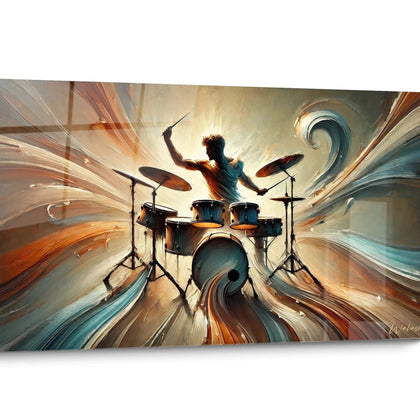
 Drums Wall Art No. 2 - Abstract Music Edition273,90 €
 Abstract musical composition painting - Geometric harmony - Abstract geometric edition242,90 €
 Musical Abstract Composition Wall Art - Harmony of Forms - Abstract Geometric Edition273,90 €
 Treble Clef Painting No. 1 - Abstract Music Edition273,90 €
 Clarinet Painting N°2 - Abstract Music Edition273,90 €
 Drums Painting No.1 - Abstract Music Edition273,90 €
 Sound Keys Canvas - Abstract Music Edition273,90 €
 Torn Chords Painting - Abstract Music Edition273,90 €
 Keys of Silence Wall Art - Abstract Music Edition273,90 €
 Rhythm of Colors Canvas - Abstract Music Edition273,90 €
Explore further
In Music Wall Art for Hallway
-
 Hallway Wall Art899
artworks
-
 Abstract Hallway Wall Art24
artworks
-
 Geometric Hallway Wall Art24
artworks
-
 Blue Hallway Wall Art24
artworks
-
 Orange Hallway Wall Art24
artworks
-
 Red Hallway Wall Art24
artworks
-
 Multicolored Hallway Wall Art24
artworks
-
 Black and White Hallway Wall Art16
artworks
-
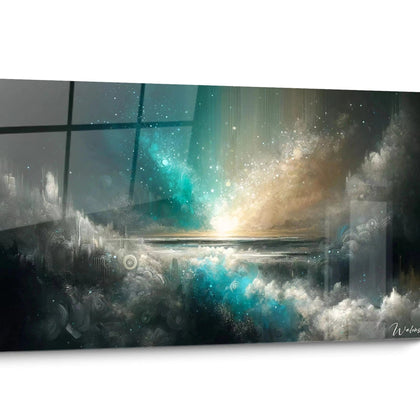 Golden Hallway Wall Art24
artworks
-
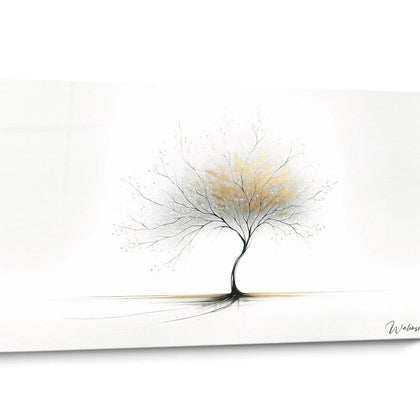 Wall Art for Zen Hallway22
artworks
-
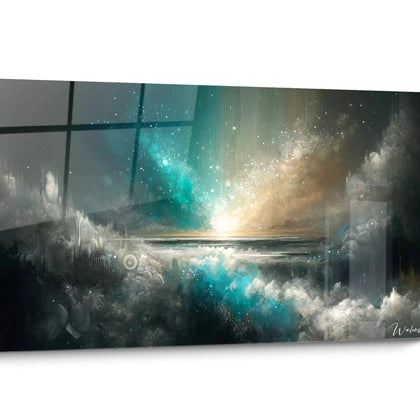 Expressionist Hallway Wall Art12
artworks
-
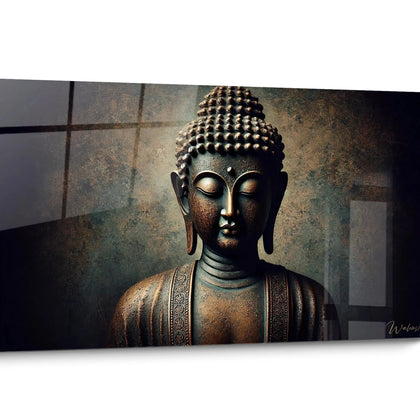 Buddha Hallway Wall Art6
artworks
-
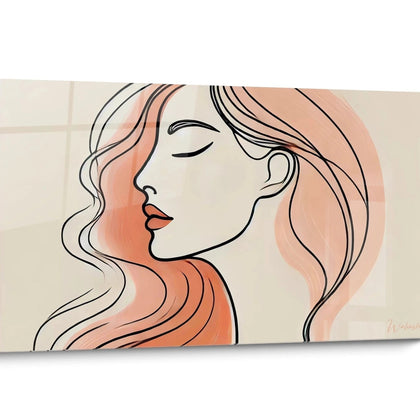 Wall Art for Hallway Face7
artworks
-
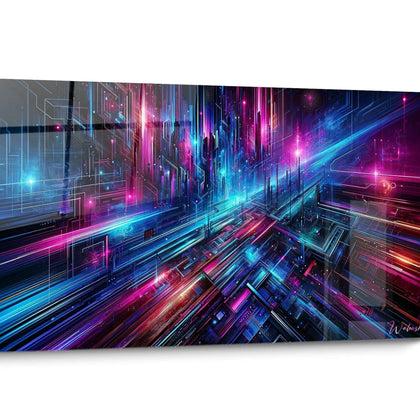 Futuristic Hallway Wall Art7
artworks
All about Music Wall Art for Hallway
- Painting Presentation Music Hallway
- Visual Sound Atmosphere
- Musical Architectural Impact
- Decorative Musical Collection
Transforming a hallway into a gallery dedicated to the world of music represents a bold decorative approach that celebrates artistic passion from the entrance of the home. A painting for music hallway of large dimensions immediately captures the attention of visitors while revealing the cultural identity of the residents. These visual compositions transcend simple wall decoration to become aesthetic manifestos that dialogue with the linear architecture of passageway spaces. The integration of monumental works inspired by instruments, musical scores, or legends of jazz and rock transforms a transitional area into a contemplative destination. The evocative power of these wall creations generates a sensory anticipation that prepares the mind for the ambiance of the living rooms, creating a harmonious thematic continuity throughout the home.
Create a Visual Resonance in Circulation Spaces
The installation of a painting for music hallway responds to a particular sensory logic that exploits the transitional function of these spaces. Panoramic formats amplify the perception of depth while accompanying the natural movement of the gaze during movement. Representations of piano keyboards, vibrating strings, or vintage vinyl records generate a visual rhythm that dialogues with the cadence of footsteps, creating a unique immersive experience.
How to harmonize chromatic tones with the represented sound universe?
The chromatic dominances of a musical wall painting should reflect the energy of the genre evoked. Copper and golden hues recall the warmth of jazz instruments, while black and white contrasts evoke classical rigor. For rock enthusiasts, palettes saturated in deep red and metallic gray capture the electric intensity of stage performances. This sensory correspondence between color and musical genre reinforces the authenticity of the created atmosphere.
The impact of monumental formats on the visual acoustic perception
The imposing dimensions of a musical wall painting radically change the spatial dynamics of a hallway. A composition of 120x80 cm or more creates a magnetic focal point that transforms the perceived narrowness into scenic depth. Representations of concert halls, symphony orchestras, or recording studios generate an illusion of sound volume that resonates visually, even in silence.
What musical motifs should be prioritized for a high-traffic hallway?
Passage spaces benefit from graphic compositions detailed enough to arouse interest during multiple daily observations. Enlarged antique scores reveal new subtleties with each look, while stylized portraits of iconic musicians create a lasting emotional connection. For a hallway painting musical theme, abstract motifs inspired by sound waves or audio frequencies offer a timeless modernity that integrates into various architectural environments. Exploring complementary options like an abstract painting for hallway allows to enrich the aesthetic reflection by comparing different visual approaches for these linear spaces.
Optimize Linear Architecture with the Musical Composition
The particular geometry of corridors imposes spatial constraints that become creative opportunities when selecting a painting for a music hallway. Narrow perspectives amplify the immersive effect of panoramic compositions depicting concert halls or rows of instruments. This architectural configuration favors a narrative approach where the artwork tells a musical story that unfolds along the passage.
Integrating compositions according to the available natural lighting
Corridors without windows require visuals with marked contrasts that remain legible in artificial lighting. Representations of jazz club neon lights or stage spotlights integrate their own narrative light source, compensating for the absence of natural light. Conversely, passages benefiting from lateral lighting enhance metallic works evoking brass instruments or cymbals, creating dynamic reflections throughout the day.
What thematic depth for a main entrance versus secondary corridor?
The main entrance hallway requires an immediate visual statement that establishes the musical identity of the home. A monumental representation of an iconic instrument or a legendary concert scene creates a memorable impact from the moment you cross the threshold. Secondary corridors leading to bedrooms or offices welcome more intimate interpretations: handwritten scores, details of acoustic instruments, or portraits of composers that invite prolonged contemplation.
Visual synchronization between multiple artworks in a long corridor
For extended circulation spaces, installing multiple paintings for a music hallway requires thematic consistency without repetition. A chronological progression through musical eras transforms the passage into a journey through time, from baroque to contemporary. Alternatively, a breakdown by families of instruments creates a visual symphony where each section reveals strings, winds, percussion, and keyboards in a structured decorative harmony.
Creating a Musical Gallery in the Transitional Space
Designing a hallway as an extension of your musical passion transforms this functional space into a personal sanctuary. A large painting for a music hallway becomes the centerpiece of a staging that reflects the collector's auditory history. This curatorial approach elevates the status of the hallway from a simple passage to a contemplative destination where each crossing reaffirms the cultural identity of the occupants.
Selecting representations that resist daily visual wear and tear
The repeated use of corridors requires prioritizing compositions with an inexhaustible graphic richness. The architectural details of monumental organs, the complex textures of antique wood instruments, or the layering of scores create visual strata that constantly reveal new elements. This perceptual depth ensures that the artwork retains its power of attraction even after years of daily observation.
How to create continuity between the musical theme and adjacent spaces?
The decorative effectiveness of a musical wall painting is amplified when it dialogues with the rooms it connects. A hallway leading to a living room where a piano stands benefits from a keyboard representation that visually announces the destination. For a passage to a music library, vinyl or vintage reel motifs create a coherent anticipation. This strategy transforms the hallway into a visual prelude that mentally prepares for the sensory experience of each space.
Enhancing vertical formats in corridors with high ceilings
Architectures with generous ceiling heights allow for the installation of vertical compositions that exploit this often-neglected dimension. A life-size double bass or a trumpet oriented upwards captures the eye and energizes the spatial perception. These atypical formats for a large music painting for hallway create visual anchor points that vertically structure the space while celebrating the monumental dimension of the instruments depicted.
Seasonal evolution of visual musical perception
Variations in lighting according to the seasons subtly alter the appearance of musical wall artworks. The warm tones of jazzy representations gain depth with the soft winter light, while electric compositions come alive under the summer rays. This natural transformation maintains a perceptual freshness that constantly renews the visual experience without requiring artwork rotation.
What style of music painting to prioritize for a modern minimalist hallway?
Purified contemporary interiors harmonize perfectly with graphic abstract representations of sound waves, visualized audio frequencies, or geometric shapes inspired by musical rhythms. These conceptual interpretations maintain the musical theme while respecting the surrounding minimalist aesthetic.
How to integrate a music painting for hallway into an existing eclectic decoration?
In an environment with varied influences, opting for a work that blends several musical genres or eras creates a visual bridge between the different decorative elements. Collage compositions combining classical and modern instruments, or merging ancient scores with contemporary graphics, establish a harmonious dialogue with the surrounding stylistic diversity.
What is the ideal dimension for a music painting in a standard hallway?
For a classic hallway width between 90 and 120 cm, favoring formats between 100x70 cm and 140x90 cm guarantees a significant visual presence without creating a perceptual clutter. These proportions allow you to appreciate the details of the composition while maintaining a fluid circulation and a balanced spatial perception.
Further reading
Our articles on this topic
- How do you decorate a hallway with a musical theme?
- How does a wall of paintings improve the acoustics of a reverberant hallway?
- Harmonica painting for a modern living room: creating a trendy wall decoration
- Which music painting to choose for a rehearsal room?
- How to choose an orchestra painting to decorate a large wall?
- Music lover gift: which abstract music painting to choose based on their profile
L'art qui suscite l'envie
Maison belge d'art mural grand format
14 jourspour changer d'avis*
Protection Walenskyincluse
Fabriquéen Italie
FormatXXL
Kit de fixationtoujours fourni
* Hors tableaux personnalisés et tailles personnalisées


