


Blue Hallway Wall Art
Our Painting for Hallway Blue collection transforms your passageways into true art galleries. Each creation captures the timeless elegance of blue shades for wall decoration, offering depth and serenity to your interiors. These carefully selected works harmonize perfectly with narrow and vertical spaces. Hallway decoration in blue style brings a refined and contemporary atmosphere, creating a captivating visual journey for your guests.
 Heart of the Breeze Canvas - Abstract Boat Edition273,90 €
 Dawn Over the Bay Wall Art - Abstract Boat Edition273,90 €
 Big Bang Artistic Dazzling Wall Art - Limited Edition🥇273,90 €
 Fluid Golden Trees Abstract Painting - Abstract Edition273,90 €
 Abstract colorful painting - Creative tempest - abstract painting style edition273,90 €
 Dynamic Abstract Painting - Luminous Convergence - abstract painting style edition273,90 €
 Holographic Architecture Painting - Digital Cosmos - abstract futurism edition242,90 €
 Futuristic architecture painting - Cybernetic city - abstract futurism edition228,90 €
 Dynamic Abstract Geometric Painting - Explosion of Colors - geometric abstract edition242,90 €
 Abstract Geometric Wall Art - Mondrian Jackson Pollock Fusion - Abstract Geometric Edition242,90 €
 Colorful Abstract Painting - Dynamic Composition - Abstract Geometric Edition273,90 €
 Buddha Painting Interior Reflections - Buddha Edition273,90 €
 Buddha Undulating Dream Wall Art - Buddha Edition273,90 €
 Buddha Wall Art Porcelain Dreams - Buddha Edition228,90 €
 Buddha Painting Celestial Meditation - Buddha Edition228,90 €
 Luminous Oxidized Abyss Wall Art - abstract geometric edition273,90 €
 Eternal Tree of Life Wall Art - Zen Tree of Life Edition273,90 €
 Azure Mist Wall Art - Abstract Seascape Edition273,90 €
 Midnight Blue Painting - Abstract Flower Edition273,90 €
 Ethereal Mist Painting - Abstract Boat Edition273,90 €
 Mists in the Storm Wall Art - Abstract Expressionism Edition273,90 €
 Pastel Aurora Wall Art - Abstract Edition273,90 €
 Cybernetic Aurora Painting - Abstract Edition273,90 €
 Modern Times Aurora Painting - Abstract Edition273,90 €
Explore further
In Blue Hallway Wall Art
-
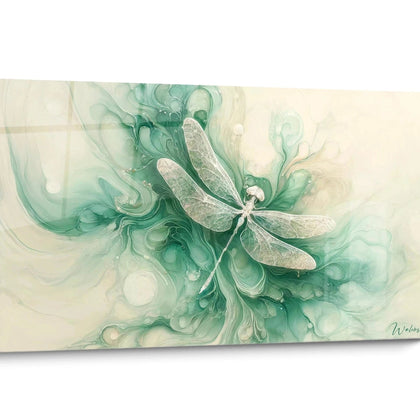 Hallway Wall Art899
artworks
Hallway Wall Art899
artworks
-
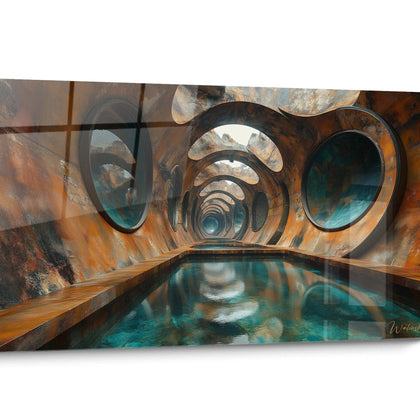 Abstract Hallway Wall Art24
artworks
Abstract Hallway Wall Art24
artworks
-
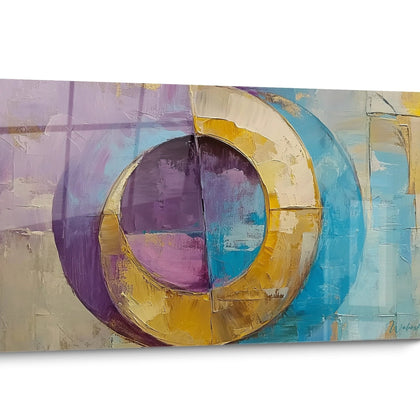 Geometric Hallway Wall Art24
artworks
Geometric Hallway Wall Art24
artworks
-
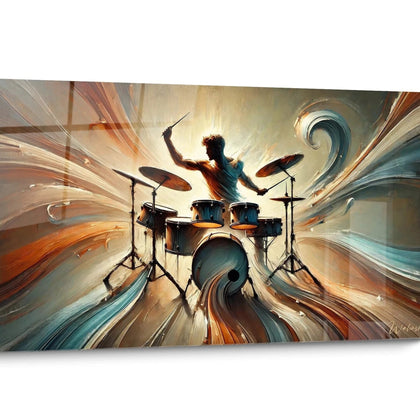 Orange Hallway Wall Art24
artworks
Orange Hallway Wall Art24
artworks
-
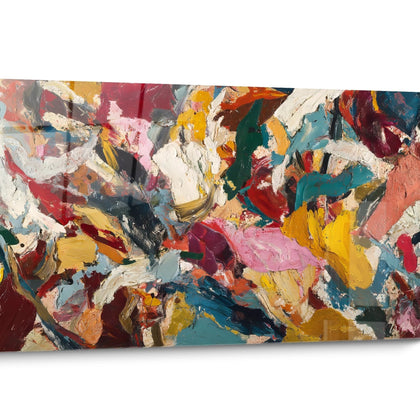 Red Hallway Wall Art24
artworks
Red Hallway Wall Art24
artworks
-
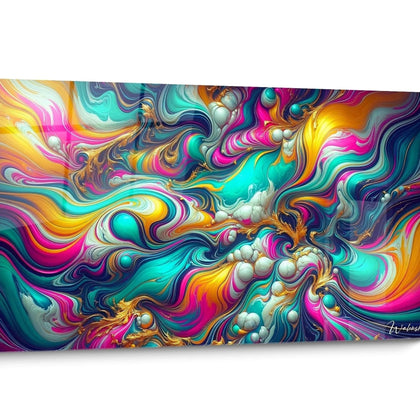 Multicolored Hallway Wall Art24
artworks
Multicolored Hallway Wall Art24
artworks
-
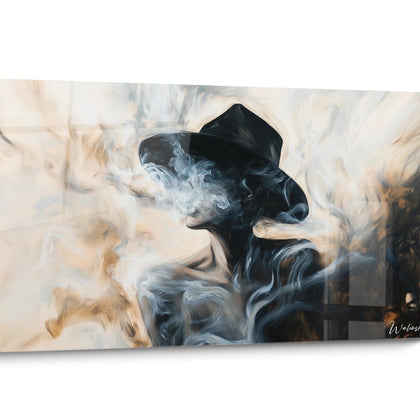 Black and White Hallway Wall Art16
artworks
Black and White Hallway Wall Art16
artworks
-
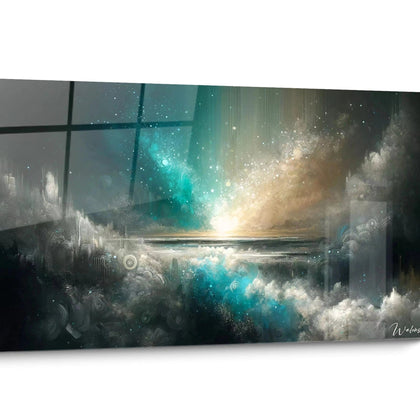 Golden Hallway Wall Art24
artworks
Golden Hallway Wall Art24
artworks
-
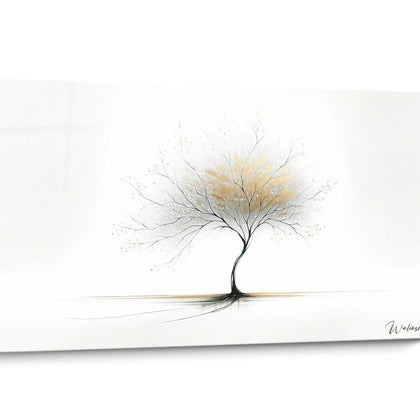 Wall Art for Zen Hallway22
artworks
Wall Art for Zen Hallway22
artworks
-
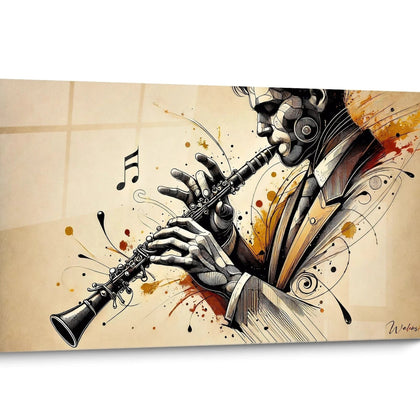 Music Wall Art for Hallway11
artworks
Music Wall Art for Hallway11
artworks
-
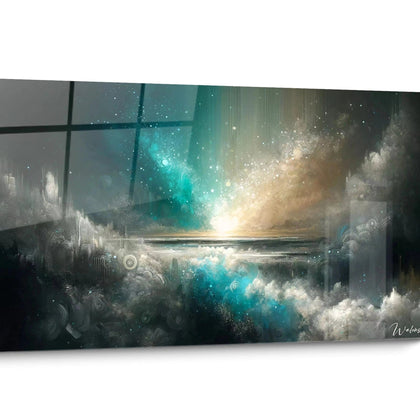 Expressionist Hallway Wall Art12
artworks
Expressionist Hallway Wall Art12
artworks
-
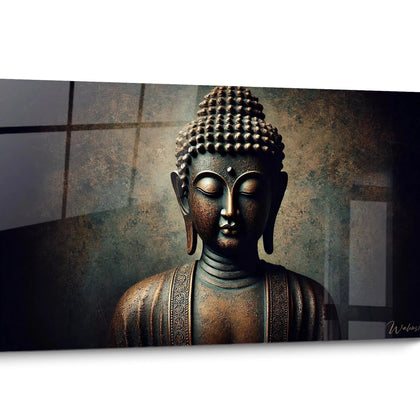 Buddha Hallway Wall Art6
artworks
Buddha Hallway Wall Art6
artworks
-
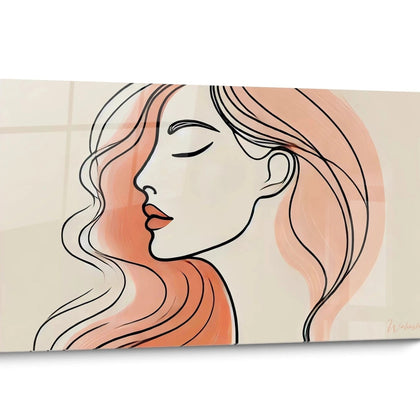 Wall Art for Hallway Face7
artworks
Wall Art for Hallway Face7
artworks
-
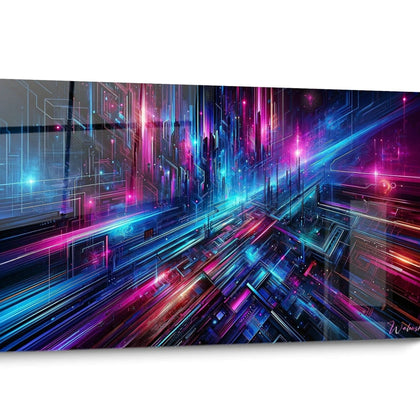 Futuristic Hallway Wall Art7
artworks
Futuristic Hallway Wall Art7
artworks
All about Blue Hallway Wall Art
- Blue Hallway Wall Art Presentation
- The Impact of Blue Shades
- Optimizing Narrow Spaces
- Consistency and Styles
The blue hallway wall art represents far more than a simple decorative element in these often-neglected transition spaces. These narrow, elongated passages constitute natural galleries where blue tones create a soothing atmosphere while visually guiding the eye. Installing large-format artworks in these circulation zones instantly transforms the spatial experience, offering visual depth where architecture imposes strict dimensional constraints. Blue colors possess this unique capacity to optically enlarge confined spaces, making every passage feel more spacious and welcoming.
The Psychology of Blue Tones in Circulation Spaces
The strategic use of blue in hallways exploits color science to modify spatial perception. Cerulean and azure tones generate a visual receding effect, mentally pushing back lateral walls and creating a sense of expansiveness. This characteristic proves particularly valuable in narrow passages where every visual centimeter counts for psychological comfort.
How do chromatic variations influence daily circulation?
Shades of royal blue intensify the presence of a large-format blue hallway wall art, immediately capturing attention during passage while maintaining a serene atmosphere. Conversely, pastel blues or blue-grays soften the space without imposing, ideal for hallways connecting multiple living areas where the artwork becomes an element of visual continuity rather than a dominant focal point.
Association with Surrounding Materials
Blue artworks interact differently depending on adjacent surfaces. On white or cream walls, a blue wall art acquires maximum presence, creating sharp contrast that visually structures the passage. Facing gray or beige surfaces, blue tones establish sophisticated chromatic harmony, particularly sought after in contemporary interiors. To complement this approach, exploring an abstract hallway wall art enriches the artistic dimension of these transitional spaces.
Lighting Effects According to Hallway Orientation
A north-facing hallway benefits extraordinarily from warm blues slightly tinged with violet, naturally compensating for cool light. In south-exposed passages, bright blues or turquoise remain vibrant without degrading under light intensity. This chromatic consideration directly determines the emotional impact felt with each hallway crossing.
Maximizing Visual Impact in Constrained Dimensions
Decorating a hallway with large-scale blue wall art requires precise understanding of visual proportions. These longitudinal spaces function as private galleries where the imposing size of the artwork becomes an advantage rather than a constraint, transforming simple circulation into a memorable aesthetic experience.
What Dimensions to Prioritize for Optimal Impact?
Horizontal panoramic formats naturally suit the elongated geometry of hallways, creating visual continuity that accompanies movement. A blue wall art measuring between 120 and 180 cm in width occupies the wall space sufficiently to avoid the "stamp" effect while preserving necessary visual breathing room. This generous scale captures the eye upon hallway entry, creating a visual destination that energizes perspective.
The Terminal Positioning Strategy
Placing large-format blue wall art at the hallway's end generates an artistic vanishing point, naturally attracting the gaze forward rather than toward lateral walls. This decorating technique transforms a simple passage into an intentional visual journey, where each movement becomes a progressive approach to the artwork. Abstract blue compositions function particularly well in this configuration, offering discoverable details at various distances.
Visual Sequence Arrangement
For particularly long hallways, installing multiple blue wall artworks of substantial dimensions creates a visual rhythm that optically fragments the length. This museum-like approach transforms the hallway into a domestic gallery where blue variations – from deep cyan to midnight blue – orchestrate a chromatic promenade. Each artwork becomes a visual stage marking spatial progression.
Managing Oblique Viewing Angles
The hallway's particularity lies in constantly changing viewing angles during traversal. Blue hallway wall art with geometric patterns or gradients reveals different aspects depending on observer position, enriching the repeated experience. This perceptual dynamic justifies investment in complex artworks offering renewed visual richness with each passage.
Creating a Cohesive Decorative Signature
Integrating blue hallway wall art reflects comprehensive decorative thinking where the dominant color establishes a common thread between different dwelling spaces. These transition zones become active elements of decorative narrative rather than simple neglected functional passages.
Harmonization with Adjacent Rooms
A hallway physically connects different living zones, and choosing blue wall art can either create intentional visual breaks or extend the color palettes of surrounding rooms. When the living room features navy blue accents or azure textiles, the hallway artwork amplifies this color signature, creating perceptible coherence upon entering the home. This strategy reinforces overall decorative identity while valuing the hallway as an essential interior design component.
Which Artistic Style for a Contemporary Hallway?
Modern interiors favor refined compositions where blue expresses itself through minimalist forms or suggested textures. Blue hallway wall art with simple geometric lines naturally dialogues with contemporary architectures characterized by clean volumes and smooth surfaces. This stylistic affinity transforms the hallway into a coherent extension of general aesthetics rather than a disconnected space.
Complementary Decorative Associations
Beyond the main artwork, the hallway's decorative ecosystem typically includes light sources, functional elements, and sometimes narrow furniture. Light fixtures with gold or copper finishes create warm contrast with cool blue tones, balancing the space's visual temperature. Runners subtly incorporating blue shades establish complete decorative verticality from floor to wall.
FAQ - Blue Hallway Wall Art
Does blue hallway wall art suit poorly lit spaces?
Absolutely, light blue shades like sky blue or cerulean effectively reflect available light, partially compensating for natural light deficiency. Adding directional spotlights further enhances these artworks in dark hallways.
How to maintain large-scale blue hallway wall art?
Regular dusting with a dry microfiber cloth generally suffices. Avoid prolonged direct sun exposure that could gradually alter blue pigment intensity, particularly for artworks using UV-sensitive inks.
Can multiple blue hallway artworks be combined in the same passage?
This approach works particularly well in hallways exceeding 4 meters, creating rhythmic visual sequence. Favor coherent tonal variations – different blue shades – to maintain harmony while avoiding monotony.


