


Abstract Hallway Wall Art
Our Painting for Hallway Abstract collection revolutionizes the decoration of your passageways. Each creation combines bold geometric shapes and refined color palettes to enhance your walls. These abstract paintings for hallways instantly transform circulation areas into contemporary art galleries. Perfectly sized for narrow spaces, these modern wall artworks bring depth and character to your interior while creating a captivating visual journey.
 Precious Halos Artwork - Signature Edition273,90 €
 Heart of the Breeze Canvas - Abstract Boat Edition273,90 €
 Dawn Over the Bay Wall Art - Abstract Boat Edition273,90 €
 Wall Art Close to the Skin - Abstract Face Edition273,90 €
 Fluid Golden Trees Abstract Painting - Abstract Edition273,90 €
 Abstract colorful painting - Creative tempest - abstract painting style edition273,90 €
 Abstract movement painting - Color explosion - abstract painting style edition273,90 €
 Abstract Color Explosion Painting - Creative Chaos - abstract painting style edition273,90 €
 Dynamic Abstract Painting - Luminous Convergence - abstract painting style edition273,90 €
 Expressionist Abstract Painting - Colorful Symphony - abstract painting style edition273,90 €
 Stratified Abyss Earth Canvas - Abstract Expressionism Edition273,90 €
 Luminous Oxidized Abyss Wall Art - abstract geometric edition273,90 €
 Tumultuous Dawn Amber Wall Art - Abstract Expressionist Edition273,90 €
 Graphic Soul Canvas - Abstract Face Edition273,90 €
 Atlas of the Depths Canvas - Abstract Relief Edition273,90 €
 Tree of Dreams Wall Art - Zen Tree of Life Edition273,90 €
 Beyond the Gaze Wall Art - Abstract Face Edition273,90 €
 Ballet of Bubbles Wall Art - Multicolor Abstract Edition273,90 €
 Pastel Aurora Wall Art - Abstract Edition273,90 €
 Floral Dawn Wall Art - Abstract Edition273,90 €
 Fire Tree Artwork - Abstract Colorful Edition273,90 €
 Cybernetic Aurora Painting - Abstract Edition273,90 €
 Modern Times Aurora Painting - Abstract Edition273,90 €
 Water Ballet Nuances Abstract Wall Art - Limited Edition273,90 €
Explore further
In Abstract Hallway Wall Art
-
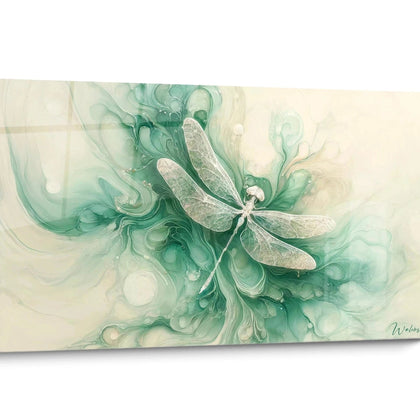 Hallway Wall Art899
artworks
Hallway Wall Art899
artworks
-
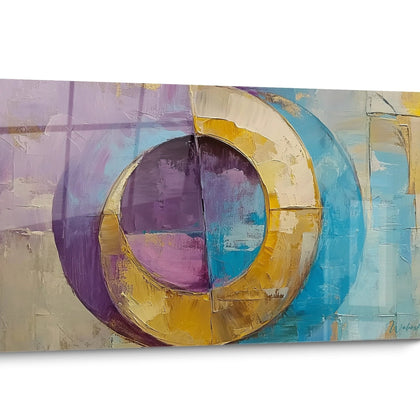 Geometric Hallway Wall Art24
artworks
Geometric Hallway Wall Art24
artworks
-
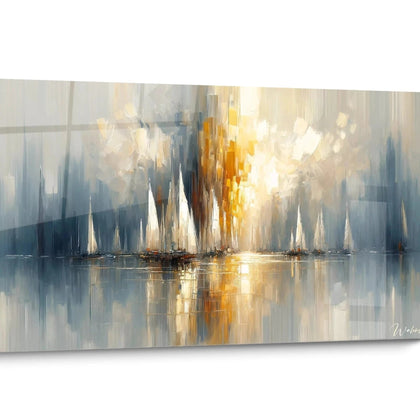 Blue Hallway Wall Art24
artworks
Blue Hallway Wall Art24
artworks
-
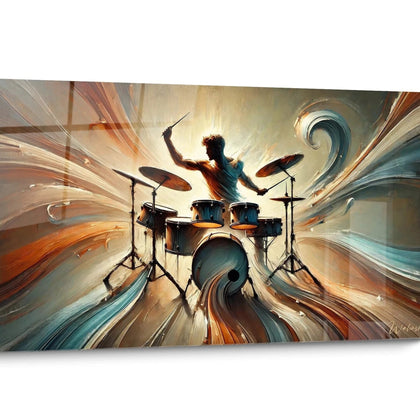 Orange Hallway Wall Art24
artworks
Orange Hallway Wall Art24
artworks
-
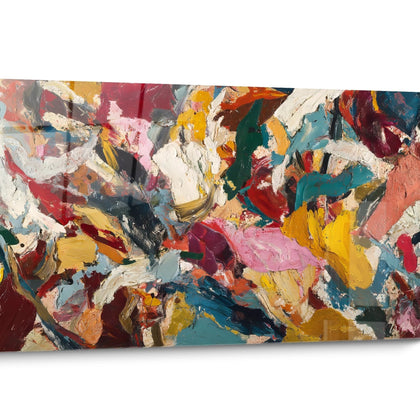 Red Hallway Wall Art24
artworks
Red Hallway Wall Art24
artworks
-
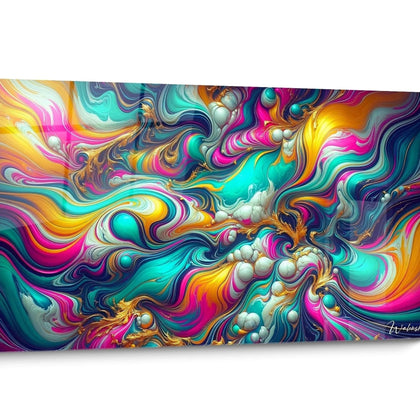 Multicolored Hallway Wall Art24
artworks
Multicolored Hallway Wall Art24
artworks
-
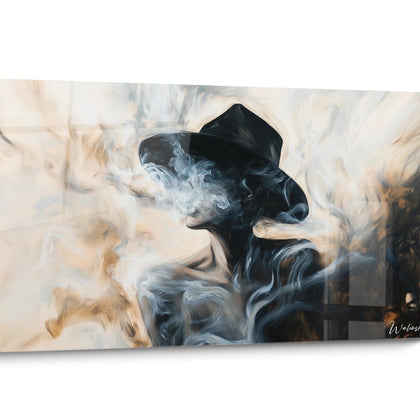 Black and White Hallway Wall Art16
artworks
Black and White Hallway Wall Art16
artworks
-
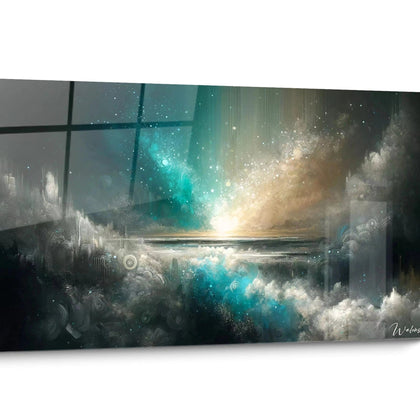 Golden Hallway Wall Art24
artworks
Golden Hallway Wall Art24
artworks
-
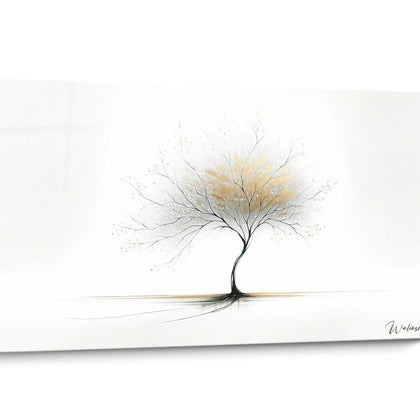 Wall Art for Zen Hallway22
artworks
Wall Art for Zen Hallway22
artworks
-
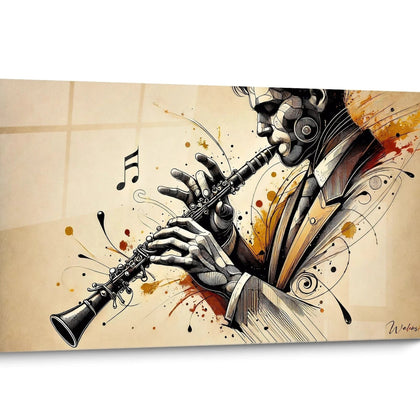 Music Wall Art for Hallway11
artworks
Music Wall Art for Hallway11
artworks
-
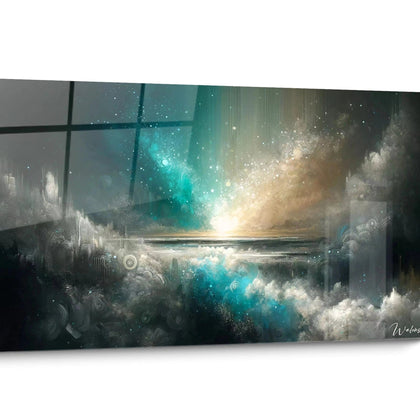 Expressionist Hallway Wall Art12
artworks
Expressionist Hallway Wall Art12
artworks
-
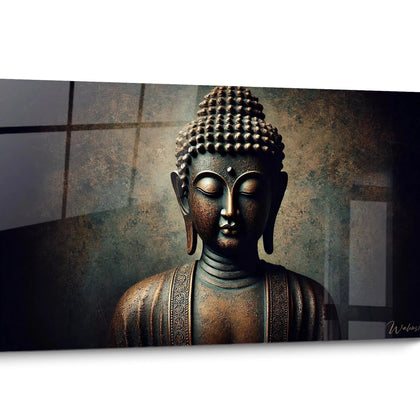 Buddha Hallway Wall Art6
artworks
Buddha Hallway Wall Art6
artworks
-
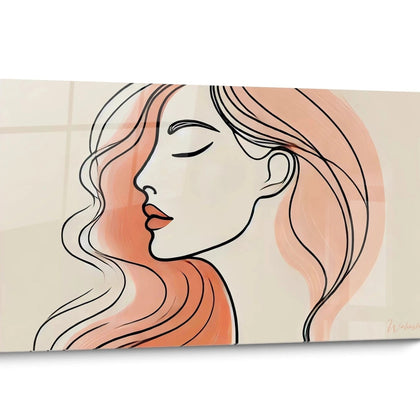 Wall Art for Hallway Face7
artworks
Wall Art for Hallway Face7
artworks
-
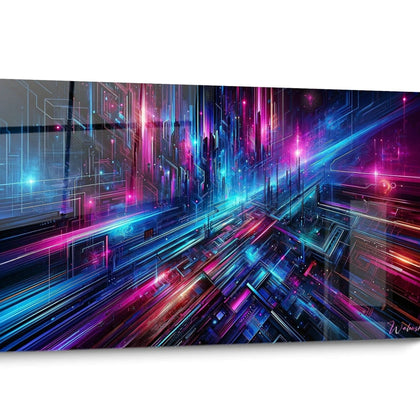 Futuristic Hallway Wall Art7
artworks
Futuristic Hallway Wall Art7
artworks
All about Abstract Hallway Wall Art
- Abstract Hallway Wall Art Presentation
- Abstract Art in Corridors
- Formats Suited to Passages
- Visual Dynamism in Circulation Spaces
Abstract hallway wall art transforms a simple passageway into a personal gallery where geometric forms, fluid compositions, and chromatic contrasts create a captivating visual experience. Unlike figurative representations that demand static contemplation, abstraction reveals different nuances with each passage, offering renewed perception based on viewing angle, light intensity, and even movement speed. These monumental murals exploit the particular length of corridors to deploy progressive visual sequences, soaring graphic rhythms, or panoramic compositions impossible in other domestic spaces. Acquiring an abstract artwork for this strategic circulation zone represents a major decorative investment that redefines the corridor's very function, transforming it from utilitarian axis into daily aesthetic experience where each traversal becomes a personal micro-exhibition.
The Perceptual Impact of Abstract Hallway Wall Art in Transition Spaces
Abstract hallway wall art masterfully exploits the psychology of movement inherent to circulation spaces. When a visitor traverses a corridor, visual perception functions differently than in a static room: the gaze captures successive fragments, constructs progressive narrative, and the abstract work reveals itself through visual sequences rather than global vision. This particularity radically transforms optimal artistic selection for these passages.
How do abstract compositions visually extend a narrow corridor?
Vertical abstract creations generate spectacular elevation illusion in corridors with standard ceilings. A composition dominated by ascending lines, upward chromatic gradations, or stacked geometric forms naturally guides the eye upward, creating a sensation of additional airy space. This visual technique contrasts advantageously with figurative works that would anchor perspective horizontally.
Horizontal panoramic abstract paintings function inversely by accentuating depth: a composition with chromatic perspective, where warm tones dominate on the left and progress toward cool tones on the right, creates a visual tunnel that amplifies perceived length. This directional chromatic strategy transforms a corridor of modest dimensions into a majestic gallery, particularly effective in spaces connecting multiple rooms.
Visual rhythm adapted to daily movement
Unlike contemplative spaces such as the living room, the hallway demands abstract works with layered legibility. A multilayered abstract composition reveals different details according to passage speed: major graphic elements perceptible during rapid movement, intermediate textures visible during normal walking, and chromatic subtleties discovered during attentive observation. This multi-level visual architecture maintains aesthetic interest even after hundreds of passages.
Repetitive abstract patterns with progressive variations create a visual cadence particularly adapted to long corridors. A series of similar organic forms gradually evolving in size, intensity, or complexity naturally accompanies movement, generating harmonious graphic rhythm that visually structures linear space. For those also appreciating stylized nature, the abstract hallway tree wall art offers a captivating organic alternative.
Differential light absorption in passages
Corridors frequently present complex lighting conditions: limited natural light, zones of shadow alternating with illuminated segments, or directional artificial lighting. Abstract hallway wall art must contend with these variable photometric constraints. Abstract compositions playing on matte-glossy contrasts create visual focal points even in dimly lit segments, while reflective areas capture and redistribute available light.
Strategic Sizing of Abstract Hallway Wall Art According to Passage Architecture
Why prioritize monumental formats in spacious corridors?
An abstract hallway wall art of large dimension radically transforms the spatial perception of a wide corridor. While a modest work would create imbalanced visual voids, a monumental abstract composition of 150 to 200 centimeters establishes an architectural presence that directly dialogues with the space's proportions. This imposing scale avoids the "postage stamp" effect where the work seems lost on an extended wall.
Ultra-wide panoramic formats specifically exploit the longitudinal geometry characteristic of corridors. An abstract composition stretching 180 to 250 centimeters in width creates visual continuity that physically accompanies movement, transforming the journey into a cinematic experience where the work progressively unveils itself. This approach particularly suits corridors serving reception zones where immediate visual impact matters.
Proportional balance between passage width and artistic dimensions
The ergonomic corridor rule dictates that a mural work should never visually reduce the perception of available width. For a 120-centimeter passage, an abstract wall art vertical composition of maximum 80 centimeters wide preserves the impression of breathing space. This 2:3 proportion between corridor width and artwork width maintains reassuring psychological balance while affirming substantial decorative presence.
Narrow corridors paradoxically benefit from vertically elongated abstract compositions rather than reduced formats. A work of 40 centimeters wide by 120 centimeters tall creates visual elevation without encroaching on perceived circulation space, where multiple small pieces would fragment attention and accentuate narrowness. This vertical strategy generates amplitude sensation through extension rather than expansion.
Multi-panel configurations for segmented corridors
Some hallways present interrupted architectures: lateral doors, niches, or directional changes. Abstract hallway wall art can adopt a modular configuration where several coordinated but distinct panels punctuate available wall segments. An abstract trilogy with unified chromatic theme but individual compositions creates visual coherence despite architectural discontinuity.
This sequential approach transforms structural constraints into narrative advantages: each abstract panel represents a distinct visual chapter while participating in overall harmony. Transitions between panels can play on progressive chromatic evolution, gradual transformation of geometric toward organic forms, or rhythmic intensification creating dramatic progression accompanying the corridor's complete traversal.
Adaptation to variable ceiling heights
Contemporary corridors sometimes present generous ceiling heights exceeding 280 centimeters. These vertical volumes call for abstract wall art exploiting this amplitude fully: compositions of 180 to 200 centimeters in height establish an augmented human scale that magnifies space without overwhelming it. Vertical positioning must create dialogue between eye level and superior airy extension.
Chromatic and Compositional Strategies of Abstract Hallway Wall Art
Orchestrating chromatic temperatures in linear space
Abstract hallway wall art can strategically exploit color temperature to manipulate spatial perception. A composition dominated by oranges, reds, or yellows creates visual advancement: the work appears to approach the viewer, psychologically reducing an overly extended corridor's length. Conversely, blue, green, or violet abstractions generate optical recession that visually lengthens a short passage.
Abstract compositions with integrated chromatic transition offer a sophisticated solution: a work beginning in warm tones on the left and progressing toward cool tones on the right creates directional gradient that subtly guides circulation while visually balancing space. This sequential chromatic technique functions particularly in corridors connecting functionally distinct spaces, visually marking the transition.
How do gestural compositions dynamize the journey?
Gestural abstractions characterized by directional brushstrokes, dynamic projections, or energetic gestural traces introduce visual movement that resonates with the corridor's circulatory function. A composition where graphic elements suggest trajectory – ascending diagonals, fluid curves, or converging lines – creates synergy between the physical action of traversing and the visual experience of the work.
This correspondence between bodily movement and pictorial dynamism generates rare perceptual coherence in interior design. The corridor ceases to be a simple utilitarian connector to become a space where architecture, function, and art merge into unified experience. Static or symmetrical compositions function less effectively in this context, creating dissonance between the space's energy and the work's tranquility.
Games of density and visual breathing
Abstract hallway wall art can intentionally modulate zones of graphic concentration and negative space to create breathing rhythm. A composition alternating detail-dense segments and sparse chromatic areas generates visual pulsation that avoids monotony while maintaining coherence. This alternation functions like visual punctuation rhythming the traversal.
Corridors serving numerous rooms particularly benefit from abstract works with balanced structure: strong central visual anchor flanked by lighter zones creates a focal point that organizes visual space without overcharging it. This centered composition also offers the advantage of being equally impactful whether observed in approach or while moving away, maximizing its bidirectional impact.
Architectural integration through formal dialogue
Corridors frequently present recurring architectural elements: baseboards, wall rails, aligned doors, or regularly spaced luminaires. Abstract hallway wall art can either contrast sharply with this geometric regularity by proposing fluid organic forms, or conversely engage with it by subtly reprising these vertical rhythms or spacings in its internal composition.
This visual conversation between architecture and abstraction creates harmonious integration where the work seems specifically designed for its location rather than generically applied. Abstract compositions incorporating repeated verticals resonate with door frames, while strategically layered horizontals dialogue with wall rails or baseboards, generating sophisticated spatial coherence.
Is abstract hallway wall art suitable for spaces with numerous lateral openings?
Absolutely, abstract compositions adapt remarkably to corridors segmented by multiple doors. Prioritize vertical formats that fit between openings or multi-panel configurations that punctuate each available wall segment. Abstraction offers the advantage of maintaining its visual coherence even when fragmented, unlike figurative scenes requiring continuous vision.
Which abstract chromatic palettes illuminate naturally dark hallways?
For dimly lit corridors, opt for abstract wall art dominated by light reflective tones: off-whites, luminous beiges, pearl grays, or saturated pastels. Compositions incorporating metallic elements or semi-glossy finishes effectively capture and redistribute available light. Avoid entirely dark abstractions that would absorb already limited luminosity, unless strategically used to create an intimate gallery effect.
Does abstract hallway wall art function in minimalist contemporary architectures?
Minimalist corridors constitute the ideal setting for contemporary abstraction. Architectural simplicity showcases the compositional complexity of abstract works without visual competition. Prioritize creations with restricted palette but marked contrasts, or conversely chromatic explosions that become the space's sole expressive element. This opposition between architectural sobriety and pictorial richness creates sophisticated visual tension perfectly adapted to demanding contemporary interiors.
Further reading


