


Orange Hallway Wall Art
Our Painting for Orange hallway enhances your passageways with vibrant and warm energy. This exclusive collection offers œuvres murales oranges dynamiques specifically designed to animate hallways and interior galleries. Each creation brings brightness and vitality thanks to carefully orchestrated orange hues. The décorations artistiques pour couloirs in this range create a welcoming and modern atmosphere, transforming a simple passageway into a personal art gallery.
 Drums Wall Art No. 2 - Abstract Music Edition273,90 €
 Colorful Branches Canvas - Botanical Brilliance - Multicolor Abstract Edition273,90 €
 Stylized colorful tree painting - Mosaic of life - multicolor abstract edition273,90 €
 Translucent Colored Circles Wall Art - Geometric Symphony - geometric abstract edition273,90 €
 Orange and Blue Circles Painting - Geometric Harmony - geometric abstract edition273,90 €
 Concentric Colored Circles Painting - Geometric Harmony - geometric abstract edition273,90 €
 Colorful Overlapping Circles Painting - Geometric Harmony - Abstract Geometric Edition N°2242,90 €
 Overlapping Colored Circles Painting - Chromatic Harmony - geometric abstract edition242,90 €
 Colorful geometric circles wall art - Modern harmony - abstract geometric edition228,90 €
 Orange circle and geometric shapes painting - Abstract symphony - geometric abstract edition228,90 €
 Overlapping colored circles wall art - Geometric symphony - abstract geometric edition273,90 €
 Transparent colored circles wall art - Chromatic symphony - abstract geometric edition273,90 €
 Overlapping Colored Circles Painting - Geometric Harmony - Abstract Geometric Edition273,90 €
 Interlocked Chains Painting - Vibrant Colored Bonds - Abstract Colorful Edition273,90 €
 Stratified Abyss Earth Canvas - Abstract Expressionism Edition273,90 €
 Creative Chaos Wall Art - multicolor abstract edition242,90 €
 Silent Arch Teal Wall Art - geometric abstract edition273,90 €
 Luminous Oxidized Abyss Wall Art - abstract geometric edition273,90 €
 Meditative Arches Incandescent Orange Wall Art - Abstract Geometric Edition228,90 €
 Tumultuous Dawn Amber Wall Art - Abstract Expressionist Edition273,90 €
 Drums Painting No.1 - Abstract Music Edition273,90 €
 Warmth of an Ancient Land - African Abstract Edition273,90 €
 Calm Abstract Painting - Zen Edition273,90 €
 Chromatic Cascades Wall Art - Limited Edition Multicolor Abstract273,90 €
Explore further
In Orange Hallway Wall Art
-
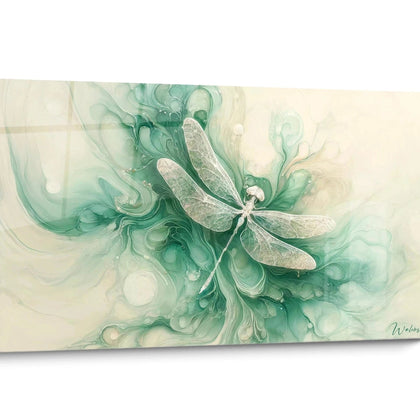 Hallway Wall Art899
artworks
Hallway Wall Art899
artworks
-
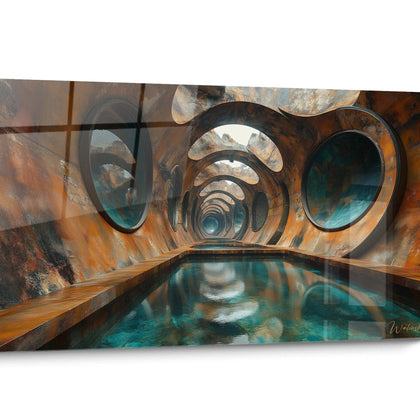 Abstract Hallway Wall Art24
artworks
Abstract Hallway Wall Art24
artworks
-
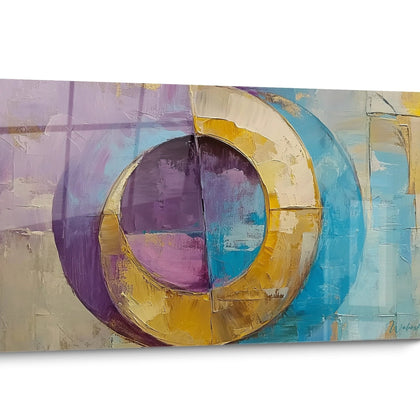 Geometric Hallway Wall Art24
artworks
Geometric Hallway Wall Art24
artworks
-
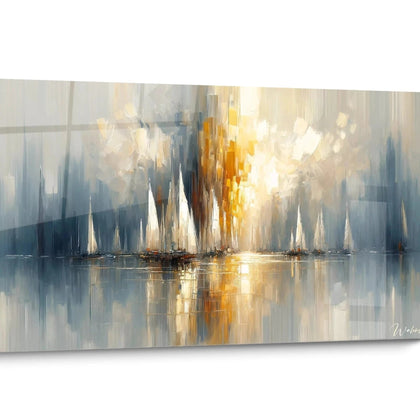 Blue Hallway Wall Art24
artworks
Blue Hallway Wall Art24
artworks
-
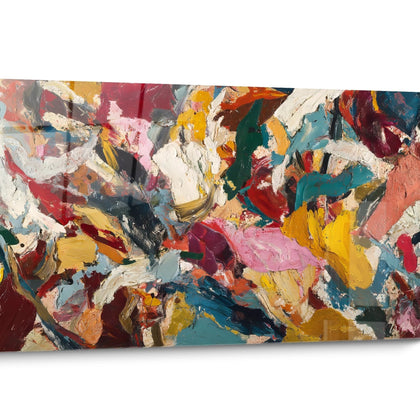 Red Hallway Wall Art24
artworks
Red Hallway Wall Art24
artworks
-
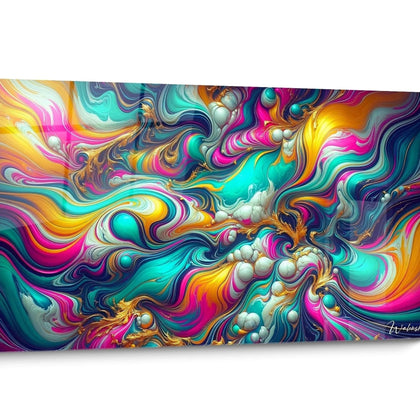 Multicolored Hallway Wall Art24
artworks
Multicolored Hallway Wall Art24
artworks
-
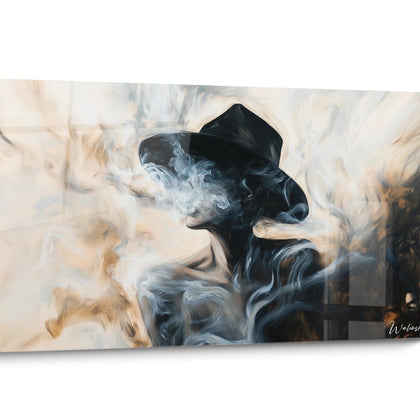 Black and White Hallway Wall Art16
artworks
Black and White Hallway Wall Art16
artworks
-
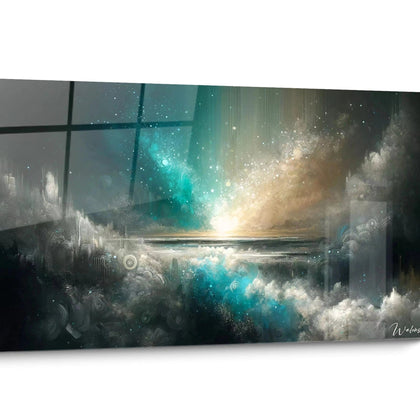 Golden Hallway Wall Art24
artworks
Golden Hallway Wall Art24
artworks
-
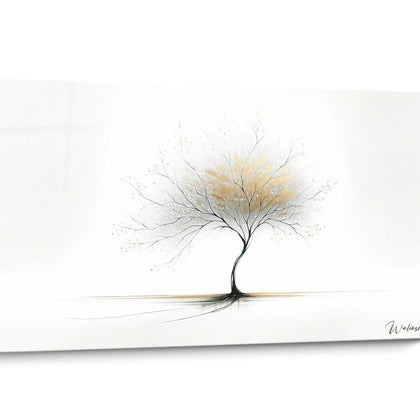 Wall Art for Zen Hallway22
artworks
Wall Art for Zen Hallway22
artworks
-
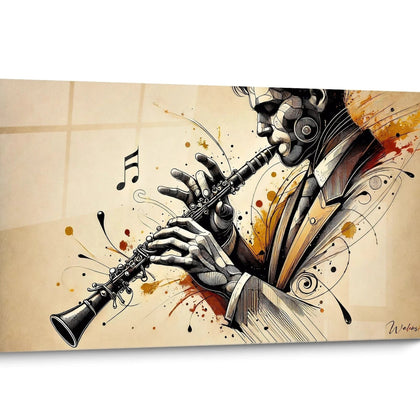 Music Wall Art for Hallway11
artworks
Music Wall Art for Hallway11
artworks
-
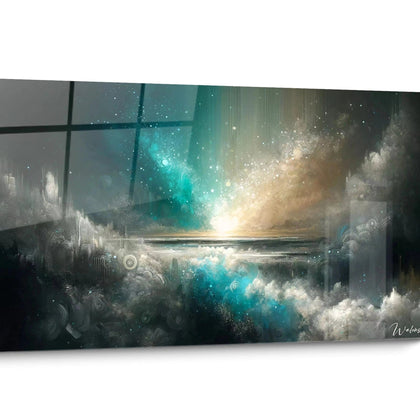 Expressionist Hallway Wall Art12
artworks
Expressionist Hallway Wall Art12
artworks
-
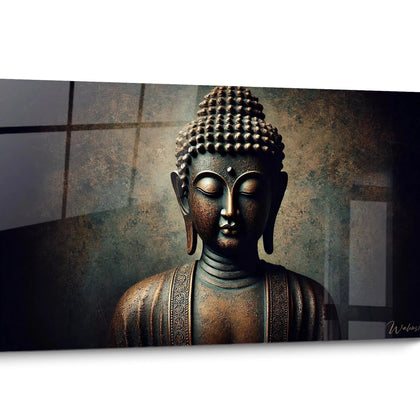 Buddha Hallway Wall Art6
artworks
Buddha Hallway Wall Art6
artworks
-
 Wall Art for Hallway Face7
artworks
Wall Art for Hallway Face7
artworks
-
 Futuristic Hallway Wall Art7
artworks
Futuristic Hallway Wall Art7
artworks
All about Orange Hallway Wall Art
- Painting Presentation Orange Hallway
- Chromatic Dynamics Orange
- Visual Perspectives in Orange
- Orange Déco Configurations
The painting for orange hallway radically transforms the perception of a narrow passage by creating a chromatic focal point that immediately captures attention. This decorative solution exploits the energizing power of orange to counter the tunnel effect often felt in longitudinal spaces. Panoramic formats adapted to hallways particularly benefit from orange hues that energize circulation while visually compensating for the lack of width with strategically positioned chromatic intensity.
Orange as Spatial Catalyst in Narrow Passages
Why does orange change the perception of depth in a hallway?
The painting for orange hallway exploits the advancing properties of this warm hue to create a beneficial optical illusion in longitudinal spaces. Unlike cool colors that visually recede, orange creates planes that seem to approach the observer, interrupting the linear monotony of long passages. This chromatic dynamic works particularly effectively with large-scale compositions that capture the eye from the entrance of the hallway, transforming a simple transit into a memorable visual experience.
Orange shades range from electric mandarin to deep terracotta, each producing a different spatial impact. Saturated and bright oranges are suitable for dark hallways where natural light is lacking, acting as an artificial light source that compensates for the absence of windows. Amber or copper tones bring warmth and sophistication to passages benefiting from indirect lighting, creating an enveloping atmosphere without visual aggression.
Counterbalance narrowness with chromatic temperature
Installing an orange painting in a narrow hallway requires a fine understanding of the thermal balance of colors. When the side walls remain neutral or light, concentrated orange on a vertical surface creates a dynamic contrast that diverts attention from the spatial constraint. This strategy works remarkably well in contemporary homes where hallways serve as private galleries connecting living spaces.
Orange abstract compositions generate a visual rhythm that psychologically fragments the length of the passage. A triptych with orange hues staggered along the hallway transforms the linear perception into a succession of chromatic events. This approach is particularly suitable for urban apartments where perceptual optimization compensates for architectural constraints. To explore other approaches to visual treatment of hallways, the collection of abstract paintings for hallway offers complementary solutions playing on geometry and formal contrasts.
Chromatic reverberation of orange in transition spaces
An often-neglected aspect is the ability of orange to create a subtle colored reverberation on adjacent surfaces. In a hallway, this chromatic reflection slightly tints the opposite walls and ceiling, generating a unified atmosphere without completely repainting the space. This phenomenon intensifies with large dimensions, transforming the passage into a warm cocoon rather than an impersonal corridor.
Finishes considerably influence this reverberation effect. Surfaces with slight relief capture and diffuse light differently from smooth supports, multiplying the visual anchor points along the path. This material depth adds a virtual tactile dimension that enriches the sensory experience of daily movement in the home.
Visual Amplification by Longitudinal Orange Compositions
How does the orange panoramic format restructure the corridor space?
The choice of a painting for an orange corridor in a panoramic horizontal format responds to a precise architectural logic. These elongated compositions naturally accompany the geometry of the passage while creating a chromatic interruption that breaks the monotony. The large widths impose a sufficient presence to rival the dominant length of the corridor, establishing a new proportional balance between height, width and depth.
Horizontal scenes with orange hues generate a lateral eye movement that counterbalances the directional flow of movement. This crossed dynamic enriches the spatial experience by adding a contemplative dimension to a space usually dedicated to functional transit. Geometric orange abstractions with horizontal lines particularly reinforce this effect of perceptual widening.
Visual sequencing by chromatic repetition orange
Installing several substantial orange artworks along a corridor creates a visual rhythm that transforms the passage into a domestic art gallery. This sequential approach works ideally with tonal variations of orange while maintaining a chromatic coherence and avoiding monotonous repetition. A progressive gradient from bright orange to orange-brown, for example, accompanies the journey from a bright entrance to a more intimate area.
The large dimensions allow the artworks to be spaced sufficiently to create visual pauses between each chromatic station. This spatial breathing avoids saturation while maintaining a constant orange presence that decoratively unifies the corridor. Owners of long corridors particularly appreciate this solution, which enhances a space that is often underutilized.
Orange-neutral contrast as spatial structuring
The juxtaposition of an intense orange against white, pearl gray or beige walls creates an artificial depth of field in the corridor. This decorative strategy exploits the figure-ground principle to give relief to a naturally flat and linear space. The eye instinctively perceives the orange areas as advanced planes, creating an impression of volume where only a two-dimensional surface exists.
Orange compositions featuring black or anthracite graphic elements add a structural dimension that visually anchors the painting in the architecture. This visual connection between the artwork and the surrounding space reinforces the overall coherence rather than creating a simple decorative addition. Modern interiors particularly benefit from this approach, which combines chromatic boldness and compositional rigor.
Decorative Orchestration Around Orange in Corridor Spaces
What decorative coherence to build around a dominant orange painting?
Integrating a painting for an orange corridor of large dimensions requires reflection on the surrounding decorative ecosystem. Complementary elements should either amplify the orange presence or create balancing chromatic counterpoints. Lighting fixtures with copper or bronze finishes dialogue harmoniously with the warm nuances of the painting, creating a material and chromatic continuity along the passage.
Floors play a crucial role in this orchestration. A parquet with honey or caramel tones reinforces the overall warmth, while a slate gray or ardoise covering creates an earth-sky contrast that enhances the intensity of the orange. This duality offers two distinct decorative approaches: the warm monochrome harmony or the dynamic contemporary contrast.
Vegetal associations with orange hues
The presence of vegetation in a hallway adorned with an orange painting creates a particularly relevant organic connection. Plants with dark green or bluish foliage generate a complementary contrast that mutually enhances both shades. This natural chromatic complementarity brings balance and vitality to a potentially monotonous space.
Terracotta, copper, or rust cachepots extend the orange palette at the lower level, creating a chromatic verticality that visually connects floor and wall. This material repetition on different supports reinforces decorative coherence without falling into redundancy, each element retaining its own function while participating in the overall harmony.
Lighting strategies to enhance orange in a hallway
Lighting is the determining factor in the expression of the orange pigments of a painting. Light sources with a warm temperature (2700-3000K) intensify the copper and terracotta nuances, creating an enveloping atmosphere particularly appreciated in the evening. Conversely, neutral lighting (4000K) preserves the vibrancy of pure and tangerine oranges, maintaining chromatic energy throughout the day.
Directional spotlights oriented towards the painting create a gallery effect that stages the artwork while structuring the general lighting of the hallway. This luminous hierarchy transforms a simple passage into a staged space where art becomes the protagonist. LED strips integrated at the top diffuse indirect light that evenly bathes the orange without creating annoying reflections.
FAQ: Frequently asked questions about orange paintings for hallways
Is an orange painting for a hallway suitable for spaces with little natural light?
Absolutely, orange effectively compensates for the lack of natural light by providing a source of visual warmth that psychologically illuminates the space. Saturated orange tones act as light amplifiers in windowless hallways, creating an impression of brightness even in the absence of windows. Favor compositions with marked contrasts that capture and reflect available artificial light.
What is the minimum dimension for an orange painting in a standard hallway?
For a hallway of standard width (90-120cm), a minimum dimension of 80x120cm guarantees sufficient presence to create a significant visual impact. Large formats of 100x150cm or more really transform the spatial perception by imposing themselves as an architectural element rather than a simple decorative accessory. The general rule is to occupy approximately 60-70% of the available wall width to establish a harmonious proportion.
Do orange paintings for hallways integrate into contemporary minimalist interiors?
Perfectly, orange precisely provides the controlled touch of boldness sought by minimalist interiors to avoid coldness. In a purified palette dominated by white, gray and black, an orange painting creates the unique chromatic focal point that energizes the whole without compromising the general sobriety. Geometrical abstract orange compositions particularly harmonize with the minimalist aesthetic through their formal rigor.
Further reading
Our articles on this topic
- Painting with yellow hues: what a stimulating brightness for an entrance hallway?
- How to Decorate a Hallway with a Barcelona Painting
- Wall art for dark hallways: which colors to choose to brighten the space?
- Should a long corridor have a large focal painting at the end or an even distribution of smaller works?
L'art qui suscite l'envie
Maison belge d'art mural grand format
14 jourspour changer d'avis*
Protection Walenskyincluse
Fabriquéen Italie
FormatXXL
Kit de fixationtoujours fourni
* Hors tableaux personnalisés et tailles personnalisées


