


Wall Art for Hallway Face
Our Painting for Hallway Face collection transforms your passageways into true art galleries. These captivating works feature expressive portraits that bring character and personality to your hallways. Each creation enhances the contemporary face wall art and creates a welcoming atmosphere. Perfect for energizing narrow spaces, these portrait paintings for hallways guide the eye and transform each passage into a memorable artistic experience.
 Vintage Brilliance Canvas - Abstract Pop Art Edition273,90 €
 Inner Bloom Wall Art - Abstract Face Edition273,90 €
 Sunlit Glow Artwork - Abstract Face Edition273,90 €
 Two Faces Wall Art - Abstract Surrealism Edition273,90 €
 Soul Radiance Canvas - Contemporary Abstract Painting Edition273,90 €
 Touch of Darkness Artwork - Abstract Face Edition273,90 €
 Linear Softness Painting - Abstract Face Edition273,90 €
Explore further
In Wall Art for Hallway Face
-
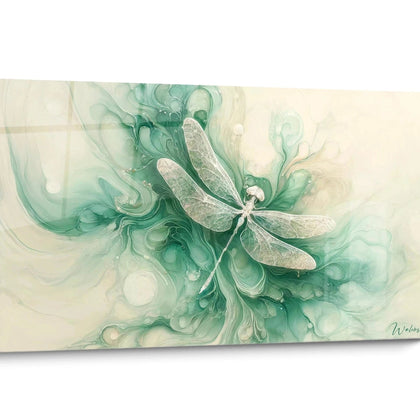 Hallway Wall Art899
artworks
Hallway Wall Art899
artworks
-
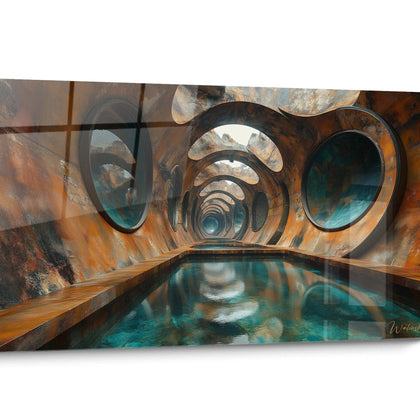 Abstract Hallway Wall Art24
artworks
Abstract Hallway Wall Art24
artworks
-
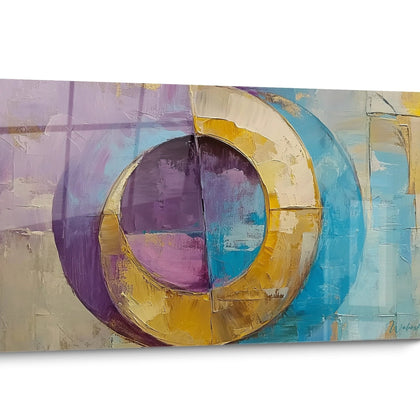 Geometric Hallway Wall Art24
artworks
Geometric Hallway Wall Art24
artworks
-
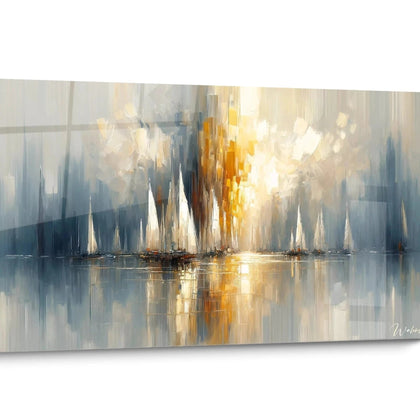 Blue Hallway Wall Art24
artworks
Blue Hallway Wall Art24
artworks
-
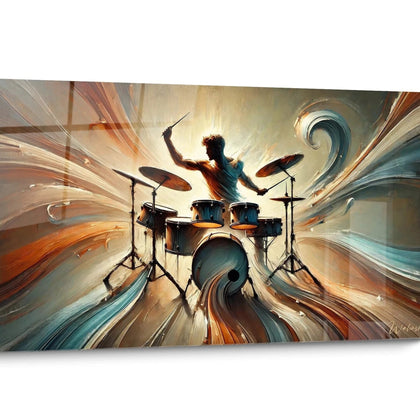 Orange Hallway Wall Art24
artworks
Orange Hallway Wall Art24
artworks
-
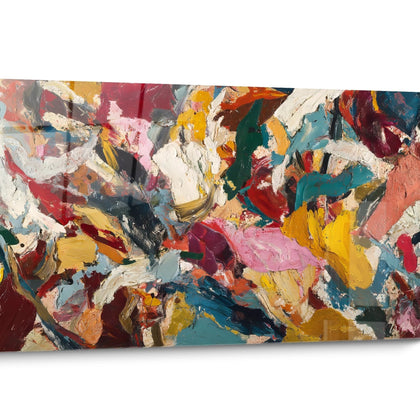 Red Hallway Wall Art24
artworks
Red Hallway Wall Art24
artworks
-
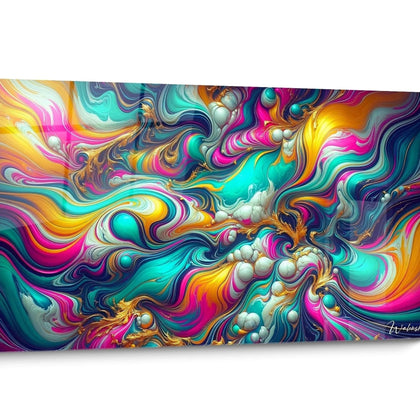 Multicolored Hallway Wall Art24
artworks
Multicolored Hallway Wall Art24
artworks
-
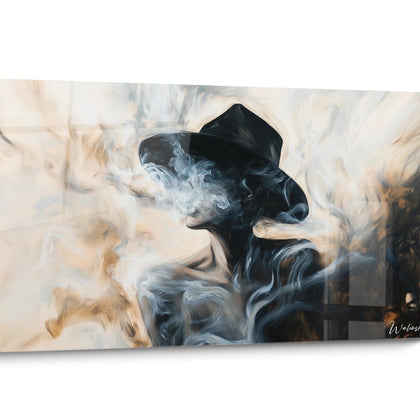 Black and White Hallway Wall Art16
artworks
Black and White Hallway Wall Art16
artworks
-
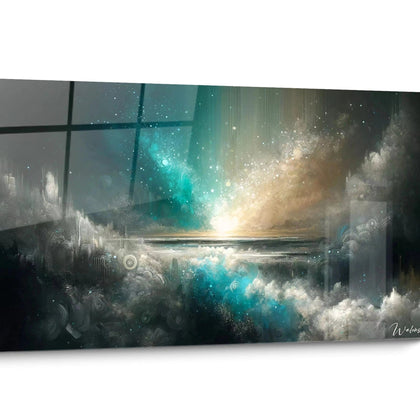 Golden Hallway Wall Art24
artworks
Golden Hallway Wall Art24
artworks
-
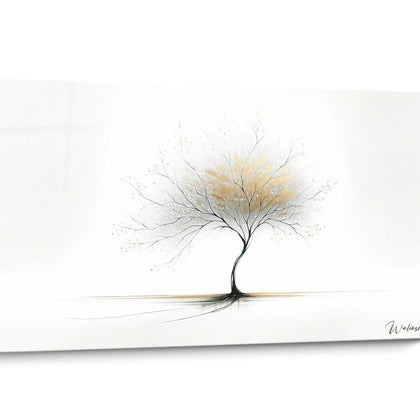 Wall Art for Zen Hallway22
artworks
Wall Art for Zen Hallway22
artworks
-
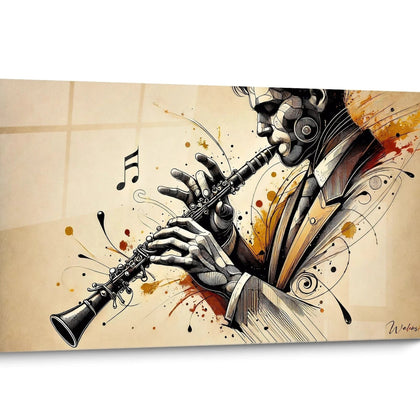 Music Wall Art for Hallway11
artworks
Music Wall Art for Hallway11
artworks
-
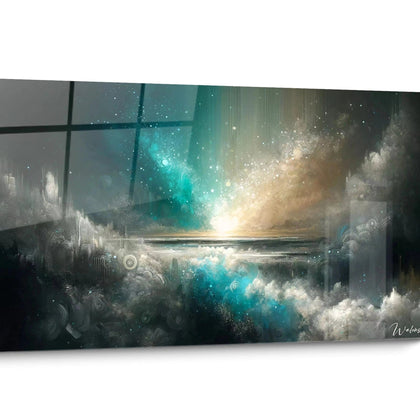 Expressionist Hallway Wall Art12
artworks
Expressionist Hallway Wall Art12
artworks
-
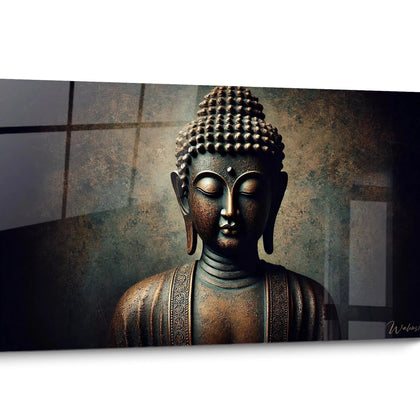 Buddha Hallway Wall Art6
artworks
Buddha Hallway Wall Art6
artworks
-
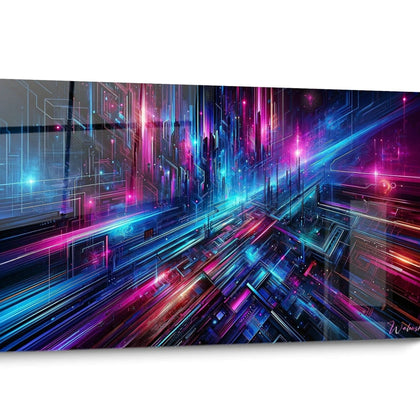 Futuristic Hallway Wall Art7
artworks
Futuristic Hallway Wall Art7
artworks
All about Wall Art for Hallway Face
- Presentation Painting Face Hallway
- Expression and Portraits
- Optimizing Narrow Space
- Gaze and Ambiance
A painting for hallway face transforms an often-neglected circulation space into a true intimate art gallery. This category of wall decoration favors human representations that establish a visual dialogue with passersby. In these generally narrow and dimly lit transition zones, the installation of monumental portraits creates a unique immersive experience. The generous dimensions of our wall creations intelligently exploit the natural verticality of residential or commercial corridors. Unlike geometric compositions, facial representations generate an immediate emotional connection that energizes the daily crossing of these functional passages.
The Psychological Impact of Portraits in Circulation Spaces
The painting for hallway face exploits the innate facial recognition of the human brain to create constant perceptive animation. In a hallway, each passage in front of a human representation triggers a micro-cognitive interaction that breaks the structural monotony of parallel walls. Neuroscience confirms that our attention instinctively focuses on eyes and facial expressions, even in the periphery of the visual field.
What emotional intensity to prioritize for a hallway?
The chosen facial expression defines the psychological atmosphere of your transition space. A meditative or enigmatic gaze subtly slows the pace of movement, transforming the hallway into a contemplative zone. More dynamic or smiling expressions, on the contrary, infuse a positive energy into frequent passages. For professional hallways leading to meeting rooms, prioritize portraits with direct gazes that mentally prepare for social interaction. In residential environments, profiles or averted gazes preserve intimacy without creating an overly intense visual confrontation.
Sequential storytelling through succession of faces
Installing multiple paintings for hallway face along the same path constructs a progressive visual narrative. This museum-like approach transforms linear movement into a narrative experience where each portrait represents an emotional chapter. The variation of viewing angles - front, profile, three-quarter - creates a visual choreography that accompanies the movement of the viewer. To reinforce this dynamic, alternate monumental vertical formats with more square compositions that punctuate the visual rhythm. If you are also looking for geometric alternatives, explore our collection of abstract paintings for hallway which offer a less figurative complementary approach.
Balance between realism and stylization
The degree of representation considerably influences the overall atmosphere. Hyperrealistic portraits create an almost physical presence that can dominate a restricted space, particularly suitable for hallways wider than one meter twenty. Stylized or semi-abstract representations soften this visual confrontation while maintaining essential facial recognition. Minimalist illustrations with clean lines are suitable for narrow hallways where visual simplicity avoids perceptual saturation. The color palette also plays a decisive role: sophisticated black and white monochromes are suitable for contemporary interiors, while warm tones humanize passages with cold lighting.
Wall Occupation Strategies for Restrained Corridors
The installation of a painting for hallway face in a linear space requires specific spatial reflection to architectural constraints. The pronounced vertical dimensions of these passages naturally exploit portrait formats that visually elongate the perspective. A full-length portrait or a monumental facial close-up strategically occupies the wall elevation without encroaching on circulation.
How to calculate the ideal proportion for your hallway?
The width of your painting for hallway face should represent 60 to 75% of the available width of the main wall, creating a balance between visual presence and spatial breathing room. In a 120-centimeter-wide hallway, a 70 to 90-centimeter artwork generates the optimal impact. The monumental height compensates for the longitudinal perspective: prioritize formats exceeding 150 centimeters to counteract the tunnel effect of parallel walls. The serial installation of three medium-sized vertical portraits creates a rhythmic alternative for hallways exceeding four meters in length.
Exploiting angles and intersections
The ends of hallways and corners represent strategic positions often underutilized. A monumental portrait placed at the end of a corridor acts as a magnetic focal point that visually structures the entire transition space. This museum-like technique naturally guides the gaze and movement towards the final destination. T or L intersections offer privileged wall surfaces for installing a hallway face painting that will be perceived from different angles depending on the approach. The oblique vision upon entering the passage, then frontal upon exiting, multiplies the perceptual experiences of the same work.
Which formats to prioritize depending on the architectural configuration?
Hallways with multiple doors fragment the available wall surfaces, requiring compact but intense compositions. Opt for monumental square portraits of at least 100x100 centimeters, strategically positioned between openings. These balanced formats resist interruptions better than panoramic formats. For blind corridors without side openings, fully exploit the continuity of the wall with diptychs or triptychs representing different expressions of the same subject. This serial approach transforms the linear constraint into a narrative asset, creating an emotional progression along the physical movement.
The Direction of the Gaze as an Architectural Tool
The direction of the gaze in a painting for hallway face subtly influences spatial perception and circulation. Unlike open spaces where the gaze can disperse, the hallway channels attention to defined focal points. A portrait whose gaze is directed towards the interior of the hallway creates an inviting effect that accompanies natural movement. This psychological technique exploits our instinctive tendency to follow the direction of another person's gaze.
The Mirror Effect and Personal Identification
Portraits with frontal gazes establish a direct connection with the viewer, creating a moment of mutual recognition even during a quick passage. This visual confrontation transforms the anonymous hallway into a relational space charged with presence. For professional environments receiving visitors, this approach immediately humanizes the corporate atmosphere. In private residences, averted or contemplative gazes preserve a welcome intimacy, allowing occupants to traverse the space without constant visual interaction. The diversity of ethnicities, ages, and expressions represented enriches the inclusive dimension of your wall decoration.
How faces change the perception of distances?
An imposing face at the beginning of a hallway psychologically shortens the perceived length by creating an immediate presence that breaks the perspective. Conversely, a more modest portrait at the back of the passage accentuates the depth by serving as a distant visual objective. This perceptual manipulation allows for the correction of spatial imbalances: visually enlarging a short and stifling hallway, or humanizing a passage that is too long and impersonal. Three-quarter faces create a subtle directional dynamic that suggests movement without imposing it, particularly suitable for intersections where multiple directions are available for movement.
Association with passage furniture
Installing a face portrait for a hallway above a narrow console or a bench creates a complete decorative composition. The low furniture visually anchors the monumentality of the portrait while offering a practical function for depositing items. This vertical stratification optimizes the use of restricted space by combining aesthetics and functionality. Decorative objects placed on the furniture - sculpted vases, art books, architectural vegetation - dialogue with the pictorial elements of the upper portrait. Ensure a chromatic consistency between these different visual levels to avoid decorative cacophony in an already constrained space.
FAQ - Frequently Asked Questions about face portraits for hallways
Is a face portrait for a hallway suitable for professional spaces?
Absolutely, portraits bring a human dimension particularly appreciated in corporate environments often impersonal. Favor representations with neutral or confident expressions that reflect professional values without creating visual discomfort during frequent passages.
What proportion of the wall height should the portrait occupy?
For maximum impact in a hallway, the painting should extend over 40 to 60% of the available height between the floor and the ceiling, creating a substantial presence without visually crushing the naturally limited vertical space of these passages.
Do face portraits work in dark hallways?
Portraits are particularly effective in dimly lit spaces because the human brain instinctively recognizes facial structures even in reduced lighting conditions, creating a persistent focal point where other compositions would be lost in the darkness.
Further reading
Our articles on this topic
- Panoramic forest triptych painting: the trick to visually widen a narrow hallway
- How to Position Wall Art at the Right Height in a Hallway for Everyone's View?
- How to assess the impact of paintings on the perceived length of a hallway?
- Duck watercolor panoramic painting: sizing it right for a hallway
- Playing with Perspective: How an Artwork Guides the Eye in a Hallway
- Create a Gallery Effect in a Passage Space: Tips and Placement
L'art qui suscite l'envie
Maison belge d'art mural grand format
14 jourspour changer d'avis*
Protection Walenskyincluse
Fabriquéen Italie
FormatXXL
Kit de fixationtoujours fourni
* Hors tableaux personnalisés et tailles personnalisées


