


Minimalist Wall Art
Discover our collection of abstract minimalist wall art, a perfect fusion of simplicity and elegance. Each piece is designed to evoke deep emotions through refined forms and subtle compositions. Whether you're looking to add a touch of sophistication to your living space or transform your office into a place conducive to reflection, these unique creations will integrate harmoniously into any décor. Let yourself be captivated by the pure and timeless aesthetic of our collection, where each artwork embodies the art of abstract minimalism at its finest.
 Distant Shadows Wall Art - Minimalist Abstract Edition273,90 €
 Abstract Feather Wall Art - Colorful Flight - Minimalist Edition273,90 €
 Underground Mysterious Roots Canvas - Minimalist Abstract Edition242,90 €
 Snowy Silhouette Painting - Minimalist Abstract Edition273,90 €
 Sillage Abstract Wall Art - Minimalist Abstract Edition273,90 €
 Spring Breath Wall Art - Abstract Edition273,90 €
 Breath of Greenery Canvas - Minimalist Abstract Edition273,90 €
 Cloud Breath Azure Wall Art - abstract minimalist edition228,90 €
 Silent Wave Cyan Wall Art - minimalist abstract edition242,90 €
 Graphical Vibrations Painting - Minimalist Abstract Edition273,90 €
 Abstract Female Face Wall Art - Golden Serenity - Minimalist Edition228,90 €
In the same family
Also explore the theme Artistic Movements
-
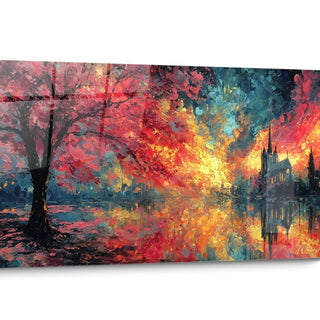 View all793
artworks
View all793
artworks
-
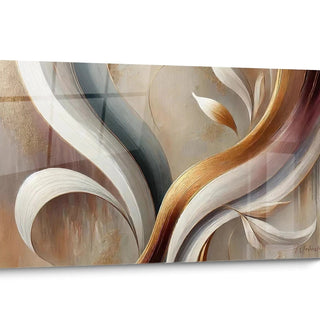 Acrylic (style)10
artworks
Acrylic (style)10
artworks
-
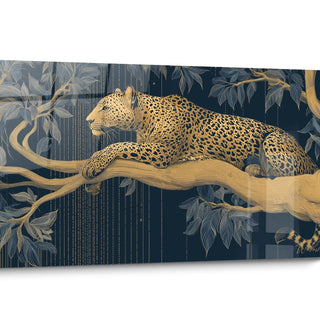 Art Deco164
artworks
Art Deco164
artworks
-
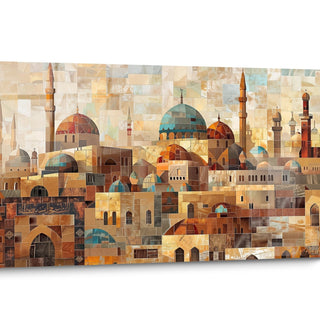 Islamic Art9
artworks
Islamic Art9
artworks
-
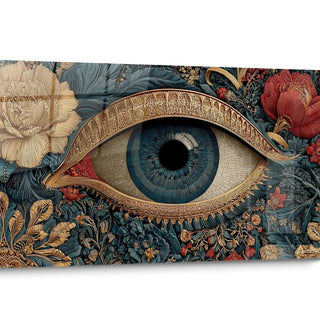 Art Nouveau39
artworks
Art Nouveau39
artworks
-
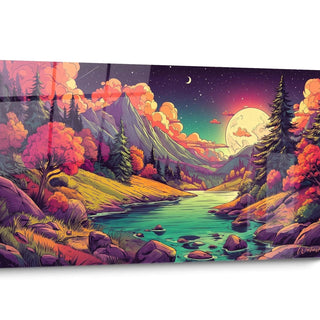 Comic Strip16
artworks
Comic Strip16
artworks
-
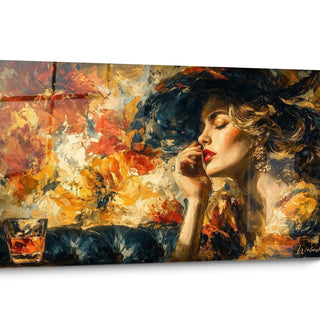 Baroque22
artworks
Baroque22
artworks
-
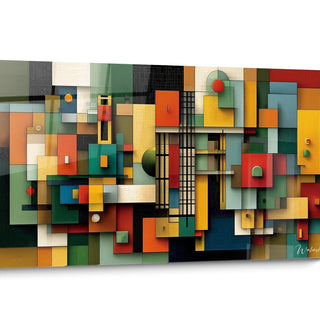 Bauhaus31
artworks
Bauhaus31
artworks
-
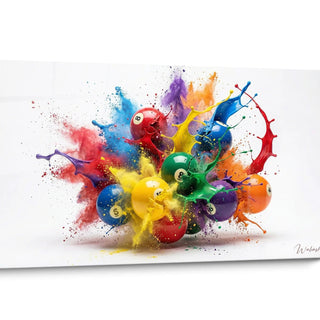 Billiards19
artworks
Billiards19
artworks
-
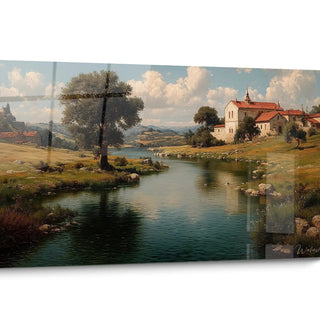 Classicism16
artworks
Classicism16
artworks
-
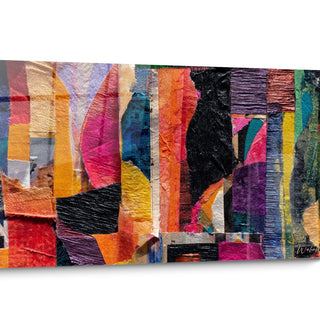 Collage14
artworks
Collage14
artworks
-
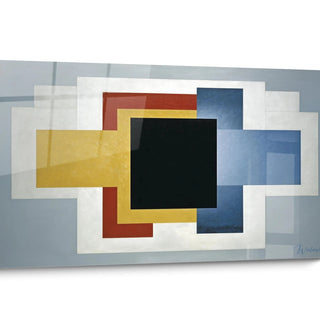 Constructivism31
artworks
Constructivism31
artworks
-
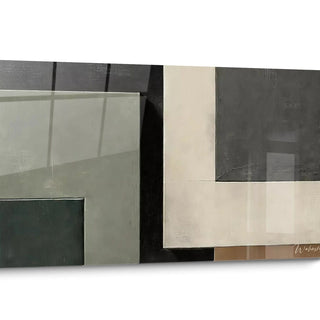 Cubism91
artworks
Cubism91
artworks
-
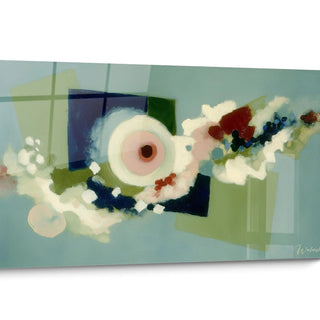 Dadaism33
artworks
Dadaism33
artworks
-
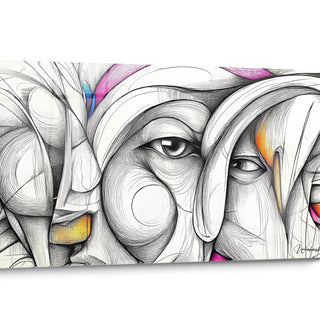 Drawing20
artworks
Drawing20
artworks
-
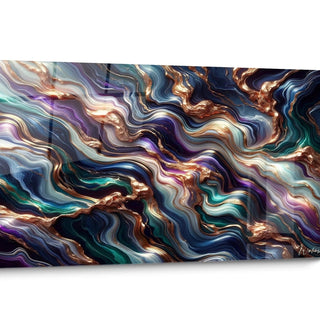 Expressionist95
artworks
Expressionist95
artworks
-
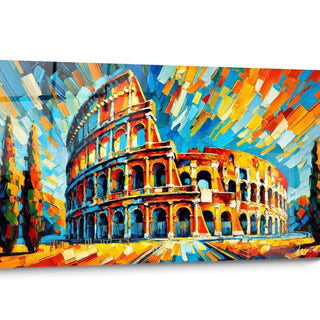 Abstract Fauvism10
artworks
Abstract Fauvism10
artworks
-
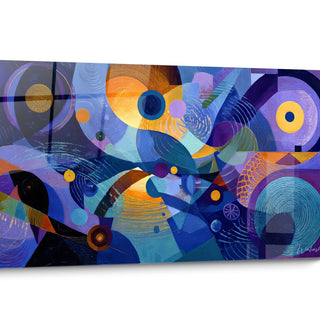 Abstract Futurism25
artworks
Abstract Futurism25
artworks
-
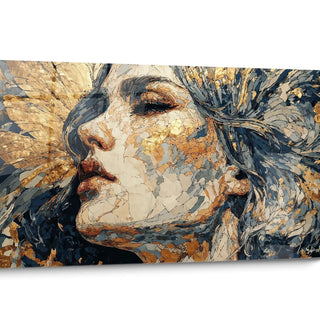 Gothic29
artworks
Gothic29
artworks
-
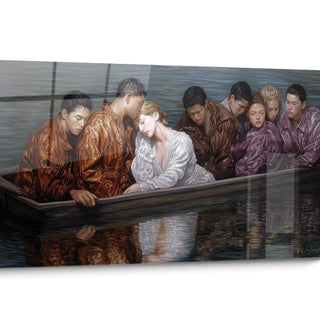 Hyperrealism28
artworks
Hyperrealism28
artworks
-
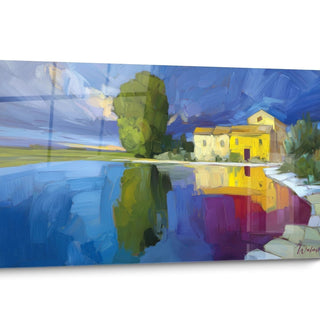 Impressionism23
artworks
Impressionism23
artworks
-
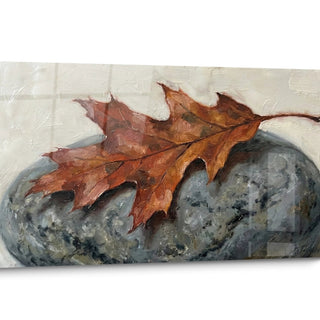 Japandi13
artworks
Japandi13
artworks
-
 Light painting3
artworks
Light painting3
artworks
-
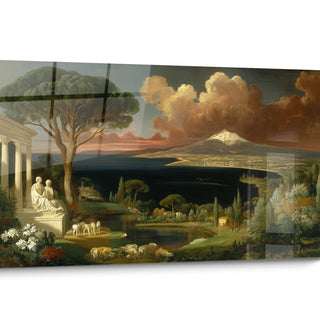 Neo-classical15
artworks
Neo-classical15
artworks
-
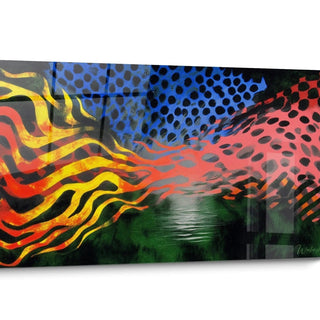 Op Art20
artworks
Op Art20
artworks
-
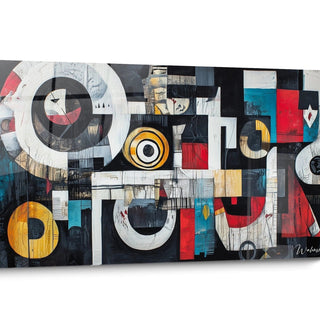 Abstract Contemporary Painting48
artworks
Abstract Contemporary Painting48
artworks
-
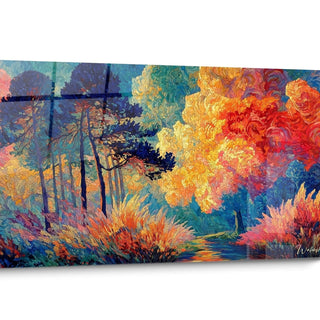 Pointillism59
artworks
Pointillism59
artworks
-
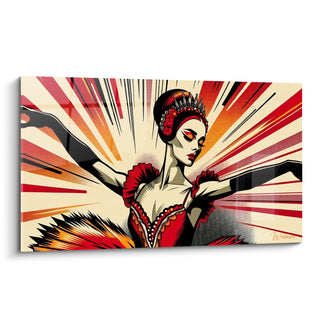 Abstract Pop Art18
artworks
Abstract Pop Art18
artworks
-
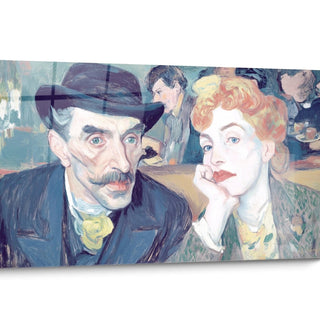 Post-Impressionism15
artworks
Post-Impressionism15
artworks
-
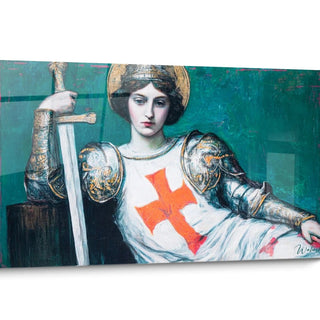 Pre-Raphaelitism11
artworks
Pre-Raphaelitism11
artworks
-
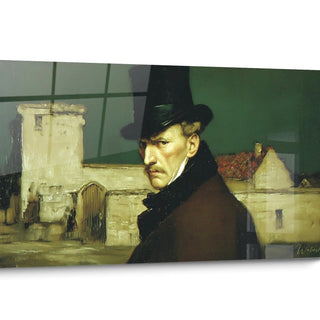 Realism10
artworks
Realism10
artworks
-
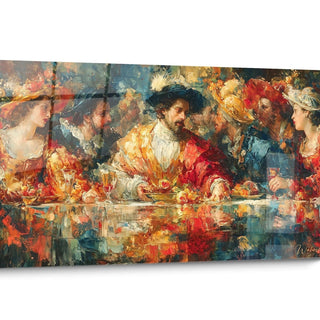 Renaissance13
artworks
Renaissance13
artworks
-
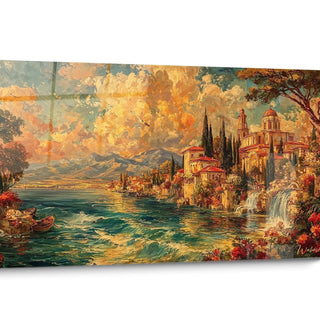 Italian Renaissance12
artworks
Italian Renaissance12
artworks
-
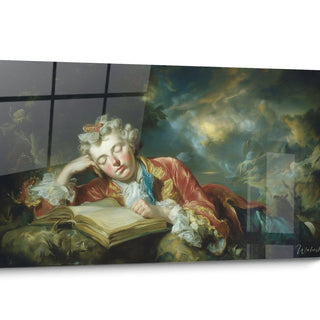 Rococo5
artworks
Rococo5
artworks
-
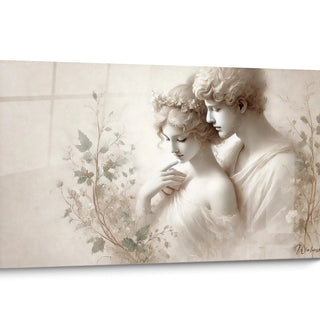 Romantic12
artworks
Romantic12
artworks
-
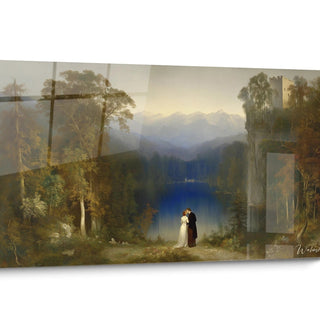 Romanticism17
artworks
Romanticism17
artworks
-
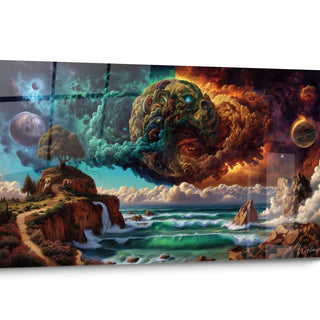 Abstract Surrealism34
artworks
Abstract Surrealism34
artworks
-
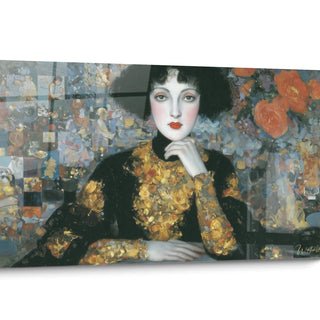 Symbolist26
artworks
Symbolist26
artworks
-
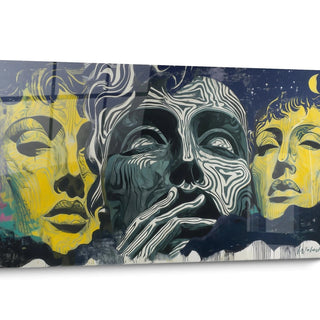 Vanity21
artworks
Vanity21
artworks
All about Minimalist Wall Art
- Presentation Minimalist Abstract Wall Art
- Minimalist abstract wall art - Refined aesthetics
- Minimalist abstract wall art - Visual impact
- Minimalist abstract wall art - Architectural integration
The minimalist abstract wall art represents the very essence of contemporary artistic expression reduced to its purest form. These works stand out for their refined compositions, essential geometric forms, and often-restrained color palettes, creating powerful visual impact despite—or rather because of—their apparent simplicity.
Unlike traditional figurative representations, the minimalist abstract wall art privileges pure emotion through the relationship between forms, negative spaces, and subtle color variations. This artistic approach finds its roots in avant-garde movements of the twentieth century, yet has reinvented itself to meet contemporary aesthetic sensibilities focused on the essential.
Modern spaces, whether residential or professional, particularly benefit from the presence of minimalist abstract wall art. Its capacity to radically transform a room while harmoniously integrating into diverse interior styles makes it a preferred choice for interior architects and decoration enthusiasts seeking a distinctive yet timeless centerpiece.
The Refined Aesthetics of Minimalist Abstract Wall Art
Minimalist abstract wall art fundamentally distinguishes itself through its ability to create maximum visual impact with minimum elements. This artistic approach privileges form refinement and voluntary restriction of visual components to achieve a deeper, more thoughtful form of expression.
What are the fundamental composition principles of minimalist abstract wall art?
The composition of minimalist abstract wall art rests on rigorous principles of balance and visual tension. Unlike expressionist abstract works that may appear chaotic, minimalist art abstraction obeys strict internal logic where each element is meticulously placed. Negative space—these apparently empty zones—plays as crucial a role as the forms themselves, creating visual breathing essential to appreciating the work.
Minimalist abstract artists often work with invisible grids or precise mathematical systems to determine element placement. This compositional rigor creates subtle tension between order and free expression that characterizes the finest pieces in this genre.
Restricted color palette as aesthetic signature
The deliberate restriction of color palette constitutes one of the most recognizable signatures of minimalist abstract wall art. Where other artistic styles may exploit a vast chromatic range, the minimalist approach often privileges:
- Subtle monochromes with minimal tonal variations
- Strong contrasts limited to two or three primary hues
- Neutral shades (white, black, gray) punctuated by a single color accent
- Barely perceptible gradients creating atmospheric depth
This chromatic economy is not a limitation but rather a concentration of artistic intention. It compels both artist and observer to pay heightened attention to subtle variations and interactions between chosen shades, creating a unique contemplative experience particular to minimalist abstraction.
The importance of scale in minimalist abstract art
An often-overlooked yet fundamental aspect of minimalist abstract wall art concerns questions of scale and proportions. Large-format works allow minimalist compositions to fully develop their environmental impact, transforming the architectural space that hosts them. This characteristic is particularly relevant for large-scale minimalist abstract wall art that can completely redefine a room's atmosphere.
The immersive experience created by large minimalist abstract wall art cannot be reproduced by more modest works. Scale allows simple forms to develop an almost architectural presence, creating dialogue with surrounding space that transcends mere decoration.
Texture as element of complexity within simplicity
Though visually refined, quality minimalist abstract wall art often integrates a subtle yet significant tactile dimension. Use of texture—whether physically present or visually suggested—adds a layer of complexity that counterbalances the apparent simplicity of composition.
These textural elements can take various forms: accumulation of material creating subtle relief, layering of transparent surfaces generating visual depth, or contrasts between matte and glossy zones that react differently to ambient light. This tactile dimension invites prolonged contemplation, progressively revealing the richness hidden behind apparent minimalist simplicity.
The Visual and Emotional Impact of Minimalist Abstract Wall Art
Minimalist abstract wall art exerts unique power over our perception and emotional state. Unlike figurative works that explicitly tell a story, minimalist abstract art creates space for inner reflection and personal interpretation. This psychological dimension constitutes one of the fundamental values of these works in our daily environment.
How does minimalist abstraction influence our spatial perception?
Large minimalist abstract wall art possesses remarkable capacity to transform our perception of space. Through refined compositions and carefully calculated balances, these works can visually expand a cramped room, amplify the apparent height of a low ceiling, or introduce visual dynamism into architecturally static space.
This illusion of spatial expansion is explained by how our brain processes minimalist abstract forms. Without precise figurative references, the eye can interpret these compositions as extensions or openings in existing architecture, creating a sensation of augmented space particularly valuable in contemporary urban environments where every square meter counts.
The architectural focal point effect
In contemporary interior design, large-scale minimalist abstract wall art often serves as visual anchor around which the entire space organizes itself. This function as architectural focal point distinguishes these works from other decorative elements:
- They immediately capture attention without visually overwhelming the space
- They establish clear visual hierarchy that simplifies spatial reading
- They allow other design elements to dialogue with them rather than compete for attention
- They create smooth visual transition between different functional zones
Interior architects often privilege large minimalist abstract wall art as founding element of their spatial concept, precisely for this ability to structure visual experience without imposing specific figurative themes that could quickly date the overall design.
The contemplative and meditative dimension
In our digitally saturated environment overflowing with information and images, minimalist abstract wall art offers precious counterpoint—a visual space inviting the gaze to slow and enter a meditative state. This contemplative quality fundamentally distinguishes these works from other wall decoration types.
The absence of explicit narrative in minimalist abstract art creates interpretive void that our minds naturally seek to fill. This process of active engagement with the work generates mental state similar to that sought in certain meditative practices—sustained yet relaxed attention, liberated from habitual verbal and narrative associations.
The emotional resonance of minimal abstract forms
Simple geometric forms and refined compositions of minimalist abstract wall art possess unique capacity to evoke primordial emotional responses. Research in art psychology suggests these foundational visual elements activate brain regions associated with our most basic and universal emotional experiences.
This direct emotional resonance explains why well-chosen minimalist abstract wall art can so profoundly transform a space's atmosphere. An arrangement of horizontal rectangular forms can induce sensation of calm and stability, while a composition of dynamic vertical lines can evoke energy and aspiration. This non-verbal emotional communication transcends cultural and linguistic barriers, making these works particularly suited to international or multicultural spaces.
The Architectural Integration of Minimalist Abstract Wall Art
One of the distinctive qualities of minimalist abstract wall art lies in its exceptional capacity to integrate within contemporary architecture. More than simple decorative element, these works can become visual extensions of architectural space, reinforcing and complementing the lines, volumes and intentions of interior design.
Why does minimalist abstract wall art harmonize perfectly with minimalist architecture?
Contemporary minimalist architecture and minimalist abstract wall art share fundamental aesthetic principles: economy of means, geometric precision, importance of proportion and valorization of negative space. This philosophical concordance creates symbiotic relationship between architectural container and artistic content.
In spaces designed according to minimalist architectural principles—characterized by refined volumes, clean lines and raw materials—minimalist abstract wall art constitutes not visual interruption but rather logical continuation of the space's formal language. This visual coherence generates particularly sought-after holistic spatial experience in high-end interiors.
Adaptation to transitional spaces
Transition zones—entry halls, corridors, stairway landings—represent particular challenge in interior decoration. Too often neglected or treated as purely functional spaces, these intermediate places particularly benefit from minimalist abstract wall art presence.
The formal simplicity and contemplative depth of these works transform these transitional spaces into significant architectural moments. A strategically placed large minimalist abstract wall art can:
- Create visual pause that symbolically marks passage between different functional zones
- Visually lengthen a narrow corridor through carefully calibrated horizontal compositions
- Reinforce the ascending dynamic of a stairwell with vertical arrangements
- Visually unify different levels of a multi-story open space
This capacity to enhance intermediate spaces constitutes one of the most precious contributions of minimalist abstract wall art to overall architectural experience.
Interaction with natural light
The relationship between minimalist abstract wall art and natural light deserves particular attention. Unlike figurative works that may suffer from changing lighting, minimalist abstract compositions are often designed to evolve visually throughout hours and seasons, creating dynamic artistic experience.
The monochrome or limited-contrast surfaces of minimalist abstract wall art become ideal receptacles for subtle variations of natural light. Shadows cast by surrounding architecture can temporarily become integral part of the work, creating ephemeral compositions that enrich daily visual experience.
This temporal dimension distinguishes minimalist abstract wall art from other work types and explains why architects often privilege these pieces in spaces benefiting from dynamic natural lighting, such as atriums, double-height spaces or east-west-facing rooms.
Integration within contemporary architectural systems
Contemporary architecture is characterized by systemic approach where each element participates in coherent ensemble. Minimalist abstract wall art, through its formal rigor, naturally integrates within this global design vision. It can be conceived in direct relationship with:
Architectural lighting systems, creating dialogue between artificial light and artistic composition; transitions between different materials within space, serving as visual mediator between stone, glass, metal or concrete; or modular systems structuring space (integrated furniture, mobile partitions, etc.).
This integration within architectural systems transforms minimalist abstract wall art into active element of spatial experience rather than simple added ornament. This aesthetic functionality represents the distinctive added value of these works in contemporary architectural context.
FAQ on Minimalist Abstract Wall Art
How do I choose the ideal size of minimalist abstract wall art for my space?
For minimalist abstract wall art, favor large dimensions allowing refined compositions to fully develop their impact. As general rule, the work should occupy at least 60% of available wall surface. In spaces with high ceilings, opt for vertical formats that accentuate elevation, while in elongated rooms, horizontal format will create harmonious visual continuity.
Can minimalist abstract wall art work in a more classical interior style?
Absolutely. The contrast between traditional architectural frame and minimalist abstract wall art often creates particularly interesting visual tension. In such context, privilege works in shades echoing colors already present in the room. This juxtaposition between architectural classicism and artistic minimalism confers subtle contemporary dimension to space without brutal rupture with its original character.
Is minimalist abstract wall art suitable for professional spaces?
Minimalist abstract wall art represents ideal choice for professional environments due to its thematic neutrality and visual sophistication. It communicates values of clarity, precision and modernity without imposing specific narrative that could divide audience. In conference rooms, opt for serene horizontal compositions promoting concentration, while in reception spaces, more dynamic works can create memorable first impression.
Further reading
Our articles on this topic
- Minimalist Paintings: The Essence of Visuals in the Service of Elegance
- Minimalist Face Painting: Refined Art That Elevates Your Interior
- How to Choose an Abstract Painting to Transform a Minimalist Space?
- Transform Your Space with Contemporary Minimalist Art
- What are the best modern abstract paintings for an elegant minimalist entryway?
- Top 5 Abstract Minimalist Paintings for a Bedroom
L'art qui suscite l'envie
Maison belge d'art mural grand format
14 jourspour changer d'avis*
Protection Walenskyincluse
Fabriquéen Italie
FormatXXL
Kit de fixationtoujours fourni
* Hors tableaux personnalisés et tailles personnalisées


