


Abstract Contemporary Paintings
Contemporary paintings , abstract art embody the ultimate expression of modern artistic creation. These works capture powerful emotions through rich textures, vibrant colors, and unique forms. Perfect for lovers of contemporary art, they add character and sophistication to any space. Discover contemporary abstraction, modernity , and artistic creation.
 Precious Halos Artwork - Signature Edition273,90 €
 The Invisible Bonds Wall Art - Contemporary Abstract Painting Edition273,90 €
 Echoes of Ancient Rocks Wall Art - Abstract Edition273,90 €
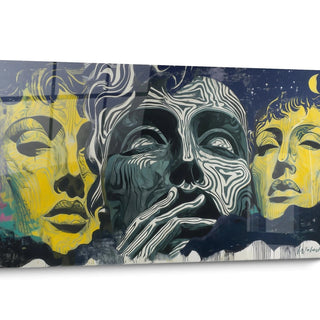
 Modern Muse Canvas - Contemporary Abstract Painting Edition273,90 €
 Dynamic Explosive Noise Abstract Painting - Abstract Edition273,90 €
 Mystery of the Depths Painting - Abstract Edition273,90 €
 Fluid Golden Trees Abstract Painting - Abstract Edition273,90 €
 Enchanted Cosmos Abstract Wall Art - Exclusive Edition273,90 €
 Golden Crest and Foam Painting - Abstract Edition273,90 €
 Mineral Labyrinth Wall Art - Abstract Edition273,90 €
 Elegant Spirals Wall Art - Abstract Edition273,90 €
 Waves in Gold and Blue Painting - Abstract Edition273,90 €
 Abyss Light Abstract Painting - Abstract Edition273,90 €
 Opulent Undulations Painting - Abstract Edition273,90 €
 Golden Vortex Wall Art - Abstract Edition273,90 €
 Cosmic Journey Wall Art - Abstract Edition273,90 €
 Emerald Flight Painting - Abstract Edition273,90 €
 Aerial Elegance Painting - Abstract Edition273,90 €
 Cybernetic Aurora Painting - Abstract Edition273,90 €
 Modern Times Aurora Painting - Abstract Edition273,90 €
 Water Ballet Nuances Abstract Wall Art - Limited Edition273,90 €
 Astral Field Digitized Wall Art - Abstract Edition273,90 €
 Precious Circuits Canvas - Signature Edition273,90 €
 Boiling Cosmos Abstract Painting - Edition Abstract273,90 €
In the same family
Also explore the theme Artistic Movements
-
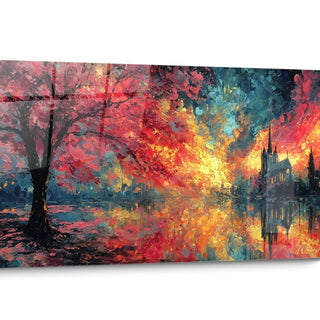 View all793
artworks
View all793
artworks
-
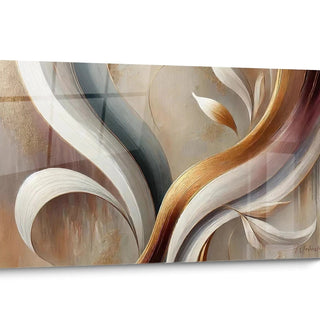 Acrylic (style)10
artworks
Acrylic (style)10
artworks
-
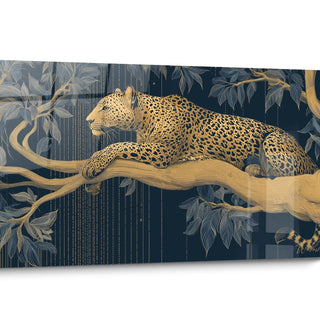 Art Deco164
artworks
Art Deco164
artworks
-
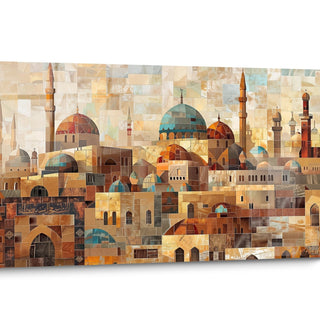 Islamic Art9
artworks
Islamic Art9
artworks
-
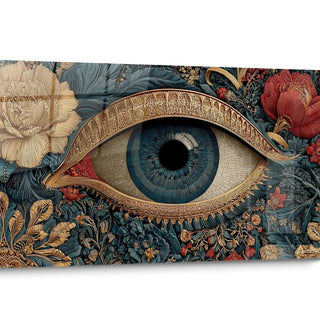 Art Nouveau39
artworks
Art Nouveau39
artworks
-
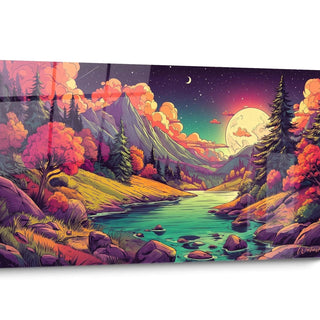 Comic Strip16
artworks
Comic Strip16
artworks
-
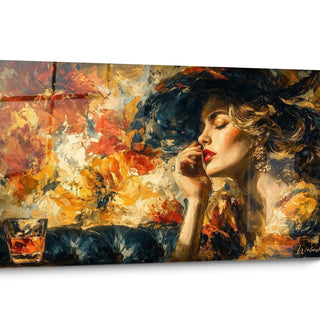 Baroque22
artworks
Baroque22
artworks
-
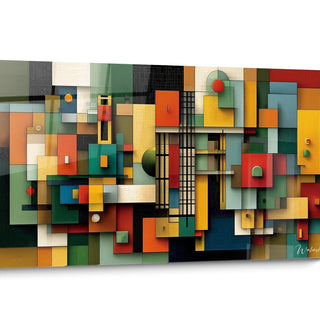 Bauhaus31
artworks
Bauhaus31
artworks
-
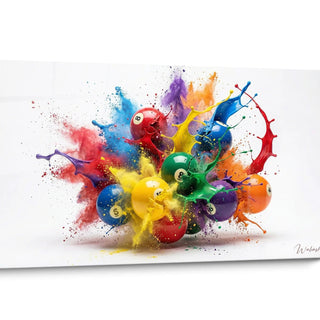 Billiards19
artworks
Billiards19
artworks
-
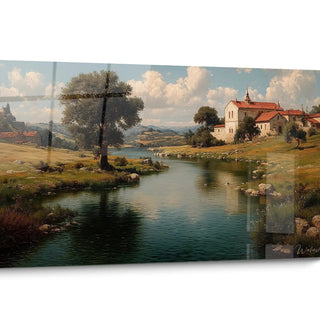 Classicism16
artworks
Classicism16
artworks
-
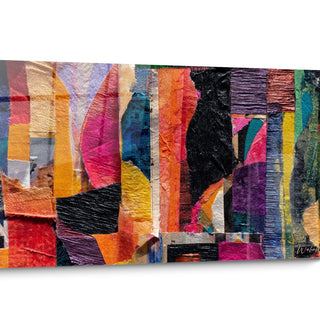 Collage14
artworks
Collage14
artworks
-
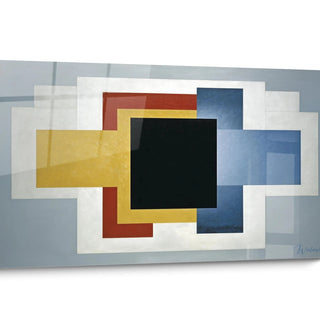 Constructivism31
artworks
Constructivism31
artworks
-
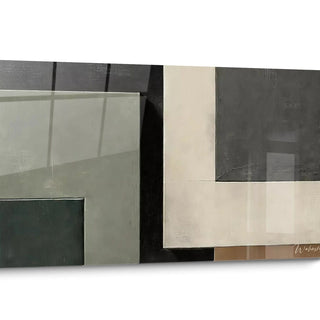 Cubism91
artworks
Cubism91
artworks
-
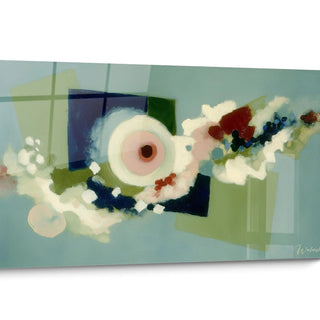 Dadaism33
artworks
Dadaism33
artworks
-
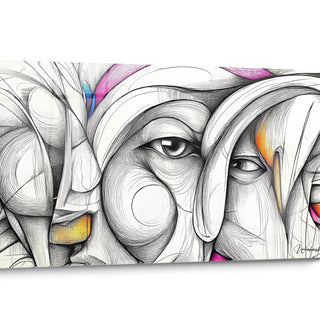 Drawing20
artworks
Drawing20
artworks
-
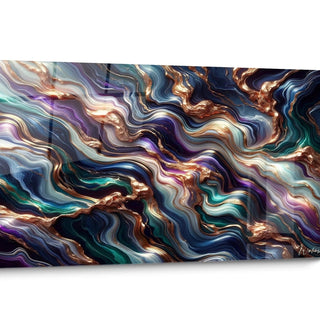 Expressionist95
artworks
Expressionist95
artworks
-
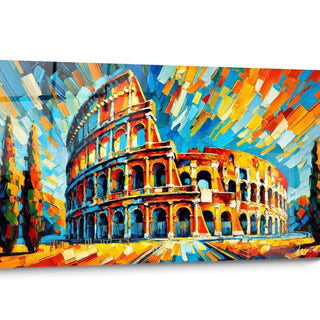 Abstract Fauvism10
artworks
Abstract Fauvism10
artworks
-
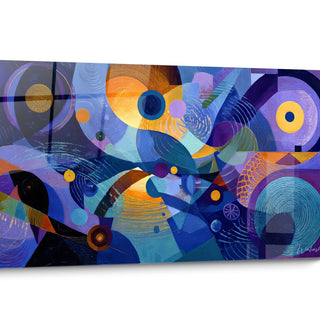 Abstract Futurism25
artworks
Abstract Futurism25
artworks
-
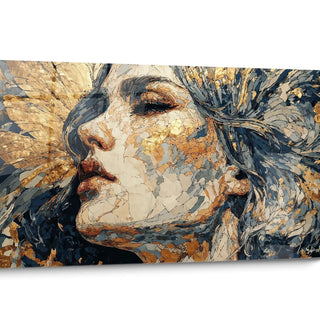 Gothic29
artworks
Gothic29
artworks
-
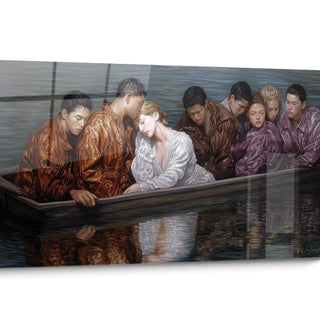 Hyperrealism28
artworks
Hyperrealism28
artworks
-
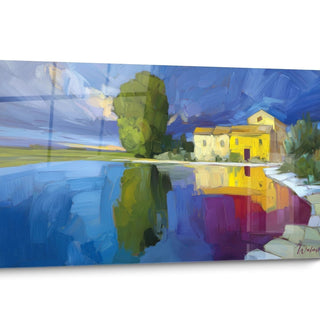 Impressionism23
artworks
Impressionism23
artworks
-
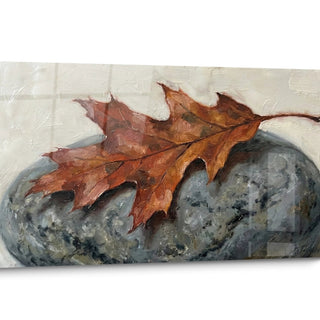 Japandi13
artworks
Japandi13
artworks
-
 Light painting3
artworks
Light painting3
artworks
-
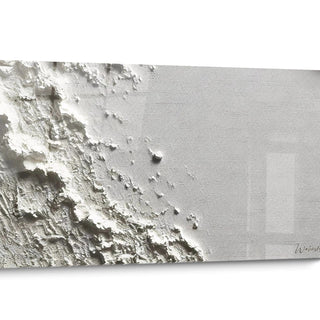 Minimalist35
artworks
Minimalist35
artworks
-
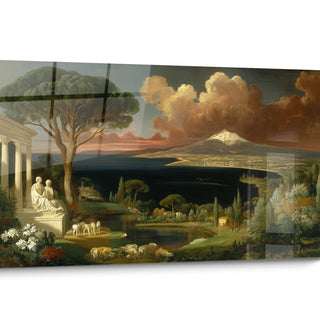 Neo-classical15
artworks
Neo-classical15
artworks
-
 Op Art20
artworks
Op Art20
artworks
-
 Pointillism59
artworks
Pointillism59
artworks
-
 Abstract Pop Art18
artworks
Abstract Pop Art18
artworks
-
 Post-Impressionism15
artworks
Post-Impressionism15
artworks
-
 Pre-Raphaelitism11
artworks
Pre-Raphaelitism11
artworks
-
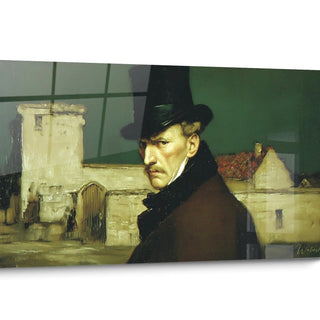 Realism10
artworks
Realism10
artworks
-
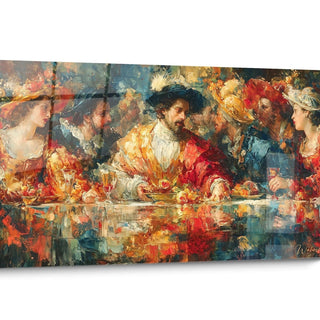 Renaissance13
artworks
Renaissance13
artworks
-
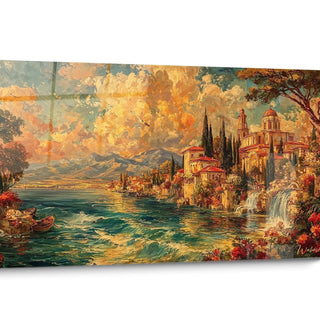 Italian Renaissance12
artworks
Italian Renaissance12
artworks
-
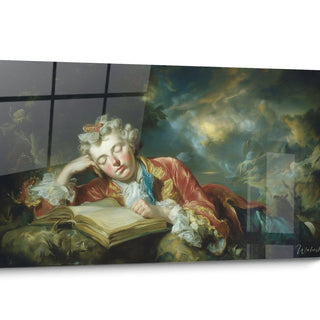 Rococo5
artworks
Rococo5
artworks
-
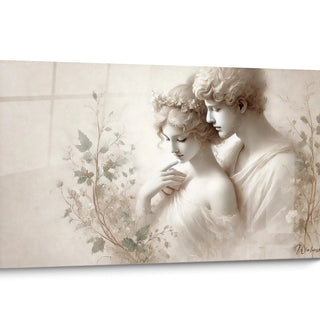 Romantic12
artworks
Romantic12
artworks
-
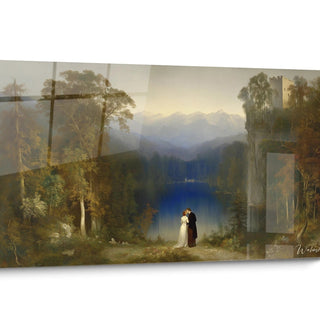 Romanticism17
artworks
Romanticism17
artworks
-
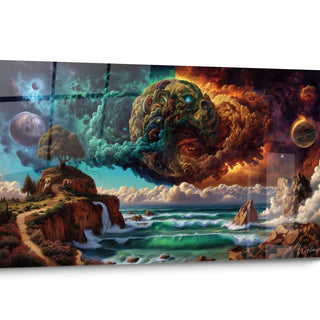 Abstract Surrealism34
artworks
Abstract Surrealism34
artworks
-
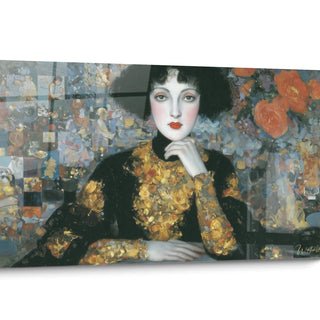 Symbolist26
artworks
Symbolist26
artworks
-
 Vanity21
artworks
Vanity21
artworks
All about Abstract Contemporary Paintings
- Contemporary Abstract Painting Artworks Presentation
- Contemporary Abstract Painting Artworks for Minimalist Spaces
- Contemporary Abstract Painting Artworks and Visual Emotion
- Contemporary Abstract Painting Artworks as Artistic Investment
Contemporary abstract painting artworks represent the ultimate artistic expression of our time. Combining creative freedom and emotional depth, these works transcend the constraints of figurative representation to explore the unlimited territories of abstraction. Their strength lies in their capacity to radically transform an interior space by creating a unique dialogue between the artwork and the observer.
These artistic creations distinguish themselves through their non-conformist approach, dynamic compositions, and often bold color palettes. Each contemporary abstract artwork becomes a focal point that defines the identity of a space, whether it's a minimalist interior, industrial loft, or luxury residence.
Contemporary abstract painting is characterized by its diversity of expressions: from refined minimalism to complex and multidimensional compositions. These works invite personal and evolving interpretation, offering a visual experience that renews itself with each viewing.
Explore our different sections to discover how to integrate these masterpieces into your interior, understand their emotional impact, and appreciate their value both aesthetically and as an investment.
Contemporary Abstract Painting Artworks: Transforming Minimalist Spaces
Contemporary abstract painting artworks constitute the ultimate transformative element for minimalist spaces. In a refined environment where every element counts, these works become the visual anchor point that defines the entire identity of a room. Unlike conventional wall decorations, these artistic creations don't simply dress a wall – they completely redefine the spatial perception of an interior.
How do large abstract formats transform the perception of a space?
One of the distinctive characteristics of contemporary abstract painting artworks lies in their capacity to create an impression of spatial expansion. In environments with refined lines, a large abstract format introduces visual depth that literally pushes back the perceived boundaries of a room. Non-figurative compositions, by their very nature, suggest a continuation beyond the physical frame, thus creating a dimensional window in the existing architecture.
Large-format contemporary abstract works function as visual portals that amplify the sensation of space. Horizontal compositions visually widen walls, while vertical formats accentuate ceiling height. This spatial modulation through art constitutes a sophisticated design strategy inaccessible to other decorative forms.
Chromatic Resonance: Beyond Simple Harmony
Contemporary abstraction goes far beyond the conventional concept of color matching. Contemporary abstract painting artworks instead establish what interior decorators call "chromatic resonance" – a subtle dialogue where the artwork's tonalities don't merely complement the space but actively modify its thermal and emotional perception.
This resonance manifests particularly in minimalist spaces with neutral tones. An abstract work with warm pigmentation can transform the felt temperature of a monochrome room without any structural modification. Compositions with deep blues or turquoises create a sensation of calm and expansion that transcends their physical frame.
Contemporary artists often work with high-saturation pigments or layering techniques that give colors particular vibration under different lighting conditions. This property grants abstract artworks a dynamic presence impossible to reproduce with other decorative elements.
Visual Focus and Spatial Hierarchy
In contemporary minimalist design, the notion of "dominant focal point" represents a fundamental principle often overlooked. Contemporary abstract painting artworks, through their intrinsic expressiveness, naturally establish this visual hierarchy essential to spatial coherence.
A powerful abstract composition instantly creates what interior architects call a "center of visual gravity" – an anchor point that unconsciously organizes all other elements of the room in an ordered relationship. This capacity to structure space without additional physical elements constitutes one of the unique qualities of contemporary abstract art.
Multidimensional abstract works, with their layers of depth and textural variations, exercise a visual magnetism that naturally guides the gaze and movement through the space. This subtle orchestration of attention fundamentally transforms the spatial experience of minimalist environments often perceived as cold or impersonal.
Textural Dialogue with Contemporary Architecture
Modern minimalist spaces are characterized by smooth surfaces, refined lines, and industrial materials. Contemporary abstract painting artworks introduce a complementary textural dimension that establishes an essential counterpoint to this structural uniformity.
Contemporary mixed-media techniques – incorporating relief, impasto, or unconventional materials – create abstract artworks with pronounced tactile qualities. This materiality brings an additional sensory dimension to environments otherwise dominated by uniform surfaces and geometric lines.
This dialogue between pictorial texture and minimalist architecture creates a sophisticated visual tension impossible to achieve with more conventional works. Shadows cast by pictorial reliefs add a supplementary dimension that evolves with natural light variations, making the artwork and surrounding space constantly renewed.
Architectural Lighting in Synergy with Abstraction
The perfect integration of a contemporary abstract painting artwork requires special consideration of light interaction. In minimalist spaces, directional or architectural lighting can radically transform the perception of an abstract work, revealing depths, textures, and nuances invisible under standard ambient lighting.
Metallic, iridescent, or reflective pigments frequently used in contemporary abstract art react uniquely to directional light sources. This property transforms the work into a dynamic installation that subtly evolves from morning to evening, bringing a temporal dimension to spatial experience.
Discerning collectors often collaborate with architectural lighting experts to create luminous systems specifically designed for their abstract artworks. These custom installations can reveal secondary chromatic harmonies or compositional details that would otherwise remain imperceptible, multiplying the possible "readings" of a single work.
Contemporary Abstract Painting Artworks: Transcendent Emotional Expression
Contemporary abstract painting artworks distinguish themselves fundamentally from other forms of wall art through their unique capacity to communicate directly with our emotional landscape. Unlike figurative works that filter through cognitive recognition, abstraction bypasses our intellectual interpretation mechanisms to establish an immediate connection with our limbic system – the part of the brain responsible for our emotions.
Neuroaesthetics: How Does Our Brain Specifically React to Abstract Art?
Recent research in neuroaesthetics – the discipline studying the neurological bases of aesthetic experience – reveals that contemporary abstract painting artworks activate distinct neural networks from those stimulated by figurative art. Brain imaging shows increased activation of zones associated with emotional processing and introspection when subjects contemplate abstract works.
This unique stimulation derives from the absence of concrete referents that force the brain to explore personal associations rather than identify recognizable elements. Abstract compositions with dynamic lines and pronounced contrasts also provoke more intense activation of brain regions linked to movement perception, creating a kinesthetic visual experience even in stillness.
Neuroscientists have identified that the complex chromatic harmonies present in contemporary abstraction simultaneously stimulate different zones of the visual cortex, generating a richer and more multidimensional sensory experience than conventional monochromatic or figurative representations.
Personalized Emotional Resonance: Why Each Observer Experiences Unique Expression
One of the fundamental characteristics of contemporary abstract painting artworks resides in their capacity to serve as "emotional mirrors" – reflecting and amplifying the observer's inner state. This phenomenon of psychological projection, sometimes called "artistic Rorschach effect", explains why the same abstract work can evoke profoundly different reactions in various viewers.
This personalized emotional resonance transcends intellectual interpretations to create a visceral experience that evolves with our own emotional state. The same abstract artwork can thus appear radically different to us depending on our mood, recent experiences, or even the time of day, offering perpetually renewed interaction impossible with figurative representations.
Experienced collectors often report that their favorite abstract artworks constantly reveal new emotional dimensions over the years, as if the work evolved organically with their own life journey – a phenomenon rarely observed with other artistic forms.
Artistic Color Therapy and Vibratory Harmonies
Contemporary abstract painting artworks often exploit specific chromatic principles that transcend simple aesthetics to exercise tangible influence on our psychophysiological balance. This therapeutic dimension of abstract art, once considered esoteric, is today the subject of rigorous scientific study.
Abstract compositions with deep blues and violets create environments conducive to concentration and meditation, activating alpha brain waves associated with creative flow state. Conversely, works dominated by reds and oranges stimulate energy and vitality by subtly increasing heart rate and breathing frequency.
Contemporary artists intentionally explore these psychophysiological properties in their abstract creations. Some develop compositions specifically designed for healing spaces, others for creative work environments – each work calibrated with precision to induce a particular emotional state.
Temporal Dialogue with the Observer
Unlike figurative works that generally deliver their message upon initial observation, contemporary abstract painting artworks establish an evolving dialogue that unfolds over time. This temporal dimension transforms the experience from simple observation into a dynamic and interactive relationship.
This phenomenon of progressive perceptual deepening manifests through the gradual revelation of details, harmonies, and structures invisible upon first viewing. Collectors regularly report discovering new elements in their abstract artworks even after years of daily cohabitation – as if the work possessed a hidden dimension revealing itself gradually.
This unique characteristic explains why contemporary abstract painting artworks maintain their emotional impact and aesthetic relevance over extraordinarily long periods, unlike figurative representations that may lose their power of fascination once fully "decoded".
Abstraction as Catalyst for Personal Creativity
Research in cognitive psychology demonstrates that regular exposure to contemporary abstract painting artworks significantly stimulates our own creativity by activating neural networks associated with divergent thinking and free association. This stimulation occurs even when we're not consciously observing the work.
Interiors integrating complex abstract pieces favor superior creative performance in standardized problem-solving tests and innovative thinking. This phenomenon is explained by how abstraction trains our brain to actively seek non-linear connections and multiple interpretations.
This unique catalytic capacity positions contemporary abstract painting artworks as investments in our own creative potential – transforming our personal spaces into incubators of new ideas and innovative perspectives impossible to cultivate with other more literal artistic forms.
Contemporary Abstract Painting Artworks: Artistic Investment Strategies
Contemporary abstract painting artworks represent today one of the most dynamic and resilient segments of the contemporary art market. Beyond their aesthetic dimension, these works constitute tangible assets whose value can experience significant appreciation over time, offering discerning collectors a wealth diversification approach combining aesthetic pleasure with financial relevance.
Why Does Contemporary Abstraction Outperform Other Market Segments?
Analysis of art market data over the last two decades reveals that contemporary abstract painting artworks have demonstrated remarkable stability against general economic fluctuations. This resilience is explained by several structural factors specific to this artistic category.
The universality of abstract language transcends cultural, linguistic, and geographical barriers, creating a truly global market for these works. Unlike figurative pieces often anchored in specific cultural contexts, contemporary abstraction speaks a universal visual language that resonates with international collectors, significantly expanding the pool of potential buyers.
Contemporary abstract painting artworks also benefit from exceptional architectural adaptability that allows them to integrate harmoniously into contemporary residential and commercial environments worldwide. This contextual versatility contributes to maintaining sustained demand even during periods of economic uncertainty.
Acquisition Strategies for Beginning Collectors
For new collectors wishing to invest in contemporary abstract painting artworks, several strategic approaches can maximize both aesthetic value and financial appreciation potential.
Identifying emerging artists benefiting from nascent institutional recognition constitutes one of the most effective strategies. An artist's presence in group exhibitions at reputable galleries, selection for prestigious residencies, or receipt of significant awards represent reliable predictive indicators of an upward trajectory.
The consistency of artistic approach and technical innovation are also determining criteria in evaluating long-term potential. Artists developing a distinctive and identifiable visual language while constantly exploring new technical approaches within this recognizable signature generally demonstrate better market longevity.
Geometric Abstraction: A High-Potential Segment
Among various expressions of contemporary abstraction, contemporary abstract painting artworks with geometric dominance emerge as a particularly promising segment for investment-oriented collectors.
This trend is explained by the unique capacity of geometric abstraction to dialogue simultaneously with modernist art history and contemporary digital aesthetics. This dual temporality grants these works lasting cultural relevance that transcends artistic fashion cycles.
Geometric abstract compositions also present remarkable adaptability to contemporary architectural environments, where refined lines and minimalist structures predominate. This contextual harmony ensures sustained demand from interior decorators and architects working on high-end residential projects and prestigious commercial spaces.
Technical Considerations Influencing Long-Term Value
The investment dimension of contemporary abstract painting artworks implies particular attention to technical aspects that determine their conservation and durability. These material factors directly influence long-term value and the patrimonial transferability of works.
Contemporary mixed techniques, while visually impressive, require thorough evaluation of their long-term stability. Works incorporating innovative materials or complex assemblies should be accompanied by detailed documentation concerning their maintenance and conservation to preserve their physical integrity and market value.
Discerning collectors pay particular attention to the quality of pigments used, favoring works created with materials resistant to fading and environmental alteration. This technical consideration becomes particularly crucial for artworks intended to be displayed in bright environments or regions with significant climate variation.
Active Valorization Strategies for Collectors
Beyond initial acquisition, the valorization of a contemporary abstract painting artwork collection requires a proactive approach integrating several complementary dimensions.
Exhaustive documentation of provenance and establishing an exhibition history significantly contribute to the valorization of abstract works. Meticulous collectors maintain detailed files including certificates of authenticity, acquisition invoices, artist correspondence, and contextual photographs documenting the work in different environments.
Participation in loaning works for institutional exhibitions also constitutes an effective valorization strategy. Inclusion of an artwork in a museum exhibition or major retrospective brings institutional legitimation that generally translates into immediate appreciation in market value.
FAQ on Contemporary Abstract Painting Artworks
How to Authenticate a Contemporary Abstract Painting Artwork Before Acquisition?
Authenticating a contemporary abstract painting artwork involves several levels of verification: examination of authenticity certificates issued by the artist or their representing gallery, analysis of the signature and characteristic techniques of the artist, and ideally consultation of illustrated catalogues or recognized experts in the specific field. For works by established artists, a documented provenance history constitutes also a crucial authentication element.
What Environmental Factors Affect the Preservation of Contemporary Abstract Painting Artworks?
Contemporary abstract painting artworks are particularly sensitive to several environmental factors: direct exposure to UV rays which can alter pigments (particularly problematic for works with vivid colors characteristic of contemporary abstraction), humidity fluctuations which affect supports and media, and atmospheric pollution which can progressively degrade pictorial surfaces. A controlled environment with UV filtration, stable humidity (ideally between 45-55%), and constant temperature (20-22°C) optimizes long-term conservation.
What is the Impact of Dimensions on the Value of a Contemporary Abstract Painting Artwork?
In the contemporary abstract painting artwork segment, large-format works generally command significant market premiums, reflecting both their superior visual impact and the technical challenges of their creation. However, this dimension-value correlation varies considerably depending on the artist's career stage. For emerging artists, medium formats (100-150cm) often present the best balance between current value and appreciation potential, offering sufficient visual presence while remaining adaptable to different residential spaces.
L'art qui suscite l'envie
Maison belge d'art mural grand format
14 jourspour changer d'avis*
Protection Walenskyincluse
Fabriquéen Italie
FormatXXL
Kit de fixationtoujours fourni
* Hors tableaux personnalisés et tailles personnalisées


