


Post-Impressionist Painting
Our post-impressionist paintings develop individual expression in our exceptional collection. Each work transcends pure observation to achieve a personal artistic vision, paving the way for modern avant-gardes. Expressive colors, synthesized forms, raw emotion: these creations mark the artist's emancipation from reality. The legacy of Van Gogh, Cézanne and Gauguin continues to inspire through its constant quest for artistic authenticity.
 Men Painting Cafe Shared Conviviality - Post-Impressionism Edition228,90 €
 Cabaret Painting Parisian Night - Post-Impressionism Edition273,90 €
 Banquet Collective Joy Painting - Post-Impressionism Edition273,90 €
 Village Painting Simple Happiness - Post-Impressionism Edition273,90 €
 Characters Painting Intense Gazes - Post-Impressionism Edition273,90 €
 Self-Portrait Painting Vegetal Symbiosis - Post-Impressionism Edition273,90 €
 Café-concert painting Parisian sophistication - post impressionism edition273,90 €
 Portrait painting free strokes - post impressionism edition273,90 €
 Portrait painting deep melancholy - post impressionism edition273,90 €
 Village square painting silent crowd - post impressionism edition273,90 €
 Woman painting vermillion red - post impressionism edition273,90 €
 Portrait painting expressive touches - post impressionism edition273,90 €
 Woman Pearlescent Reflections Painting - Post Impressionism Edition273,90 €
 Portrait Invisible Burden Painting - Post Impressionism Edition273,90 €
 Woman Solitude Bohemian Painting - Post Impressionism Edition228,90 €
Explore further
In Post-Impressionist Painting


In the same family
Also explore the theme Artistic Movements
-
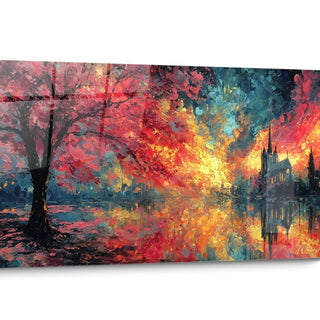 View all793
artworks
View all793
artworks
-
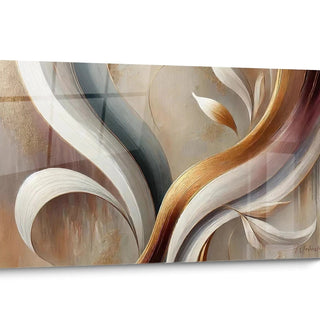 Acrylic (style)10
artworks
Acrylic (style)10
artworks
-
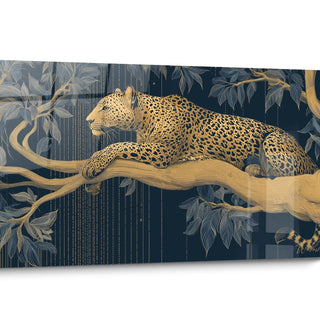 Art Deco164
artworks
Art Deco164
artworks
-
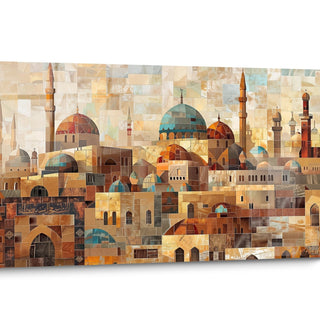 Islamic Art9
artworks
Islamic Art9
artworks
-
 Art Nouveau39
artworks
Art Nouveau39
artworks
-
 Comic Strip16
artworks
Comic Strip16
artworks
-
 Baroque22
artworks
Baroque22
artworks
-
 Bauhaus31
artworks
Bauhaus31
artworks
-
 Billiards19
artworks
Billiards19
artworks
-
 Classicism16
artworks
Classicism16
artworks
-
 Collage14
artworks
Collage14
artworks
-
 Constructivism31
artworks
Constructivism31
artworks
-
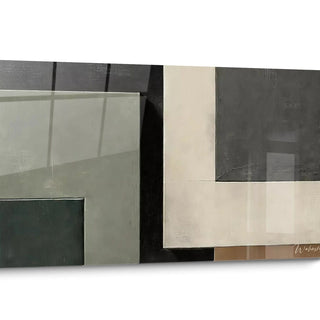 Cubism91
artworks
Cubism91
artworks
-
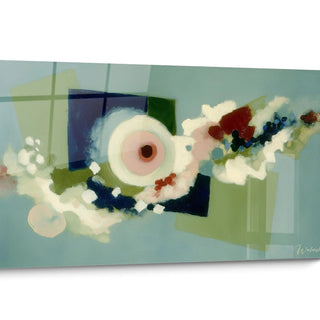 Dadaism33
artworks
Dadaism33
artworks
-
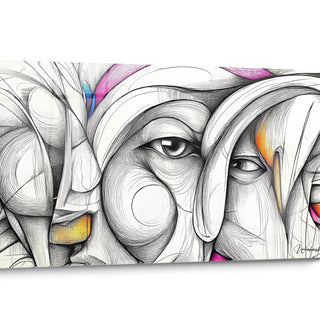 Drawing20
artworks
Drawing20
artworks
-
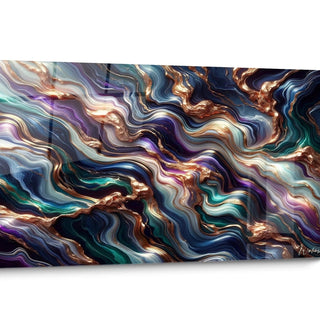 Expressionist95
artworks
Expressionist95
artworks
-
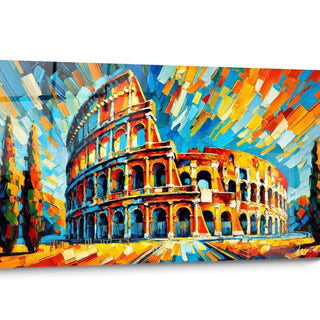 Abstract Fauvism10
artworks
Abstract Fauvism10
artworks
-
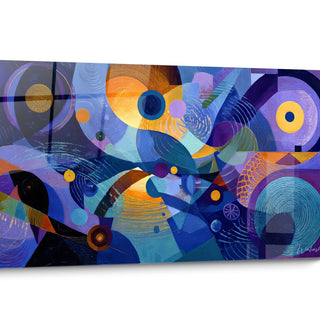 Abstract Futurism25
artworks
Abstract Futurism25
artworks
-
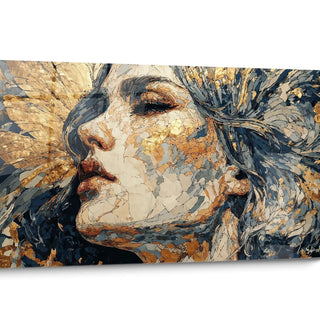 Gothic29
artworks
Gothic29
artworks
-
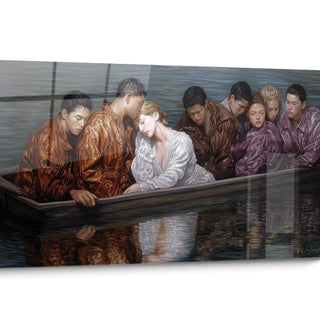 Hyperrealism28
artworks
Hyperrealism28
artworks
-
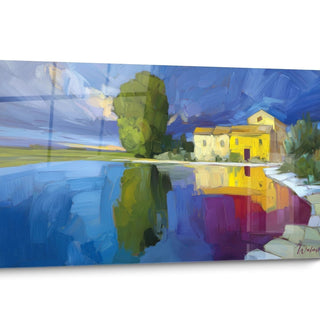 Impressionism23
artworks
Impressionism23
artworks
-
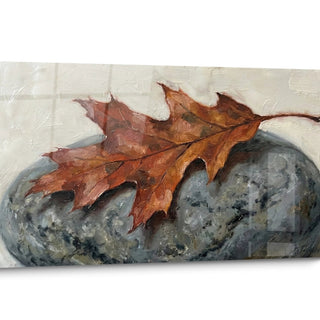 Japandi13
artworks
Japandi13
artworks
-
 Light painting3
artworks
Light painting3
artworks
-
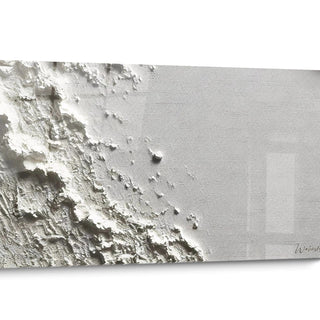 Minimalist35
artworks
Minimalist35
artworks
-
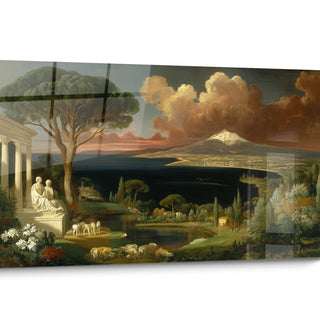 Neo-classical15
artworks
Neo-classical15
artworks
-
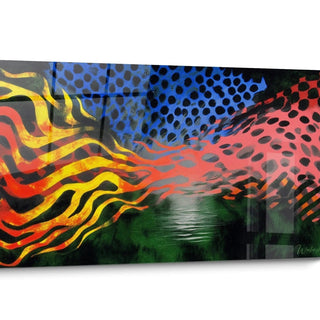 Op Art20
artworks
Op Art20
artworks
-
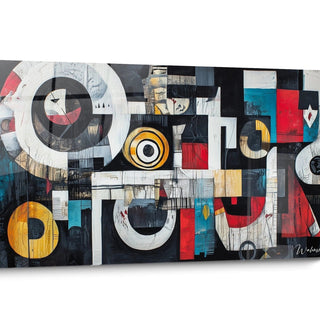 Abstract Contemporary Painting48
artworks
Abstract Contemporary Painting48
artworks
-
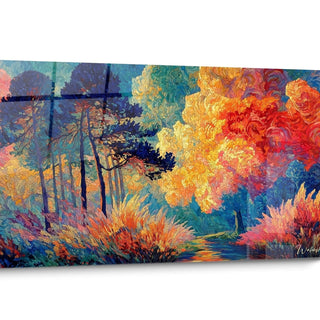 Pointillism59
artworks
Pointillism59
artworks
-
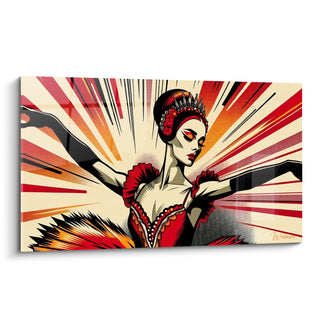 Abstract Pop Art18
artworks
Abstract Pop Art18
artworks
-
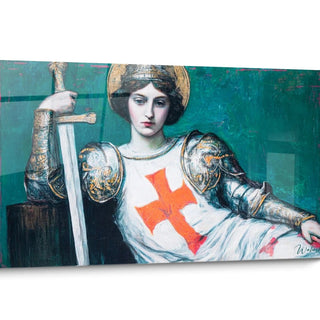 Pre-Raphaelitism11
artworks
Pre-Raphaelitism11
artworks
-
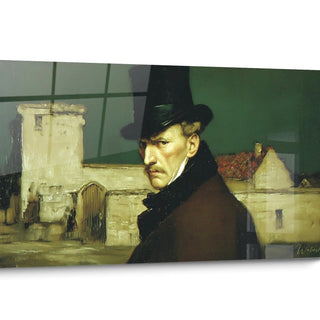 Realism10
artworks
Realism10
artworks
-
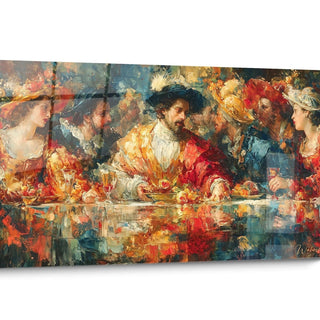 Renaissance13
artworks
Renaissance13
artworks
-
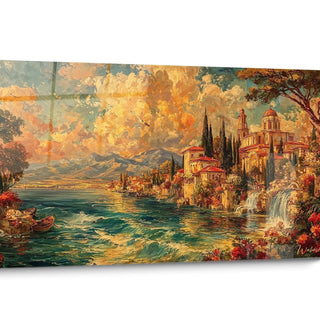 Italian Renaissance12
artworks
Italian Renaissance12
artworks
-
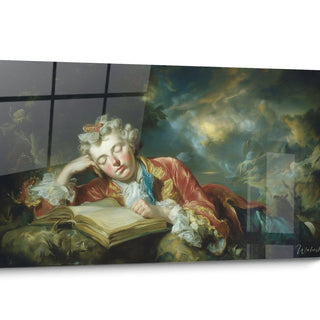 Rococo5
artworks
Rococo5
artworks
-
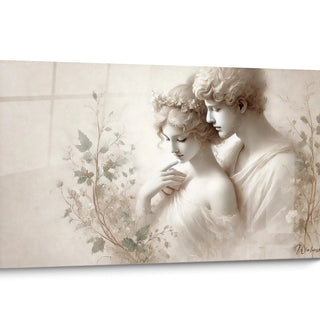 Romantic12
artworks
Romantic12
artworks
-
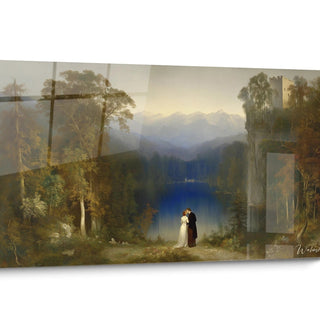 Romanticism17
artworks
Romanticism17
artworks
-
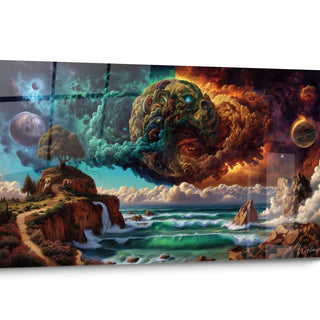 Abstract Surrealism34
artworks
Abstract Surrealism34
artworks
-
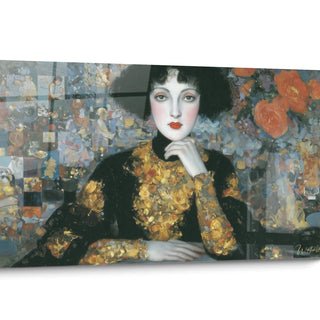 Symbolist26
artworks
Symbolist26
artworks
-
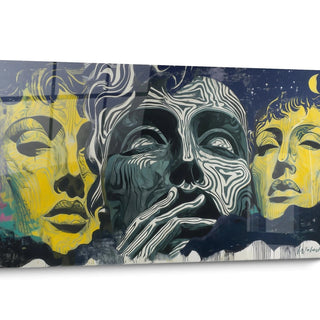 Vanity21
artworks
Vanity21
artworks
All about Post-Impressionist Painting
- Overview Post-Impressionism Wall Art
- Post-Impressionism Wall Art: Masters of Pure Color
- Post-Impressionism Wall Art: Artistic Revolution and Symbolism
- Post-Impressionism Wall Art: Decorative Impact and Modernity
Discover our exclusive collection of post-impressionism wall art in large formats, genuine artworks that transform your interior into a contemporary gallery. These high-quality reproductions capture the revolutionary essence of the artistic movement that redefined Western art between 1880 and 1905, a period when geniuses like Van Gogh, Cézanne and Gauguin broke academic codes to create an entirely new visual language.
Post-Impressionism Wall Art: Masters of Pure Color and Their Revolutionary Techniques
The post-impressionism wall art is distinguished by a radically different approach to color, abandoning naturalistic mimesis to explore the pure expressive potentialities of pigments. This chromatic revolution, initiated by visionaries such as Paul Cézanne and Vincent van Gogh, transforms each artwork into a laboratory of colorist experimentation where saturated hues dialogue with unprecedented emotional intensity.
The Chromatic Revolution: Beyond Natural Observation
Post-impressionist creators developed autonomous color systems, liberating color from its traditional descriptive function. Paul Gauguin develops his cloisonnism with areas of pure colors circled by dark outlines, creating arbitrary yet visually striking harmonies. This synthetist approach prioritizes decorative and symbolic impact over naturalistic fidelity, generating compositions of astonishing modernity.
Vincent van Gogh pushes this liberation even further with his famous colored impasto. His cadmium yellows vibrate against deep ultramarine blues, creating chromatic contrasts that seem to pulse with vital energy. These particular techniques make post-impressionism wall art an exceptional decorative choice for authentic art lovers.
What technical specificities make each reproduction so captivating?
Faithful reproduction of post-impressionism wall art requires particular technical mastery to restore these characteristic impastos and textural effects. Cézanne's innovations in geometric construction through small colored brushstrokes require careful attention to subtle tonal variations that create this unique sensation of architectural volume in his work.
- Restoration of expressive impastos characteristic of Van Gogh
- Reproduction of Cézannian geometric constructions through colored planes
- Fidelity to the synthetist harmonies of Gauguin and his Pont-Aven disciples
- Preservation of extreme chromatic contrasts specific to the movement
Structural Innovation: Toward Modern Colorist Architecture
Paul Cézanne develops a revolutionary constructivist approach, organizing his compositions through geometric colored planes that prefigure modern art. His apple still lifes become meditations on pure form, where each colored facet contributes to an architecture of unprecedented sophistication. This Cézannian method profoundly influences the evolution toward emerging cubism.
Georges Seurat and Paul Signac explore divisionism in parallel, decomposing each colored zone into pure points that recompose optically at distance. This scientific technique generates colorist vibrations of particular intensity, creating luminous atmospheres impossible to achieve through traditional pigment mixing.
How do these innovations transform contemporary decorative experience?
A genuine large-format post-impressionism wall art becomes the absolute focal point of a modern residential space. These works possess such powerful visual presence that they completely redefine a room's atmosphere, bringing that cultural and artistic dimension sought by discerning collectors. The chromatic intensity of these creations generates unique ambiances, particularly valued in contemporary minimalist interiors.
The decorative impact of a reproduction of Van Gogh's Starry Night or Cézanne's Card Players far exceeds that of conventional wall decoration. These works dialogue with contemporary architecture, creating sophisticated visual counterpoints that reveal the aesthetic refinement of owners.
Post-Impressionism Wall Art: Artistic Revolution and Decorative Symbolism
The post-impressionism wall art embodies a major historical rupture in the evolution of Western art, marking the definitive transition between traditional academic art and modern avant-gardes. This pivotal period, extending approximately from 1880 to 1905, sees exceptional artistic personalities emerge who revolutionize not only pictorial techniques, but also the very conception of art and its social function.
The Genesis of a Revolution: Historical Context and Influences
The post-impressionist movement emerges in direct reaction to the perceived limitations of impressionism. While impressionists privileged direct observation of natural light effects, post-impressionists develop a more conceptual and expressive approach. Paul Cézanne theorizes this evolution by declaring he wanted to "make Poussin from nature", thus combining classical constructive rigor and observational modernity.
This period also corresponds to the upheavals of the late nineteenth century: accelerated industrialization, massive urbanization, emergence of new philosophies. Post-impressionist artists integrate these transformations into their works, developing a visual language adapted to the spiritual and existential preoccupations of their era.
What decorative symbols particularly distinguish these artistic creations?
Post-impressionist symbolism transcends mere representation to explore correspondences between forms, colors and psychological states. Paul Gauguin develops a synthetist decorative system where each colored element carries a specific symbolic charge. His yellows evoke primitive spirituality, his reds mystical passion, creating compositions of exceptional iconographic richness.
- Chromatic symbolism: correspondences between colors and emotions
- Sacred geometries: compositional structures with spiritual dimension
- Decorative primitivism: references to non-European arts
- Symbolist synthesis: fusion between observation and creative imagination
The Pont-Aven School: Decorative Laboratory of Modernity
The Pont-Aven group, gravitating around Paul Gauguin, develops major decorative innovations that durably influence Western art. Émile Bernard theorizes cloisonnism, a decorative technique inspired by medieval enamels and stained glass, where colored forms are delimited by dark outlines. This approach generates compositions of remarkable legibility and visual impact.
Paul Sérusier, inspired by Gauguin's teachings, develops synthetism that prioritizes decorative synthesis over naturalistic analysis. His Breton landscapes transform observed reality into colored arrangements of striking modernity, prefiguring twentieth-century decorative art developments.
How do these symbolic innovations integrate into contemporary interiors?
An authentic post-impressionism wall art brings incomparable cultural and intellectual dimension to a modern residential interior. These works convey historical and artistic references that testify to the aesthetic sophistication of their owners. The symbolic richness of these creations generates conversations and prolonged contemplations, transforming domestic space into a place of artistic reflection.
Integrating a reproduction of Starry Night or Van Gogh's Sunflowers into a contemporary living room creates a fascinating dialogue between architectural modernity and artistic heritage. These works bring historical depth and cultural legitimacy that conventional decorative creations cannot offer.
The Nabis: Prophets of Modern Decorative Art
The Nabis group, including Pierre Bonnard, Édouard Vuillard and Maurice Denis, develops a post-impressionist aesthetic specifically oriented toward decorative art. Their compositions prioritize sophisticated decorative arrangements, integrating stylized floral motifs and refined color harmonies that directly influence nascent Art Nouveau.
Maurice Denis formulates the fundamental theory: "Remember that a painting, before being a warhorse, a nude woman or any anecdote, is essentially a flat surface covered with colors arranged in a certain order." This revolutionary conception definitively liberates art from its traditional narrative function.
Post-Impressionism Wall Art: Decorative Impact and Residential Modernity
Acquiring a large-format post-impressionism wall art represents much more than a simple decorative purchase: it is the integration of major artistic heritage into contemporary residential space. These exceptional works radically transform the spatial perception and ambiance of an interior, bringing that distinctive cultural dimension sought by authentic art lovers and discerning collectors.
Spatial Transformation: When Art Redefines Interior Architecture
A genuine post-impressionism wall art possesses this unique capacity to visually restructure residential space. Van Gogh's dynamic compositions, with their whirling movements and expressive impastos, create focal points of remarkable intensity that immediately capture attention and guide visual circulation through the room.
Cézannian geometric constructions, with their architectured colored planes, establish fascinating correspondences with contemporary architecture. A reproduction of The Large Bathers or Mont Sainte-Victoire naturally dialogues with the streamlined lines of modern furniture, creating aesthetic harmonies of exceptional sophistication.
How to optimize the decorative impact of these works in large spaces?
Installing a large-format post-impressionism wall art requires thoughtful consideration of lighting and decorative presentation. These works require indirect lighting that reveals chromatic subtleties without creating parasitic reflections. Variable-temperature LED lighting allows adapting the ambiance according to times of day, revealing different facets of the artwork.
- Strategic positioning facing main circulation zones
- Indirect lighting preserving subtle chromatic nuances
- Sufficient spacing allowing necessary contemplative distance
- Harmony with contemporary furniture without visual competition
Cultural Investment: Heritage Value and Transmission
Acquiring superior quality post-impressionism wall art constitutes a lasting cultural investment transmitted from generation to generation. These faithful reproductions of major works retain their aesthetic relevance and decorative value independently of passing trends, guaranteeing prolonged aesthetic satisfaction.
The presence of these works in a home also contributes to the natural artistic education of inhabitants and visitors. Daily contemplation of Van Gogh's Sunflowers or Monet's Water Lilies develops refined aesthetic sensitivity and deepened artistic culture, particularly beneficial for the artistic awakening of the young.
What influence do these works exert on daily residential ambiance?
The exceptional chromatic qualities of post-impressionist wall art generate unique residential atmospheres that evolve according to natural lighting conditions. Van Gogh's deep blues and vibrant yellows create ambiances at times soothing, at times stimulating, positively influencing the mood and creativity of occupants.
This perceptual variability transforms the home into a space of active contemplation, where each moment of the day reveals new aspects of the work. This permanent visual richness fundamentally distinguishes these authentic creations from conventional wall decorations with static impact.
Integration into Contemporary Decorative Trends
Post-impressionist style harmonizes perfectly with contemporary decorative trends privileging authenticity and artistic quality. These works bring that "slow décoration" dimension sought by clientele concerned with creating timeless interiors culturally enriched, far from ephemeral trends.
The association between contemporary design furniture and post-impressionism wall art creates sophisticated contrasts particularly appreciated in urban lofts and modern residences. This cohabitation between artistic heritage and decorative modernity testifies to a refined cultural approach to interior design.
FAQ - Frequently Asked Questions about Post-Impressionism Wall Art
What size of post-impressionism wall art best suits a modern living room?
For a modern living room, prioritize imposing formats (minimum 80x60 cm) that allow full appreciation of technical details and chromatic impact characteristic of the post-impressionist movement. Large formats better reveal Van Gogh's impastos and Cézannian constructions.
How to durably maintain high-quality post-impressionism wall art?
Avoid direct sun exposure and maintain stable temperature between 18-22°C. Gentle monthly dusting with a soft brush preserves color brilliance. Absolutely avoid chemical products that could alter high-fidelity reproductions.
Which post-impressionist artists offer the best decorative residential impact?
Van Gogh remains essential for his immediate emotional impact, while Cézanne brings remarkable structural sophistication. Gauguin and the Nabis offer colored decorative solutions perfect for contemporary interiors seeking originality and artistic refinement.
Can multiple post-impressionism wall artworks be combined in the same space?
Combining multiple post-impressionist works requires pointed decorative expertise to avoid visual overload. Prioritize chromatic or stylistic coherence, spacing works sufficiently to allow individual contemplation of each creation without visual interference.


