

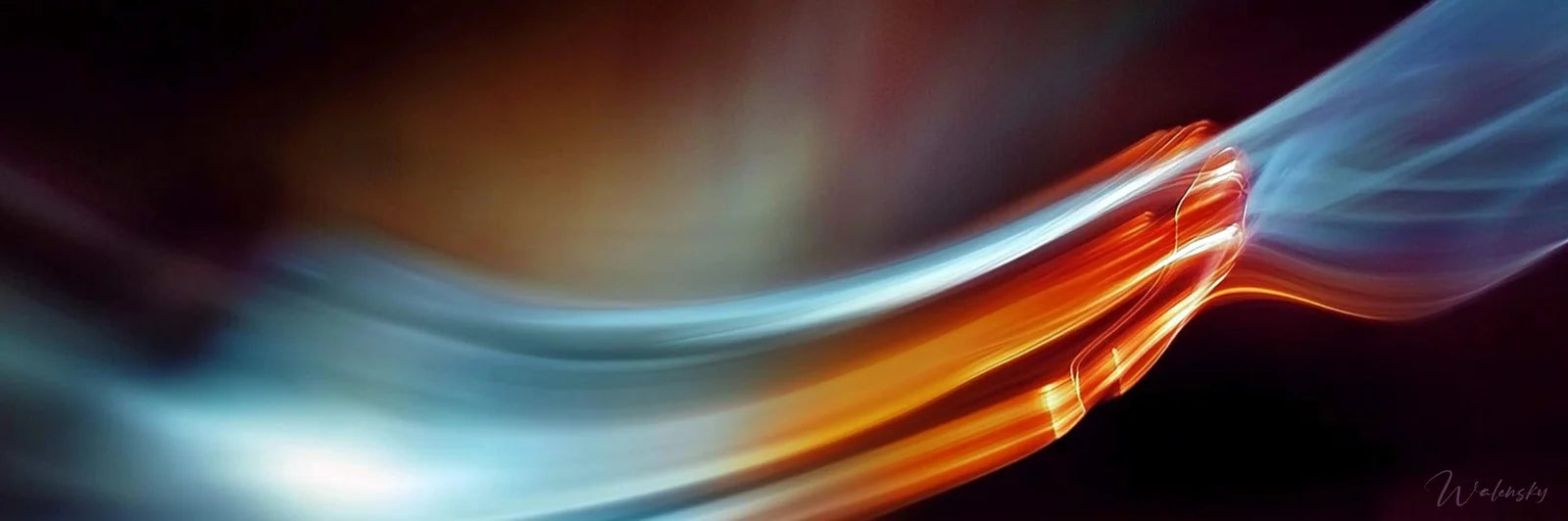
Light Painting Canvas
Dive into the captivating universe of light painting, where light becomes a brush and creates exceptional works. Our Light Painting Canvas collection captures the essence of this luminous art through unique contemporary creations that transform your interior. Each piece reveals striking light plays, energetic traces, and a modern aesthetic that elevates your walls. Perfect for lovers of innovative art, this collection brings dynamism and character to your décor.
 Modern Chair Painting - Luminous Movement - Light Painting Edition213,90 €
 Light Cascade Painting - Orange Symphony - Light Painting Edition233,90 €
 Abstract Light Flow Painting - Flaming Wave - Light Painting Edition232,90 €

In the same family
Also explore the theme Artistic Movements
-
 View all793
artworks
View all793
artworks
-
 Acrylic (style)10
artworks
Acrylic (style)10
artworks
-
 Art Deco164
artworks
Art Deco164
artworks
-
 Islamic Art9
artworks
Islamic Art9
artworks
-
 Art Nouveau39
artworks
Art Nouveau39
artworks
-
 Comic Strip16
artworks
Comic Strip16
artworks
-
 Baroque22
artworks
Baroque22
artworks
-
 Bauhaus31
artworks
Bauhaus31
artworks
-
 Billiards19
artworks
Billiards19
artworks
-
 Classicism16
artworks
Classicism16
artworks
-
 Collage14
artworks
Collage14
artworks
-
 Constructivism31
artworks
Constructivism31
artworks
-
 Cubism91
artworks
Cubism91
artworks
-
 Dadaism33
artworks
Dadaism33
artworks
-
 Drawing20
artworks
Drawing20
artworks
-
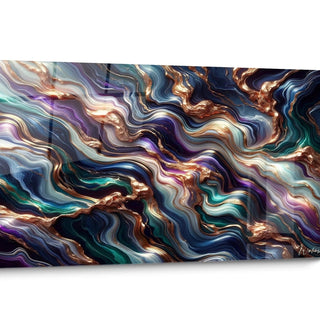 Expressionist95
artworks
Expressionist95
artworks
-
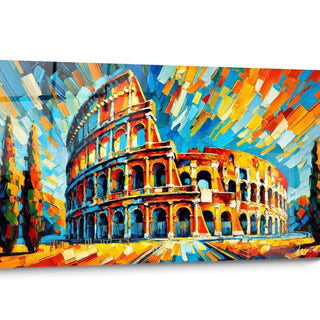 Abstract Fauvism10
artworks
Abstract Fauvism10
artworks
-
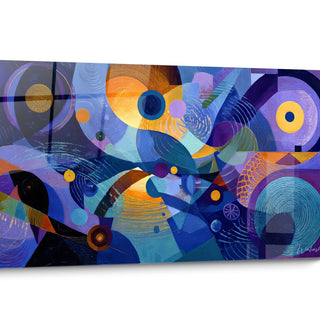 Abstract Futurism25
artworks
Abstract Futurism25
artworks
-
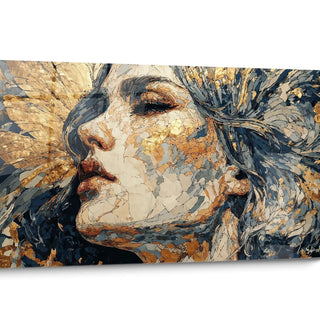 Gothic29
artworks
Gothic29
artworks
-
 Hyperrealism28
artworks
Hyperrealism28
artworks
-
 Impressionism23
artworks
Impressionism23
artworks
-
 Japandi13
artworks
Japandi13
artworks
-
 Minimalist35
artworks
Minimalist35
artworks
-
 Neo-classical15
artworks
Neo-classical15
artworks
-
 Op Art20
artworks
Op Art20
artworks
-
 Abstract Contemporary Painting48
artworks
Abstract Contemporary Painting48
artworks
-
 Pointillism59
artworks
Pointillism59
artworks
-
 Abstract Pop Art18
artworks
Abstract Pop Art18
artworks
-
 Post-Impressionism15
artworks
Post-Impressionism15
artworks
-
 Pre-Raphaelitism11
artworks
Pre-Raphaelitism11
artworks
-
 Realism10
artworks
Realism10
artworks
-
 Renaissance13
artworks
Renaissance13
artworks
-
 Italian Renaissance12
artworks
Italian Renaissance12
artworks
-
 Rococo5
artworks
Rococo5
artworks
-
 Romantic12
artworks
Romantic12
artworks
-
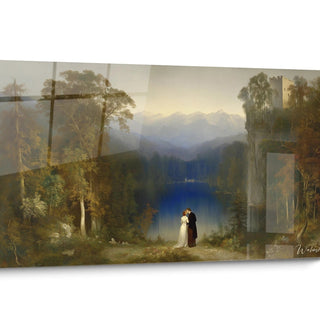 Romanticism17
artworks
Romanticism17
artworks
-
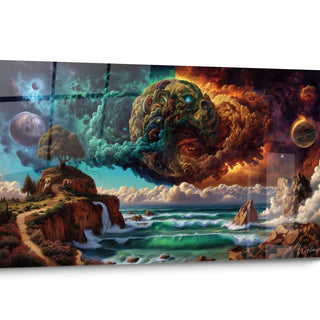 Abstract Surrealism34
artworks
Abstract Surrealism34
artworks
-
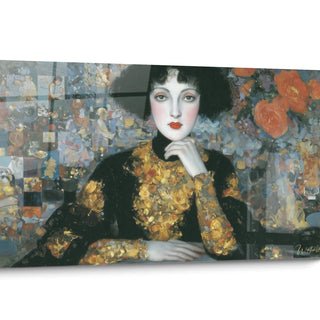 Symbolist26
artworks
Symbolist26
artworks
-
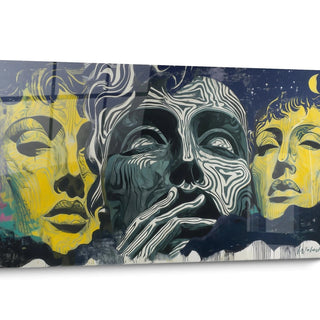 Vanity21
artworks
Vanity21
artworks
All about Light Painting Canvas
- Light Painting Wall Art Presentation Light Painting
- Light Painting Wall Art and Light Trails
- Light Painting Wall Art: Energy and Movement
- Light Painting Wall Art for Contemporary Atmospheres
Discover our exclusive collection of light painting wall art in large format, authentic captures of photographic art where light becomes creative material. These wall representations seize the intensity of light trails in perpetual motion, creating hypnotic visual compositions that radically transform the atmosphere of your living spaces. Each creation captures the very essence of long-exposure photography, where luminous beams draw abstract trajectories in striking colors. Our selection privileges imposing formats that magnify the visual impact of these light choreographies frozen in time, offering a captivating wall presence for enthusiasts of experimental photographic art and bold contemporary decoration.
Light Painting Wall Art: The Art of Light Trails in Your Wall Decoration
A light painting wall art piece constitutes much more than a simple wall representation: it captures the ephemeral essence of luminous trajectories in motion, crystallizing fleeting moments where light draws abstract forms impossible to reproduce. This revolutionary photographic technique relies on prolonged exposures during which mobile light sources create fluorescent trails with infinite nuances. Large formats spectacularly amplify this hypnotic effect, transforming your walls into windows opening onto parallel dimensions where luminous physics transcends ordinary rules.
How do captured light beams transform spatial perception?
Light painting representations generate fascinating three-dimensional depth through successive overlays of luminous curves. Unlike traditional graphic arts, these photographic creations possess intrinsic kinetic quality: the eye naturally follows fluorescent trajectories, creating dynamic visual experience even on static support. This characteristic makes these wall decorations particularly suited to spaces where you wish to infuse constant visual energy without sensory saturation.
Chromatic tonalities of light trails vary according to color temperatures used during photographic capture. Electric neon tones – cobalt blues, ultraviolet purples, fuchsia pinks – frequently dominate these compositions, creating striking contrasts with dark backgrounds characteristic of nocturnal light painting. This specific palette grants your decoration a resolutely modern signature, particularly sought after in contemporary urban interiors and spaces dedicated to creativity.
Why privilege imposing formats for these luminous captures?
Generous dimensions fully reveal the complexity of light entanglements and allow appreciation of fluorescent gradient subtleties. A monumental format transforms simple photography into immersive visual installation, where each luminous curve acquires palpable physical presence. This monumentality becomes essential for reception spaces, spacious entrance halls or principal walls of open-plan living areas, where wall decoration must assert itself as distinct architectural element.
The enlarged scale of representations also allows distinction of luminous intensity variations along trajectories, creating stratified depth effects impossible to perceive in reduced formats. Light concentration zones alternate with more evanescent passages, generating visual breathing that maintains visual interest over time. This richness of detail fully justifies investment in substantial dimensions for your photographic wall decoration.
Which chromatic combinations work with fluorescent trails?
Light beams captured in light painting naturally harmonize with environments featuring sober and neutral palettes. Anthracite walls, concrete gray or deep blacks create ideal setting that amplifies brilliance of photographed neons, reproducing original nocturnal shooting conditions. This association generates maximum contrast that magnifies every luminous filament, transforming your space into gallery dedicated to experimental photographic art.
Paradoxically, these luminous representations also integrate into lighter interiors, where they bring energetic visual punctuation. On white or light beige walls, a wall art depicting artistic movements in light painting creates dynamic focal point without weighing down overall atmosphere. Contrast becomes more subtle but remains visually stimulating, particularly effective in creative workspaces or bedrooms where one seeks inspiring atmosphere without visual aggression.
Psychological impact of luminous curves in perpetual motion
Circular and spiraled trajectories characteristic of light painting possess recognized meditative properties. The eye instinctively follows these infinite loops, creating soothing effect similar to observing flames or waves. This hypnotic quality makes light painting wall art valuable allies for relaxation spaces, therapy offices or domestic relaxation zones, where wall decoration should promote mental release.
Simultaneously, raw visual energy emanating from these fluorescent beams stimulates creativity and energizes atmosphere. Zones of intense light concentration act as cognitive activation points, particularly beneficial in artists' studios, creative agencies or coworking spaces. This dual soothing-stimulating quality characterizes the uniqueness of light painting representations in contemporary decorative landscape.
Architectural integration of long-exposure captures
Light painting compositions adapt remarkably to minimalist and streamlined architectures, where their intrinsic visual complexity contrasts with simplicity of built lines. In industrial lofts with exposed structures, these luminous representations naturally dialogue with raw materials – concrete, metal, brick – creating aesthetic tension between tangible matter and immaterial light. This juxtaposition generates instant decorative sophistication without requiring accumulation of objects.
Spaces with vertiginous ceilings particularly benefit from monumental vertical-orientation formats, where ascending light trails guide the eye toward architectural heights. This accentuated verticality amplifies sense of space while creating visual connection between floor and upper volumes. Contemporary building halls, design staircases or open mezzanines find in these representations a solution that is both spectacular and coherent with modern architectural vocabulary.
- Chromatic adaptability: Fluorescent neons harmonize with industrial cool palettes or Scandinavian warm tones
- Visual scalability: Abstract compositions function equally well in panoramic formats or square or vertical orientations
- Thematic neutrality: Absence of figurative narrative allowing infinite personal projections without thematic saturation
- Aesthetic timelessness: Luminous abstraction transcends decorative trends without stylistic obsolescence
Energetic Dynamics of Light Painting Wall Art: Capturing Luminous Movement
Light painting photography captures the very essence of movement in its purest dimension: that of light displacing through darkness. This technique reveals luminous choreographies invisible to the naked eye, which only prolonged shutter can seize and freeze. A large format light painting wall art piece thus becomes material witness to ephemeral performance, transforming your wall into visual archive of unique and irreproducible creative moment. This singularity grants each representation artistic authenticity comparable to traditional one-of-a-kind works.
What role do displacement speeds play in final aesthetics?
Variations in velocity during luminous creation generate radically different visual effects. Rapid movements produce tenuous and elongated filaments, creating sensation of energetic frenzy, while slow displacements generate thick and saturated luminous bands, emanating contained power. This rhythmic diversity within single composition creates visual polyphony where speed and slowness dialogue, offering observer stratified visual reading experience.
Sudden accelerations leave characteristic traces: zones of low intensity followed by concentrated flashes marking pivot points. These variations in light thickness implicitly recount creator's physical gesture, introducing performative dimension absent from conventional graphic arts. Your wall decoration acquires thus additional narrative depth, particularly appreciated by experimental photographic art collectors seeking pieces endowed with documented conceptual history.
How do luminous superimpositions create three-dimensional depth?
Light painting's magic resides in its capacity to stratify multiple luminous layers during single exposure. Each passage of light source adds supplementary layer, creating intersections, overlaps and zones of variable saturation. These superimpositions generate fascinating illusion of spatial depth: certain trails seem to float in foreground while others sink into dark backgrounds, creating complex three-dimensional luminous architecture.
This perceptual depth radically transforms wall experience: unlike classic two-dimensional representations, the eye literally penetrates composition, exploring different stratified luminous planes. This partial visual immersion generates prolonged observer engagement, who continuously discovers new details according to observation angle and ambient lighting conditions. Your decorative investment thus extends beyond initial impact but proposes renewed evolving experience at each contemplation.
Why do dark backgrounds amplify perceived luminous intensity?
Maximum contrast between photographed darkness and fluorescent brilliance constitutes fundamental principle of nocturnal light painting. This binary opposition exacerbates apparent luminosity of trails, creating visual intensity disproportionate to physical reality of light sources used. This perceptual phenomenon transforms your wall decoration into secondary light source: even without backlighting, fluorescent zones seem to emit their own radiance, particularly perceptible in weakly lit environments.
Deep black backgrounds also offer neutrality allowing eyes to concentrate exclusively on luminous elements without contextual distraction. This radical paring of visual superfluity creates contemplative experience akin to meditation, where only essential luminous curves capture attention. Spaces dedicated to concentration – home offices, personal libraries, artists' workshops – particularly benefit from this focusing quality of light painting compositions on dark backgrounds.
Circular trajectories versus linear compositions: what decorative impact?
Spirals and loops characteristic of certain light painting creations generate centripetal dynamics that attract and retain gaze at composition's core. These cyclical forms evoke energetic vortices, spiral galaxies or concentric waves, establishing subconscious connections with universal visual archetypes. This intuitive recognition creates immediate visual comfort while maintaining sustained interest through complexity of luminous interlacing.
Conversely, compositions dominated by linear or zigzag trajectories produce directional energy actively guiding gaze through wall space. These configurations create vectorial visual movement, particularly effective in hallways, longitudinal spaces or to create visual connection between different zones of open-plan room. Choice between hypnotic circularity and dynamic linearity fundamentally depends on desired psychological effect: meditative soothing or energetic stimulation.
- Luminous versatility: Fascinating interaction with indirect lighting creating subtle secondary effects on adjacent walls
- Absence of figurativity: Narrative escape allowing infinite personal projections without thematic saturation
- Technological compatibility: Natural resonance with contemporary digital aesthetics and urban visual cultures
- Conversational value: Guaranteed focal point triggering reactions and discussions during receptions thanks to technical singularity
Integrating Light Painting Wall Art into Contemporary Nocturnal Atmospheres
Light painting photographic representations possess natural affinity with dimly lit spaces and twilight atmospheres. Their nocturnal genesis – captures realized in total darkness – predisposes them to excel in weakly illuminated environments where conventional wall decorations struggle to maintain visual presence. A large format light painting wall art piece paradoxically reveals full power when ambient light diminishes, radically transforming decorative dynamics between day and night within your home.
How do these luminous representations interact with architectural lighting?
Directional spotlights and indirect LED strips create fascinating luminous dialogues with photographed fluorescent trails. Grazing lateral lighting generates subtle reflections on printed surfaces, creating secondary halos that amplify impression of intrinsic luminescence. This physical interaction between real light and captured light blurs boundaries between representation and reality, granting your wall quasi-holographic quality particularly spectacular in environments equipped with programmable intelligent lighting systems.
Daily light intensity variations continuously transform composition appearance. Under intense daylight, contrasts attenuate revealing subtle details in previously imperceptible dark zones. As night falls, with minimal ambient lighting, fluorescent elements seem progressively activate, creating natural atmospheric transition between daytime and nocturnal configurations. This daily metamorphosis multiplies perceived value of your decorative investment.
Which living spaces maximally benefit from these luminous captures?
Rooms dedicated to audiovisual equipment constitute ideal environment for monumental light painting wall art. In these rooms where main lighting frequently remains off favoring dimmed ambiances, fluorescent trails maintain strong decorative presence without creating bothersome light pollution. Their non-narrative abstraction also avoids any visual competition with screen-displayed content, rather establishing aesthetic coherence with contemporary digital visual universes.
Adult bedrooms seeking sophisticated and sensual atmosphere remarkably benefit from these luminous compositions. Organic curves and saturated neons create resolutely modern ambiance without clinical coldness, particularly when associated with dark luxury textiles and streamlined furniture. Absence of figurative representations preserves neutrality necessary for rest spaces while providing sufficient visual charge to avoid decorative monotony.
What are the best decorative associations to amplify visual impact?
Reflective materials – smoked mirrors, brushed metallic surfaces, tinted glasses – create visual echoes that multiply presence of photographed luminous elements. Furniture with chrome or black lacquered finishes strategically positioned capture and partially reflect fluorescent tones from light painting, weaving network of chromatic correspondences throughout space. This coherent decorative approach transforms entire room into extension of principal photographic work.
Dark foliage vegetation – ficus elastica, monstera deliciosa, zamioculcas – establishes fascinating organic contrast with assumed artificiality of photographed neons. This tension between living nature and synthetic light creates decorative sophistication avoiding pitfall of excessive technological coldness. Raw concrete or black ceramic planters reinforce this contemporary biophilic aesthetic while maintaining chromatic coherence with light painting dark backgrounds.
Perceptual evolution according to seasons and climate conditions
Short winter days and early nocturnal evenings naturally amplify light painting wall art presence in your daily visual experience. During these months when artificial lighting dominates, photographed luminous compositions organically integrate into this generally illuminated atmosphere, creating aesthetic continuity between functional light sources and artistic representations. This seasonal harmony transforms your interior into luminous cocoon during periods of weak natural sunlight.
Conversely, long summer evenings bathed in warm twilight light create interesting temporal contrast with cool fluorescent neon tones. This seasonal thermal opposition continuously renews visual experience, preventing decorative fatigue. Owners of secondary residences particularly appreciate this chameleon quality allowing light painting representations to naturally adapt to seasonal rhythms without requiring supplementary decorative adjustments.
Style coherence with contemporary and industrial furnishings
Streamlined lines of Scandinavian design find ideal complement in organic abstraction of light trails. Formal simplicity of Nordic furniture – tapered legs, simple geometric volumes – leaves full visual scope for complex light painting compositions without creating aesthetic saturation. This association generates decorative balance where structural minimalism and visual richness coexist harmoniously, creating interiors simultaneously soothing and visually stimulating.
Raw industrial environments – exposed brick, metal beams, polished concrete floors – offer particularly valorizing setting for these experimental photographic representations. Tension between tangible materiality of architectural structures and immateriality of luminous compositions creates sophisticated aesthetic dialectic. Urban lofts, converted studios and commercial spaces with assumed industrial design find in monumental light painting wall art solution that celebrates their unique architectural identity while bringing artistic humanity touch necessary to avoid excessive coldness.
- Dimensional flexibility: Compositions functioning equally well in ultra-panoramic formats or imposing vertical configurations
- Trend resistance: Timeless aesthetic transcending ephemeral decorative modes through fundamental abstraction
- Investment value: Technical photographic pieces acquiring increasing heritage value on contemporary art market
- Simplified installation: Absence of specific hanging requirements unlike voluminous wall sculptures
Where to ideally place light painting wall art in contemporary living room?
Privilege main wall facing room entrance to maximize immediate visual impact. Clear areas without tall furniture allow full appreciation of generous dimensions without visual obstruction. Avoid locations receiving prolonged direct sunlight which could alter perception of subtle luminous contrasts.
Do light painting wall art pieces suit professional spaces?
Absolutely, particularly in creative, technological sectors and modern liberal professions. Their abstraction avoids any limiting thematic connotation while projecting innovative and contemporary image. Waiting rooms, reception halls and coworking spaces particularly benefit from their distinctive visual presence promoting positive environmental memorization.
How to maintain these large format photographic representations?
Gentle monthly dusting with dry microfiber cloth suffices. Avoid liquid cleaning products that could alter printed surfaces. Stability of professional photographic inks guarantees optimal chromatic conservation for decades without particular precautions, provided avoiding prolonged direct daily sunlight exposure.
Can one associate multiple light painting wall art pieces on same wall?
Technically possible but generally inadvisable: intrinsic visual complexity of each composition requires sufficient visual breathing space. Privilege single monumental masterpiece rather than accumulation that would dilute individual impact. For multiple collections, distribute across different rooms creating coherent artistic pathway through home.
Further reading
Our articles on this topic
- Light Projection Artwork, Artistic Innovation or Simple Gadget?
- Dimmable lighting solutions: adapt the light to your atmosphere
- Decorative Lighting or Spotlights: Bringing the Gallery Effect Home
- Why Add Specific Lighting to a Wall Art?
- Elegant Staging: Painting + LED string lights, well-dosed
- Integrated illuminated artwork: gadget or masterpiece?


