


Japandi Wall Art
The Japandi Wall Art embodies the perfect union of Japanese aesthetics and Scandinavian design. This collection celebrates the art of minimalism and serenity through refined compositions in natural tones. Each piece captures the essence of minimalist Japandi decor, creating a zen and warm atmosphere. Organic motifs, clean lines, and a soothing palette transform your spaces into peaceful havens. Perfect for modern interiors seeking harmony, our collection of zen Japandi style wall art elevates your décor.
 Geometric Shapes Painting Ochre and Gray - Modern Balance - Japandi Edition273,90 €
 Abstract Whirlwind Black and Grey with Gold Touches Wall Art - Celestial Storm - Japandi Edition273,90 €
 Potter's Hands Molding Clay Wall Art Beige and Ochre Tones - Creator's Gesture - Japandi Edition273,90 €
 Autumn Leaf on Gray Rocks - Mineral Serenity - Japandi Edition273,90 €
 Abstract Circle Painting Black and Beige - Minimalist Harmony - Japandi Edition273,90 €
 Candle Flame Painting Orange and White Smoke - Warm Light - Japandi Edition228,90 €
 Abstract Turquoise and Crackled Black Painting - Mineral Electricity - Japandi Edition228,90 €
 Blue Butterfly and Terracotta Pottery in Delicate Watercolor - Natural Harmony - Japandi Edition228,90 €
 Budding Branches with Soft Beige and Green Tones - Spring Awakening - Japandi Edition228,90 €
 Abstract Black and Gold Canvas with Golden Splashes - Golden Constellation - Japandi Edition228,90 €
 Canvas Green Sprout Emerging from Cracked Grey Stone - Natural Renaissance - Japandi Edition228,90 €
 Canvas Two Golden Ceramic Bowls on Aged Wood - Vapor Serenity - Japandi Edition228,90 €
 Beige Silk Draped Canvas with Undulating Folds - Natural Softness - Japandi Edition228,90 €
In the same family
Also explore the theme Artistic Movements
-
 View all793
artworks
View all793
artworks
-
 Acrylic (style)10
artworks
Acrylic (style)10
artworks
-
 Art Deco164
artworks
Art Deco164
artworks
-
 Islamic Art9
artworks
Islamic Art9
artworks
-
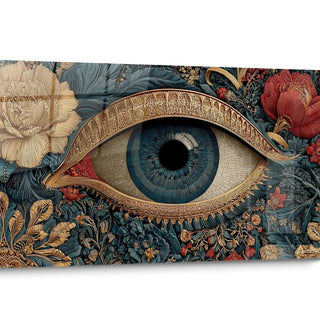 Art Nouveau39
artworks
Art Nouveau39
artworks
-
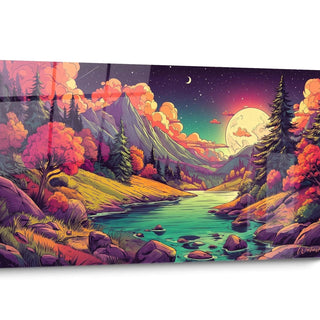 Comic Strip16
artworks
Comic Strip16
artworks
-
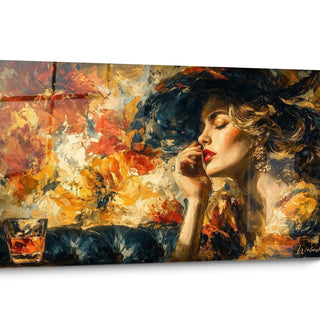 Baroque22
artworks
Baroque22
artworks
-
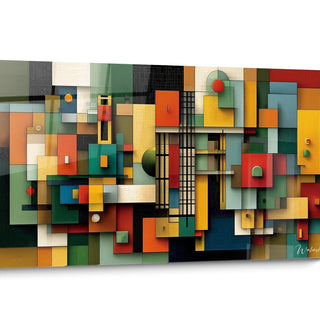 Bauhaus31
artworks
Bauhaus31
artworks
-
 Billiards19
artworks
Billiards19
artworks
-
 Classicism16
artworks
Classicism16
artworks
-
 Collage14
artworks
Collage14
artworks
-
 Constructivism31
artworks
Constructivism31
artworks
-
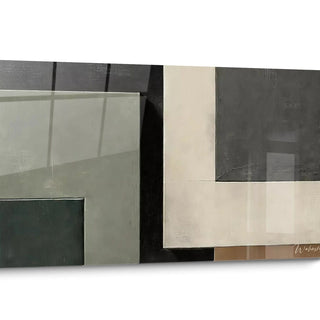 Cubism91
artworks
Cubism91
artworks
-
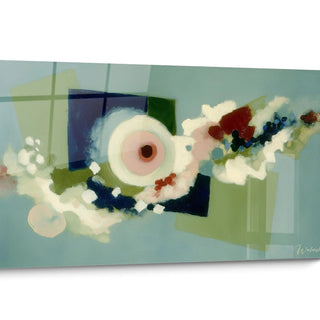 Dadaism33
artworks
Dadaism33
artworks
-
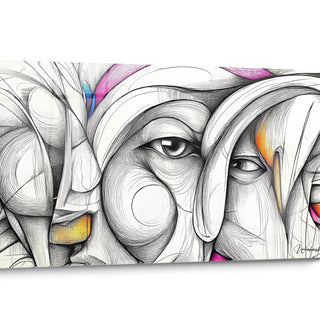 Drawing20
artworks
Drawing20
artworks
-
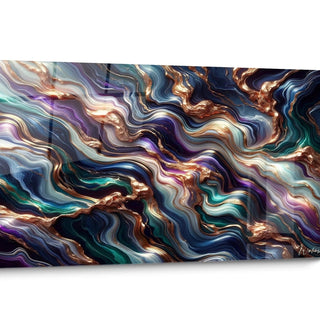 Expressionist95
artworks
Expressionist95
artworks
-
 Abstract Fauvism10
artworks
Abstract Fauvism10
artworks
-
 Abstract Futurism25
artworks
Abstract Futurism25
artworks
-
 Gothic29
artworks
Gothic29
artworks
-
 Hyperrealism28
artworks
Hyperrealism28
artworks
-
 Impressionism23
artworks
Impressionism23
artworks
-
 Light painting3
artworks
Light painting3
artworks
-
 Minimalist35
artworks
Minimalist35
artworks
-
 Neo-classical15
artworks
Neo-classical15
artworks
-
 Op Art20
artworks
Op Art20
artworks
-
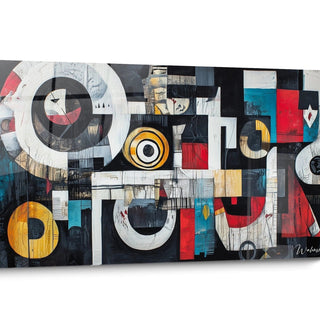 Abstract Contemporary Painting48
artworks
Abstract Contemporary Painting48
artworks
-
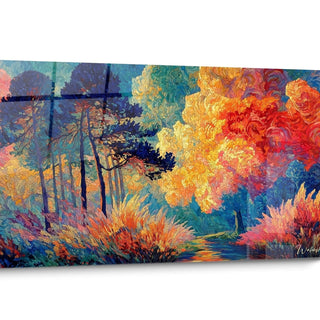 Pointillism59
artworks
Pointillism59
artworks
-
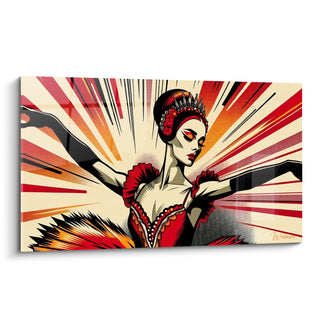 Abstract Pop Art18
artworks
Abstract Pop Art18
artworks
-
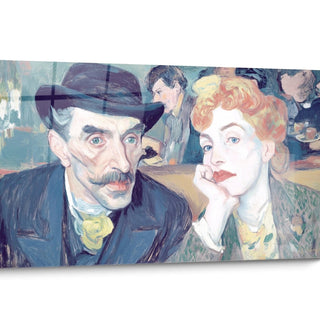 Post-Impressionism15
artworks
Post-Impressionism15
artworks
-
 Pre-Raphaelitism11
artworks
Pre-Raphaelitism11
artworks
-
 Realism10
artworks
Realism10
artworks
-
 Renaissance13
artworks
Renaissance13
artworks
-
 Italian Renaissance12
artworks
Italian Renaissance12
artworks
-
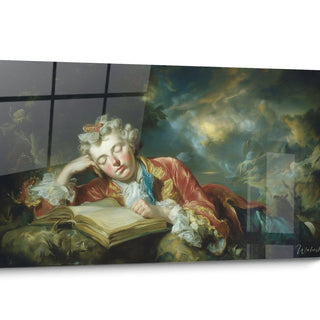 Rococo5
artworks
Rococo5
artworks
-
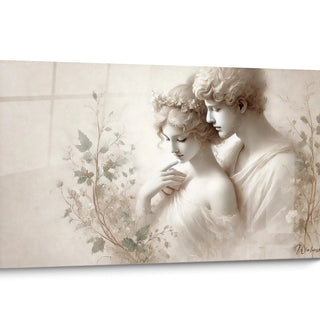 Romantic12
artworks
Romantic12
artworks
-
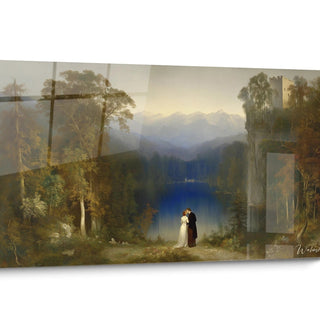 Romanticism17
artworks
Romanticism17
artworks
-
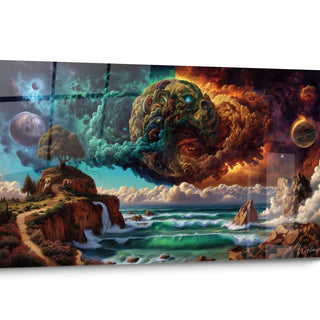 Abstract Surrealism34
artworks
Abstract Surrealism34
artworks
-
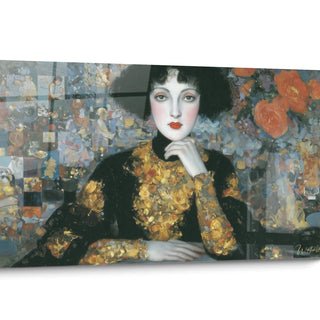 Symbolist26
artworks
Symbolist26
artworks
-
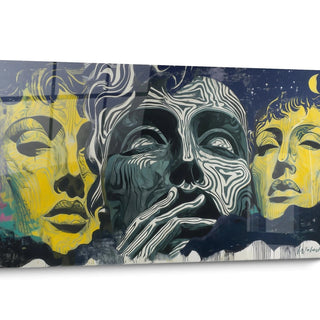 Vanity21
artworks
Vanity21
artworks
All about Japandi Wall Art
- Japandi Wall Art Presentation
- Minimalist and Natural Balance
- Materials and Color Palette
- Integration into Living Spaces
The japandi wall art embodies the harmonious fusion between refined Japanese aesthetics and the warm functionality of Scandinavian design. This contemporary decorative trend favors visual compositions where structured emptiness dialogues with stylized natural elements, creating a contemplative balance ideal for large-format wall art. Each japandi creation transforms your wall into a visual sanctuary where intentional simplicity meets organic sophistication, perfect for residential spaces seeking to escape modern visual saturation while affirming a thoughtful aesthetic choice.
The Minimalist Essence of Japandi Wall Art for Spacious Areas
The large-dimension japandi wall art distinguishes itself through its radical approach to Scandinavian wabi-sabi, where every visual element obeys a logic of essential reduction. Unlike cluttered wall decorations, this hybrid aesthetic values negative spaces as active components of the composition, allowing the eye to circulate freely between refined zones and strategically positioned visual anchors.
Why choose japandi wall art for a spacious living room?
In the generous volumes of contemporary living spaces, a monumental japandi wall art functions as a natural visual regulator. Its restricted palette and organic geometric patterns instantly calm the atmosphere without imposing constraining decorative narrative. The characteristic horizontal lines of the style evoke the serenity of Nordic landscapes and contemplation of zen gardens, creating a particularly effective meditative anchor in dense urban environments.
The philosophy of less to reveal space
The japandi approach categorically refuses decorative accumulation in favor of an affirmed yet breathing wall presence. A single large-format japandi wall art advantageously replaces a complex gallery wall, thereby simplifying spatial reading while magnifying existing architecture. This decorative strategy mentally liberates the occupant from multiple styling decisions while guaranteeing lasting aesthetic coherence, independent of ephemeral trends.
How does japandi wall art create a calming focal point?
The strength of japandi wall art lies in its ability to centralize attention without capturing it aggressively. Abstract patterns inspired by nature – stylized branches, schematic mountains, solar circles – function as supports for contemplative projection rather than demanding visual stimuli. This meditative quality amplifies with monumental dimensions, transforming the wall into a virtual window to a soothing mental landscape, particularly sought after in master bedrooms and rest spaces.
Japandi compositions also favor balanced asymmetries inherited from Japanese aesthetics, where calculated off-centering paradoxically generates superior visual stability compared to classical symmetries. This productive tension between order and spontaneity grants the wall art a living presence that evolves according to viewing angle and natural light, enriching daily experience without ever saturating perception.
Natural Palette and Textures of Contemporary Japandi Wall Art
What color range defines japandi wall aesthetic?
Authentic japandi wall art articulates itself around a strict chromatic harmony simultaneously borrowed from Scandinavian lands and traditional Japanese inks. Warm neutrals – sandy beiges, taupe grays, off-whites – constitute the tonal base, punctuated with terra-cotta, sage green, or deep navy accents. This color restraint guarantees seamless integration into Nordic interiors as well as minimalist Japanese-inspired spaces, while allowing varied decorative associations without risk of visual clash.
Unlike polychromatic décor that quickly fatigues, this reduced palette ages remarkably well, its timelessness constituting a lasting decorative investment. Subtle tonal variations replace harsh contrasts, creating sophisticated visual depth perceptible only upon attentive observation – a quality particularly appreciated in high-end residential environments seeking discrete elegance rather than decorative ostentation.
Materiality and finishes of large-scale japandi wall art
Monumental japandi formats strategically exploit matte finishes that absorb rather than reflect light, thereby amplifying the soothing effect characteristic of the style. This absence of gloss eliminates disturbing reflection points while emphasizing pigment materiality, creating a wall surface that silently dialogues with the environment rather than imposing its presence. The velvety appearance obtained simultaneously evokes traditional Japanese lacquers and Scandinavian textile finishes, reinforcing the conceptual coherence of the japandi movement.
Can metallic elements be integrated into japandi wall art?
Certain contemporary interpretations of japandi wall art discreetly incorporate aged gold or oxidized copper accents, recalling Japanese kintsugi techniques where gold sublimes imperfections. These parsimonious metallic touches – never more than 5% of total surface – create subtle light points that animate the composition according to time and solar orientation. This approach respects minimalist philosophy while introducing a precious dimension justifying XXL formats as genuine decorative investment pieces.
The physical texture of surfaces also constitutes a distinctive marker of quality japandi wall art. Discreet reliefs mimicking washi paper grain or concrete variations add a tactile dimension that enriches visual experience without shifting into applied decoration. This materiality affirms the physical presence of the work while maintaining the conceptual sobriety required by Nordic-Japanese hybrid aesthetics, particularly effective in contemporary architectural spaces with smooth, refined surfaces. To complement this meditative approach, discover our collection of zen meditation wall art that explores other facets of decorative serenity.
Integration Strategies for Japandi Wall Art in Interior Architecture
Where should you position monumental japandi wall art to maximize its impact?
Large-dimension japandi wall art requires a clear wall functioning as a contemplative stage rather than a simple support. Open architectures – lofts, open-plan living areas, mezzanines – offer ideal conditions where XXL format structures visual space without overwhelming it. Prioritize main walls visible from multiple viewpoints, thereby transforming the wall art into an architectural element in its own right that dialogues with exposed beams, contemporary fireplaces, or panoramic bay windows characteristic of Nordic habitats.
Transition spaces – wide hallways, stairwell landings, spacious entrances – particularly benefit from the soothing effect of monumental japandi compositions. Their presence transforms these functional zones into brief yet regenerating contemplative experiences, punctuating daily routine with salutary visual micro-pauses. This placement strategy also valorizes often-neglected circulation areas by conferring upon them a decorative dignity equivalent to main rooms.
Furniture and plant associations with japandi wall art
The furniture environment of japandi wall art must respect the same economy of means: prioritize the refined lines of classic Scandinavian furniture and low forms inspired by traditional Japanese habitats. A low-profile sofa with minimalist armrests, a raw solid oak coffee table, natural rattan seating create the coherent setting necessary for complete expression of hybrid aesthetics. Absolutely avoid contradictory stylistic mixtures that would dilute the contemplative strength of the whole.
Which plants should accompany japandi wall art?
The plant dimension constitutes the natural bridge between wall art and inhabited space. Opt for architectural specimens with graphic foliage – ficus lyrata, monstera deliciosa, strelitzia – whose structured silhouettes extend the refined lines of the wall art without creating visual competition. Compositions in artisanal ceramic pots with natural glazes reinforce the material coherence of the whole, particularly effective in corners adjacent to japandi wall art where they create organic continuity between wall art and living vegetation.
Indirect lighting constitutes the final determining parameter for successful integration. Ban direct spotlights in favor of peripheral sources – vertical diffusion floor lamps, concealed LED strips – that uniformly bathe the wall without creating reflections. This enveloping light subtly reveals tonal variations of the wall art while preserving its meditative character, particularly crucial during evenings when lighting ambiance directly conditions the atmospheric quality of residential space.
Is japandi wall art suitable for calm children's bedrooms?
Absolutely, japandi wall art represents a sophisticated alternative to conventional children's décor for parents seeking an educational aesthetic promoting calm. Abstract natural patterns stimulate imagination without imposing constraining narrative, while the soothing palette contributes to creating an environment conducive to restorative rest, particularly beneficial for hypersensitive or anxious children.
Can you mix japandi wall art and bohemian décor in the same space?
This association proves delicate as philosophies fundamentally diverge: bohemian textile accumulation versus japandi refinement. If you insist, drastically limit bohemian elements to a few ethnic cushions in neutral tones and prioritize natural undyed fibers that respect the chromatic sobriety of the wall art, thereby maintaining minimal visual coherence without diluting dominant japandi identity.
What renewal frequency for japandi wall art in an evolving interior?
Timelessness constitutes precisely the competitive advantage of japandi wall art: its sophisticated neutrality transcends decades without dating, unlike ephemeral decorative trends. An investment in a quality monumental format remains relevant for a minimum of 15 to 20 years, naturally adapting to furniture evolutions and wall covering changes thanks to its universal palette and transcendent aesthetics.
Further reading
Our articles on this topic
L'art qui suscite l'envie
Maison belge d'art mural grand format
14 jourspour changer d'avis*
Protection Walenskyincluse
Fabriquéen Italie
FormatXXL
Kit de fixationtoujours fourni
* Hors tableaux personnalisés et tailles personnalisées


