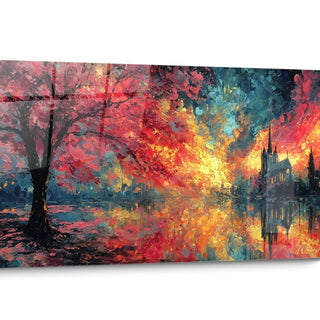
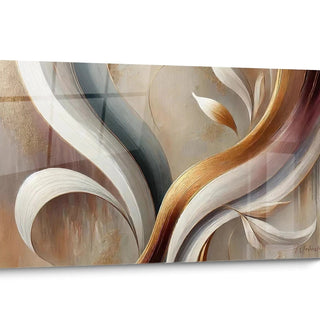
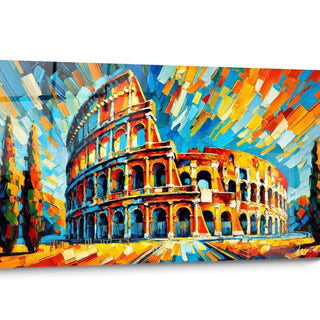
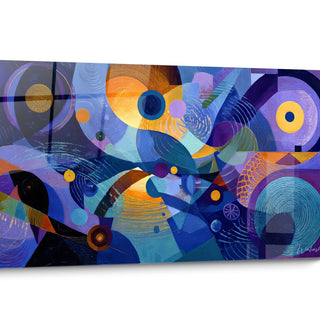
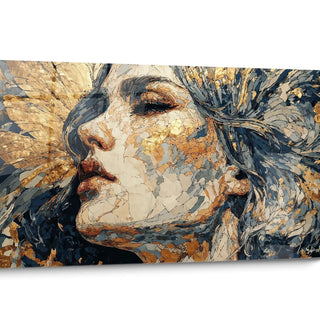
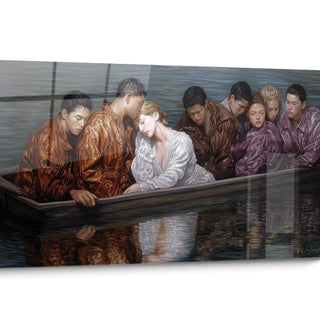
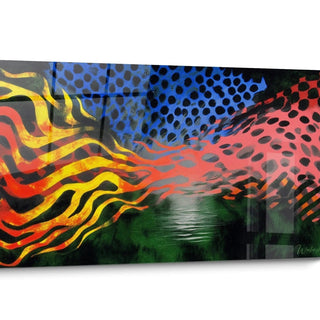
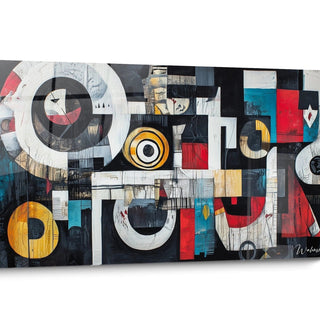
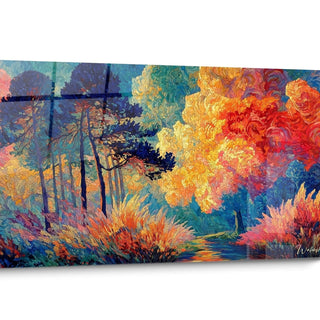
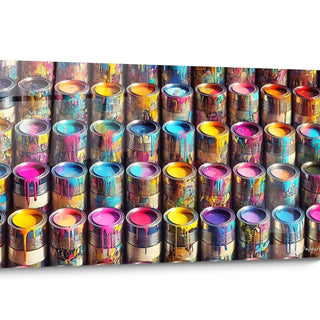
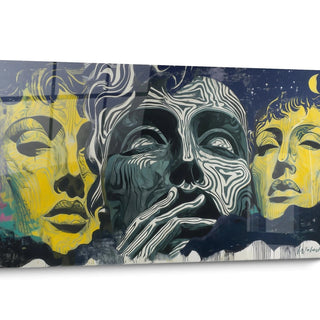
- Presentation Expressionist painting abstract
- Emotional impact of abstract expressionist paintings
- Space enhancement through expressionist art abstract
- Investment in contemporary abstract expressionism
The abstract expressionist painting represents a revolutionary artistic movement that transcends traditional representations to express raw emotions and abstract concepts through dynamic compositions and expressive colors. These monumental works radically transform contemporary spaces by creating powerful focal points and immersive atmospheres.
Characterized by spontaneous gestures, bold splashes, and unprecedented creative freedom, the abstract expressionist painting invites a personal visual experience where each viewer can project their own interpretations and feelings.
Through our different tabs, discover how these transformative works of art can enrich your interior, stimulate your daily emotions, and constitute a meaningful cultural investment for demanding contemporary art enthusiasts.
The profound psychological impact of the abstract expressionist painting in contemporary spaces
Abstract expressionism stands out for its unique capacity to provoke intense emotional reactions in the observer, fundamentally transforming the lived experience in a space. Unlike other artistic styles that prioritize representation, these monumental paintings communicate directly with our subconscious through a primordial visual language.
How do abstract expressionist paintings influence our daily emotional state?
Research in art neuroscience demonstrates that daily observation of abstract expressionist works significantly stimulates the emotional centers of the brain. The non-figurative compositions characteristic of this movement activate the amygdala and prefrontal cortex, triggering profound emotional responses impossible to obtain with other forms of wall art.
These large formats typical of abstract expressionism create an immersive visual field that literally modifies spatial perception. In contemporary minimalist architectural interiors, this monumental presence acts as an emotional counterpoint to refined lines, infusing an essential sensitive dimension to the psychological balance of inhabitants.
The particularity of abstract expressionist compositions lies in their ability to evolve with the viewer's state of mind. The same work can evoke different emotions depending on the time of day, surrounding lighting, or the observer's emotional fluctuations - thus creating a dynamic and perpetually renewed artistic experience.
Emotional decompression zones created by abstract expressionist art
The strategic integration of an
abstract expressionist painting in a professional or residential environment generates what interior designers call "emotional decompression zones" - dedicated spaces where attention can detach from daily concerns to immerse itself in liberating contemplation.
Environmental psychologists have identified that people regularly exposed to abstract expressionism in their living space develop better resilience to chronic stress. The energetic movements and bold chromatic contrasts characteristic of these works stimulate endorphin production, contributing to a lasting state of mental well-being.
• Daily contemplation of abstract patterns promotes divergent thinking and creativity
• Non-narrative compositions allow personal projection and evolving interpretation
• The presence of an
abstract expressionist work encourages moments of mindfulness and digital disconnection
Abstract expressionism as identity anchor in contemporary habitat
In our era of aesthetic uniformity and mass reproduction, the original abstract expressionist painting constitutes a powerful identity marker. These unique works reflect the personality and aesthetic sensitivity of their owner, establishing a distinctive visual signature in the inhabited space.
Collectors frequently testify to a phenomenon of progressive identification with their abstract expressionist painting. Over time, the work becomes inseparable from spatial identity, to the point that its temporary absence (during a move or restoration) creates a perceptible emotional imbalance for inhabitants and their regular visitors.
The transgenerational impact represents an often-neglected dimension of these artistic acquisitions. Children growing up in environments exposed to abstract expressionism develop more nuanced aesthetic sensitivity and greater openness to unconventional artistic expressions, thus shaping their cultural identity from an early age.
What specific emotions can different abstract expressionist techniques evoke?
The dripping technique, made famous by Jackson Pollock, typically generates feelings of freedom, chaotic energy, and perpetual movement. These all-over compositions create dynamic tension particularly effective for stimulating creativity in work spaces or artistic studios.
Works characterized by large color fields, emblematic of Mark Rothko's style, rather induce meditative and contemplative states. Their presence in bedrooms or spaces dedicated to relaxation promotes mental calm and introspection - a therapeutic quality nonexistent in other decorative wall styles.
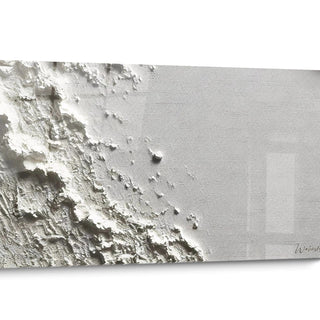
Abstract expressionist compositions incorporating textured relief elements add a tactile dimension that activates complex sensory responses. This multi-sensory stimulation intensifies the emotional experience and anchors the work more deeply in affective memory, creating a unique psychological bond between habitat and its occupants.
Gestural expressionism, characterized by energetic and spontaneous movements, visually translates primary emotions such as anger, passion, or exaltation. These dynamic works instantly energize neutral spaces and stimulate social interactions in reception areas, acting as catalysts for meaningful conversations between visitors.
Seasonal transformation of emotional impact
A fascinating feature exclusive to abstract expressionist paintings lies in their capacity to interact with seasonal variations of natural light. The reflective properties of media used in these creations (oils, textured acrylics, mixed techniques) react differently depending on angle and light intensity, creating a perpetually changing work.
During winter months, when natural light becomes rare and precious, the warm tones and dynamic textures of abstract expressionist paintings compensate for the light deficit by creating an energizing visual focal point. This property makes these works true antidotes against seasonal affective disorder that affects many people during dark periods.
Conversely, during summer months, the reflective qualities of these monumental paintings capture and redistribute abundant light, creating interplays of shadows and reflections that enrich the visual environment. This seasonal adaptability offers continuous emotional value that few other decorative elements can equal.
Architectural valorization through strategic integration of abstract expressionist paintings
The introduction of an abstract expressionist painting in a contemporary architectural space transcends simple decoration to become a structuring element that radically transforms spatial perception. These monumental works establish a unique dialogue with surrounding architecture, creating a visual synergy impossible to reproduce with other forms of wall art.
How do abstract expressionist paintings redefine architectural proportions?
The large formats characteristic of abstract expressionism possess the unique capacity to visually redefine the proportions of a space. In a room with modest dimensions, an abstract expressionist painting with dominant horizontal lines creates an illusion of lateral expansion, while dynamic vertical compositions accentuate the perceived height of the ceiling.
Interior architects specializing in art-chitecture (fusion of art and architecture) strategically use abstract expressionist paintings to correct structural imbalances inherent to certain spaces. A work with ascending movements placed on the main wall of a low-ceiling room instantly creates a sensation of elevation that even the most sophisticated lighting techniques cannot match.
The visual depth generated by multiple layers of colors and textures characteristic of abstract expressionism creates what space designers call "pictorial third dimension." This perceptual depth transforms a static wall into a dynamic opening, adding significant spatial expansion to contemporary interiors often constrained by structural limitations.
• Asymmetrical compositions balance overly rigid or symmetrical architectural spaces
• Abstract expressionist works with white dominance amplify luminosity in dark spaces
• Dynamic gestural compositions compensate for the static nature of minimalist architectural structures
Transformative focal points in transitional spaces
Transitional zones (entrances, hallways, landings) present particular architectural challenges often neglected in interior design. The integration of an abstract expressionist painting in these spaces instantly creates a transformative focal point that converts these utilitarian areas into meaningful artistic experiences.
The dynamic visual properties of abstract expressionism - suggested movements, directional tensions, energetic flows - naturally guide the eye and movement through these transitional spaces. This intrinsic kinetic quality creates an engaging visual journey that enriches the daily experience of spatial navigation.
In contemporary residences characterized by open floor plans, abstract expressionist paintings function as virtual space delimiters. Their powerful visual presence allows defining different functional zones without resorting to physical partitions, thus preserving spatial fluidity while creating distinct visual territories.
Chromatic interaction with architectural environment
Abstract expressionism stands out for its often bold and emotionally charged palette that maintains a complex chromatic dialogue with the architectural environment. In spaces dominated by contemporary neutrality (whites, grays, beiges), these works introduce a transformative colorimetric dimension that animates the entire visual environment.
A fascinating phenomenon exclusive to abstract expressionist paintings is "chromatic irradiation" - the capacity of vibrant colors to visually project their hue onto adjacent neutral surfaces. This perceptual phenomenon enriches the overall chromatic experience of the space without requiring interventions on permanent architectural elements.
Lighting designers frequently collaborate with abstract expressionist art collectors to create lighting systems specifically calibrated for these works. Precise directional lighting highlights the textures and chromatic superimpositions characteristic of the works, radically transforming them according to times of day and seasons.
Which architectural spaces particularly benefit from abstract expressionist paintings?
Double-height spaces or mezzanines present particular challenges in terms of animating large vertical walls. Large-format abstract expressionist paintings constitute the ideal solution for these surfaces, offering proportionate visual presence that activates these often-underexploited vast spaces visually.
Professional reception areas represent a context particularly conducive to abstract expressionism. These works immediately establish the cultural and creative identity of the organization while creating a memorable first impression that positively influences visitor perception.
Contemporary minimalist spaces, characterized by refined lines and monochrome surfaces, find in abstract expressionist paintings the organic and emotional counterpoint necessary for their visual balance. This juxtaposition between architectural rigor and free artistic expression creates an aesthetic tension particularly sought after in premium contemporary design.
Real estate valorization through expressionist artistic integration
Premium real estate professionals recognize the significant added value represented by strategic integration of abstract expressionist paintings in prestigious properties. These works radically transform the qualitative perception of spaces, justifying substantial appreciation during real estate transactions.
Advanced home staging studies demonstrate that spaces presented with appropriate abstract expressionist paintings elicit offers 5 to 8% higher than the same properties presented with conventional wall decorations. This value premium reflects the immediate emotional impact these works exert on potential buyers.
In prestigious real estate developments, developers now collaborate with specialized galleries to integrate abstract expressionist paintings from the design phase. This holistic approach, which considers art as an integral part of architecture rather than a later addition, testifies to the fundamental importance accorded to these works in creating exceptional spaces.
Architects specializing in creating domestic exhibition spaces (home galleries) now design entire residences around abstract expressionist collections. These custom homes optimize every architectural aspect - orientation, openings, circulation, lighting - to maximize the visual and emotional impact of these monumental paintings.
Strategic acquisition of abstract expressionist paintings from an artistic investment perspective
The market for abstract expressionist paintings is experiencing a particular evolution that clearly distinguishes it from other segments of the contemporary art market. Their combined value - both aesthetic, emotional, and financial - positions these works as strategic acquisitions for discerning collectors seeking to diversify their cultural and financial heritage.
Why does the abstract expressionist painting market follow a distinct appreciation trajectory?
Econometric analyses of the art market demonstrate that the category of abstract expressionist paintings presents remarkable resilience against general economic fluctuations. During periods of financial uncertainty, these works maintain or increase their value more effectively than other artistic categories, acting as a form of emotional and financial safe-haven value.
A characteristic phenomenon of this particular segment is "late discovery" - the process by which abstract expressionist artists initially undervalued experience significant critical and financial reevaluation several decades after their main creative period. This delayed recognition cycle creates strategic acquisition opportunities for collectors with a long-term perspective.
The monumental dimension typical of abstract expressionist paintings directly influences their appreciation trajectory. Large-format works, particularly suited to generous contemporary spaces, experience growing demand from institutional collectors and premium residence owners, mechanically limiting available supply on the secondary market.
• Emerging regional abstract expressionist movements offer early acquisition opportunities
• Exhaustive documentation of authenticity and provenance multiplies long-term value
• Works with specific chromatic palettes (deep blues, vermillion reds, textured blacks) present superior appreciation curves
Selection strategies for a coherent abstract expressionist collection
Constituting a coherent abstract expressionist collection requires a curatorial approach distinct from other artistic styles. Unlike thematic or figurative collections, the coherence of an abstract expressionist ensemble rests on subtler emotional and formal resonances between works.
Experienced collectors favor "silent dialogues" between different abstract expressionist pieces, seeking visual conversations that enrich one another without redundancy. This conscious approach to overall visual ecosystem maximizes the impact of each individual acquisition while strengthening the curatorial value of the ensemble.
The "historical bridge" strategy consists of acquiring works that establish visual connections between different generations of abstract expressionist artists. A collection judiciously integrating works from pioneers, established figures, and emerging talents creates an evolving narrativity particularly valued by institutions and secondary collectors.
What factors determine the appreciation trajectory of an abstract expressionist painting?
Technical singularity - the use of distinctive creative processes immediately identifiable - constitutes a determining factor in long-term appreciation of abstract expressionist paintings. Methodological innovations that become signatures (dripping, color field, action painting) retain their visual impact and cultural relevance well beyond transient trends.
Contextual cultural resonance significantly influences the prospective value of these works. Abstract expressionist paintings that capture or respond to pivotal moments of social transformation possess a documentary dimension that transcends their purely aesthetic value, positioning them as visual witnesses to specific eras.
Measured monumentality - a balance between imposing presence and adaptability to residential spaces - represents a particularly prized attribute. Abstract expressionist works of significant but transportable dimensions (150-200 cm) constitute an optimal segment combining maximum visual impact and installation flexibility in different contexts.
Persistent emotional coherence fundamentally determines the longevity of an abstract expressionist painting in a collection. Works that maintain their capacity to evoke profound emotional responses after years of daily exposure demonstrate a quality of timeless resonance that constitutes the ultimate criterion for intrinsic value.
Specific conservation and enhancement of abstract expressionist paintings
Abstract expressionist paintings present particular conservation challenges related to their often experimental techniques and complex materials. Investment in specialized conservation expertise constitutes an essential component of long-term value preservation strategy.
Exhaustive technical documentation - including spectrographic analyses of pigments, textural mappings, and stratigraphic studies - progressively becomes standard for serious collectors. These scientific data significantly enrich the work's documentation and facilitate its intergenerational transmission as a documented heritage asset.
Specialized anti-seismic hanging systems represent a crucial investment in securing these often massive works. Recent technologies now allow securing these monumental paintings while preserving the visual impression of lightness essential to their optimal aesthetic impact.
FAQ on abstract expressionist paintings
How do I choose an abstract expressionist painting suited to my minimalist interior?
For a minimalist interior, prioritize abstract expressionist works with restricted but intensely developed chromatic palettes. Seek compositions that create an organic counterpoint to the refined lines of your space without visually overloading the environment. Optimal balance is often found in monocromatic abstract expressionist paintings with subtle textural and luminosity variations.
Can abstract expressionist paintings integrate into classical style interiors?
Absolutely. The juxtaposition of a contemporary abstract expressionist painting with classical architecture and furnishings elements creates a particularly sophisticated aesthetic tension. This conversation between eras and styles transforms a potentially conventional interior into a culturally nuanced space. Choose works with tones that dialogue with the pre-existing elements of your classical decor.
What is the durability of pigments used in contemporary abstract expressionist paintings?
Quality contemporary abstract expressionist paintings use pigments with archival stability guaranteeing optimal conservation for several generations. Recent creations benefit from significant advances in pigment chemistry, offering exceptional resistance to photodegradation. To maintain chromatic integrity, nonetheless avoid direct exposure to ultraviolet rays and maintain stable hygrometric conditions in the exhibition environment.


 Mists in the Storm Wall Art - Abstract Expressionism Edition233,90 €
 Astral Field Digitized Wall Art - Abstract Edition233,90 €
 Organized Chaos Wall Art - Abstract Expressionism Edition233,90 €
 Moving Skies Turquoise Wall Art - Abstract Expressionist Edition233,90 €
 Precious Circuits Canvas - Signature Edition233,90 €
 Clarity at the Horizon Wall Art - Abstract Expressionism Edition233,90 €
 Convergence Astrale Painting - Abstract Expressionism Edition233,90 €
 Boiling Cosmos Abstract Painting - Edition Abstract233,90 €
 Enchanted Cosmos Abstract Wall Art - Exclusive Edition233,90 €
 Golden Crest and Foam Painting - Abstract Edition233,90 €
 Golden Crests Artwork - Abstract Edition233,90 €
 Cyber Pulse Wall Art - Limited Edition🥇233,90 €
 Copper Grain Cyclone Painting - abstract expressionist edition213,90 €
 Cyclone Melancholy Amber Wall Art - Abstract Expressionist Edition213,90 €
 Wild Ardent Unleashed Wall Art - Abstract Expressionist Edition232,90 €
 Contemplative Ivory Dunes Canvas - Abstract Expressionist Edition232,90 €
 Echo Luminous Elements Wall Art - Signature Edition233,90 €
 Echoes of Ancient Rocks Wall Art - Abstract Edition233,90 €
 Marbled Radiance Canvas - Abstract Edition233,90 €
 Phoenix Brilliance Wall Art - Abstract Edition233,90 €
 Golden Splendor on Silk Abstract Wall Art - Premium Edition233,90 €
 Wild Silver Foam Artwork - Abstract Expressionist Edition232,90 €
 Aerial Elegance Painting - Abstract Edition233,90 €
 Emerald Flight Painting - Abstract Edition233,90 €