


Zen Lotus Watercolor Wall Art
Our Painting Zen Lotus Watercolor collection transports you to a universe of tranquility and harmony. Inspired by ancestral Asian art, these works celebrate the purity of the lotus through delicate compositions in soothing tones. Each wall decoration zen lotus evokes meditation and spiritual balance. The subtle nuances and softness of the forms create a serene atmosphere, ideal for transforming your living room, bedroom or relaxation space. Explore these paintings watercolor lotus zen that embody contemplative beauty.
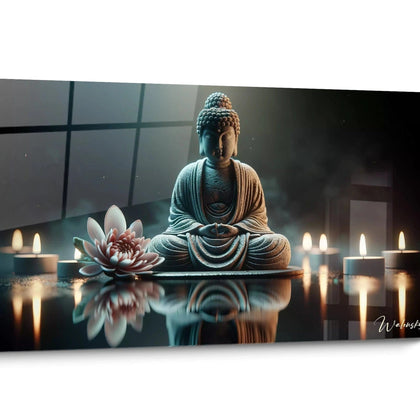
 Lotus Painting Pure Grace - lotus flower edition228,90 €
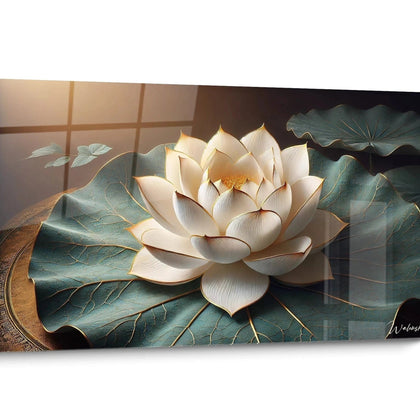
 Lotus Flower Eternal Grace Painting - Lotus Flower Edition273,90 €
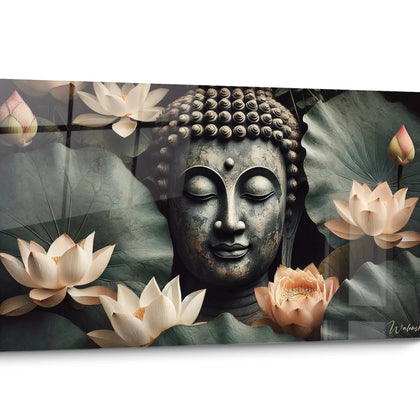
 Lotus Painting Awakening of the Waters - Lotus Flower Edition273,90 €
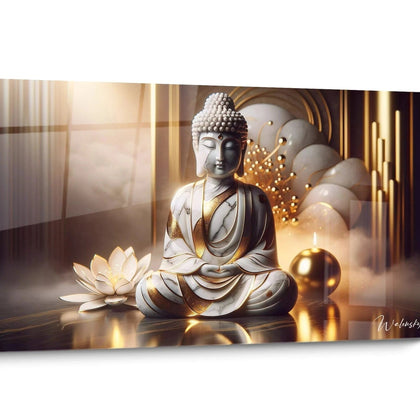
 Spiritual Harmony Artwork - Zen Buddha Edition273,90 €
Explore further
In Zen Lotus Watercolor Wall Art
All about Zen Lotus Watercolor Wall Art
- Zen Lotus Watercolor Painting Presentation
- Watercolor Art for Meditation Practice
- Floral Symbolism and Contemplative Energy
- Integration in Practice Spaces
The zen lotus watercolor painting represents a harmonious fusion between contemporary artistic expression and ancient oriental spirituality. These large-scale wall artworks capture the very essence of the lotus flower through the delicate techniques of watercolor painting, offering unparalleled visual depth to radically transform your meditation space or personal sanctuary. Each work embodies the symbolic purity of the lotus emerging from troubled waters, translated through subtle gradations and vaporous transparencies characteristic of watercolor. Acquiring a zen lotus watercolor painting is far more than a simple decorative act: it is a daily invitation to mindfulness, a visual anchor point facilitating entry into meditation and instantaneous mental peace.
Contemplative Watercolor: Pictorial Technique for Inner Awakening
The zen lotus watercolor painting distinguishes itself through its unique ability to reproduce the natural fluidity of water, a fundamental element in Buddhist philosophy. Translucent pigments create chromatic nuances impossible to achieve with other artistic mediums, generating that hazy and meditative atmosphere characteristic of Asian Zen gardens. This technique allows delicate layering where each transparent layer reveals the spiritual depth of the lotus, a symbol of progressive illumination.
Why does watercolor amplify the meditative effect of the lotus?
Watercolor artworks possess a fascinating neurological particularity: their diffuse contours and soft chromatic transitions significantly reduce activity in the prefrontal cortex, promoting the meditative alpha state. Unlike graphic representations with defined lines, the zen lotus watercolor painting invites the gaze to wander without rigid fixation points, precisely reproducing the principle of "soft gaze" taught in contemplative practices. Monumental formats amplify this immersive effect, literally enveloping the practitioner in the soothing energy of the lotus.
Watercolor gradations as concentration pathways
Observing a zen lotus painting created in watercolor becomes an exercise in conscious presence in itself. Subtle transitions between nacre-pink hues, ethereal purples, and luminous whites create natural visual pathways that the eye instinctively follows, reproducing the contemplative gaze movement during a zazen session. These chromatic pathways gently guide attention toward the heart of the lotus, a perfect metaphor for meditative recentering toward inner essence.
The impact of generous formats on meditative practice
The imposing dimensions of lotus watercolor paintings radically transform domestic contemplative experience. A monumental format creates a visual field entirely occupied by the artwork, eliminating environmental distractions and facilitating total immersion. This dominant visual presence instantly establishes a sanctified atmosphere, signaling to the nervous system the transition toward a contemplative rest state, particularly beneficial for morning meditation sessions or evening mindfulness rituals.
Symbolism of the Watercolor Lotus and Energetic Transformation of Spaces
The zen lotus watercolor painting visually translates the fundamental Buddhist concept of spiritual rebirth. The watercolor representation particularly emphasizes the notion of purity emerging from darkness: translucent washes evoke the water from which the lotus emerges, while more opaque touches symbolize the blossoming flower. This technical duality reinforces intuitive understanding of the spiritual message, transforming your living space into a true secular temple dedicated to personal evolution.
How does the watercolor lotus influence the energy of a practice space?
The installation of a zen lotus watercolor painting in a space dedicated to yoga, meditation, or energetic practices substantially modifies the vibrational quality of the location. The pastel tones characteristic of watercolor – soothing pinks, introspective purples, regenerating greens – specifically activate the upper energy centers, particularly the crown chakra associated with spiritual consciousness. Practitioners report increased ease in achieving deep meditative states when facing these ethereal floral representations, compared to spaces lacking contemplative visual supports.
Watercolor polychromy and its energetic correspondences
Each shade present in a zen lotus watercolor painting possesses specific energetic resonance. Delicate pinks correspond to heart opening and unconditional compassion, luminous whites evoke mental purification and spiritual awakening, while aquatic greens symbolize continuous growth and perpetual renewal. This complete color palette creates a harmonious vibrational spectrum facilitating energetic alignment during mindfulness practices, pranayama, or creative visualization.
Strategic positioning to maximize contemplative influence
The placement of a zen lotus watercolor painting deeply determines its transformative effectiveness. Facing your meditation cushion, it becomes the ideal focal point for object-focused concentration practices (shamatha). In a yoga room, positioned facing the entrance, it immediately establishes the contemplative intention of the space. Generous formats also allow lateral placement visible in peripheral vision during reclined postures, subtly maintaining the connection to meditative intention even during deep relaxation phases.
Watercolor as a mirror of impermanence
The watercolor technique itself magnificently embodies the Buddhist concept of anitya (impermanence). Fluid pigments, spontaneous effusions, and happy accidents inherent to this medium remind us that all form is transitory and in constant transformation. Daily contemplation of a zen lotus watercolor painting thus becomes visual teaching on accepting change, reinforcing the qualities of letting go essential to authentic spiritual practices.
Creating a Visual Sanctuary with the Watercolor Lotus
Integrating a zen lotus watercolor painting into your daily environment constitutes the founding act of a true domestic sanctuary dedicated to inner peace. These large-scale artworks possess the remarkable ability to instantly redefine the function of a space, transforming a simple bedroom corner into a meditative retreat or a stressful office into a haven of serenity. The imposing visual presence of the watercolor lotus acts as a permanent contemplative anchor, constantly reminding you of intentions of presence and awakening.
Which spaces benefit most from a zen lotus watercolor painting?
Yoga studios and meditation rooms find in the zen lotus watercolor painting their perfect visual complement, creating immediate aesthetic and energetic coherence. Therapeutic spaces – psychotherapy offices, massage rooms, holistic wellness centers – also use these artworks to establish an atmosphere conducive to deep relaxation and emotional openness. Even high-intensity professional environments, such as corporate offices, now integrate decompression zones adorned with these soothing representations to counterbalance ambient stress.
Decorative associations to amplify meditative ambiance
A generously-sized zen lotus watercolor painting naturally constitutes the dominant visual focal point, but its effect is magnified by judicious decorative associations. The accompaniment of purifying plants – lucky bamboos, Boston ferns, snake plants – reinforces the connection to living nature symbolized by the lotus. The addition of water elements such as a small wall fountain creates multi-dimensional sensory coherence, where the murmur of water poetically dialogues with watercolor fluidity. Strategically positioned meditation cushions facing the artwork materially manifest the invitation to contemplative practice.
Evolution of contemplative relationship with the artwork
The fascinating particularity of a zen lotus watercolor painting lies in its ability to continuously reveal new dimensions according to the evolution of your meditative practice. Beginners first perceive soothing aesthetic beauty, then progressively discover symbolic subtleties, energetic correspondences, and ultimately experience the artwork as pure concentration support. This depth gradually revealed makes the painting a long-term spiritual companion, accompanying and reflecting your own inner journey.
Is a zen lotus watercolor painting suitable for small meditation spaces?
Absolutely, generous formats create an especially immersive effect in restricted spaces. An imposing artwork occupies the complete visual field, eliminating peripheral distractions and creating an intense contemplative bubble. In a meditation corner of 2-3 square meters, a monumental work radically transforms spatial perception, generating visual depth that transcends actual physical limits.
How does lotus watercolor influence differently than photography?
Watercolor possesses a fundamentally different energetic quality from photographic reproduction. Each brushstroke carries the artist's intention and energy, creating a living and energetically vibrant artwork. Subtle imperfections, variations in pigment density, and controlled accidents impart organic authenticity that photographic perfection cannot reproduce, establishing deeper resonance with contemplative practice.
Can one meditate effectively by directly gazing at the zen lotus watercolor painting?
This practice, called trataka in the yogic tradition, proves particularly effective with watercolor representations of the lotus. The gaze naturally rests on the flower's heart, then explores peripheral gradations, creating an oscillating meditative movement between focused concentration and open awareness. This alternation precisely reproduces the dynamic of balanced meditative practice, making the painting a visual guide for mental training.
Further reading


