



Zen Buddha Lotus Wall Art
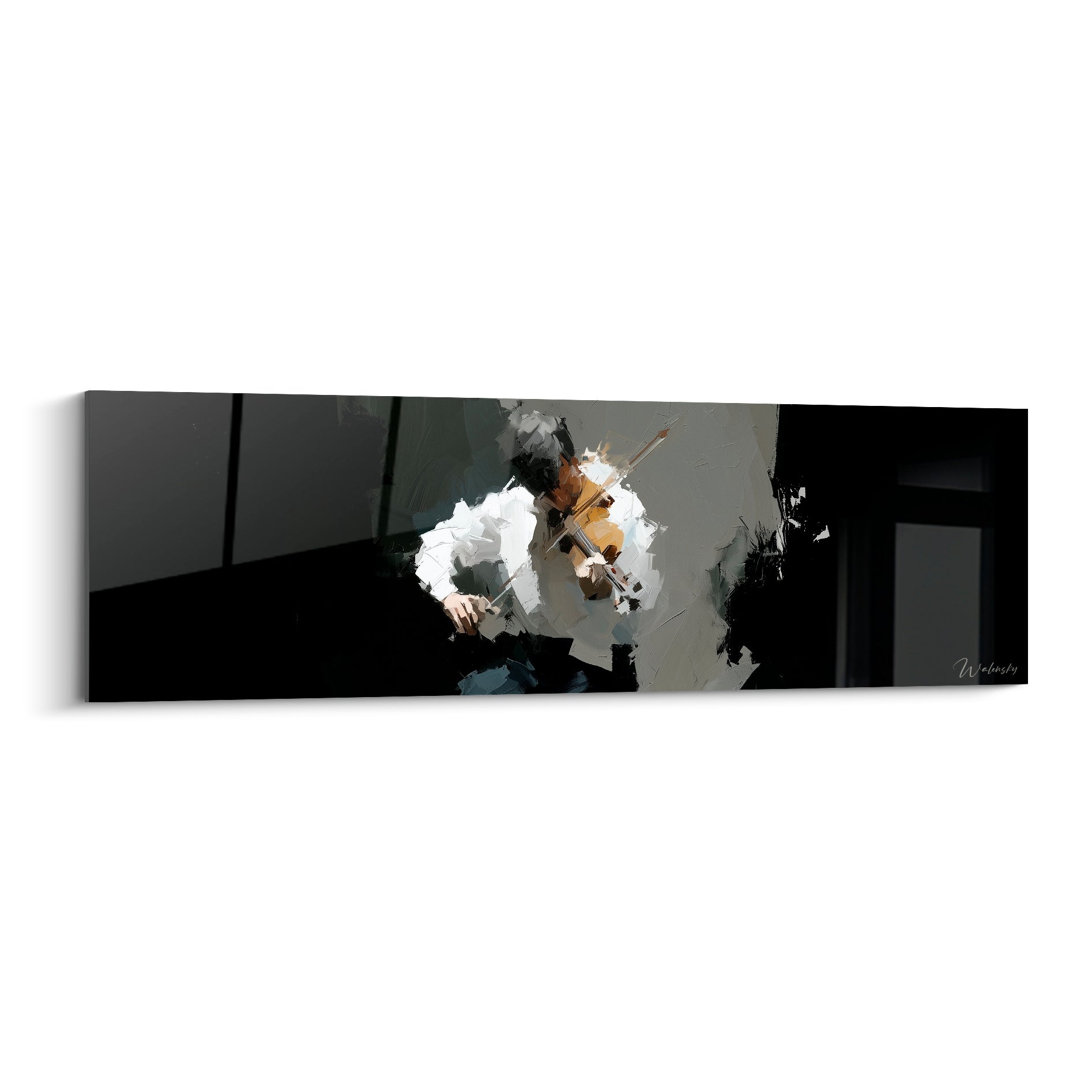
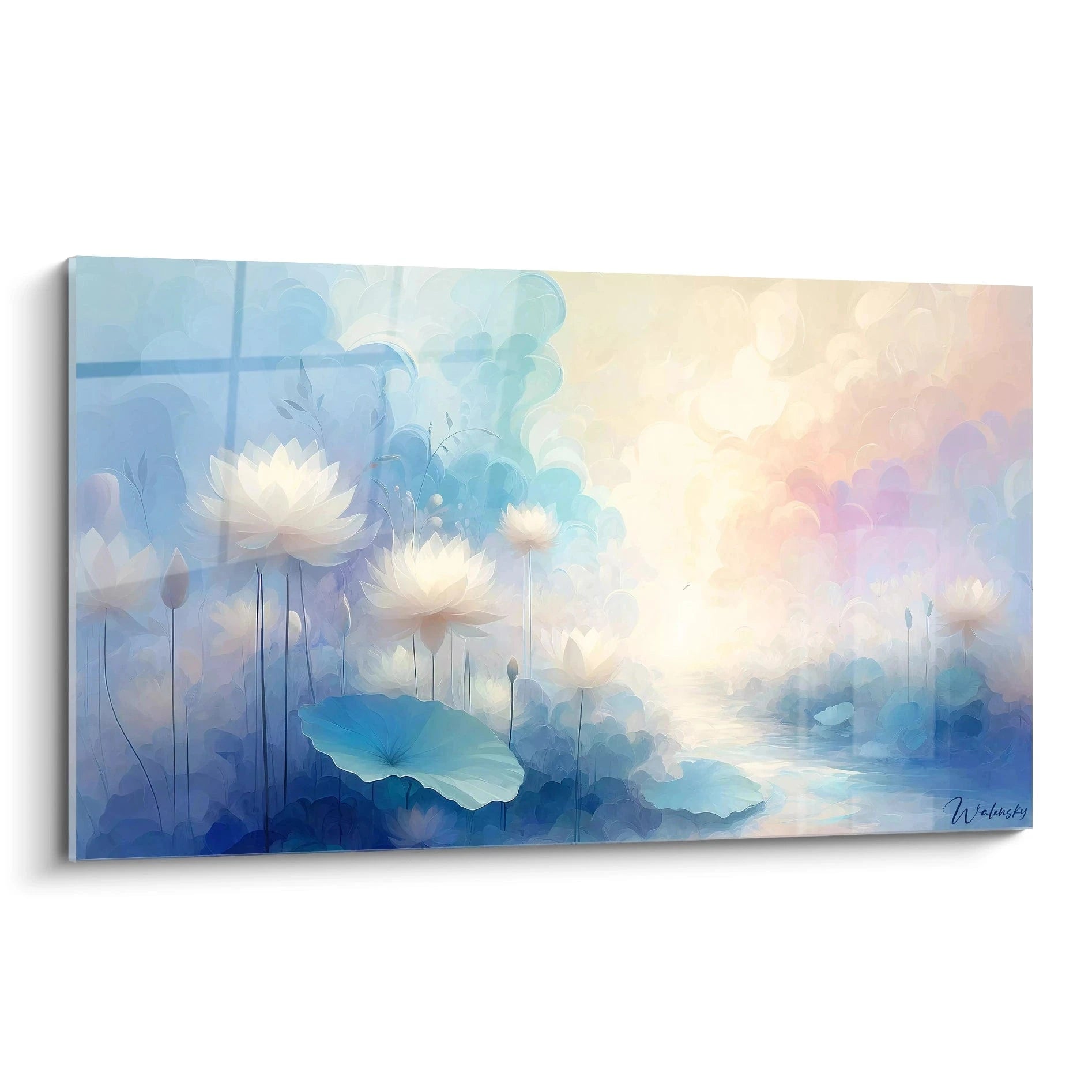
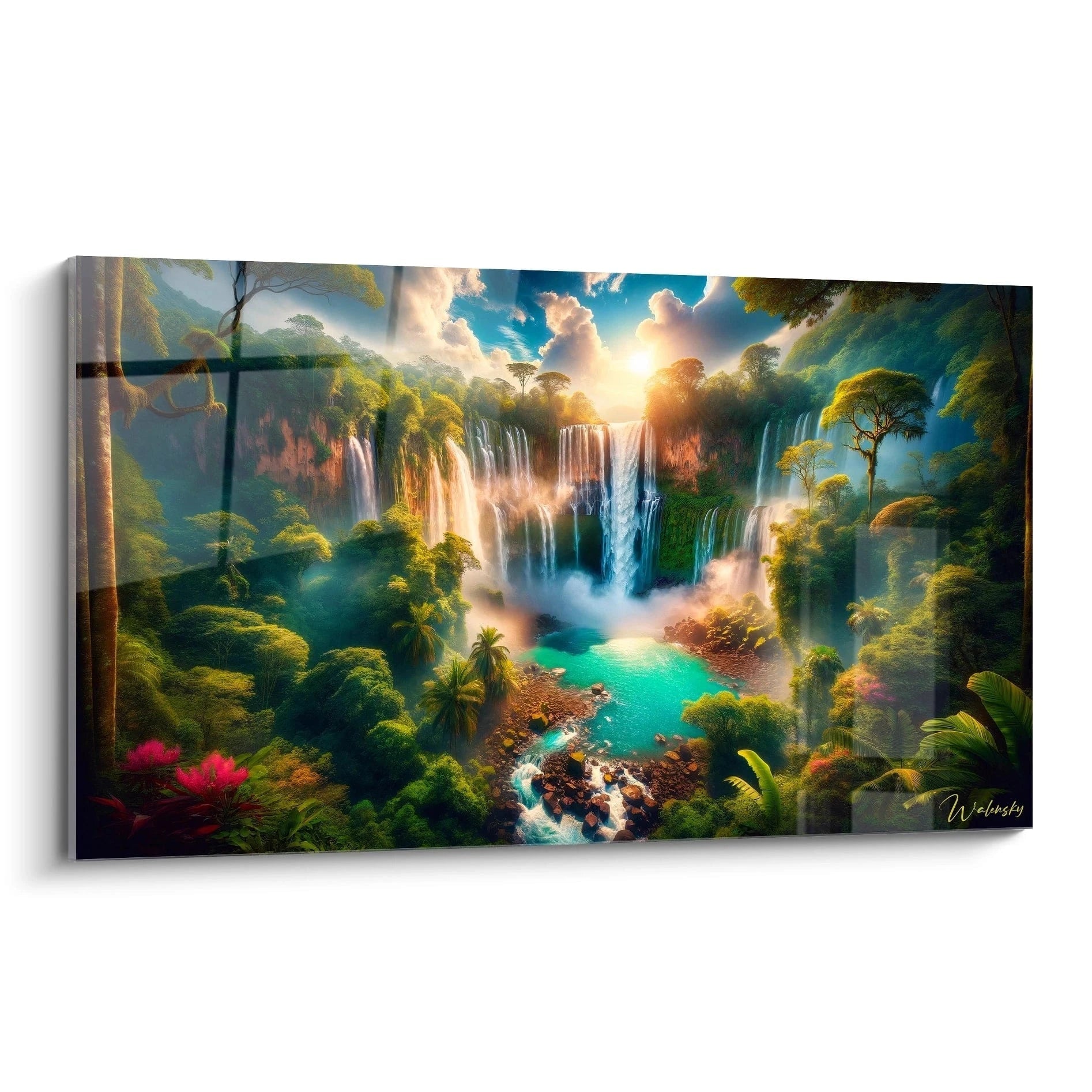
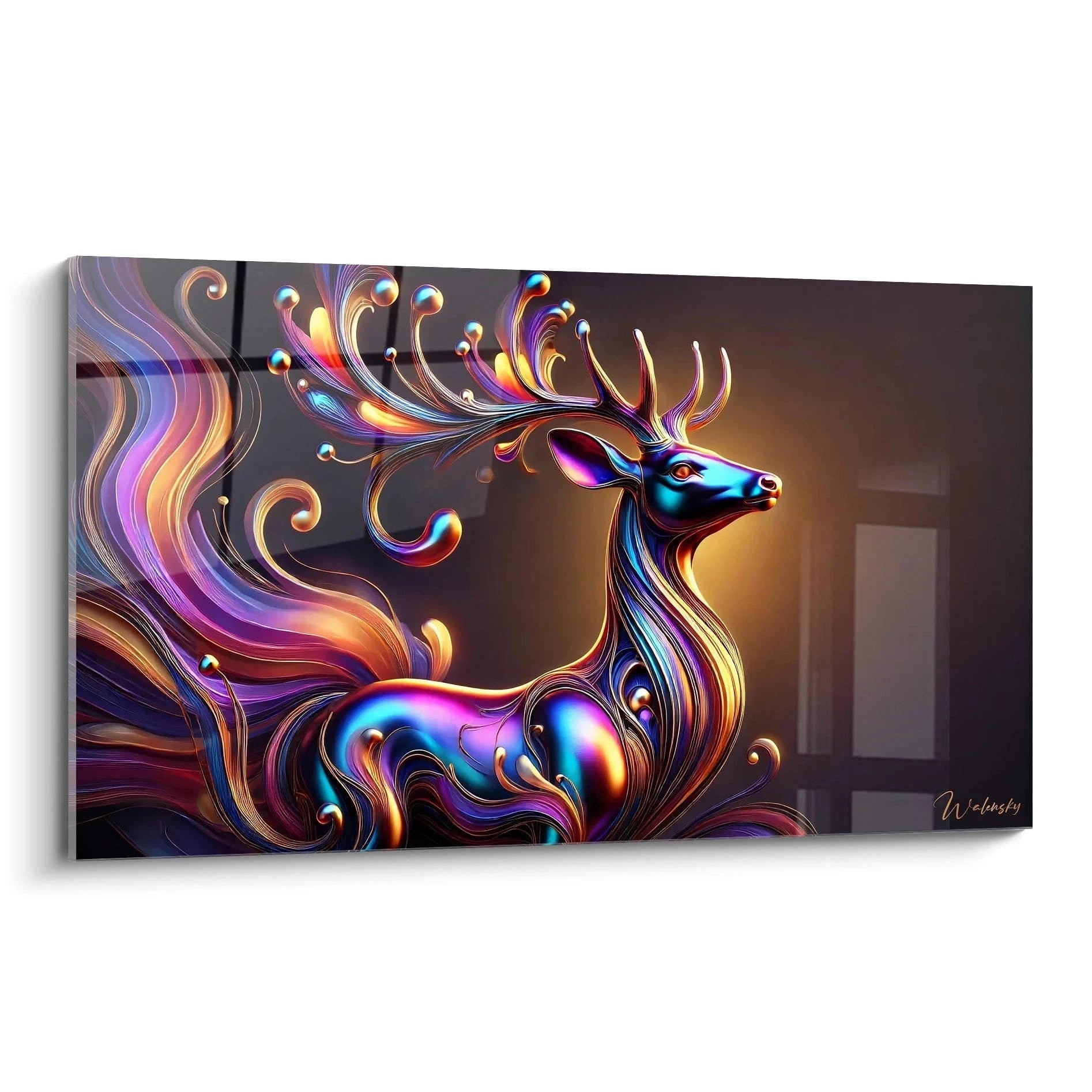
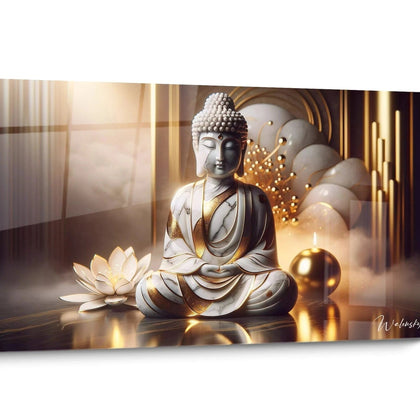
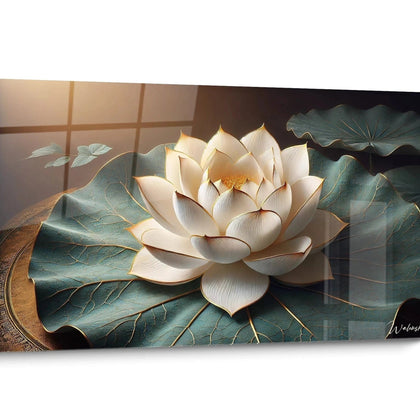
Our Painting Zen Lotus Buddha collection celebrates Eastern spirituality and tranquility through refined artistic compositions. Each creation captures the essence of Buddhist meditation with lotus flower, a symbol of enlightenment and purity. These works embody the perfect harmony between contemplation and natural beauty, ideal for creating a zen decoration inspired by Buddhism. Transform your interior into a sanctuary of peace with these paintings that invite serenity and introspection.
 Marbled Peace Wall Art - Zen Edition273,90 €
 Serenity in Bloom Wall Art - Zen Buddha Edition273,90 €
 Spiritual Harmony Artwork - Zen Buddha Edition273,90 €
 Peaceful Meditation Painting - Zen Edition273,90 €
 Starry Night Wall Art - Zen Edition273,90 €
Explore further
In Zen Buddha Lotus Wall Art
All about Zen Buddha Lotus Wall Art
- Presentation Zen Painting Buddha Lotus
- Symbolism and Spiritual Energy
- Meditation and Wellness Spaces
- Asian Decorative Harmony
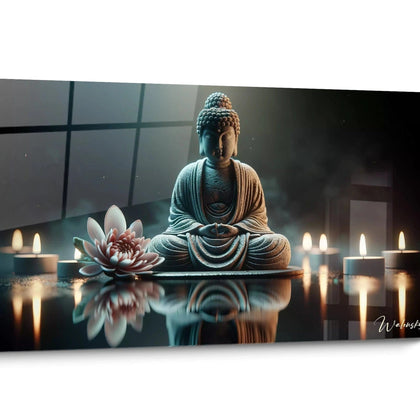
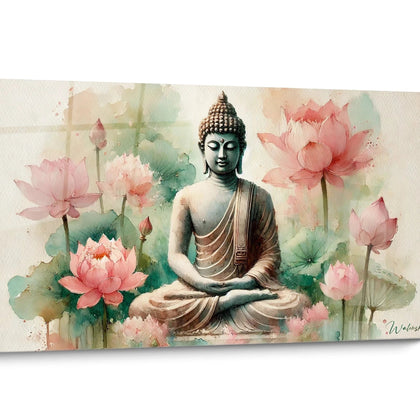
A zen painting lotus buddha brings together three major symbols of Eastern spirituality to create an exceptional wall art piece dedicated to contemplation spaces. This visual alliance between the figure of the meditating Buddha, the purity of the blooming lotus, and the zen atmosphere transforms your interior into a true sanctuary of serenity. These large-format representations capture the very essence of Buddhist philosophy, offering more than just wall decoration: a visual support for mental appeasement and daily spiritual connection.
The Triple Symbolism of Buddha, Lotus and Zen in Wall Art
The zen painting lotus buddha embodies a profound symbolic convergence where each element amplifies the meaning of the others. The Buddha represents spiritual awakening and universal compassion, while the lotus symbolizes purity emerging from the troubled waters of material existence. Zen aesthetics bring that purified simplicity that favors meditative concentration. This visual trinity creates a powerful focal point that naturally guides the eye and mind towards introspection.
How does the representation of the Buddha influence the energy of a room?
The presence of a meditating Buddha in your living space acts as a constant reminder of the values of inner peace and serene detachment. Large-scale zen lotus buddha paintings amplify this energetic presence, literally transforming the atmosphere of a room. Practitioners of meditation report an increased ease in entering a contemplative state when facing these visual representations, particularly when the Buddha is depicted in the lotus posture, establishing a complete symbolic resonance.
The position of the lotus in Buddhist mural iconography
In the universe of zen lotus paintings, the addition of the figure of the Buddha creates an additional spiritual dimension. The lotus is not simply a decorative floral element, but represents the different stages of spiritual awakening: the bud symbolizes potential, the semi-open flower the journey, and the fully open lotus complete enlightenment. When the Buddha is depicted seated on a lotus, this composition visually conveys the message that awakening is accessible despite the difficult conditions of existence.
Chromatic balance at the service of visual meditation
The color palettes used in these wall compositions follow specific codes from the Buddhist tradition. Golden tones evoke spiritual light and wisdom, deep blue hues represent serenity and contemplative depth, while jade greens recall rebirth and spiritual vitality. A quality zen lotus buddha painting will orchestrate these shades in a harmony that soothes the nervous system while maintaining awakened attention, creating the ideal balance for meditative practice.
Creating a Meditation Space with a Zen Lotus Buddha Painting
What locations maximize the spiritual impact of a buddha painting ?
The placement of a zen lotus buddha painting in your meditation space determines its effectiveness as a support for practice. Ideally positioned facing the meditation cushion or zafu, at eye level when seated, this placement allows for natural contemplation during sessions. Large sizes work particularly well in yoga studios, Buddhist practice rooms or professional wellness spaces, where they become a convergence point for the group's collective energy.
Creating a domestic altar around your wall composition
The painting naturally becomes the visual centerpiece of a personal altar when surrounded by complementary ritual elements. Arrange natural scented candles, a Tibetan singing bowl, energy crystals, or an incense burner at its base. This configuration transforms a simple wall into a true personal sanctuary. For feng shui practitioners, placing a zen lotus buddha painting in your home's contemplation zone (typically northeast according to the bagua) strengthens energies favorable to spiritual growth and wisdom.
Dedicated lighting for sacred representations
Appropriate lighting enhances the symbolic details of your wall composition. Experienced practitioners recommend indirect lighting with lamps with a warm color temperature (2700-3000K) that creates a serene atmosphere without glare during meditation. Installing adjustable spotlights allows you to subtly illuminate key areas such as the serene face of the Buddha or the delicate petals of the lotus, creating visual depth that enriches the contemplative experience, particularly during morning or evening sessions.
Combining sounds and vibrations with your spiritual decor
The complete meditative experience integrates several sensory dimensions. A large-format zen lotus buddha painting creates the visual anchor, but adding sound elements amplifies the immersion. An indoor fountain reproducing the sound of water near your wall composition evokes the sacred pools where natural lotuses bloom. Wind chimes or singing bowls placed strategically transform your space into a true domestic temple where every sense participates in spiritual elevation.
Integrating the Zen Lotus Buddha Painting into a Contemporary Asian Decor
The fusion of Buddhist tradition and modern minimalism
The zen lotus buddha painting integrates perfectly into contemporary interiors that embrace Japanese minimalism and clean design. This majestic wall artwork functions as a centerpiece in a living room with clean lines, bringing spiritual depth and cultural sophistication. Large-format compositions create a striking contrast against pristine white walls or neutral tones, while gold or metallic details resonate harmoniously with brushed brass or patinated copper accessories.
How to create a coherent spiritual gallery wall?
For lovers of in-depth Asian decor, the zen lotus buddha painting can become the central element of a larger wall composition. Combine it with authentic zen calligraphy, Tibetan mandala prints, or representations of sacred mountain landscapes. This gallery approach creates a visual narrative that tells the Buddhist spiritual journey. However, be sure to respect a clear visual hierarchy: your main buddha-lotus composition should dominate in size and central placement, with surrounding elements serving to enrich rather than compete.
Complementary furniture and accessories inspired by the Orient
Decorative harmony is built through stylistic consistency. A zen lotus buddha painting dialogues beautifully with low-slung dark wood furniture, shoji screens, zabuton floor cushions, or an authentic tatami mat. Natural materials such as bamboo, woven rattan, and plant fibers create a visual continuity with the natural themes of the lotus. For professional spaces such as wellness centers, this decorative consistency reinforces the credibility and authenticity of the experience offered to clients.
Living vegetation and complementary botanical symbolism
Enhance the natural dimension of your wall composition by complementing it with plants with Buddhist meanings. Bamboo represents resilience and spiritual flexibility, bonsai embodies patience and inner cultivation, while orchids evoke purity and refinement. These living vegetal presences create a bridge between artistic representation and authentic nature, reminding us that the lotus itself is a real aquatic plant before being an abstract symbol. This symbolic layering adds depth and authenticity to your spiritual environment.
Is a zen lotus buddha painting suitable for professional wellness spaces?
Absolutely. These large-format wall compositions are particularly well-suited for yoga studios, meditation centers, holistic therapy practices, and spas. Their presence immediately establishes a professional atmosphere of serenity while communicating the spiritual values of the establishment. Clients perceive these decorative elements as indicators of quality and authenticity in the wellness approaches offered.
What orientation should be favored for a zen lotus buddha painting according to feng shui?
According to the principles of feng shui, placing your wall composition facing east promotes spiritual awakening and new beginnings, while a northeast orientation strengthens wisdom and knowledge. The important thing is that the Buddha is never positioned directly facing an entrance door or a bathroom, which would be considered energetically disrespectful. The main wall of your living or practice space generally constitutes the optimal location.
How to maintain the spiritual energy of a zen lotus buddha painting?
Beyond regular physical maintenance, many practitioners perform simple energy rituals: monthly sage or palo santo purification, recitation of mantras in front of the composition, symbolic offerings of fresh flowers or incense. These practices maintain an intentional connection with the work, transforming a decorative object into a true active spiritual support in your daily life. The essence lies in the regularly conscious attention paid to this sacred presence in your space.


