


Waiting Room Wall Art Sunset
Our Waiting room painting Sunset collection transforms your professional spaces into havens of peace. These artistic creations capture the magic of sunsets with paintings in warm, soothing colors, ideal for relaxing your patients and visitors. Each work diffuses a comforting atmosphere thanks to the golden and orange hues characteristic of the end of the day. Perfect for medical offices, clinics and reception areas, our decorative sunset paintings create a serene atmosphere conducive to relaxation.
 Dawn Over the Lighthouse - Sea Landscape Edition273,90 €
 Cloud Awakening Wall Art - Sky Landscape Edition273,90 €
 Tulip Sea Painting - Wildflower Landscape Edition273,90 €
 Lavender at Twilight Canvas - Lavender Fields Landscape Edition273,90 €
 Tropical Splendor Canvas - Tropical Landscape Edition273,90 €
 Painting Pebbles Under the Sun - Beach Landscape Edition273,90 €
 Lake of Lights Painting - Mountain Landscape Edition273,90 €
 Aquatic Energy Painting - Sea Landscape Edition273,90 €
 Beauty of Evening Wall Art - Sea Landscape Edition273,90 €
 Whispers of the Sun Painting - Sunset Landscape Edition273,90 €
 Evening Glow Canvas - Sunset Landscape Edition273,90 €
 Ochre Horizon Canvas - Sunset Landscape Edition273,90 €
 Desert Twilight Canvas - Sunset Landscape Edition273,90 €
 Sweetness of Twilight Wall Art - Abstract Seaside Edition273,90 €
 Amber Softness Wall Art - Abstract Seascape Edition273,90 €
 Golden Twilight Wall Art - Abstract Seaside Edition273,90 €
 Light on the Expanse Painting - Abstract Edition273,90 €
 Forgotten Boat in Secret Eden Landscape - Landscape Edition273,90 €
 Sunset Over the Aqueduct Landscape Painting - Edition Landscape273,90 €
 Sunset Over the Floral Archipelago Wall Art - Signature Edition273,90 €
 Flaming Twilight Seaside Canvas - Landscape Edition273,90 €
 Infinite Horizon Canvas on the Cliffs - Landscape Edition273,90 €
 Shimmering Lake Painting under Morning Rays - Signature Edition273,90 €
 Golden Mirage Under Cobalt Sky - Signature Edition273,90 €
Explore further
In Waiting Room Wall Art Sunset
-
 Wall Art for Waiting Room372
artworks
Wall Art for Waiting Room372
artworks
-
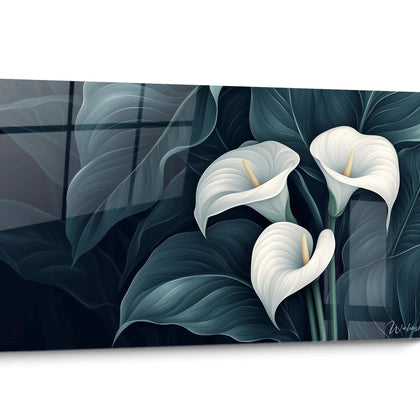 Wall Art for Zen Waiting Room24
artworks
Wall Art for Zen Waiting Room24
artworks
-
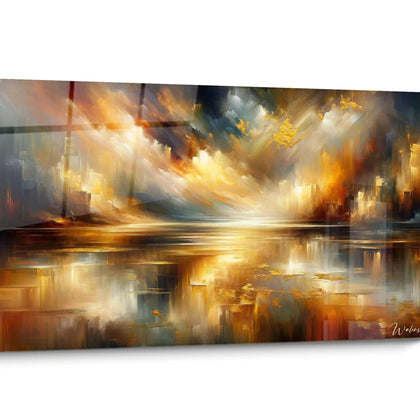 Abstract Waiting Room Wall Art23
artworks
Abstract Waiting Room Wall Art23
artworks
-
 Golden Waiting Room Wall Art23
artworks
Golden Waiting Room Wall Art23
artworks
-
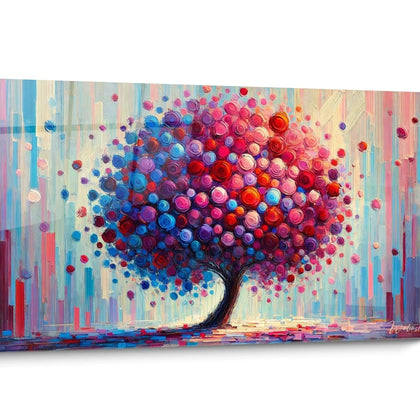 Modern Waiting Room Wall Art24
artworks
Modern Waiting Room Wall Art24
artworks
-
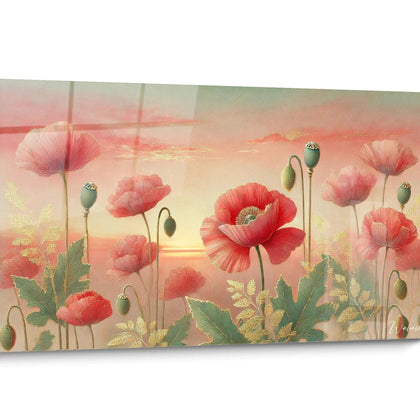 Landscape Waiting Room Wall Art24
artworks
Landscape Waiting Room Wall Art24
artworks
-
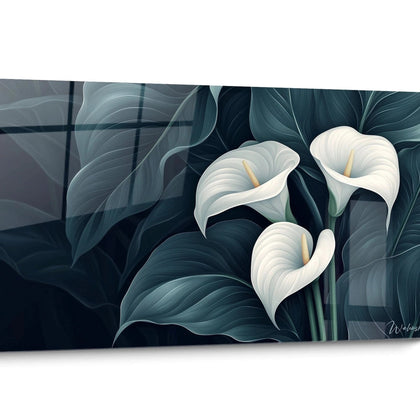 Waiting Room Wall Art Flower24
artworks
Waiting Room Wall Art Flower24
artworks
-
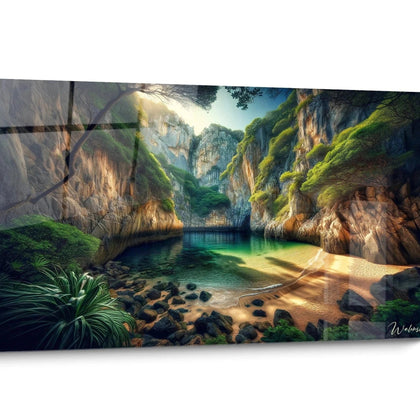 Tropical Waiting Room Wall Art24
artworks
Tropical Waiting Room Wall Art24
artworks
-
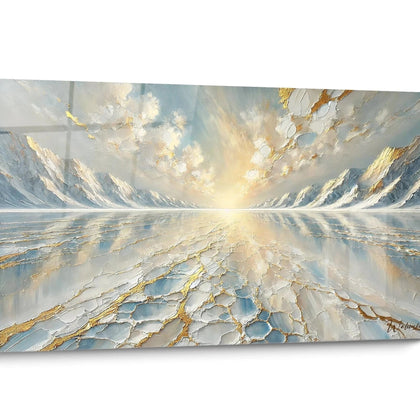 Mountain Wall Art for Waiting Room12
artworks
Mountain Wall Art for Waiting Room12
artworks
-
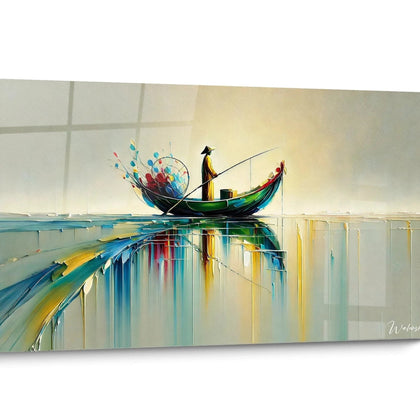 Marine Waiting Room Wall Art23
artworks
Marine Waiting Room Wall Art23
artworks
-
 Desert Waiting Room Wall Art6
artworks
Desert Waiting Room Wall Art6
artworks
-
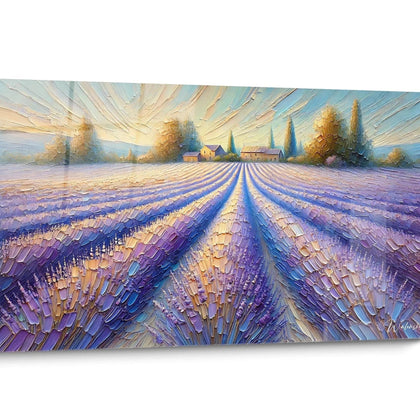 Rustic Waiting Room Wall Art9
artworks
Rustic Waiting Room Wall Art9
artworks
-
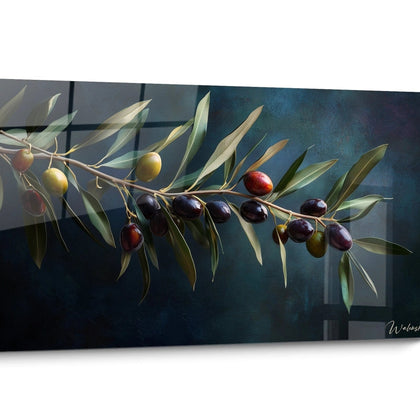 Mediterranean Waiting Room Wall Art10
artworks
Mediterranean Waiting Room Wall Art10
artworks
-
 Vintage Waiting Room Wall Art6
artworks
Vintage Waiting Room Wall Art6
artworks

All about Waiting Room Wall Art Sunset
- Painting Presentation Sunset
- Soothing Atmosphere
- Psychological Impact
- Professional Advice
A painting for a Sunset waiting room radically transforms patients' experience by creating a contemplative atmosphere that naturally reduces stress related to medical waiting. The warm and graduated hues of a twilight capture attention without generating excessive stimulation, fostering a state of mental relaxation particularly sought after in care environments. This decorative choice meets the specific needs of practitioners seeking to improve the psychological comfort of their patient base while enhancing their professional space with a universally appreciated aesthetic.
Creating a Therapeutic Atmosphere with a Sunset
The installation of a painting for a Sunset waiting room addresses a central issue in medical practices: neutralizing anticipatory anxiety for consultations. The luminous horizons and orange to purple gradients act as a natural focal point that diverts attention from medical concerns. Healthcare professionals note that these twilight representations spontaneously generate soothing conversations between patients, transforming passive waiting into a moment of collective escape.
Why do warm tones suit medical spaces?
The amber and golden tones characteristic of sunsets directly influence the perception of time in waiting rooms. These nuances create a sensation of slowing down time, particularly beneficial when consultation waiting times lengthen. Unlike neutral clinical decor, a sunset painting of large dimensions establishes a reassuring visual continuity that compensates for the medical environment sometimes perceived as cold. The reproduced luminous reflections in these works stimulate the natural production of serotonin, explaining their growing popularity in radiotherapy centers and dental clinics.
The mirror effect between natural light and pictorial representation
A painting for a waiting room depicting a twilight subtly interacts with the ambient lighting of the practice throughout the day. In the morning, the warm tones contrast harmoniously with the cold light, creating a dynamic chromatic balance. In the afternoon, when fatigue sets in for staff and patients, these golden tones reintroduce a gentle energy without visual aggression. This natural adaptation to daily light cycles makes it a particularly intelligent decorative investment for practitioners concerned with optimizing their work environment without complex technical interventions.
Adapting the format to architectural constraints in medical settings
Waiting rooms often have specific wall configurations with the presence of regulatory displays and hand sanitizer dispensers. A sunset painting waiting room medical of large dimensions allows to create a dominant contemplative zone that visually relegates these functional elements to the background. The panoramic format is particularly effective in the rectangular spaces typical of doctors' offices, while square versions are better suited to the compact waiting rooms of medical centers. To discover other decorative options adapted to professional environments, explore our collection of Abstract painting for waiting room which offers contemporary alternatives.
The Psychological Impact of Twilight Scenes on Patients
A painting for a waiting room, Sunset Glow activates deep psychological mechanisms linked to collective memory and positive sensory experiences. Sunsets universally trigger mental associations with the end of the day, rest, and a soothing transition, creating an unconscious parallel with the resolution of health problems after the consultation. This reassuring symbolism explains why cardiologists and psychiatrists prioritize these representations in their reception areas, seeking to activate positive emotional resources even before the therapeutic interview.
How does a solar landscape influence the perception of waiting time?
Research in environmental psychology demonstrates that patients exposed to contemplative natural scenes estimate their waiting time to be 15 to 20% less than the actual duration. A painting depicting a blazing horizon creates a visual depth of field that naturally invites prolonged gaze and constructive reverie. This short-circuit contemplative immersion of the typical temporal hypervigilance phenomenon in medical waiting rooms. Monumental formats amplify this visual absorption effect, particularly in dialysis centers where patients return regularly and appreciate these stable visual landmarks.
Documented reduction of preoperative anxiety
Ambulatory surgery clinics observe a measurable decrease in anxiety markers in patients waiting in the presence of large-format twilight representations. The progressive hues of the sky at sunset visually mimic a process of gentle transition, a reassuring metaphor before an intervention. This non-pharmacological approach to preoperative stress management is particularly appealing to establishments practicing medical hypnosis, which use these visual supports as positive visualization anchors. A painting sunset medical office thus becomes an indirect therapeutic tool, complementing patient psychological preparation protocols.
Stimulation of constructive conversations between patients
An often underestimated aspect is the ability of sunset scenes to generate spontaneous exchanges between people waiting. These universally recognizable representations offer a neutral and positive conversational ground, particularly valuable in waiting rooms of sensitive services such as oncology or infectious diseases. Patients naturally share their own memories of sunsets observed, creating a soothing social dynamic that contrasts with the usual anxious silence. This function as a social catalyst transforms the medical space into a place of shared humanity, aligned with the goals of integrative medicine valuing the overall therapeutic environment.
Selecting and Installing a Twilight Painting in a Professional Context
The choice of a painting for a waiting room, Sunset Glow requires prior analysis of the specificities of your medical practice and your patient population. Pediatricians will prefer luminous representations with the presence of reassuring elements such as silhouettes of migratory birds, while geriatricians will opt for maritime horizons evoking serene contemplation. Chromatic saturation is a determining criterion: sunsets with vibrant hues energize sports medicine spaces, while pastel versions are better suited for sophrology or therapeutic meditation clinics.
What criteria determine the optimal location of the painting?
The strategic placement of a twilight painting in a medical waiting room adheres to precise ergonomic principles. The ideal positioning is within the natural line of sight of seated patients, slightly offset from direct face-to-face contact to allow for unconstrained contemplation. Absolutely avoid locations adjacent to consultation doors, which create a visual association between the artwork and the apprehension of the examination. Informed practitioners install these paintings on the wall opposite the reception area, thus offering an immediate contemplative horizon upon arrival, maximizing the calming effect in the first few minutes of waiting.
Coordination with the visual identity of the practice
A painting for a waiting room depicting a sunset harmoniously integrates into various professional graphic charts. Practices with beige and natural wood tones particularly benefit from the warm twilight hues that create an enveloping chromatic continuity. For medical spaces with contemporary lines and gray and white furniture, prioritize stylized representations where the sunset presents purified graphic compositions rather than photorealistic renderings. This aesthetic coherence reinforces the impression of professionalism and attention to detail, elements valued by a demanding clientele seeking practitioners invested in the overall quality of their service.
Durability and maintenance in a medical environment
The health constraints of medical spaces impose specific requirements for a painting waiting room sunset. Surfaces must tolerate regular cleaning protocols including disinfection and damp wiping, particularly in the post-pandemic context where hygiene standards have intensified. Large-format prints require reinforced fixing compliant with ERP standards, with multiple anchor points distributing the weight evenly. Also anticipate prolonged exposure to UV rays if your waiting room benefits from generous natural lighting, by selecting prints resistant to fading, guaranteeing the permanence of the warm tones characteristic of these twilight representations.
FAQ - Frequently Asked Questions
Is a sunset painting suitable for all medical specialties?
Representations of sunsets are particularly well-suited to specialties generating anticipatory stress such as dentistry, cardiology or oncology, but remain appropriate for all medical practices seeking to humanize their welcome environment. Only ophthalmology sometimes prefers to avoid very luminous compositions for photosensitive patients.
What dimension should be prioritized for a Sunset painting in a small waiting room?
In the restricted spaces of 10 to 15m², a format of at least 120x80cm creates the necessary visual impact without overloading the space, provided that a minimum viewing distance of 2 meters is maintained between the seats and the wall where it is hung to allow a comfortable overall view of the twilight landscape.
How does a painting depicting a sunset influence the perception of my professionalism?
Patients interpret the choice of calming and universally appreciated decoration as a manifestation of attention paid to their overall well-being, reinforcing confidence in a holistic medical approach that goes beyond simple clinical technique to integrate the psychological and environmental dimensions of care.
L'art qui suscite l'envie
Maison belge d'art mural grand format
14 jourspour changer d'avis*
Protection Walenskyincluse
Fabriquéen Italie
FormatXXL
Kit de fixationtoujours fourni
* Hors tableaux personnalisés et tailles personnalisées


