


Marine Waiting Room Wall Art
Transform your professional space with a Waiting Room Artwork Marine that evokes the serenity of the oceans. Our nautical collection brings a soothing marine wall decoration ideal for creating a relaxing atmosphere in your medical office, clinic or office. Each work captures the coastal essence with its deep blues, nautical motifs and contemplative seascapes. These professional marine paintings transform waiting into a moment of relaxation inspired by the beauty of the sea.
 Awaiting the Waves Painting - Marine Landscape Edition273,90 €
 The Art of Water Painting - Marine Landscape Edition273,90 €
 Dawn Over the Lighthouse - Sea Landscape Edition273,90 €
 The Call of the Sea - Ocean Landscape Edition273,90 €
 Sailing Toward the Horizon Canvas - Ocean Landscape Edition273,90 €
 Fisherman of Colors Painting - Marine Landscape Edition273,90 €
 Marine Ornaments Wall Art - Shell Nature Edition273,90 €
 Painting Pebbles Under the Sun - Beach Landscape Edition273,90 €
 Painting Embraced by the Sea - Beach Landscape Edition273,90 €
 Idyllic landscape wall art No. 1 - Landscape edition273,90 €
 Abyssal Whispers Artwork - Sea Landscape Edition273,90 €
 Untamed Flows Painting - Sea Landscape Edition273,90 €
 Aquatic Energy Painting - Sea Landscape Edition273,90 €
 Dunes and Waves Wall Art - Sea Landscape Edition273,90 €
 Infinite Calm Painting - Sea Landscape Edition273,90 €
 Beauty of Evening Wall Art - Sea Landscape Edition273,90 €
 Evening Glow Canvas - Sunset Landscape Edition273,90 €
 Azure Mist Wall Art - Abstract Seascape Edition273,90 €
 Sweetness of Twilight Wall Art - Abstract Seaside Edition273,90 €
 Amber Softness Wall Art - Abstract Seascape Edition273,90 €
 Golden Twilight Wall Art - Abstract Seaside Edition273,90 €
 Infinite Horizon Canvas on the Cliffs - Landscape Edition273,90 €
 Tropical Underwater Wonder Canvas - Limited Edition🥇273,90 €
Explore further
In Marine Waiting Room Wall Art
-
 Wall Art for Waiting Room372
artworks
Wall Art for Waiting Room372
artworks
-
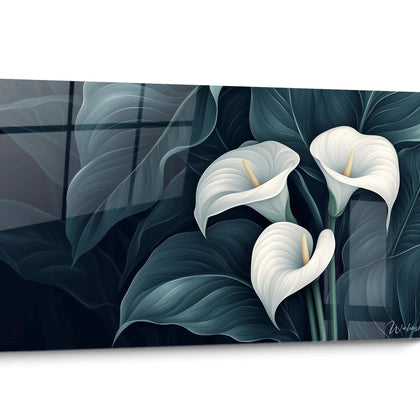 Wall Art for Zen Waiting Room24
artworks
Wall Art for Zen Waiting Room24
artworks
-
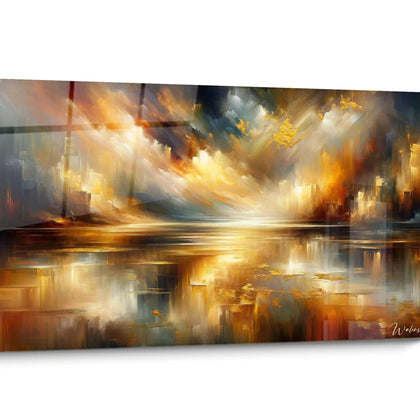 Abstract Waiting Room Wall Art23
artworks
Abstract Waiting Room Wall Art23
artworks
-
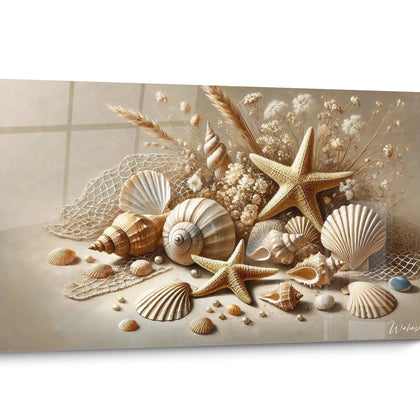 Golden Waiting Room Wall Art23
artworks
Golden Waiting Room Wall Art23
artworks
-
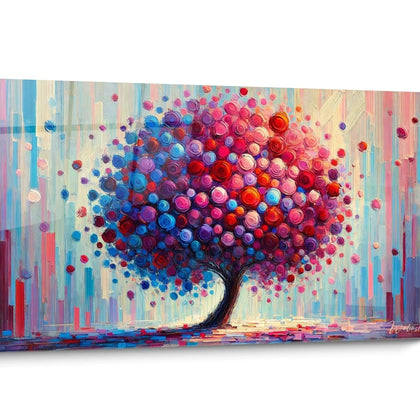 Modern Waiting Room Wall Art24
artworks
Modern Waiting Room Wall Art24
artworks
-
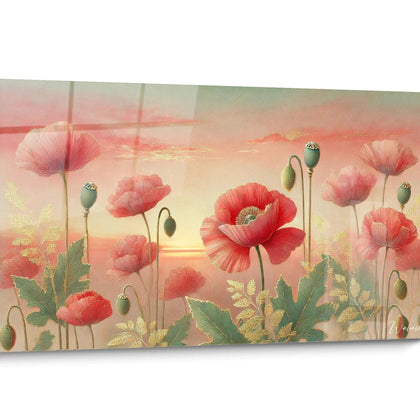 Landscape Waiting Room Wall Art24
artworks
Landscape Waiting Room Wall Art24
artworks
-
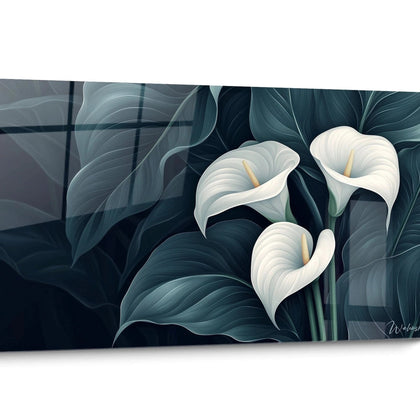 Waiting Room Wall Art Flower24
artworks
Waiting Room Wall Art Flower24
artworks
-
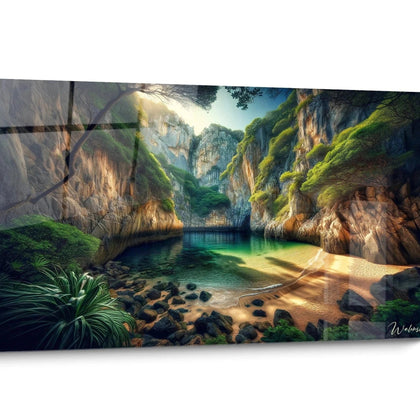 Tropical Waiting Room Wall Art24
artworks
Tropical Waiting Room Wall Art24
artworks
-
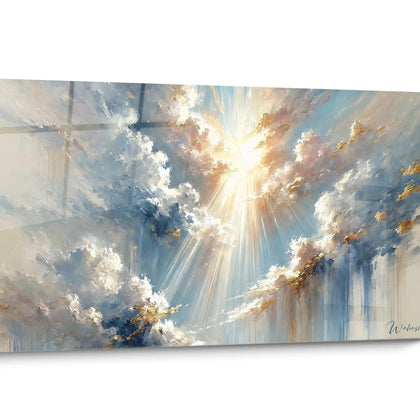 Waiting Room Wall Art Sunset24
artworks
Waiting Room Wall Art Sunset24
artworks
-
 Mountain Wall Art for Waiting Room12
artworks
Mountain Wall Art for Waiting Room12
artworks
-
 Desert Waiting Room Wall Art6
artworks
Desert Waiting Room Wall Art6
artworks
-
 Rustic Waiting Room Wall Art9
artworks
Rustic Waiting Room Wall Art9
artworks
-
 Mediterranean Waiting Room Wall Art10
artworks
Mediterranean Waiting Room Wall Art10
artworks
-
 Vintage Waiting Room Wall Art6
artworks
Vintage Waiting Room Wall Art6
artworks

All about Marine Waiting Room Wall Art
- Marine Wall Art Presentation
- Professional Nautical Decoration
- Calming Marine Atmosphere
- Installation and Selection
Marine waiting room wall art dramatically transforms the patient experience by introducing a calming dimension inspired by coastal environments. These monumental creations capture the essence of oceanic landscapes to create an atmosphere conducive to relaxation in medical and professional spaces. Maritime imagery - rhythmic waves, infinite horizons, deep azure tones - activates psychological relaxation mechanisms particularly suited to pre-consultation anxiety contexts. Unlike neutral abstract compositions, the marine theme generates universal positive mental associations: vacations, escape, natural serenity. These large-format visuals represent a strategic investment for practices seeking to differentiate their visual identity while optimizing visitor psychological comfort during their wait.
Reducing Pre-Consultation Anxiety Through Oceanic Imagery
The marine waiting room wall art addresses a specific challenge in medical environments: managing anticipatory stress. Environmental psychology research demonstrates that representations of aquatic spaces activate the parasympathetic nervous system, naturally slowing heart rate and decreasing cortisol production. This automatic physiological response proves particularly beneficial in dental offices, physiotherapy clinics, and general medicine practices where apprehension is a common factor.
Why do marine tones work better than other color palettes?
Ocean blue hues possess unique neurosensory properties. Unlike stimulating warm tones, turquoise, cobalt blue, and petrol blue gradations induce measurable decreases in blood pressure. In a pediatric medical waiting room, a visual representing seabeds with their luminous gradients can reduce childhood agitation by 30% according to certain behavioral studies. Maritime patterns - foaming eddies, sunlight reflections on water, sailboat silhouettes - create visual focal points that divert attention from anxiety-inducing concerns.
Monumental scale as a therapeutic immersion factor
Imposing formats amplify the immersive effect of marine compositions. A 150x100cm marine waiting room wall art generates visual presence that architecturally transforms confined space into a virtual window onto the marine horizon. This panoramic dimension reproduces the sensation of openness characteristic of coastal environments, psychologically counterbalancing the confinement felt in reduced waiting spaces. Osteopathic practices and radiology centers favor these XXL formats to maximize cognitive diversion for patients during extended waiting periods.
Coordination with marine acoustics and olfaction
Some forward-thinking practitioners associate their marine waiting room wall art with comprehensive sensory design: discreet diffusion of wave sounds, ionizers reproducing marine air, slightly cooled ambient temperature. This multi-sensory convergence multiplies the relaxing impact of visual representation. Visuals of deserted beaches, isolated coves, or underwater perspectives work particularly well in this immersive ambiance strategy, creating total thematic coherence that distinguishes the practice from standardized medical environments.
Optimizing Patient Pathways Through Nautical Decoration
The strategic positioning of marine waiting room wall art directly influences patient behavioral flow. Beyond aesthetics, these visual installations structure movements and focus attention according to behavioral design principles. Facing the main entrance, a large maritime visual immediately creates a differentiating first impression, signaling a care philosophy attentive to overall well-being. This visual branding strategy proves particularly effective for practitioners in alternative medicine, naturopathy, or psychotherapy where environment constitutes an extension of the therapeutic protocol.
How do maritime representations modify perceived wait time?
Oceanic scenes possess a particular temporality that subjectively alters perceived duration. Unlike dynamic urban visuals generating impatience, marine compositions - sunsets over the ocean, progressive tides, peaceful sailing - evoke a slowed rhythm that synchronizes behavioral expectations. In dermatology clinics or vaccination centers where delays frequently frustrate, these calming visuals significantly reduce complaints related to waiting times. The absence of precise temporal elements in these paintings prevents anxiety-inducing chronometric comparisons.
Adaptation to aquatic and respiratory medical specialties
Pulmonologists, allergologists, and ENT specialists judiciously exploit the respiratory symbolism of marine environments. A marine waiting room wall art representing oceanic winds, revitalizing sea spray, or wave breathing metaphorically resonates with pulmonary issues being treated. This subtle thematic coherence unconsciously strengthens confidence in the practitioner's expertise. Vertical formats evoking oceanic depth work particularly well in narrow specialist office spaces, creating an illusion of vertical volume compensating for architectural constraints.
Iconographic selection according to patient demographic profiles
Senior clientele responds favorably to nostalgic representations - traditional lighthouses, classic fishing boats, historic ports - activating positive memories. Conversely, an active urban patient base favors water sports visuals - surfing, sailing, diving - suggesting vitality and dynamism. Pediatricians often opt for playful marine compositions integrating colorful fauna, while cardiologists prefer minimalist marine horizons evoking rhythmic regularity. To discover other complementary visual approaches, explore our selection of abstract waiting room wall art offering contemporary alternatives to figurative themes.
Decision Criteria for Professional Maritime Acquisition
Investment in professional-quality marine waiting room wall art requires rigorous evaluation of technical characteristics. Unlike residential decoration, medical environments impose specific constraints: resistance to frequent cleaning, chromatic stability under continuous artificial lighting, absence of disturbing reflections. Rigid aluminum or composite panel supports guarantee perfect flatness essential for large formats, eliminating temporal deformations observed on flexible supports. This structural durability protects initial investment for a minimum of one decade.
What level of chromatic saturation should be prioritized in medical spaces?
Overly saturated ocean blues generate visual fatigue during prolonged exposure. Discerning professionals select compositions with modulated tones - atmospheric gray-blue, desaturated turquoise, nuanced deep blues - that maintain visual interest without chromatic aggressiveness. Matte finishes eliminate disturbing reflections under standard medical fluorescent lighting, preserving the legibility of maritime details. This chromatic subtlety distinguishes premium professional installations from basic commercial reproductions.
Secure installation for high-traffic spaces
Reinforced hanging systems constitute an often-overlooked safety imperative. A 120x80cm marine waiting room wall art frequently exceeds 8kg, requiring wall fixings certified for heavy loads. Professional suspension rails offer repositional flexibility while guaranteeing seismic-resistant stability. In public-access facilities, this robustness prevents any risk of accidental falls during cleaning or dense traffic. Rounded corners and peripheral protections minimize traumatic risks in case of contact.
Coordination with the medical practice's visual identity
Chromatic integration with existing graphic charter - logo, signage, furniture - maximizes perceived professional coherence. A practice with beige-sand tones benefits from marine compositions incorporating golden beaches, while a contemporary gray environment harmonizes with graphic stormy oceans. This thematic personalization transforms the acquisition of a simple decorative element into a strategic component of identity positioning. Patients unconsciously associate this visual coherence with professional rigor extended to medical practices.
What criteria differentiate a commercial maritime painting from a professional piece?
Reproduction depth radically separates categories. Professional prints use extended color gamuts capturing oceanic luminous subtleties - wave transparency, abyssal depths, moving reflections - inaccessible through economical processes. Fine print granularity (300+ DPI) enables close observation without pixelation, crucial in small waiting rooms where proximity is inevitable. These technical specifications justify the substantial price gap with standardized mass production.
FAQ - Frequently Asked Questions on Marine Wall Art for Professional Spaces
Is marine waiting room wall art suitable for anxious pediatric offices?
Absolutely, playful maritime representations with colorful fauna effectively divert childhood attention from dreaded procedures. Prioritize dynamic compositions - leaping dolphins, tropical fish - rather than contemplative horizons suited to adults. Horizontal formats positioned at child eye level (80-100cm from floor) optimize attentional engagement during pre-consultation wait.
How to durably maintain a maritime visual in a medical environment?
Anti-UV and water-resistant treated surfaces tolerate weekly cleaning with slightly damp microfiber cloth, eliminating dust and splatters without chromatic alteration. Absolutely avoid alcohol-based products or aggressive detergents that irreversibly degrade photographic inks. Regular dusting preserves initial brilliance over 10+ years under normal exposure conditions.
Can multiple marine wall artworks be combined in the same waiting room?
Multiplication creates risk of counterproductive thematic overload. Prioritize one monumental masterpiece (150x100cm minimum) as dominant focal point, possibly complemented by two reduced satellite compositions (40x60cm) on perpendicular walls. This visual hierarchy maintains maritime coherence without tipping into caricatural thematic universe damaging medical professional credibility.


