


Rustic Waiting Room Wall Art
Our Rustic Waiting Room Artwork collection transforms your professional spaces into havens of rustic serenity. Inspired by the authenticity of the countryside, this artistic selection perfectly combines rustic decor for medical offices and natural elegance. Bucolic landscapes, soothing farm scenes, and charming floral compositions create a relaxing and comforting atmosphere. Ideal for medical, dental, or therapeutic offices, this collection of professional rustic wall art establishes an immediate sense of trust. Offer your patients a moment of visual escape in a warm and reassuring universe.
 Red Pepper Wall Art No. 3 - Nature Edition273,90 €
 Chili Pepper Painting No.2 - Nature Edition273,90 €
 Chili Pepper Painting No.1 - Nature Edition273,90 €
 Olive Painting No.3 - Nature Edition273,90 €
 Olive Tree Artwork No. 2 - Nature Edition273,90 €
 Olivier Wall Art No. 1 - Nature Edition273,90 €
 Provençal Landscape Painting - Countryside Landscape Edition273,90 €
 Scent of the Fields Painting - Countryside Landscape Edition273,90 €
 Gold of the Meadows - Countryside Landscape Edition273,90 €
Explore further
In Rustic Waiting Room Wall Art
-
 Wall Art for Waiting Room372
artworks
Wall Art for Waiting Room372
artworks
-
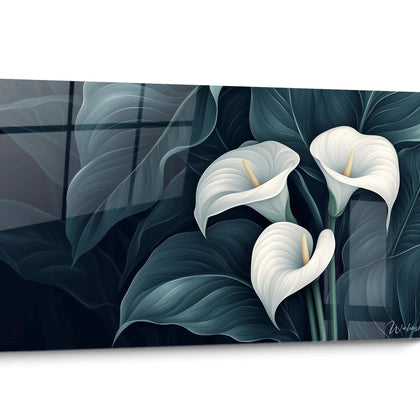 Wall Art for Zen Waiting Room24
artworks
Wall Art for Zen Waiting Room24
artworks
-
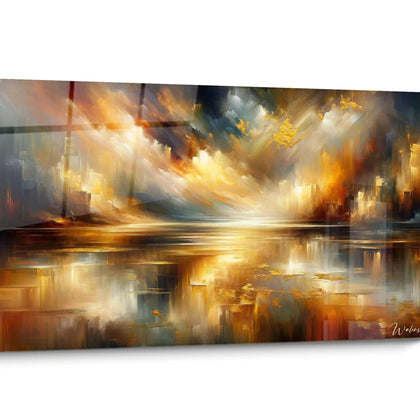 Abstract Waiting Room Wall Art23
artworks
Abstract Waiting Room Wall Art23
artworks
-
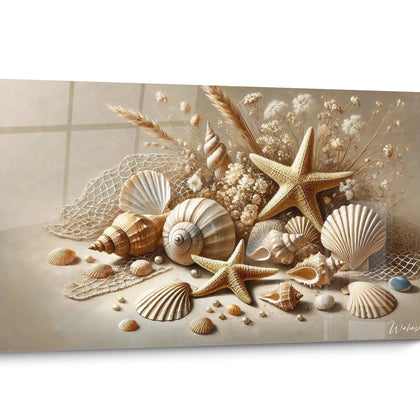 Golden Waiting Room Wall Art23
artworks
Golden Waiting Room Wall Art23
artworks
-
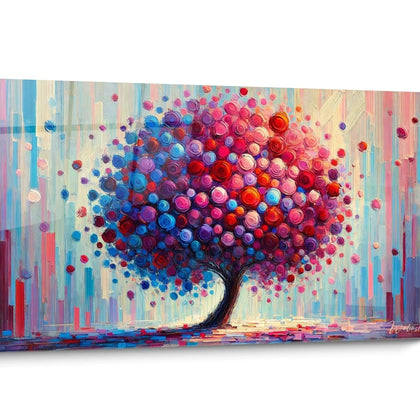 Modern Waiting Room Wall Art24
artworks
Modern Waiting Room Wall Art24
artworks
-
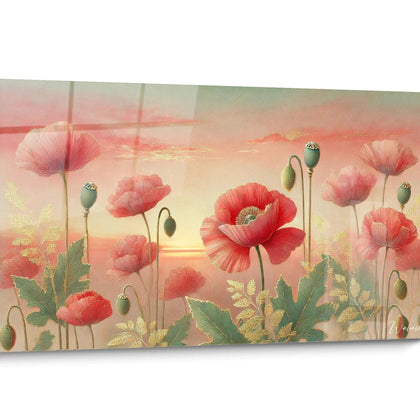 Landscape Waiting Room Wall Art24
artworks
Landscape Waiting Room Wall Art24
artworks
-
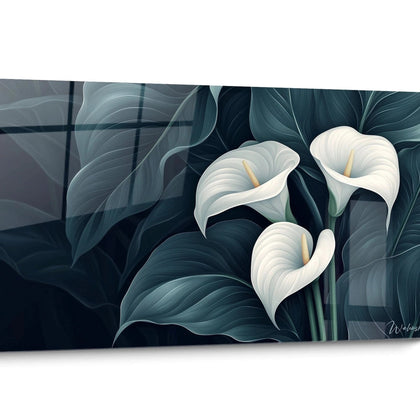 Waiting Room Wall Art Flower24
artworks
Waiting Room Wall Art Flower24
artworks
-
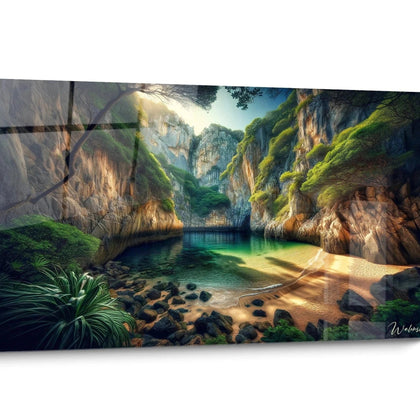 Tropical Waiting Room Wall Art24
artworks
Tropical Waiting Room Wall Art24
artworks
-
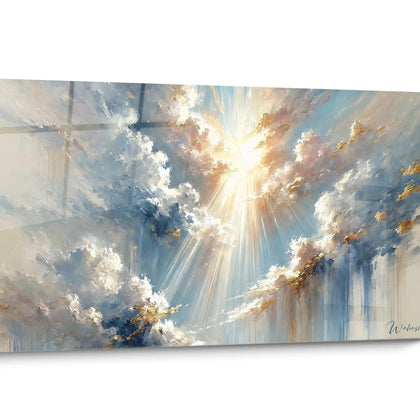 Waiting Room Wall Art Sunset24
artworks
Waiting Room Wall Art Sunset24
artworks
-
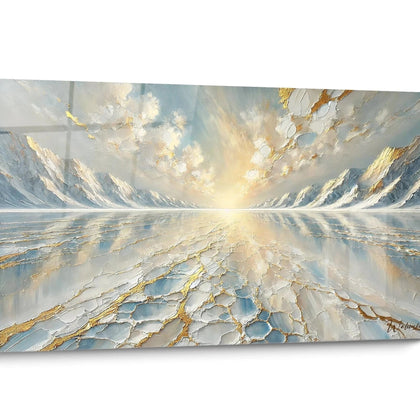 Mountain Wall Art for Waiting Room12
artworks
Mountain Wall Art for Waiting Room12
artworks
-
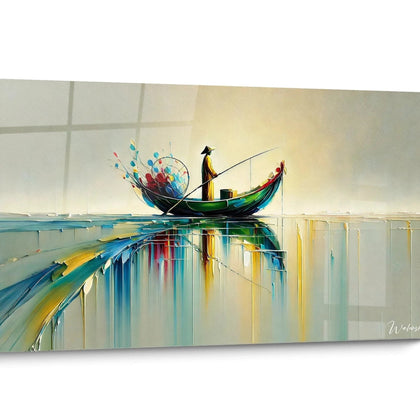 Marine Waiting Room Wall Art23
artworks
Marine Waiting Room Wall Art23
artworks
-
 Desert Waiting Room Wall Art6
artworks
Desert Waiting Room Wall Art6
artworks
-
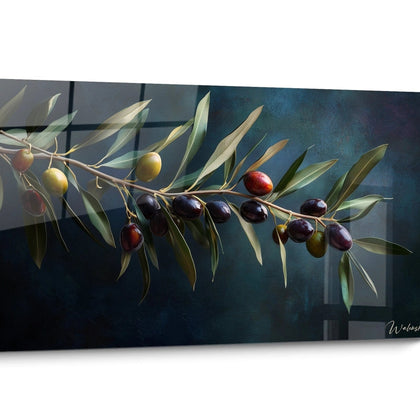 Mediterranean Waiting Room Wall Art10
artworks
Mediterranean Waiting Room Wall Art10
artworks
-
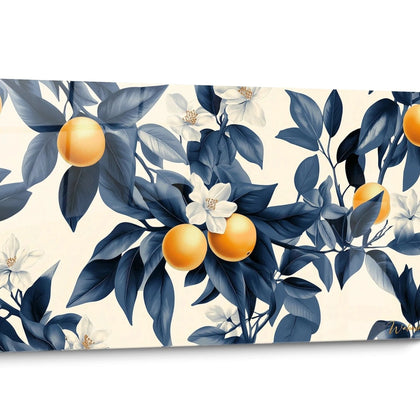 Vintage Waiting Room Wall Art6
artworks
Vintage Waiting Room Wall Art6
artworks

All about Rustic Waiting Room Wall Art
- Rustic Painting Presentation
- Warm Atmosphere
- Authentic Materials
- Patient Soothing
Transforming your waiting room with a rustic painting represents much more than a simple decorative choice. This type of wall art brings an authentic atmosphere that instantly reassures your patients upon arrival. Rural motifs, rural scenes, and representations of raw nature create a soothing environment that contrasts with the clinical coldness often associated with medical spaces. The rustic aesthetic evokes values of tradition, artisanal know-how, and a return to basics, elements particularly sought after in clinics located in suburban or rural areas where customers appreciate this visual connection with their daily environment.
Creating a Reassuring Atmosphere Through Rural Aesthetics
Integrating a rustic painting into your medical space radically transforms the emotional experience of your patients. Representations of old barns, forest paths, or agricultural landscapes trigger positive mental associations linked to simplicity and authenticity. These visuals significantly reduce pre-consultation anxiety by diverting attention from medical concerns towards familiar and reassuring scenes.
Why do rural motifs soothe more than other decorative styles?
Rustic compositions generally present dominant horizontal lines and earthy tones that correspond to the least stimulating visual frequencies for the nervous system. Unlike abstract paintings which can evoke varied interpretations, rural scenes offer an immediate and universal reading. A water mill, a hay cart, or an old vegetable garden convey messages of permanence and natural cycles particularly comforting in a medical context where uncertainty prevails.
Adaptation to general practitioners' offices and soft specialties
Family doctors, naturopaths, or geriatricians find in rural imagery a valuable ally to establish a relationship of trust from the welcome. Elderly patients in particular recognize in these representations personal memories that facilitate communication and reduce defensiveness. The large dimensions of the wall paintings allow sufficient visual immersion to create a mental window towards open spaces, thus compensating for the spatial constraints typical of urban waiting rooms.
Consistency with regional architecture and local identity
A well-chosen rustic painting reflects the architectural and landscape heritage of your region. In wine-growing areas, representations of old vineyards reinforce the territorial anchoring of your clinic. For livestock regions, pastoral scenes create a visual continuity between the exterior and the interior. This geographic consistency is not insignificant: it subconsciously signals to patients that you understand their cultural environment and their values, establishing a psychologically favorable proximity to the therapeutic relationship.
Visual Textures and Patina of Time in Medical Decoration
The specificity of a rustic painting lies in its ability to evoke tactility and materiality without resorting to traditional physical supports. Visual renderings of aged surfaces, patinated woodwork, or mossy stones bring a rare perceptual depth in standardized medical environments. This textural richness subtly stimulates patients' visual engagement while waiting, offering multiple focal points that fragment the perception of waiting time.
How do textural effects influence spatial perception?
The techniques of representing raw materials – weathered wood, rusted metal, coarse fabric – create tonal variations that give relief to flat walls. In a small waiting room, a large format illustrating a stone farmhouse facade with its irregularities generates an illusion of architectural depth. The light and shadow play characteristic of old rural scenes adds a kinetic dimension: depending on the viewing angle and ambient lighting, some details emerge while others fade, thus maintaining visual interest during repeated consultations.
Sensory evocation through the representation of familiar objects
Rustic compositions often incorporate elements of agricultural daily life – hanging gardening tools, woven baskets, stoneware jugs – which trigger complete sensory associations. A patient observing a representation of freshly harvested vegetables can almost perceive their earthy smell and rough texture. This indirect multi-sensory activation is a powerful mechanism of cognitive distraction, particularly effective for anxious patients or uncooperative children who find in these narrative details stories to mentally reconstruct.
Highlighting craftsmanship and manual know-how
The rustic aesthetic implicitly celebrates traditional trades and artisanal transformation, values that strongly resonate with the medical practice perceived as an art as much as a science. A painting representing a cooperage workshop or an old forge establishes a subtle parallel between the patience required to master these ancestral techniques and medical expertise. This association unconsciously reinforces the professional credibility of the practitioner in the eyes of patients sensitive to authenticity and proven competence rather than cutting-edge technologies.
Optimizing Patient Wellbeing through Naturalistic Imagery
The passive therapeutic effectiveness of a rustic waiting room painting relies on documented psychological mechanisms. Natural scenes and sparsely humanized environments trigger a measurable parasympathetic response: slowed heart rate, decreased blood pressure, reduction of stress markers. In a pre-consultation context where apprehension dominates, these compositions offer a visual anchor towards spaces perceived as safe and predictable.
Why prioritize large dimensions to maximize the soothing effect?
Imposing formats transform the painting into a virtual window rather than a simple wall ornament. A patient confronted with a panoramic representation of undulating fields or autumnal undergrowth at a near-real scale benefits from a peripheral immersion that more strongly engages their visual field. This occupation of the perceptual space limits anxiety-inducing distractions – other patients, hallway noise, anticipation of the examination – by creating a protective visual bubble. Generous dimensions also allow comfortable reading from different seating points, equalizing the experience for all patients.
Adaptation to seasonal rhythms and renewal cycle
Established medical practices can strategically alternate between different rustic scenes reflecting the seasons: summer harvests, spring plowing, winter landscapes. This seasonal rotation maintains the perceptual freshness of the waiting area while reinforcing the connection with natural cycles. Regular patients appreciate these changes, which signal attention to their welcoming environment and break the monotony of repeated visits. The rustic style is particularly well suited to this thematic variation since each season offers visually distinct compositions while maintaining a general aesthetic consistency.
Compatibility with hygiene and maintenance constraints
Contrary to popular belief, large-format rustic aesthetics offer substantial practical advantages for medical spaces. Compositions with many details and tonal variations effectively conceal micro-scratches or slight discolorations inevitable in high-traffic areas. Natural tones – ochres, browns, olive greens – age visually better than immaculate whites or saturated colors. A monumental rustic painting simply requires periodic dusting, without requiring the handling precautions associated with traditional framed works or fragile installations.
Is a rustic painting suitable for pediatric clinics or only for adult practices?
Rustic representations work remarkably well in pediatrics when they integrate narrative elements accessible to children: farm animals, village market scenes, vegetable gardens. Children easily identify these familiar elements from their picture books, creating discussion points with parents that reduce pre-vaccination anxiety. Countryside imagery offers a soothing alternative to overly childish decor while remaining concrete enough to capture the attention of young patients.
What is the aesthetic longevity of a rustic painting for a waiting room in the face of decorative trends?
The rustic aesthetic transcends fleeting trends precisely because it draws on a stable historical reference. Unlike contemporary styles that quickly become dated, timeless rural scenes maintain their visual relevance for decades. This aesthetic stability represents a judicious decorative investment for practitioners wishing to avoid frequent renovations while maintaining a consistent professional environment.
How does a rustic painting influence the perception of the practitioner's competence?
Choosing a rustic decor implicitly signals specific professional values: a holistic approach, attention to overall well-being, respect for natural rhythms rather than technical haste. Patients seeking attentive and personalized medicine positively interpret this aesthetic orientation, which differentiates the practice from standardized hospital environments. This visual distinction reinforces the perception of a medical practice where the human element takes precedence over strict protocol.
Further reading
Our articles on this topic
L'art qui suscite l'envie
Maison belge d'art mural grand format
14 jourspour changer d'avis*
Protection Walenskyincluse
Fabriquéen Italie
FormatXXL
Kit de fixationtoujours fourni
* Hors tableaux personnalisés et tailles personnalisées


