


Abstract Waiting Room Wall Art
Our Waiting room painting Abstract collection enhances professional reception areas with contemporary artistic creations. These soothing abstract works create a serene and refined atmosphere, perfect for decorating a medical waiting room or a professional office. Each composition combines harmonious shapes and soothing color palettes to offer professional abstract wall art that relaxes your visitors. Transform your reception area into an inspiring gallery.
 Joy Tree Wall Art - Nature Tree Edition273,90 €
 Dahlia Wall Art No. 6 - Nature Edition273,90 €
 Starlit Sky Landscape - Dawn Over Infinity Edition273,90 €
 Abstract Forest Painting - Autumn Edition Landscape273,90 €
 Blossoming Abstract Art - Autumn Landscape Edition273,90 €
 Painting Embraced by the Sea - Beach Landscape Edition273,90 €
 Landscape wall art N°1 - Landscape edition273,90 €
 Desert Twilight Canvas - Sunset Landscape Edition273,90 €
 Azure Mist Wall Art - Abstract Seascape Edition273,90 €
 Golden Twilight Wall Art - Abstract Seaside Edition273,90 €
 Golden Touch Wall Art - Abstract Flower Edition273,90 €
 Graceful Flower Canvas - Abstract Flower Edition273,90 €
 Floral Explosion Wall Art - Abstract Flower Edition273,90 €
 Midnight Blue Painting - Abstract Flower Edition273,90 €
 Meadow Song Canvas - Abstract Flower Edition273,90 €
 Sunflower Wall Art - Abstract Flower Edition273,90 €
 Brilliance of Purity Wall Art - Abstract Flower Edition273,90 €
 Ode to the Wind Abstract Edition Wall Art - Walensky273,90 €
 Echo of the Winds Canvas - Abstract Edition273,90 €
 Twilight of Elements Wall Art - Abstract Edition273,90 €
 Golden Reflections City Wall Art - Abstract Edition273,90 €
 Pastel Aurora Wall Art - Abstract Edition273,90 €
 Floral Dawn Wall Art - Abstract Edition273,90 €
Explore further
In Abstract Waiting Room Wall Art
-
 Wall Art for Waiting Room372
artworks
Wall Art for Waiting Room372
artworks
-
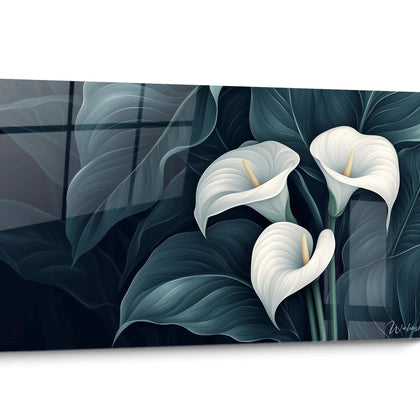 Wall Art for Zen Waiting Room24
artworks
Wall Art for Zen Waiting Room24
artworks
-
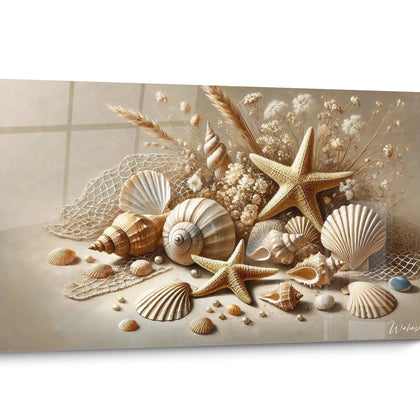 Golden Waiting Room Wall Art23
artworks
Golden Waiting Room Wall Art23
artworks
-
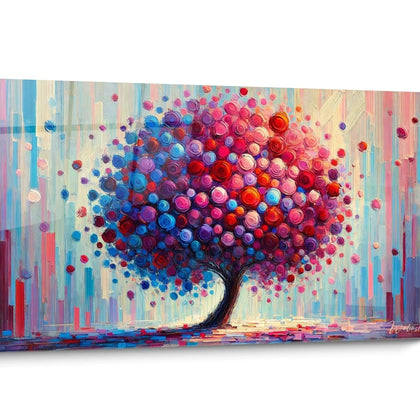 Modern Waiting Room Wall Art24
artworks
Modern Waiting Room Wall Art24
artworks
-
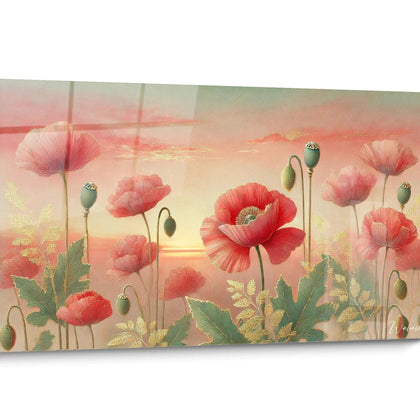 Landscape Waiting Room Wall Art24
artworks
Landscape Waiting Room Wall Art24
artworks
-
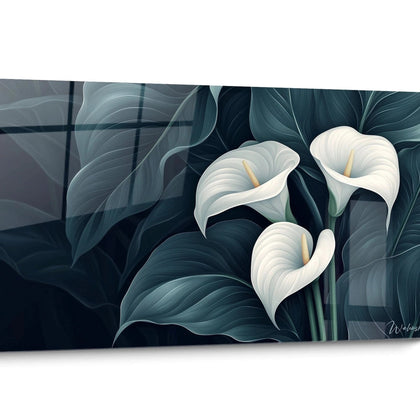 Waiting Room Wall Art Flower24
artworks
Waiting Room Wall Art Flower24
artworks
-
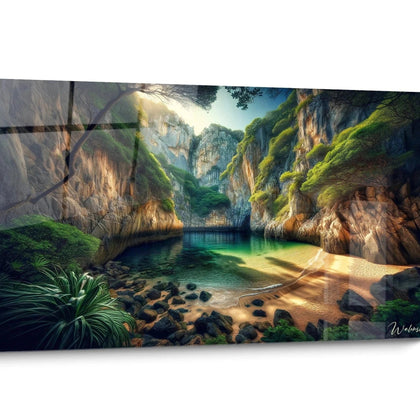 Tropical Waiting Room Wall Art24
artworks
Tropical Waiting Room Wall Art24
artworks
-
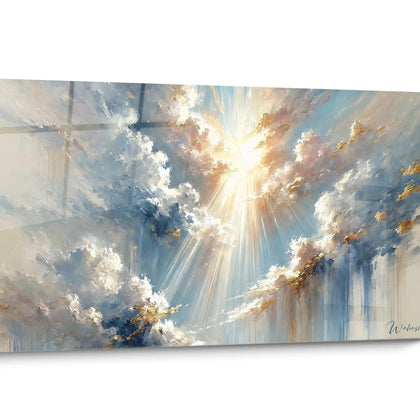 Waiting Room Wall Art Sunset24
artworks
Waiting Room Wall Art Sunset24
artworks
-
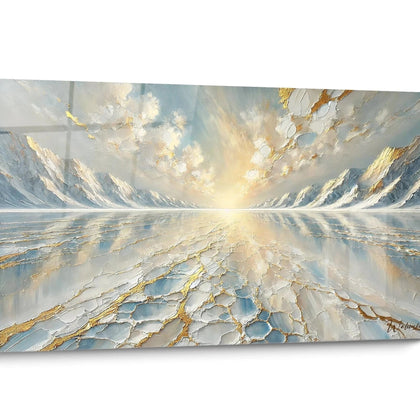 Mountain Wall Art for Waiting Room12
artworks
Mountain Wall Art for Waiting Room12
artworks
-
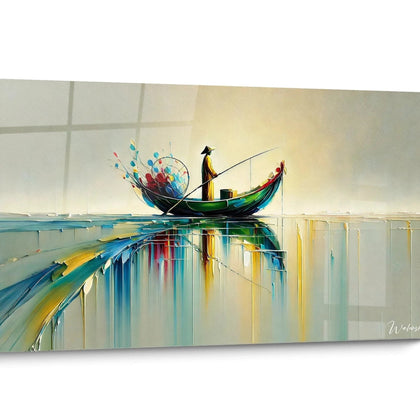 Marine Waiting Room Wall Art23
artworks
Marine Waiting Room Wall Art23
artworks
-
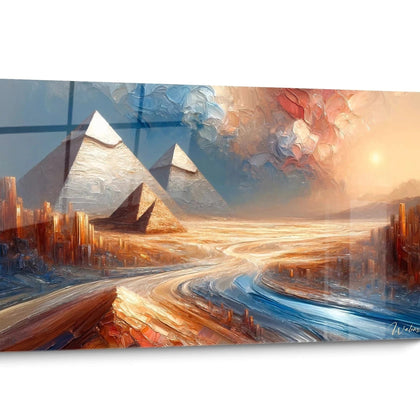 Desert Waiting Room Wall Art6
artworks
Desert Waiting Room Wall Art6
artworks
-
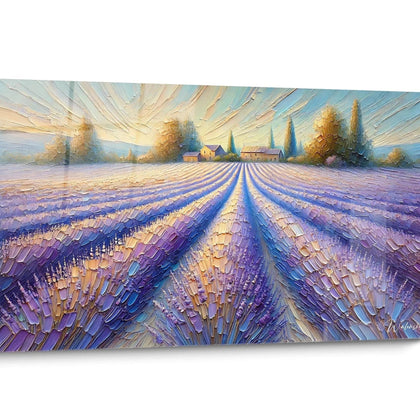 Rustic Waiting Room Wall Art9
artworks
Rustic Waiting Room Wall Art9
artworks
-
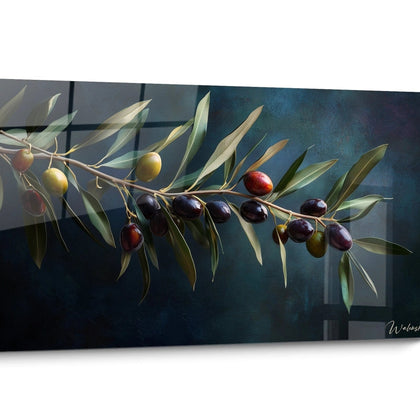 Mediterranean Waiting Room Wall Art10
artworks
Mediterranean Waiting Room Wall Art10
artworks
-
 Vintage Waiting Room Wall Art6
artworks
Vintage Waiting Room Wall Art6
artworks

All about Abstract Waiting Room Wall Art
- Abstract Wall Art Presentation
- Creating a Calming Atmosphere
- Choosing for Medical Settings
- Impact on Patient Experience
An abstract waiting room wall art represents far more than a simple decorative element in a medical environment. This form of non-figurative artistic expression radically transforms the atmosphere of consultation spaces, creating an ambiance conducive to relaxation for patients often anxious before their appointments. Abstract compositions, by their neutral and universal nature, avoid any connotation likely to heighten concern, unlike overly direct medical representations or figurative scenes that may rekindle difficult personal memories. Their generous format naturally captures attention and facilitates mental diversion during waiting periods.
Reducing Preoperative Anxiety Through Non-Figurative Art
The installation of an abstract waiting room wall art in surgical departments or specialized medical centers addresses a major psychological challenge: reducing anticipatory stress in patients before an intervention or diagnosis. Research in environmental psychology demonstrates that fluid forms and gentle geometric compositions activate brain areas associated with relaxation, unlike abrupt angles or realistic representations that can maintain a heightened state of alert.
How do abstract compositions influence the autonomic nervous system?
Circular patterns and chromatic gradations present in abstract art promote a parasympathetic response, progressively slowing heart rate. Patients faced with empty walls or medical informational posters maintain elevated sympathetic activation, increasing cortisol production. A large-scale abstract artwork creates an alternative focal point, diverting attention from medical background noise and staff movements that may intensify apprehension.
Chromatic palettes suited to cardiovascular pathologies
In cardiology offices or cardiac rehabilitation centers, favoring abstract wall art in cool or neutral tones proves particularly strategic. Compositions dominated by deep blues, aquatic greens, or silvery grays exert an indirect hypotensive effect by visually suggesting calm and fluidity. Conversely, abstract creations using vibrant reds or intense oranges, while aesthetically remarkable, may unconsciously elevate blood pressure in already fragile patients. XXL formats allow sufficient visual immersion to create a bubble of tranquility even in crowded waiting spaces.
Cognitive distraction for prolonged treatments
Oncology centers, dialysis facilities, or chemotherapy clinics particularly benefit from large-scale abstract works. These compositions offer sufficient visual complexity to occupy the mind during prolonged waiting periods, without imposing a specific narrative that could be perceived negatively depending on the patient's emotional state. The depth of pictorial layers in an authentic abstract artwork invites continuous visual exploration, renewing interest with each viewing—a considerable advantage for patients undergoing recurring treatment.
Adapting Abstract Art to Specific Medical Constraints
Which abstraction for pediatric versus geriatric services?
The choice of an abstract waiting room wall art must imperatively adjust to the cognitive abilities and aesthetic preferences of the target audience. In pediatrics, dynamic abstract compositions with organic forms evoking movement and vitality better capture young patients' attention and transform waiting into playful visual exploration. Bold contrasts and stimulating geometric configurations suit this energetic environment perfectly. Conversely, geriatric offices or palliative care units require meditative abstractions with progressive chromatic transitions and balanced compositions, promoting peaceful contemplation rather than stimulation. These large-format works become reassuring visual companions during repeated medical visits.
Compliance with hospital hygiene protocols
Healthcare facilities impose strict standards concerning surfaces and materials installed in care areas. An abstract wall art intended for a medical waiting room must present a smooth surface facilitating regular disinfection operations, particularly in high-risk infection services such as immunotherapy or transplantation units. Frame-less mounted formats eliminate corners where dust and pathogens could accumulate. This technical characteristic, often overlooked, fundamentally differentiates professional medical art from domestic decorations unsuited to the hospital context, much like waiting room wall art depicting sunsets that offer a soothing figurative alternative.
Resistance to intense light exposure in medical spaces
Medical waiting rooms typically undergo powerful and continuous artificial lighting, necessary for preliminary examinations and safety. Professional-quality abstract wall art must resist this prolonged exposure without chromatic alteration or structural degradation. Photostable pigments and anti-UV treatments become essential to maintain visual integrity over several years. This durability represents a strategic investment for practitioners, avoiding frequent replacements and ensuring lasting aesthetic consistency in their reception space.
Cultural neutrality and inclusivity of abstract forms
In urban medical centers welcoming a multicultural patient population, abstraction presents the major advantage of symbolic neutrality. Unlike figurative representations liable to convey specific cultural codes, abstract wall art transcends particular references and offers an aesthetically universally accessible experience. This inclusive dimension reinforces the sense of welcome for all patients, regardless of origin, creating a truly egalitarian medical environment where each person can project their own interpretation without cultural friction.
Transforming the Temporal and Spatial Perception of Waiting
Compressing perceived time through visual engagement
One of the major challenges in medical facility management concerns patients' negative perception of waiting time. An abstract waiting room wall art of generous dimensions objectively alters this temporal experience by creating active visual engagement. Studies in chronopsychology reveal that exploring a complex abstract composition activates the same neural circuits as puzzle-solving, inducing a light state of
Further reading


