


Landscape Waiting Room Wall Art
Our Painting pour salle d'attente Paysage collection transforms your professional spaces into havens of peace. These paintings paysages for cabinets médicaux convey a serene and reassuring atmosphere, ideal for soothing your patients. Each artwork captures the beauty of nature with harmonious compositions: majestic mountains, soothing forests, tranquil oceans. Perfect for clinics, hospitals and offices, these decorative paintings for salles d'attente combine professional aesthetics and visual well-being.
 In the Shadow of Giants Painting - Mountain Landscape Edition273,90 €
 Dawn Over the Lighthouse - Sea Landscape Edition273,90 €
 Starlit Sky Landscape - Dawn Over Infinity Edition273,90 €
 Spring Beauty Painting - Wildflower Landscape Edition273,90 €
 Sailing Toward the Horizon Canvas - Ocean Landscape Edition273,90 €
 Magic Path Wall Art - Garden Landscape Edition273,90 €
 At the Barre Wall Art - Marine Landscape Edition273,90 €
 Autumn Softness Artwork - Autumn Edition Landscape273,90 €
 Golden Pumpkins Wall Art - Autumn Landscape Edition273,90 €
 Song of Sunflowers Wall Art - Countryside Landscape Edition273,90 €
 Natural Décor Wall Art No.1 - Landscape Edition273,90 €
 Infinite Calm Painting - Sea Landscape Edition273,90 €
 Beauty of Evening Wall Art - Sea Landscape Edition273,90 €
 Enchanted Path Painting - Jungle Landscape Edition273,90 €
 Water's Flow Artwork - Jungle Landscape Edition273,90 €
 Natural Alignment Canvas - Forest Landscape Edition273,90 €
 Pastel Aurora Wall Art - Abstract Edition273,90 €
 Enchanted Dawn Over Aquatic Paradise - Landscape Edition273,90 €
 Dawn Over Eternal Dunes - Signature Edition273,90 €
 Forgotten Boat in Secret Eden Landscape - Landscape Edition273,90 €
 Bright Cove Landscape - Landscape Edition273,90 €
 Sunset Over the Aqueduct Landscape Painting - Edition Landscape273,90 €
 Sunset Over the Floral Archipelago Wall Art - Signature Edition273,90 €
 Flaming Twilight Seaside Canvas - Landscape Edition273,90 €
Explore further
In Landscape Waiting Room Wall Art
-
 Wall Art for Waiting Room372
artworks
Wall Art for Waiting Room372
artworks
-
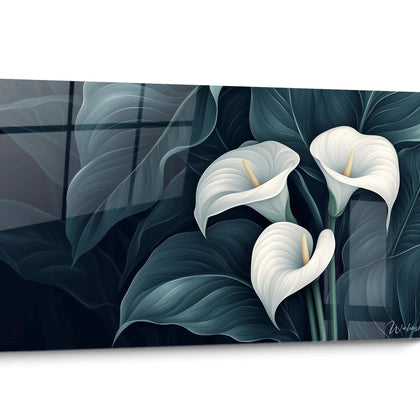 Wall Art for Zen Waiting Room24
artworks
Wall Art for Zen Waiting Room24
artworks
-
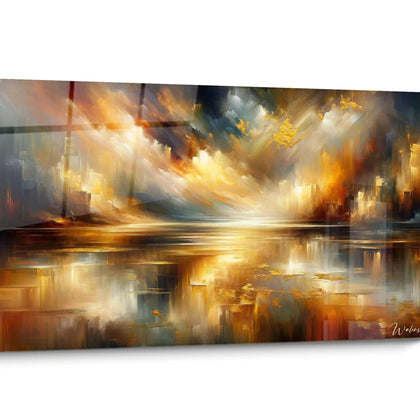 Abstract Waiting Room Wall Art23
artworks
Abstract Waiting Room Wall Art23
artworks
-
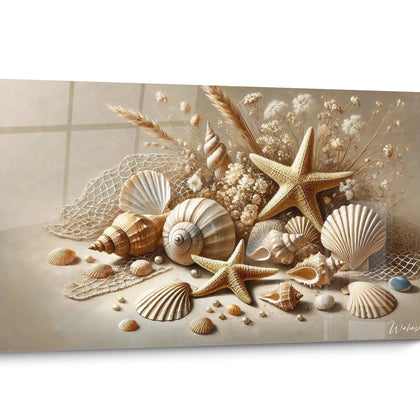 Golden Waiting Room Wall Art23
artworks
Golden Waiting Room Wall Art23
artworks
-
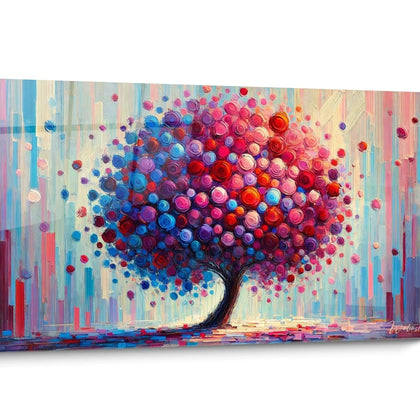 Modern Waiting Room Wall Art24
artworks
Modern Waiting Room Wall Art24
artworks
-
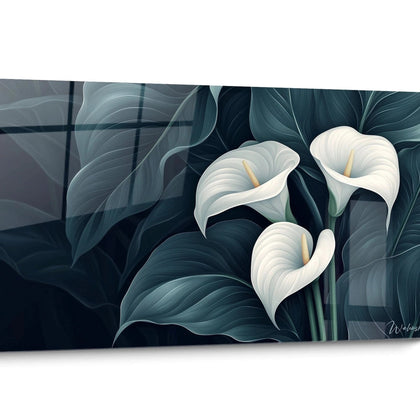 Waiting Room Wall Art Flower24
artworks
Waiting Room Wall Art Flower24
artworks
-
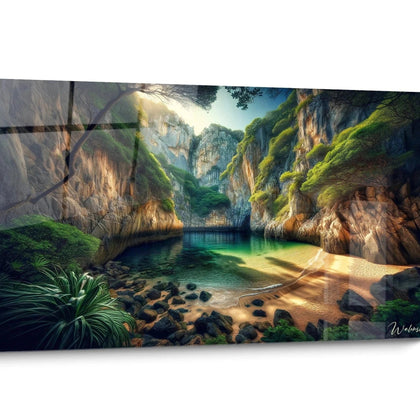 Tropical Waiting Room Wall Art24
artworks
Tropical Waiting Room Wall Art24
artworks
-
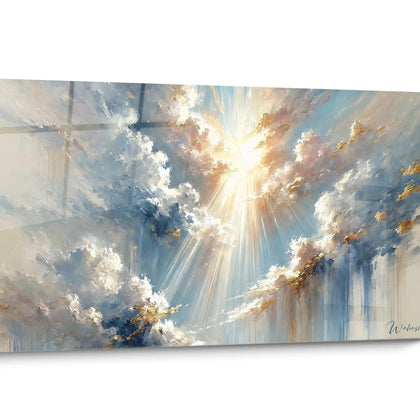 Waiting Room Wall Art Sunset24
artworks
Waiting Room Wall Art Sunset24
artworks
-
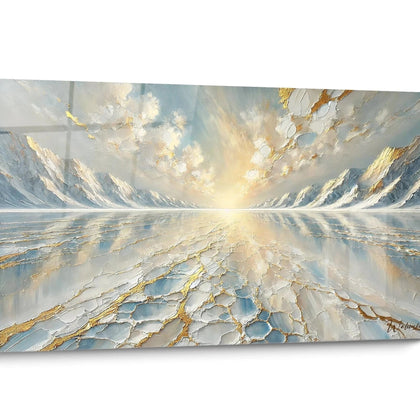 Mountain Wall Art for Waiting Room12
artworks
Mountain Wall Art for Waiting Room12
artworks
-
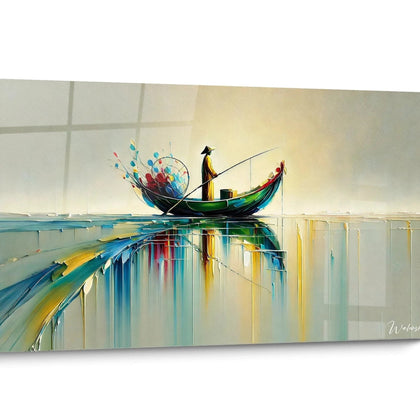 Marine Waiting Room Wall Art23
artworks
Marine Waiting Room Wall Art23
artworks
-
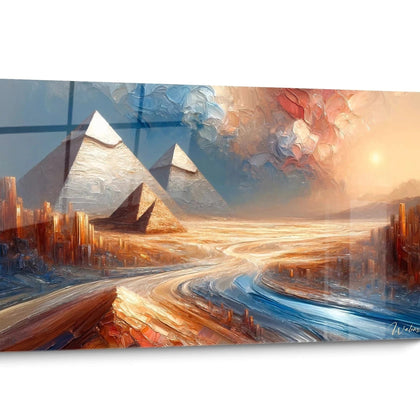 Desert Waiting Room Wall Art6
artworks
Desert Waiting Room Wall Art6
artworks
-
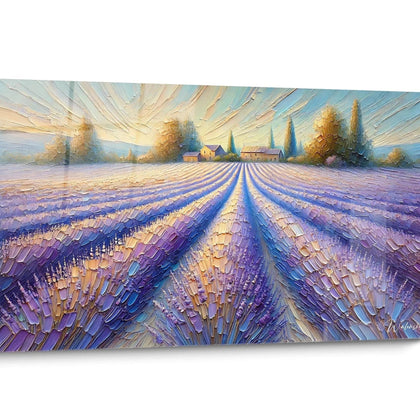 Rustic Waiting Room Wall Art9
artworks
Rustic Waiting Room Wall Art9
artworks
-
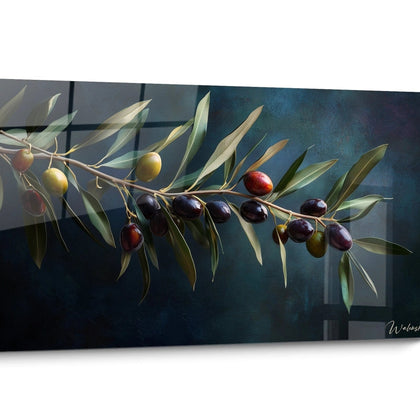 Mediterranean Waiting Room Wall Art10
artworks
Mediterranean Waiting Room Wall Art10
artworks
-
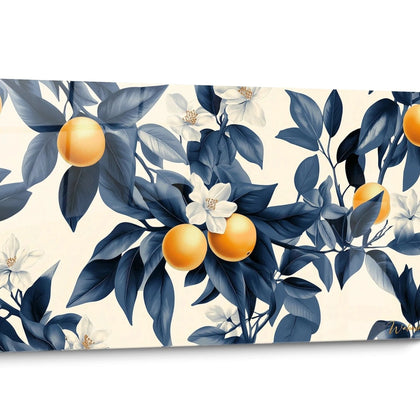 Vintage Waiting Room Wall Art6
artworks
Vintage Waiting Room Wall Art6
artworks

All about Landscape Waiting Room Wall Art
- Painting Landscape Presentation
- Natural Evocation
- Patient Soothing
- Decor Selection
A landscape painting for a waiting room instantly transforms the medical atmosphere by creating a welcome visual escape. These large horizontal compositions offer patients a soothing focal point that contrasts with the clinical environment. The landscape orientation maximizes visual impact in waiting areas, where walls generally have a greater width than height. These large-scale works naturally capture the eye and facilitate mental relaxation during periods of medical anticipation.
The Psychological Impact of Natural Panoramas in a Medical Setting
Environmental studies demonstrate that visual exposure to natural scenes significantly reduces physiological stress markers. A landscape painting for a waiting room reproducing natural expanses activates involuntary relaxation mechanisms in anxious patients. Distant horizons, green valleys, or marine coastlines trigger a measurable parasympathetic response, decreasing blood pressure and slowing heart rate.
Why do panoramic formats amplify the effect of mental escape?
The horizontal format widens the peripheral field of vision, creating a greater sense of immersion than vertical orientations. This configuration exploits our natural binocular perception, generating increased spatial depth. Panoramic compositions of large dimensions exceeding 120 centimeters sufficiently encompass the visual space to trigger mental projection, temporarily transporting the patient out of the medical context. This cognitive escape proves particularly beneficial in specialty clinics generating apprehension.
The Optimal Landscape Elements for a Healthcare Environment
Prioritize representations featuring subtle moving water, clear horizons, and pronounced depth of field. Forest scenes with open perspectives, undulating meadows under an expansive sky, or tranquil shorelines present the highest soothing coefficients. Avoid overly dramatic compositions with abrupt cliffs or choppy seas that can subtly reinforce anxiety. A painting for a waiting room representing rolling countryside landscapes or serene mountain lakes offers the best balance between visual interest and tranquility.
Environmental Color Therapy Applied to Waiting Rooms
Dominant green tones stimulate psychological regeneration and symbolize growth, reassuring elements in a therapeutic context. Azure blues evoke openness and breathing, counterbalancing the sometimes confined atmosphere of waiting rooms. Large-scale compositions allow sufficient chromatic saturation to positively influence collective mood without overloading the space. The alternation of light and shadow areas within the landscape painting maintains visual attention while preserving a restful effect, unlike too static monochromatic blocks.
Spatial Optimization and Strategic Positioning in a Waiting Room
The placement of a painting for a waiting room requires a precise analysis of the visual trajectories of seated patients. The horizontal orientation ideally adapts to wall areas facing rows of seats, maximizing simultaneous visibility for multiple people. Large horizontal dimensions create a dominant visual axis that structures the space and naturally guides the eye to a calming focal point rather than to consultation doors that generate anxiety.
How to calculate the ideal proportions according to your room configuration?
Measure the average distance between the seats and the display wall: for a typical waiting room setback of 2.5 to 4 meters, prioritize formats exceeding 140 centimeters in width. This scale guarantees sufficient visual presence without requiring any focal effort. The optimal height-to-width ratio is around 1:2 or 1:2.5, harmoniously echoing the rectangular proportions of standard waiting areas. These generous dimensions allow for the appreciation of details even from the side seats, unlike modest formats which become indistinct in peripheral vision.
The Alternative to Geometric Compositions in Medical Environments
While some practitioners opt for abstract paintings for waiting rooms, landscape representations offer immediate and universal recognition. This instant familiarity eliminates any interpretive effort, crucial for potentially concerned or elderly patients. Natural scenes transcend cultural and generational barriers, ensuring a positive reception among a diverse patient population. Landscape iconography spontaneously conveys positive associations without requiring intellectual decoding, unlike compositions requiring specific artistic appreciation.
Coordination with the Interior Architecture of Care Spaces
The neutral tones typical of medical environments – whites, light grays, sanitary beiges – create an ideal backdrop for a landscape painting with saturated natural colors. This juxtaposition generates a revitalizing contrast without visual aggression. The horizontal lines of the panoramic format resonate with the linear arrangement of rows of seats and architectural elements, creating a soothing spatial coherence. For rooms with standard ceilings (2.40-2.70 meters), position the visual center of the painting between 145 and 160 centimeters from the floor, aligned with the eye level of a seated person.
Selection Criteria for a Sustainable Investment in Medical Decoration
Acquiring a landscape painting for a waiting room constitutes a long-term investment in the patient experience and professional image. Large dimensions require robust supports guaranteeing permanent stability against daily passage and vibrations. Prioritize works mounted on rigid structures resistant to the variable humidity of public spaces, with surface treatments facilitating regular maintenance without chromatic alteration.
What Material Resistance for Intensive Professional Use?
Medical environments impose specific constraints: frequent cleaning with disinfectants, thermal variations related to air conditioning systems, prolonged exposure to artificial lighting. Look for prints with anti-UV treatments preserving the intensity of green and blue tones characteristic of natural landscapes. Protective coatings allowing regular wet wiping are essential to maintain visual hygiene. A professional-grade painting for a waiting room retains its aesthetic impact for 8 to 12 years of continuous exposure, thus amortizing the initial investment.
Landscape Themes Adapted to Different Medical Specialties
Customize the selection according to your field of practice: pediatricians will prefer bright, floral meadows evoking play and vitality; cardiologists will opt for fluid aquatic scenes symbolizing harmonious circulation; dermatologists will choose springtime landscapes embodying renewal. This subtle thematic consistency subconsciously reinforces patients' trust in the practitioner's expertise. General practitioners' offices benefit from balanced, temperate landscapes, universally reassuring and suitable for all age groups.
How much to invest for a measurable qualitative impact on patient anxiety?
Satisfaction studies show that a well-cared-for waiting room environment reduces the perception of waiting time by 20 to 35%. A painting landscape of large dimension constitutes the dominant visual element structuring this positive perception. The allocated budget should reflect the covered surface area and the quality of reproduction: for formats exceeding 140 centimeters, anticipate an investment proportional to the desired durability and psychological impact. This expense is analyzed as a professional tool that directly improves the patient experience and positively differentiates your office from structures with clinically bare walls.
Installation and Securing for Public Reception Areas
Safety regulations for public reception areas require certified fixing systems for large-format wall elements. Use suspension devices distributing the weight over several anchor points, with anti-fall securing compliant with regulations. For pediatric waiting rooms, ensure the absence of protruding elements at children's height. Professional installation not only guarantees safety but also the optimal positioning highlighting the compositional qualities of the chosen landscape painting.
Is a landscape painting for a waiting room suitable for small offices?
Absolutely, the illusion of depth created by landscape perspectives paradoxically generates an impression of spatial enlargement. In restricted spaces, a large horizontal format attracts the gaze towards the represented horizon rather than the physical limits of the room, creating a visual opening compensating for the actual compactness.
What is the renewal frequency to maintain the soothing effect of a landscape painting for a waiting room?
Unlike information supports requiring frequent updates, a timeless landscape retains its effectiveness for years. Regular patients appreciate this reassuring constancy. Consider a renewal every 5 to 7 years to refresh the environment, or during major office renovations.
Do landscape paintings for waiting rooms work with all architectural styles of offices?
The iconographic neutrality of natural scenes harmonizes with contemporary, minimalist interiors as well as with warm, traditional layouts. Simply adjust the chromatic treatment: saturated, vibrant tones for modern, minimalist spaces, soft, nuanced tones for classic, wooden decors. This aesthetic versatility explains their massive adoption in medical settings.
L'art qui suscite l'envie
Maison belge d'art mural grand format
14 jourspour changer d'avis*
Protection Walenskyincluse
Fabriquéen Italie
FormatXXL
Kit de fixationtoujours fourni
* Hors tableaux personnalisés et tailles personnalisées


