


Modern Waiting Room Wall Art
Our Painting for Waiting Room Modern collection transforms your reception areas into inspiring and sophisticated spaces. Specifically designed for medical offices, offices and professional establishments, this selection of contemporary art for professionals combines clean aesthetics and visual serenity. Each soothing wall decoration for medical office creates a relaxing atmosphere that enhances your image while reassuring your visitors.
 Joy Tree Wall Art - Nature Tree Edition273,90 €
 Poppy Wall Art No.8 - Nature Edition273,90 €
 Poppy Painting No.7 - Nature Edition273,90 €
 Poppy Painting No.6 - Nature Edition273,90 €
 Poppy Painting No. 5 - Nature Edition273,90 €
 Poppy Painting No. 4 - Nature Edition273,90 €
 Poppy Flower Wall Art No. 3 - Nature Edition273,90 €
 Red Poppy Painting No. 2 - Nature Edition273,90 €
 Poppy Painting No. 1 - Nature Edition273,90 €
 Mushroom Painting No.1 - Nature 2 Edition273,90 €
 Canna Wall Art No. 2 - Nature Edition273,90 €
 Canna Wall Art No. 1 - Nature Edition 2273,90 €
 Birch Wall Art No. 2 - Nature Edition273,90 €
 Birch Painting No. 1 - Nature Edition 2273,90 €
 Baobab Painting No. 1 - Nature Edition273,90 €
 Golden Cascade Canvas - Cascade Nature Edition273,90 €
 Desert Twilight Canvas - Sunset Landscape Edition273,90 €
 Azure Mist Wall Art - Abstract Seascape Edition273,90 €
 Midnight Blue Painting - Abstract Flower Edition273,90 €
 Natural Complexity Canvas - Nature Edition273,90 €
 Natural Brilliance Canvas - Nature Edition273,90 €
 Golden Reflections City Wall Art - Abstract Edition273,90 €
 Pastel Aurora Wall Art - Abstract Edition273,90 €
 Dawn Over Eternal Dunes - Signature Edition273,90 €
Explore further
In Modern Waiting Room Wall Art
-
 Wall Art for Waiting Room372
artworks
Wall Art for Waiting Room372
artworks
-
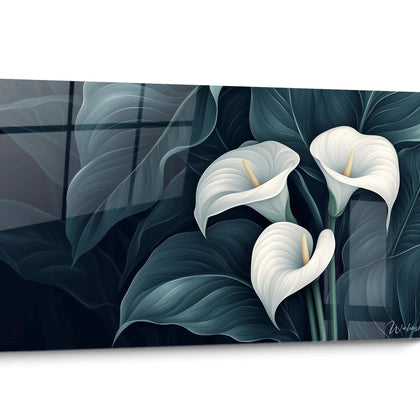 Wall Art for Zen Waiting Room24
artworks
Wall Art for Zen Waiting Room24
artworks
-
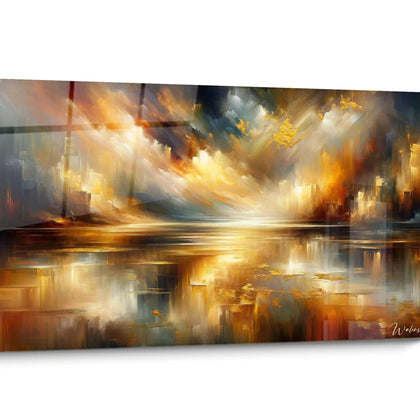 Abstract Waiting Room Wall Art23
artworks
Abstract Waiting Room Wall Art23
artworks
-
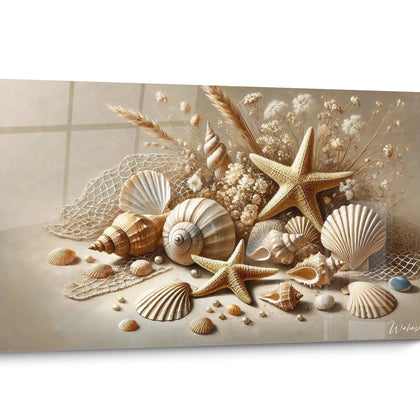 Golden Waiting Room Wall Art23
artworks
Golden Waiting Room Wall Art23
artworks
-
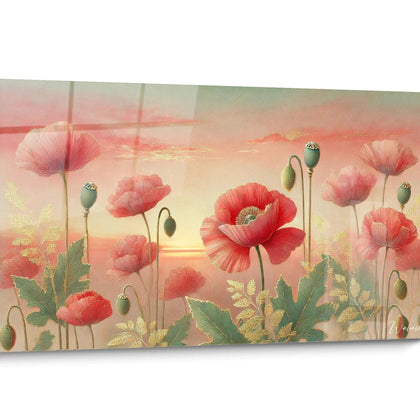 Landscape Waiting Room Wall Art24
artworks
Landscape Waiting Room Wall Art24
artworks
-
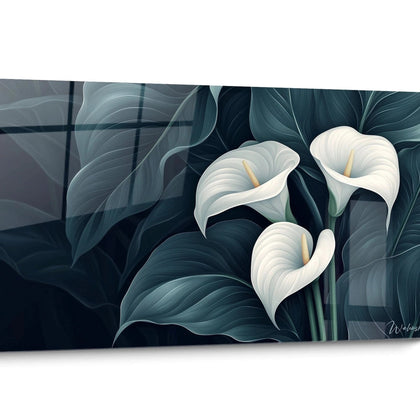 Waiting Room Wall Art Flower24
artworks
Waiting Room Wall Art Flower24
artworks
-
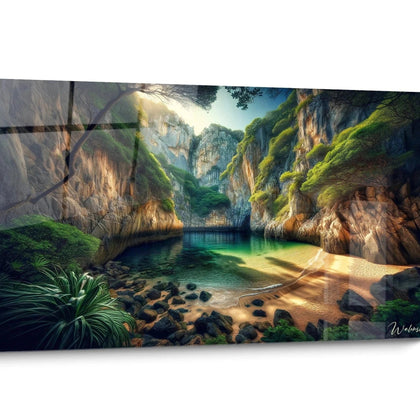 Tropical Waiting Room Wall Art24
artworks
Tropical Waiting Room Wall Art24
artworks
-
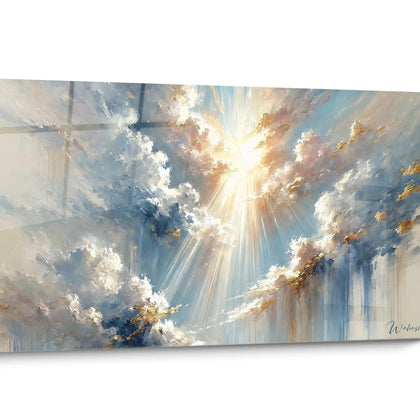 Waiting Room Wall Art Sunset24
artworks
Waiting Room Wall Art Sunset24
artworks
-
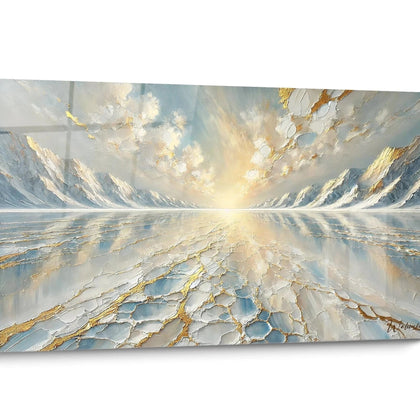 Mountain Wall Art for Waiting Room12
artworks
Mountain Wall Art for Waiting Room12
artworks
-
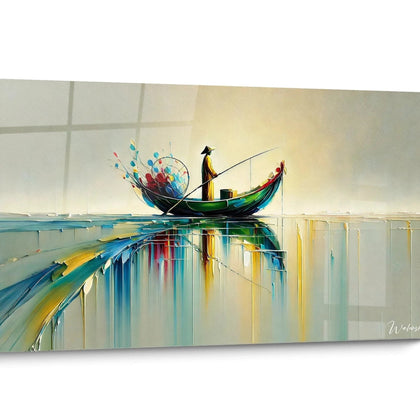 Marine Waiting Room Wall Art23
artworks
Marine Waiting Room Wall Art23
artworks
-
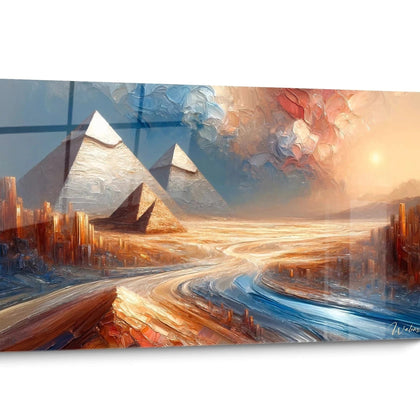 Desert Waiting Room Wall Art6
artworks
Desert Waiting Room Wall Art6
artworks
-
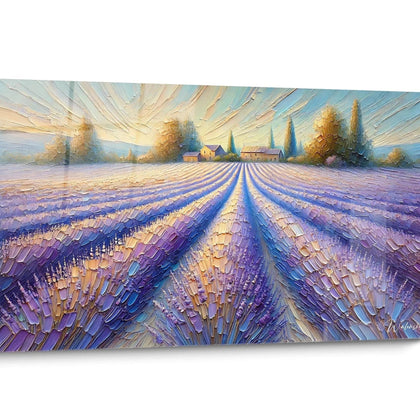 Rustic Waiting Room Wall Art9
artworks
Rustic Waiting Room Wall Art9
artworks
-
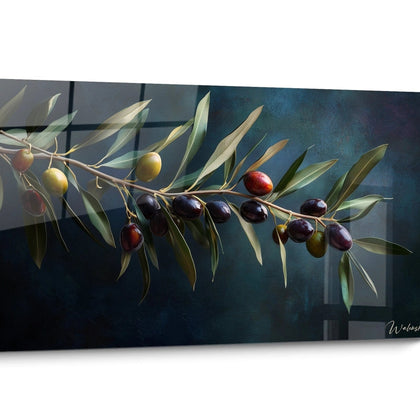 Mediterranean Waiting Room Wall Art10
artworks
Mediterranean Waiting Room Wall Art10
artworks
-
 Vintage Waiting Room Wall Art6
artworks
Vintage Waiting Room Wall Art6
artworks

All about Modern Waiting Room Wall Art
- Presentation Wall Painting for Modern Waiting Room
- Contemporary Medical Design
- Psychological Impact on Patient
- Strategic Professional Choice
A wall painting for a modern waiting room radically transforms the patient experience in contemporary medical spaces. These large-format artistic creations meet the specific requirements of healthcare professional environments, combining soothing aesthetics and hospital durability. The visual arrangement of medical reception areas requires a careful approach to reduce preoperative anxiety, optimize perceived waiting time, and project a reassuring professional image. Modern medical facilities now prefer sophisticated visual compositions that harmonize with the contemporary architecture of dental offices, private clinics, and dermatology centers.
Minimalist Aesthetics Serving the Medical Environment
The wall painting for a modern waiting room is part of a refined architectural approach that characterizes the next generation of medical facilities. Monumental formats create strategic focal points that divert attention from anxiety-inducing medical equipment. Gentle geometric compositions and neutral color palettes blend perfectly with Scandinavian furniture and antimicrobial surfaces that equip contemporary reception areas.
What color therapy should be prioritized to reduce preoperative stress?
The bluish hues and desaturated green tones have a measurable influence on reducing the heart rate of waiting patients. Studies in environmental psychology demonstrate that a wall painting for a modern waiting room with soothing dominant colors can reduce the perception of waiting time by up to 23%. Compositions with flowing lines and gradual color transitions promote eye relaxation, particularly beneficial in ophthalmology clinics and aesthetic medicine centers.
Architectural integration into dermatology care spaces
Modern dermatology clinics exploit panoramic formats to create a visual continuity with their glazed facades. A large-scale wall painting for a modern waiting room dialogues with the zenithal lighting and translucent partitions characteristic of these spaces. For more dynamic atmospheres, an abstract wall painting offers stimulating visual compositions that capture attention without generating anxiety.
How to adapt the visual scale to contemporary medical volumes?
Medical receptions with cathedral ceilings require proportionate dimensions that balance generous volumes. A minimum format of 180x120cm is essential to maintain a consistent visual presence in the reception halls of private clinics. The rule of architectural thirds recommends that the artwork occupies approximately 35% of the available wall surface to create an optimal impact without visually saturating the medical space.
The Neuropsychological Impact on Patient Experience
A wall painting for a modern waiting room is a passive therapeutic tool that significantly influences the psychological well-being of patients. Research in neuroaesthetics reveals that harmonious visual compositions activate reward circuits in the brain, releasing endorphins that naturally counteract medical anxiety. This functional dimension transforms decoration into a true strategy for stress management before surgery.
What visual motifs reduce aggression in modern pediatrics?
Contemporary pediatric clinics are abandoning childish illustrations in favor of sophisticated geometric compositions that respect the visual intelligence of young patients. A painting for a modern waiting room with soft organic shapes captures attention without infantilizing, creating a reassuring environment for adolescents who are often reluctant to medical consultations. Repetitive visual rhythms exert a mild hypnotic effect that facilitates emotional regulation.
Optimizing the visual pathway in orthodontics
Orthodontic waiting rooms primarily welcome young patients for extended periods. The strategic placement of a large-format painting facing the seating creates a meditative visual window that reduces the agitation characteristic of this patient population. Compositions with suggested perspectives generate an illusory depth particularly appreciated in constrained medical spaces.
How to neutralize medical odors through sensory distraction?
The visual dominance of a painting for a modern waiting room creates a sensory hierarchy that attenuates the perception of unpleasant olfactory stimuli. This attentional capture diverts the nervous system from negative associations linked to medical environments. Visually complex compositions maintain cognitive engagement, thus reducing the anxious rumination typical of medical waiting.
Decorative Investment and Professional Positioning
Acquiring a painting for a modern waiting room constitutes a strategic investment in the visual identity of high-end medical establishments. Patients subconsciously evaluate professional competence through the quality of the welcome environment. A sophisticated contemporary artwork signals an innovative medical practice, particularly valued in aesthetic medicine and reconstructive surgery where the practitioner's visual expertise is scrutinized.
What durability should be required for use in a hospital setting?
Healthcare constraints impose surfaces resistant to frequent disinfection protocols. A painting for a modern waiting room must withstand daily cleaning with hydroalcoholic solutions without chromatic alteration. Museum-quality finishes guarantee optimal performance when exposed to prolonged light exposure in largely glazed medical spaces, preserving the initial investment over several decades.
The tax amortization of medical art acquisitions
Healthcare professionals benefit from specific tax advantages for the acquisition of artworks intended for patient areas. A painting for a modern waiting room falls into the category of depreciable assets, allowing for a spread deduction that optimizes the tax burden. This financial dimension transforms decorative investment into a leverage for patrimonial management for medical practices in an expansion phase.
How to visually differentiate a premium medical practice?
Clinics positioned in the higher price segments exploit decoration as a marker of professional distinction. A large-format painting for a modern waiting room immediately signals the qualitative positioning, psychologically justifying the high fees. This consistency between environment and pricing reinforces patient satisfaction and reduces fare disputes.
Is a painting for a modern waiting room suitable for small medical practices?
Absolutely, vertical formats intelligently exploit the often underutilized ceiling height in small medical spaces. A slender composition of 120x80cm creates a significant visual presence without cluttering the essential patient circulations in constrained reception areas.
What is the renewal frequency for a wall art piece for a modern waiting room?
Medical facilities typically renew their decor every 7 to 10 years, synchronizing these investments with architectural renovation cycles. This periodicity maintains a contemporary image aligned with the aesthetic evolutions of the medical sector.
How to integrate a wall art piece for a modern waiting room into a historic practice?
The architectural contrast between old building and contemporary creation generates a valuable aesthetic tension. The modern artwork dialogues with the classical moldings, creating a unique visual signature that differentiates the practitioner while respecting the architectural heritage.
Further reading


