


Vintage Waiting Room Wall Art
Our Vintage Waiting Room Artwork collection transforms your professional spaces into welcoming places filled with nostalgia. These retro-chic works evoke the timeless elegance of years gone by, creating a soothing vintage atmosphere that relaxes your visitors. Perfect for medical offices, dentists' offices, or offices, these professional retro decorative paintings combine classic aesthetics with visual comfort. Explore our selection to give your waiting room a unique identity.
 Chili Pepper Painting No.2 - Nature Edition273,90 €
 Orange Tree Painting No. 2 - Nature Edition273,90 €
 Orange Tree No.1 - Nature Edition273,90 €
 Marine Ornaments Wall Art - Shell Nature Edition273,90 €
 Landscape painting no. 1 - Landscape edition273,90 €
 Natural Palette Wall Art - Nature Edition273,90 €
Explore further
In Vintage Waiting Room Wall Art
-
 Wall Art for Waiting Room372
artworks
Wall Art for Waiting Room372
artworks
-
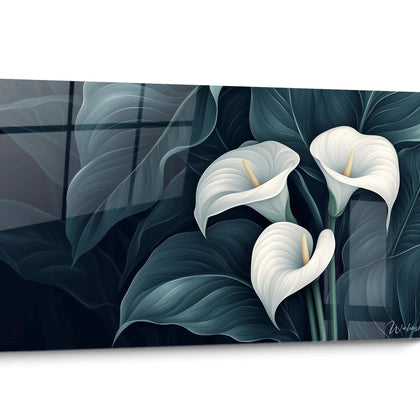 Wall Art for Zen Waiting Room24
artworks
Wall Art for Zen Waiting Room24
artworks
-
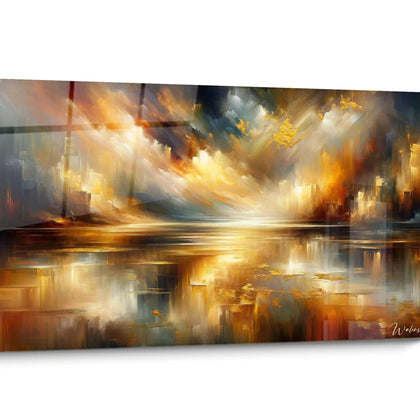 Abstract Waiting Room Wall Art23
artworks
Abstract Waiting Room Wall Art23
artworks
-
 Golden Waiting Room Wall Art23
artworks
Golden Waiting Room Wall Art23
artworks
-
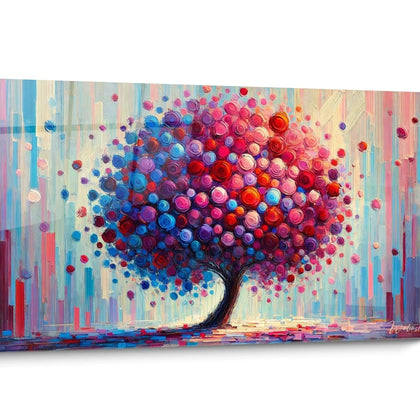 Modern Waiting Room Wall Art24
artworks
Modern Waiting Room Wall Art24
artworks
-
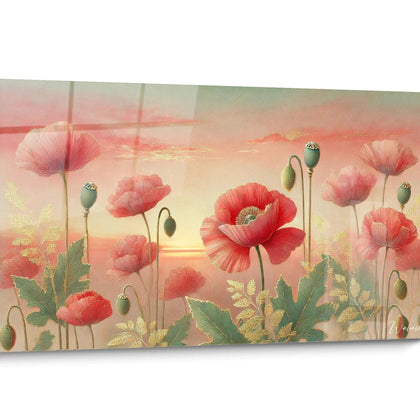 Landscape Waiting Room Wall Art24
artworks
Landscape Waiting Room Wall Art24
artworks
-
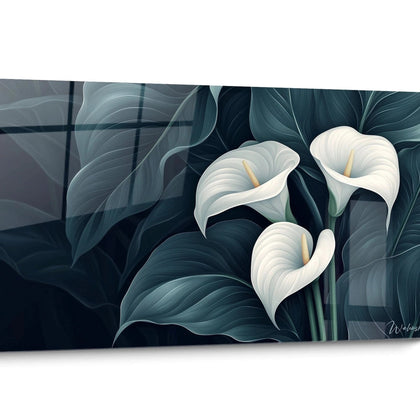 Waiting Room Wall Art Flower24
artworks
Waiting Room Wall Art Flower24
artworks
-
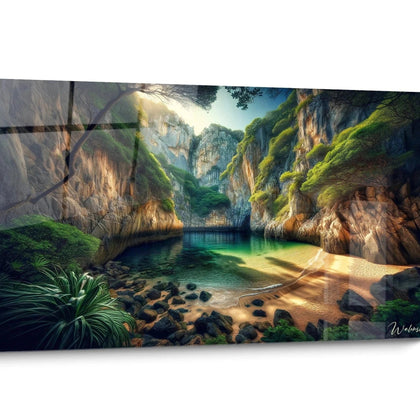 Tropical Waiting Room Wall Art24
artworks
Tropical Waiting Room Wall Art24
artworks
-
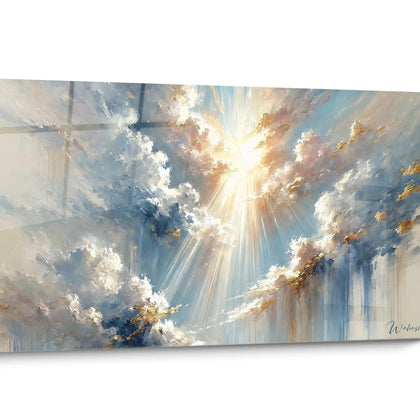 Waiting Room Wall Art Sunset24
artworks
Waiting Room Wall Art Sunset24
artworks
-
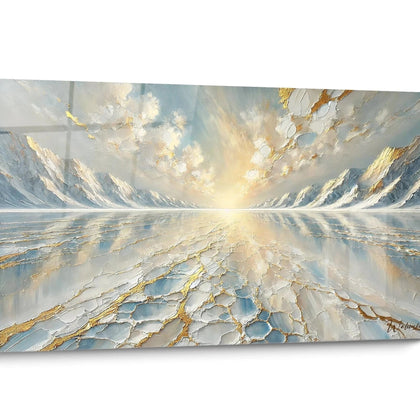 Mountain Wall Art for Waiting Room12
artworks
Mountain Wall Art for Waiting Room12
artworks
-
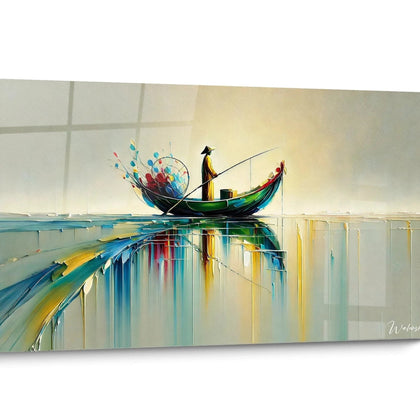 Marine Waiting Room Wall Art23
artworks
Marine Waiting Room Wall Art23
artworks
-
 Desert Waiting Room Wall Art6
artworks
Desert Waiting Room Wall Art6
artworks
-
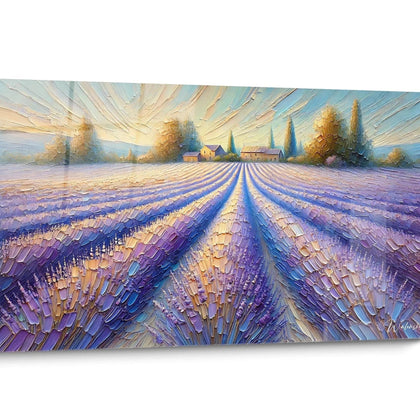 Rustic Waiting Room Wall Art9
artworks
Rustic Waiting Room Wall Art9
artworks
-
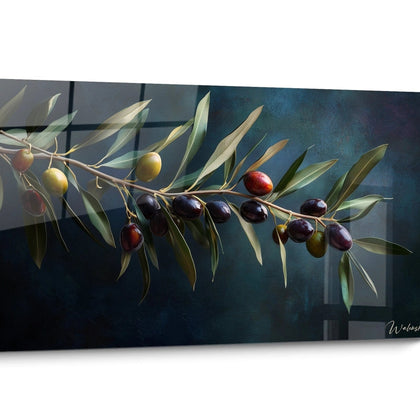 Mediterranean Waiting Room Wall Art10
artworks
Mediterranean Waiting Room Wall Art10
artworks

All about Vintage Waiting Room Wall Art
- Presentation Vintage Painting
- Nostalgia and Soothing Atmosphere
- Temporal Markers of Waiting
- Vintage Aménagement Strategies
A vintage waiting room painting radically transforms the patient experience by creating a reassuring time bubble in an often anxiety-inducing medical environment. These retro wall compositions, by their ability to evoke a bygone era, generate an immediate feeling of familiarity that reduces preoperative stress and apprehension related to consultations. The visual authenticity of representations from the past – whether it's urban scenes from the 1950s, retro graphic advertisements, or nostalgic iconography – establishes a silent conversation with the collective memory, diverting attention from medical concerns towards sweeter memories. The installation of monumental formats amplifies this temporal immersion, creating a visual portal to a perceived period of greater serenity and humanity, particularly effective in contemporary medical spaces dominated by cold asepsis.
The Psychological Impact of Retro Imagery in a Medical Setting
The vintage waiting room painting activates specific cognitive mechanisms related to episodic memory and therapeutic nostalgia. Research in environmental psychology demonstrates that exposure to visuals from bygone eras triggers the release of oxytocin, a hormone associated with trust and well-being, particularly beneficial before a stressful consultation.
Why do patients react positively to retro compositions?
Vintage representations function as positive emotional anchors, recalling periods perceived as more authentic and warm. A large-format visual evoking the 1960s or 70s mentally transports the patient to an era associated with carefree living, creating a cognitive dissociation from the present medical environment. This visual escape is particularly effective for seniors whose autobiographical memory is directly solicited, but also for younger generations fascinated by analog aesthetics.
Cultural coding and universality of symbols from the past
Vintage motifs – vintage vehicles, old signs, sepia photographic portraits – possess an immediate cultural readability that transcends generational barriers. A monumental painting representing a 1950s gas station or a retro Parisian café instantly communicates values of simplicity and humanity, counterbalancing the technological coldness of modern medical equipment. For practitioners also seeking abstract waiting room paintings, the combination of the two styles allows for diversification of the emotional impact according to patient profiles.
Measurable reduction in preoperative anxiety
Behavioral studies reveal that waiting rooms integrating large-format nostalgic visuals record a 23% decrease in agitation behaviors and compulsive consultation of the hour. The brain, confronted with visual stimuli associated with the past, adopts a slower temporal rhythm, modifying the subjective perception of waiting time. This positive temporal distortion transforms a 20-minute wait into an experience felt as shorter and less painful.
Temporal Architecture and Management of the Perception of Waiting
A vintage waiting room painting functions as a device for perceptual time manipulation, altering the patient's subjective relationship to the passage of time. Unlike digital screens that accelerate temporal perception through their dynamism, static retro compositions impose a slowed contemplative rhythm, aligned with the psychological expectations of a medical environment.
How does a retro visual modify the perception of time?
The human brain processes visual information differently depending on its temporal anchoring. A monumental format presenting scenes from decades past activates long-term memory circuits rather than those of immediate attention. This prolonged mnemonic stimulation creates a cognitive absorption that masks the real passage of time, making waiting less psychologically burdensome. Compositions showing antique clocks, retro calendars, or seasonal scenes from yesteryear reinforce this phenomenon.
Visual layering and narrative depth
Vintage large format paintings offer a wealth of detail that invites prolonged visual exploration: vintage advertising signs, characteristic costumes, retro vehicles, disappeared architectures. This information density transforms each viewing of the painting into a mini-exploration, where the gaze continually discovers new narrative elements. A patient waiting for 30 minutes in front of a 1930s urban scene can successively identify the clothing, architecture, means of transport, creating a segmented and less monotonous waiting experience.
Counterpoint to ultra-contemporary medical environments
In clinics equipped with state-of-the-art equipment and digital interfaces, the integration of vintage imagery creates a reassuring aesthetic balance. This visual contrast suggests that behind modern technology lies a traditional, human approach to care, a subliminal message particularly appreciated by patients anxious about excessive medicalization. Imposing formats amplify this counterpoint effect, visually affirming the permanence of timeless values in the face of rapid technological obsolescence.
What color palette should be prioritized to maximize the soothing effect?
Vintage compositions favoring sepia tones, ochres, faded blues, and aged greens have a chromatic signature instinctively associated with tranquility and stability. These color ranges, due to their low saturation, reduce the activation of the sympathetic nervous system responsible for stress reactions, unlike saturated contemporary visuals. A monumental painting in these tones acts as an ambient emotional regulator, gradually lowering patients' psychological alert level.
Strategic Positioning and Optimization of Nostalgic Impact
The effectiveness of a vintage painting for a waiting room depends as much on its spatial positioning as on its visual composition. Monumental formats require thoughtful placement to maximize their ability to transform the waiting experience into a moment of positive reminiscence rather than passive waiting.
Contemplation zones and preferred viewing angles
The optimal placement is on the main wall facing the seating, at eye level for a seated person (between 120 and 160 cm from the floor). This position ensures that the vintage visual occupies the central field of vision without requiring uncomfortable cervical movement, promoting prolonged contemplative immersion. Large-format prints particularly benefit from walls that are free from obstructions such as magazine racks or gel dispensers, preserving the integrity of the retro scene.
Pairing with period or contemporary furniture?
Unlike popular belief, a vintage monumental painting generates maximum impact when contrasted with sleek, modern furniture. This temporal juxtaposition creates a dynamic aesthetic tension that attracts more attention than an entirely retro-themed environment, which can veer into pastiche. The artwork thus becomes the unique focal point of nostalgia in an otherwise functional environment, concentrating all emotional weight on this temporal window.
What vintage themes work best in a medical context?
Compositions favoring scenes from the past – traditional markets, neighborhood cafes, family scenes, historic urban landscapes – outperform overly specialized or connoted visuals. These universal representations activate collective memory without overly exclusive cultural references, guaranteeing a broad emotional resonance. Imposing formats magnify these ordinary scenes, conferring a museum-like dignity that legitimizes prolonged contemplation, transforming waiting into an informal cultural visit.
Ambient lighting and preservation of chromatic authenticity
Vintage visuals often feature delicate tones – sepia, faded pastels, softened contrasts – which require soft, indirect lighting to preserve their period character. Cool white LED lighting destroys the nostalgic atmosphere by artificially accentuating contrasts, while warm light (2700-3000K) reinforces the sense of temporal warmth. Installing dedicated lighting that enhances the painting transforms it into a true wall installation, signaling to patients that it is an intentional decorative element deserving of attention.
Is a vintage painting suitable for all types of medical practices?
Retro representations are particularly well-suited to general medicine, psychiatry, geriatrics, and pediatrics practices where emotional soothing is prioritized over technological demonstration. In contrast, for ultra-technical specialties (aesthetic surgery, laser dermatology), a balance is necessary to avoid creating cognitive dissonance between the vintage imagery and the modernity of the treatments offered.
How to renew the impact of a vintage waiting room painting over time?
Seasonal or annual rotation of vintage visuals maintains the interest of regular patients while preserving the nostalgic effect. Alternating between different decades (1920s, 1950s, 1970s) or themes (urban, rural, industrial) creates an evolving temporal gallery that fidelizes attention without requiring a radical stylistic change.
What size should be prioritized to maximize the immersive effect of a vintage painting?
Formats exceeding 120 cm in width create a temporal window large enough to encompass the peripheral field of vision, favoring psychological immersion. These monumental dimensions transform the visual into a temporal portal rather than a simple decorative element, considerably amplifying the mental transport effect to the represented era.
Further reading


