


Waiting Room Wall Art Flower
Our Waiting room painting Flower collection transforms your reception areas into havens of serenity. These floral creations bring softness and elegance to your professional environment. Perfect for medical practices, clinics and offices, our floral paintings for waiting rooms create a reassuring atmosphere that relaxes your visitors. Each floral composition radiates calm and well-being. Discover Floral artwork for professionals that enhance your walls while soothing your patients' waiting time.
 Poppy Wall Art No.8 - Nature Edition273,90 €
 Poppy Painting No.7 - Nature Edition273,90 €
 Poppy Painting No.6 - Nature Edition273,90 €
 Poppy Painting No. 5 - Nature Edition273,90 €
 Poppy Painting No. 4 - Nature Edition273,90 €
 Poppy Flower Wall Art No. 3 - Nature Edition273,90 €
 Red Poppy Painting No. 2 - Nature Edition273,90 €
 Poppy Painting No. 1 - Nature Edition273,90 €
 Dahlia Wall Art No. 4 - Nature Edition273,90 €
 Dahlia Painting No.3 - Nature Edition273,90 €
 Dahlia Painting No.2 - Nature Edition273,90 €
 Dahlia Wall Art No. 1 - Nature Edition273,90 €
 Canna Wall Art No. 2 - Nature Edition273,90 €
 Canna Wall Art No. 1 - Nature Edition 2273,90 €
 Arum Wall Art N°4 - Nature Edition273,90 €
 Arum Wall Art No. 3 - Nature Edition273,90 €
 Arum Painting N°2 - Nature Edition273,90 €
 Arum Painting N°1 - Nature Edition273,90 €
 Spring Beauty Painting - Wildflower Landscape Edition273,90 €
 Ephemeral Beauty Artwork - Floral Nature Edition273,90 €
 Summer Song Artwork - Fleur Nature Edition273,90 €
 Tenderness Bouquet Painting - Nature Flower Edition273,90 €
 Midnight Blue Painting - Abstract Flower Edition273,90 €
 Meadow Song Canvas - Abstract Flower Edition273,90 €
Explore further
In Waiting Room Wall Art Flower
-
 Wall Art for Waiting Room372
artworks
Wall Art for Waiting Room372
artworks
-
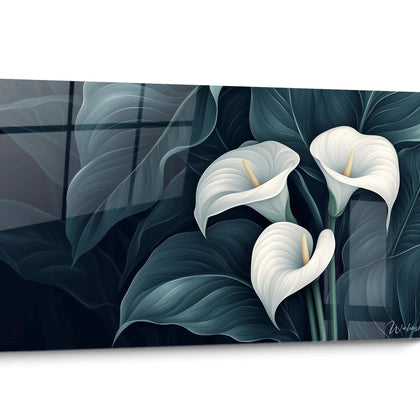 Wall Art for Zen Waiting Room24
artworks
Wall Art for Zen Waiting Room24
artworks
-
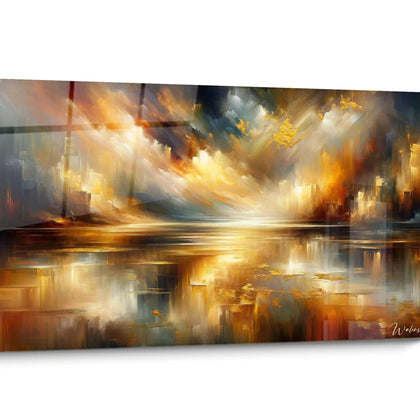 Abstract Waiting Room Wall Art23
artworks
Abstract Waiting Room Wall Art23
artworks
-
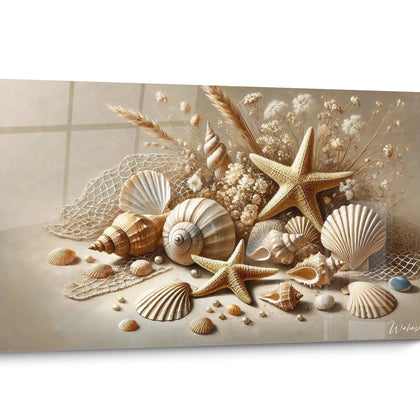 Golden Waiting Room Wall Art23
artworks
Golden Waiting Room Wall Art23
artworks
-
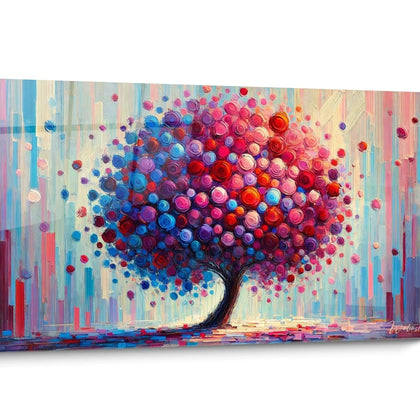 Modern Waiting Room Wall Art24
artworks
Modern Waiting Room Wall Art24
artworks
-
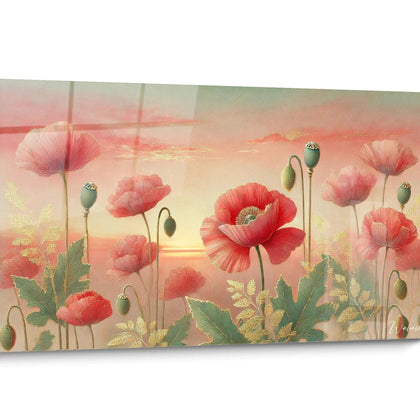 Landscape Waiting Room Wall Art24
artworks
Landscape Waiting Room Wall Art24
artworks
-
 Tropical Waiting Room Wall Art24
artworks
Tropical Waiting Room Wall Art24
artworks
-
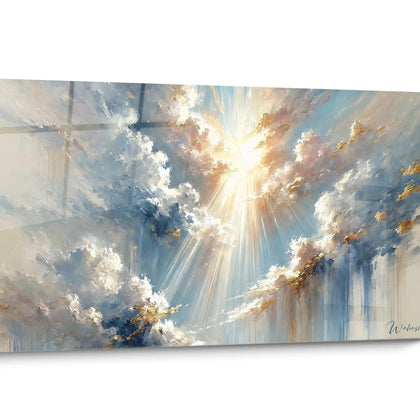 Waiting Room Wall Art Sunset24
artworks
Waiting Room Wall Art Sunset24
artworks
-
 Mountain Wall Art for Waiting Room12
artworks
Mountain Wall Art for Waiting Room12
artworks
-
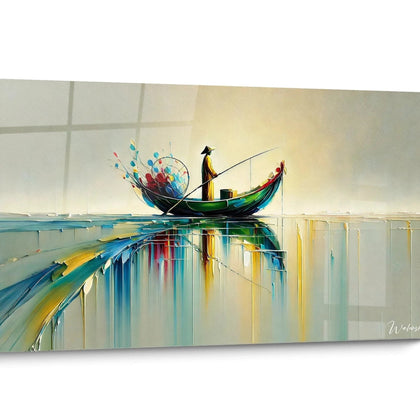 Marine Waiting Room Wall Art23
artworks
Marine Waiting Room Wall Art23
artworks
-
 Desert Waiting Room Wall Art6
artworks
Desert Waiting Room Wall Art6
artworks
-
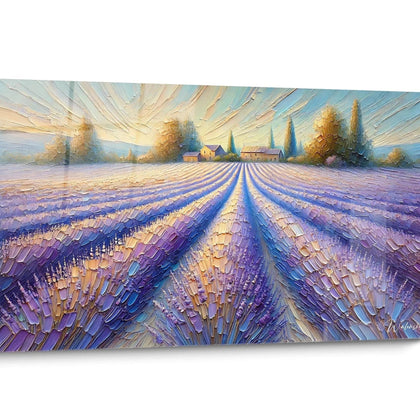 Rustic Waiting Room Wall Art9
artworks
Rustic Waiting Room Wall Art9
artworks
-
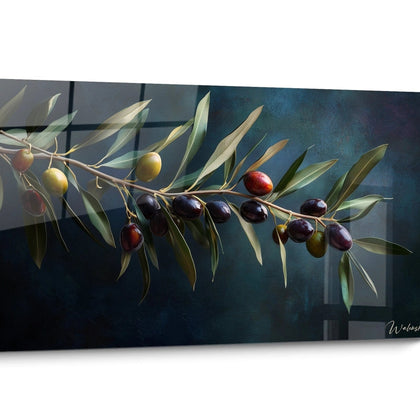 Mediterranean Waiting Room Wall Art10
artworks
Mediterranean Waiting Room Wall Art10
artworks
-
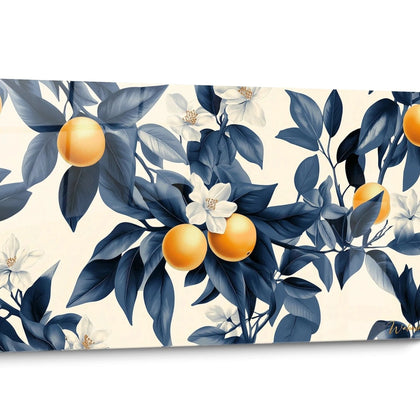 Vintage Waiting Room Wall Art6
artworks
Vintage Waiting Room Wall Art6
artworks

All about Waiting Room Wall Art Flower
- Painting Presentation Flower
- Soothing Atmosphere
- Psychological Impact
- Practical Advice
Transforming a waiting room into a relaxing space starts with choosing a flower-themed painting for the waiting room that is suitable. These large-format floral compositions instantly create a welcoming atmosphere that reduces anxiety in patients and visitors. Plant representations bring a connection with nature particularly sought after in medical, paramedical and professional environments where ambient stress can be high. The presence of floral motifs on imposing formats naturally captures the eye and offers a soothing focal point, diverting attention from concerns related to the consultation or upcoming appointment.
Creating a Reassuring Atmosphere with Floral Compositions
Installing a flower-themed painting for a waiting room responds to a well-documented therapeutic need: biophilia, this innate connection of human beings with the plant world. In a medical office, a physiotherapy center or a dental clinic, patients often arrive in a state of nervous tension. Large-scale floral compositions create an immersive effect that mentally transports to soothing gardens, flower-filled meadows or lush greenhouses.
What types of flowers should be prioritized for a waiting room medical ?
Purified orchids are suitable for contemporary and minimalist spaces, while generous peony compositions adapt to more classic environments. Fields of poppies or lavender evoke familiar reassuring landscapes. For pediatric offices, colorful daisies or cheerful sunflowers create a playful atmosphere that relaxes young patients. Delicate roses in a gradient are perfectly suited to beauty institutes and aesthetic centers.
The importance of monumental format in the visual impact
A large-size floral painting radically transforms the perception of the waiting room space. Unlike small formats that go unnoticed, an imposing floral composition of 120x80 cm or more becomes the focal point of the room. This visual presence fills the field of vision of seated people, creating a natural screen against stress. Botanical details visible even from a distance allow for contemplative observation that slows heart rate and promotes deep breathing.
Creating consistency with your professional identity
For those seeking a more conceptual approach, abstract paintings for waiting rooms offer an interesting alternative. Nevertheless, floral representations possess a universal power of immediate understanding that transcends personal aesthetic preferences. A midwife will prioritize flowers evoking motherhood like cherry blossoms symbolizing new life. A cardiologist will opt for compositions in soothing blues and purples reminiscent of harmonious blood circulation.
The Psychological Benefits of Floral Motifs in a Medical Setting
Neuroscience confirms that observing plants and flowers activates brain areas linked to well-being and safety. A flower-themed painting triggers the release of endorphins and reduces cortisol, the stress hormone. This measurable physiological reaction concretely transforms the waiting experience, particularly crucial in healthcare facilities where anxious anticipation can worsen symptoms.
How do flowers influence the perception of waiting time?
Behavioral studies reveal that patients exposed to floral representations perceive their waiting time as 20 to 30% shorter. Natural motifs offer a wealth of details that occupy the mind without tiring it: counting petals, following the curves of stems, observing nuances of colors. This positive distraction replaces ruminating anxious thoughts with active but relaxing contemplation.
The emotional mirroring effect of floral compositions
Each type of flower conveys specific emotional associations. Lotuses evoke serenity and meditation, ideal for psychology or sophrology practices. Wildflowers communicate freedom and authenticity, particularly suited to alternative and naturopathic medicines. Exotic compositions such as birds of paradise or anthuriums bring a touch of tropical escape sought after in thalassotherapy or aesthetic medicine centers.
Reducing the visual aggression of clinical environments
Traditional medical waiting rooms multiply cold surfaces: white tile, metal furniture, fluorescent lighting. A monumental floral painting introduces an organic visual texture that softens this institutional coldness. The rounded natural shapes of petals and foliage counterbalance the omnipresent right angles. Warm or pastel vegetal tones warm up white and gray tones. This sensory compensation transforms a functional impersonal space into a quasi-domestic place where patients feel safer.
Selecting and Positioning Your Floral Wall Art
The choice of a painting for a floral waiting room requires reflection on several practical dimensions. The goal is to maximize the soothing impact while respecting the specific constraints of your professional environment. The durability of materials, ease of maintenance, and resistance to the sometimes difficult conditions of public spaces are essential criteria.
Adapt the floral style to your patient base
A senior clientele will appreciate classic representations of antique roses, opulent peonies, or Dutch-style bouquets reminiscent of traditional still lifes. For a young urban clientele, prioritize graphic floral compositions, macro photographs of petals, or semi-realistic interpretations with saturated colors. International clinics will opt for universally recognized flowers such as tulips, lilies, or magnolias that transcend cultural codes.
What dimensions to choose according to the configuration of your waiting room?
For a compact space of 10-15 m², a horizontal format of 100x70 cm effectively structures the main wall without visually overwhelming the room. Medium-sized rooms of 20-30 m² ideally accommodate compositions of 120x80 cm or 140x100 cm that assert a substantial decorative presence. Large reception areas exceeding 40 m² require monumental formats of at least 160x120 cm, or even floral diptychs or triptychs creating a veritable wall garden. The painting must be visible from all seats without requiring neck movement.
Managing maintenance and longevity in a public space
Waiting rooms experience significant traffic generating dust, temperature variations, and sometimes projections. Prioritize protective anti-UV coatings that preserve the floral colors from fading caused by natural light from windows. Satin finishes facilitate regular dusting necessary to maintain the brilliance of the botanical details. Avoid areas near radiators or air conditioners whose direct airflow accelerates material degradation.
Where to position a floral wall art for a waiting room to maximize its soothing effect?
Install your floral composition on the wall directly visible from the entrance, creating an immediate welcoming first impression. The ideal placement puts the center of the artwork 150-160 cm from the floor, corresponding to the eye level of a seated person. Avoid placing it above cluttered furniture that fragments visual attention.
Is a floral painting suitable for all types of medical practices?
Floral compositions universally adapt to all medical specialties, from dental clinics to radiology centers. Only ultra-technical environments like operating rooms prefer a complete absence of decoration. For other spaces, simply adjust the floral style: understated for general medicine, colorful for pediatrics, sophisticated for cosmetic surgery.
How to combine multiple floral paintings in a large waiting room?
For spaces exceeding 50 m², create a consistent visual journey by installing two to three complementary floral compositions. Prioritize harmonized color palettes rather than identical ones: different varieties of flowers sharing the same pink-mauve or yellow-orange tones. Alternate the scale of the planes: a petal macro photograph, a bouquet in a vase, a panoramic flowering field.


