

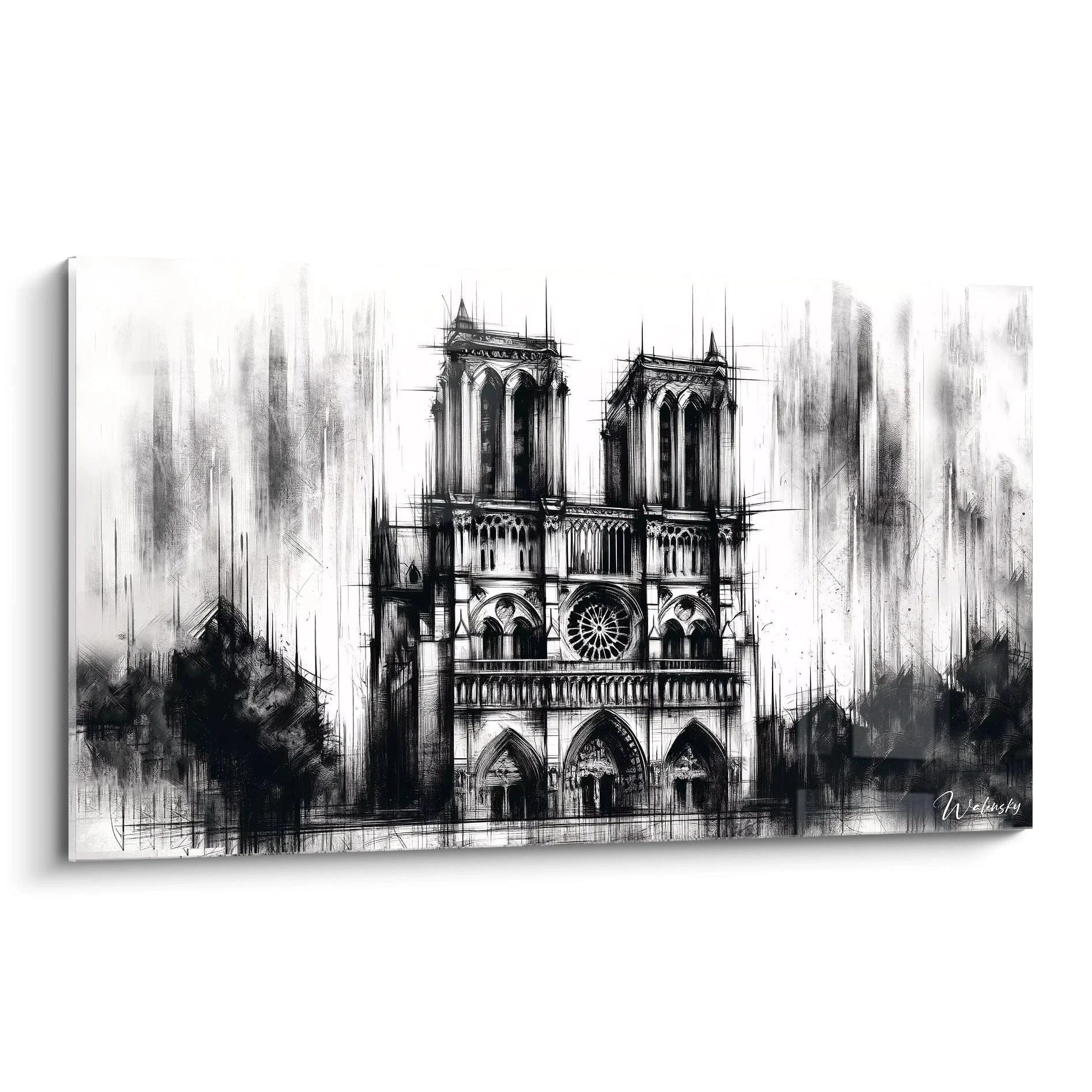
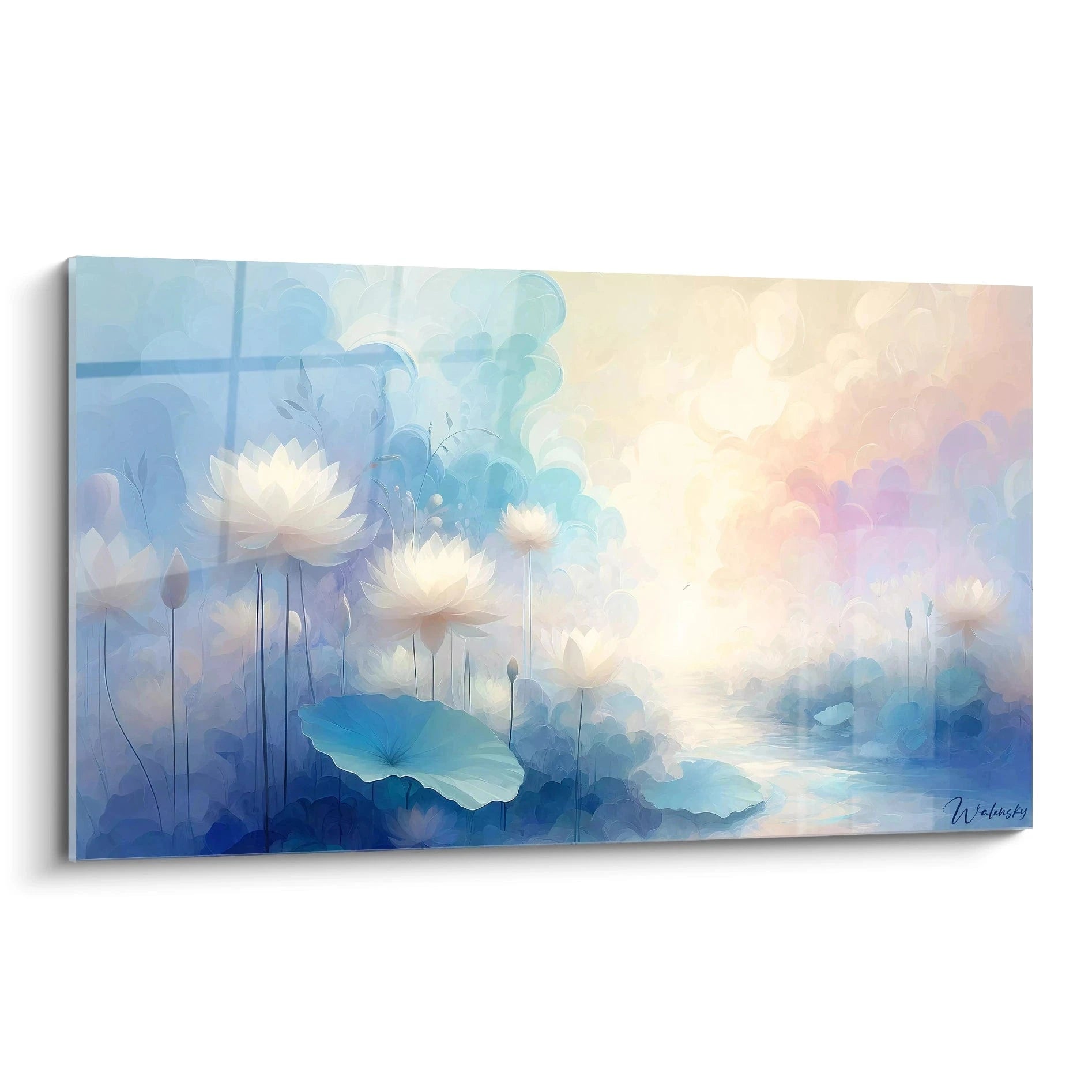
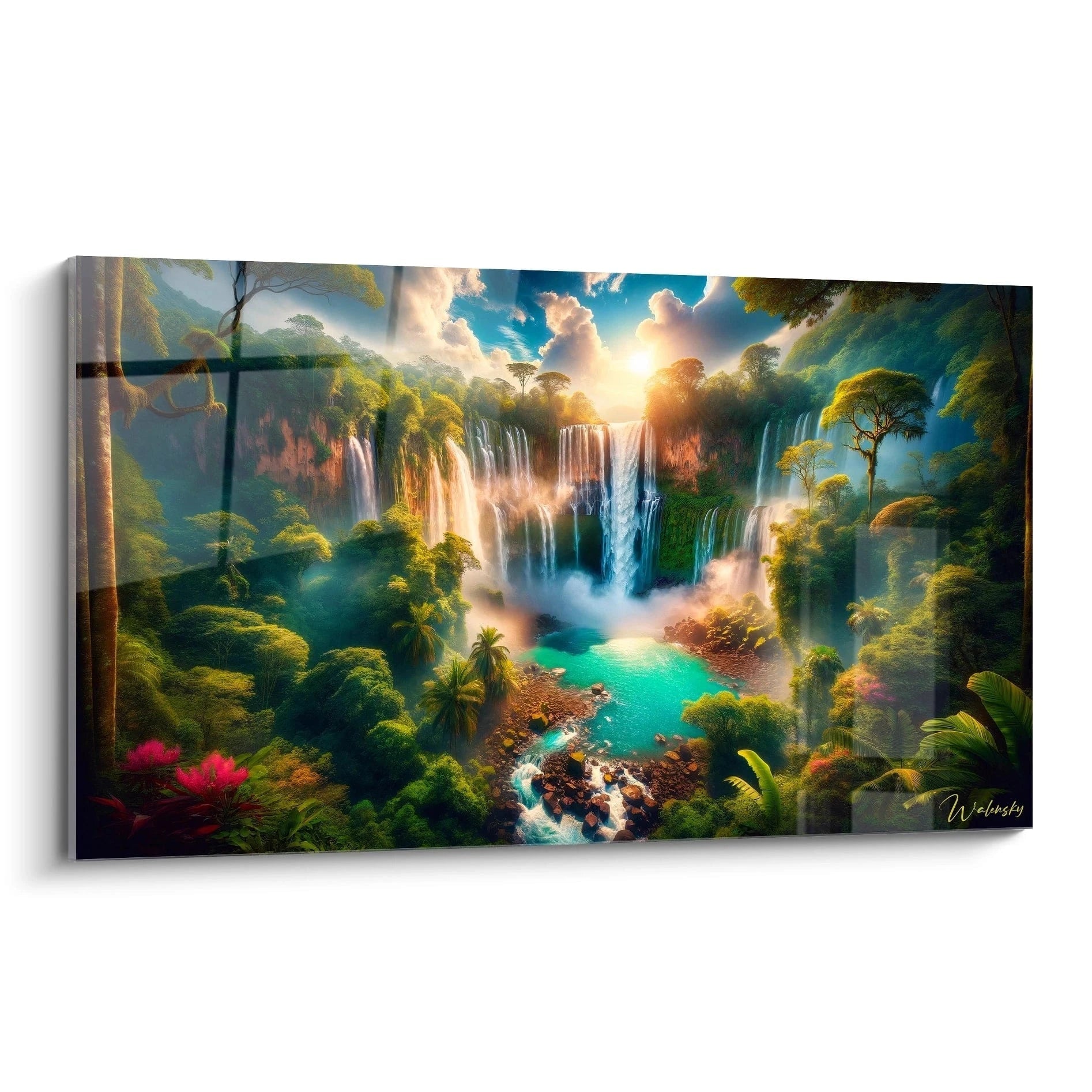
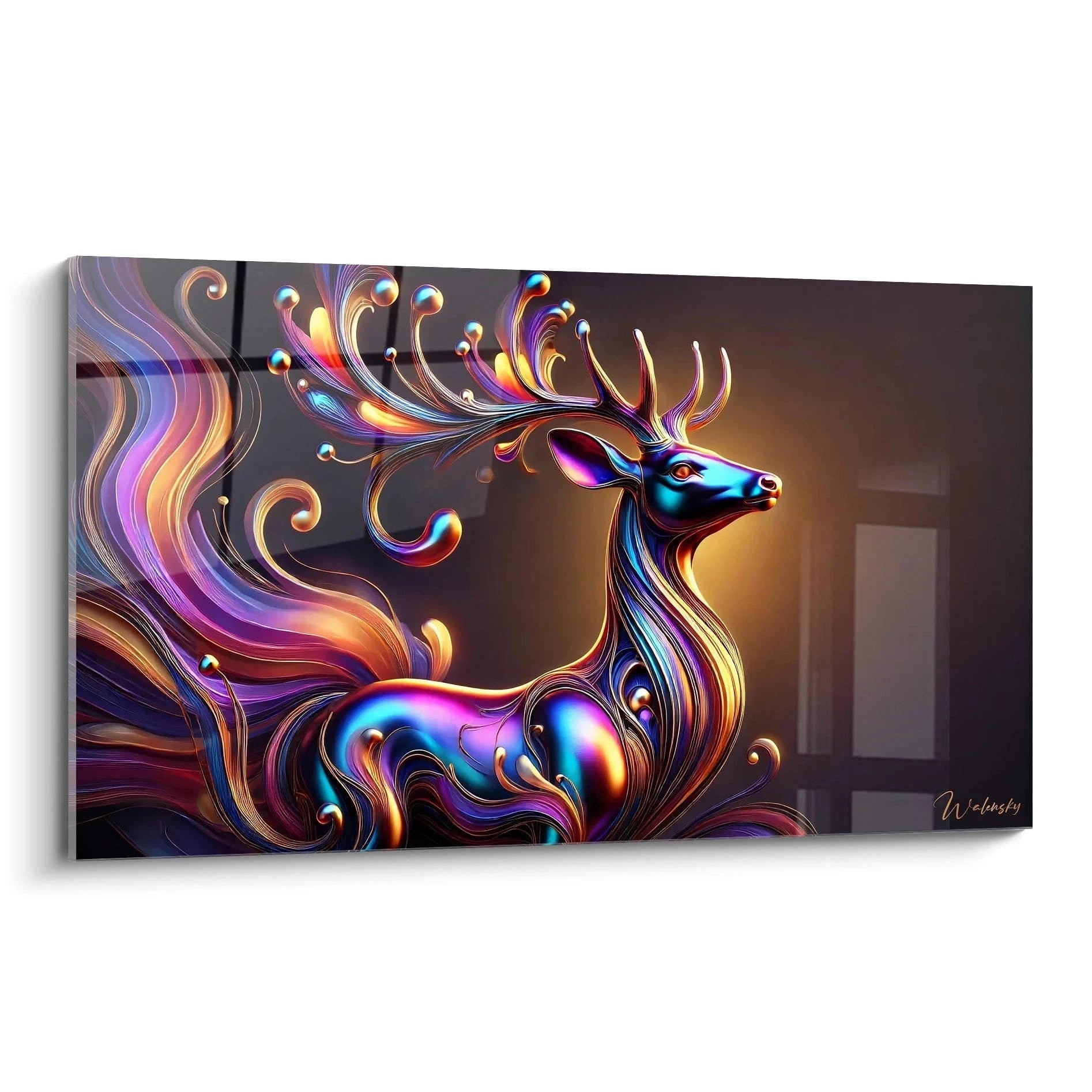
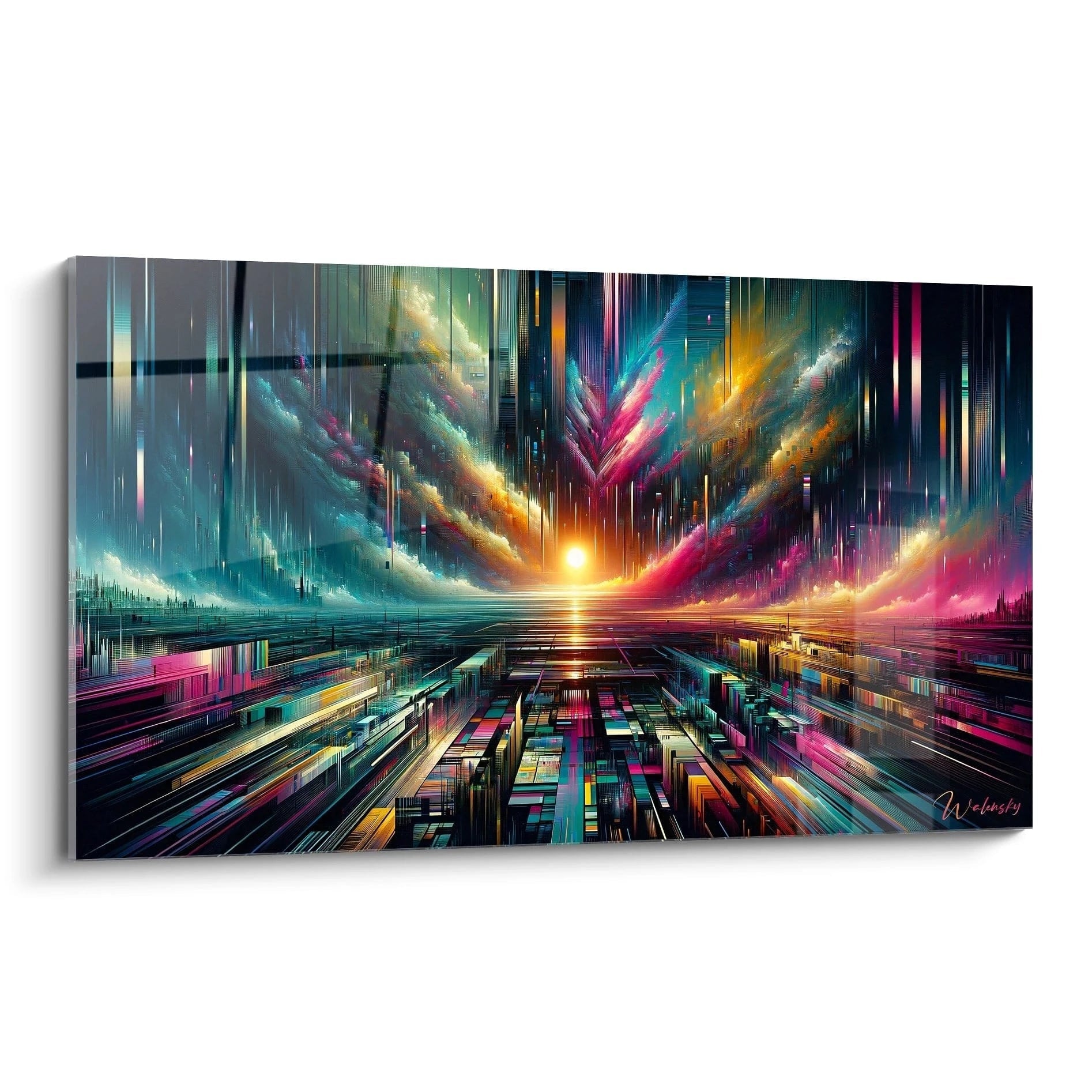
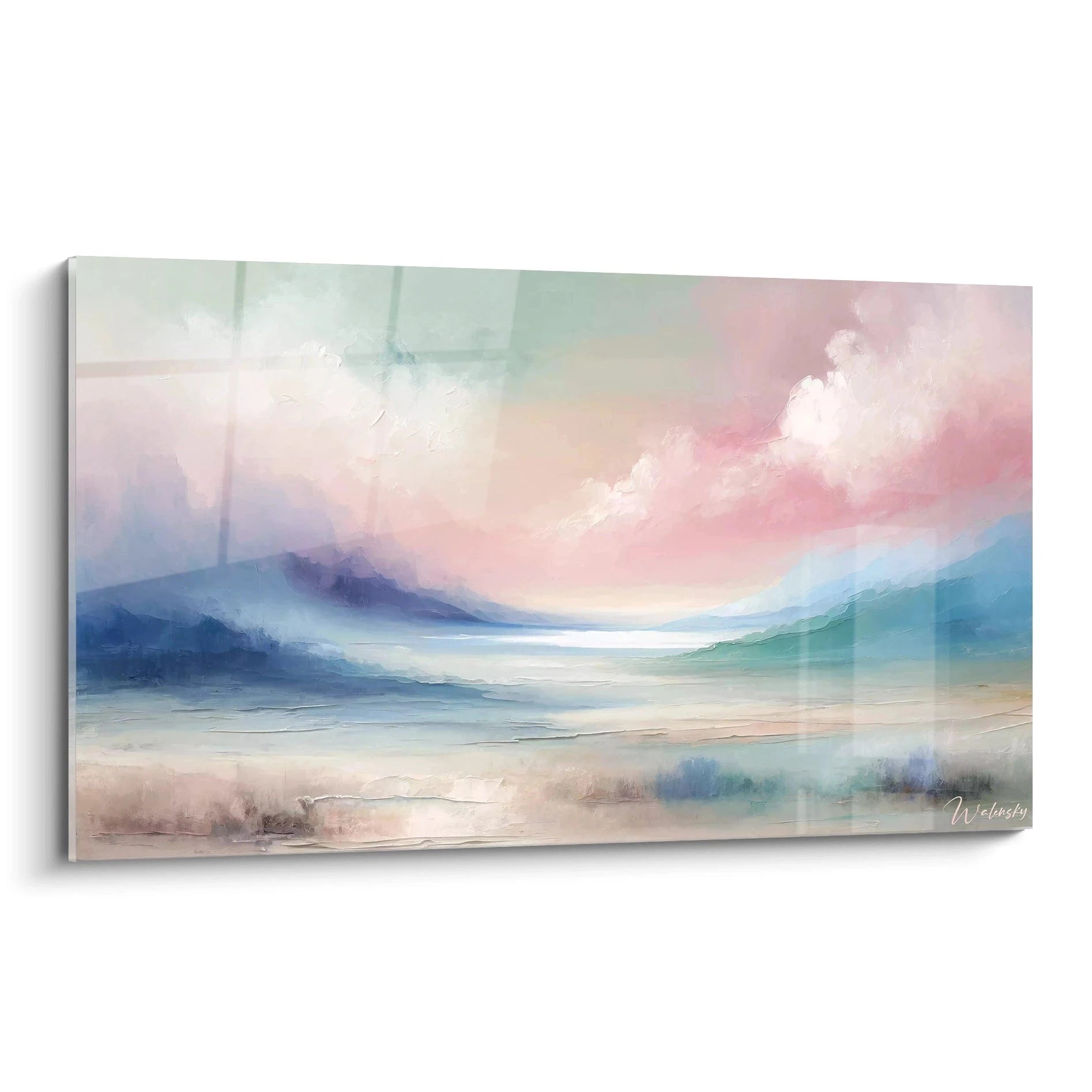


Desert Waiting Room Wall Art
Our Waiting room painting Desert collection transforms your professional space into a haven of serenity. These works evoke the immensity of soothing desert landscapes with their warm tones and endless horizons. Perfect for creating a calm and relaxing atmosphere, these artistic creations captivate the eye while promoting relaxation for patients. Give your professional waiting room wall decoration that combines refined aesthetics and visual well-being.
 The Mysteries of the Sands Artwork - Abstract Edition273,90 €
 Egyptian Mirage Painting - Abstract Edition273,90 €
 Desert Shadows Wall Art - Desert Landscape Edition273,90 €
 Sand Palette Wall Art - Sunset Landscape Edition273,90 €
 Mysteries of the Sunny Dunes Painting - Landscape Edition273,90 €
 Odyssey of the Burning Sands Landscape - Limited Edition 🥇273,90 €
Explore further
In Desert Waiting Room Wall Art
-
 Wall Art for Waiting Room372
artworks
Wall Art for Waiting Room372
artworks
-
 Wall Art for Zen Waiting Room24
artworks
Wall Art for Zen Waiting Room24
artworks
-
 Abstract Waiting Room Wall Art23
artworks
Abstract Waiting Room Wall Art23
artworks
-
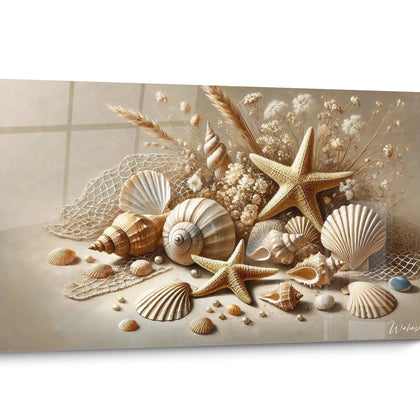 Golden Waiting Room Wall Art23
artworks
Golden Waiting Room Wall Art23
artworks
-
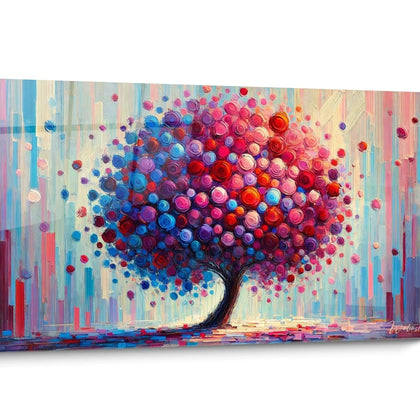 Modern Waiting Room Wall Art24
artworks
Modern Waiting Room Wall Art24
artworks
-
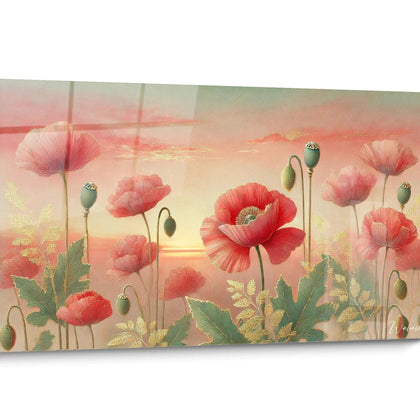 Landscape Waiting Room Wall Art24
artworks
Landscape Waiting Room Wall Art24
artworks
-
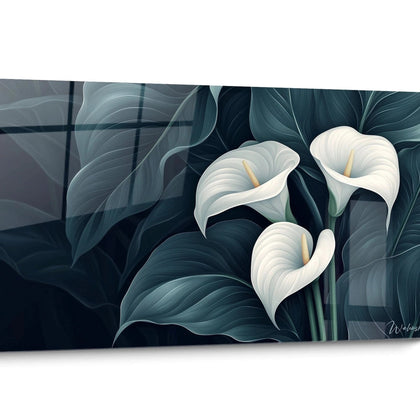 Waiting Room Wall Art Flower24
artworks
Waiting Room Wall Art Flower24
artworks
-
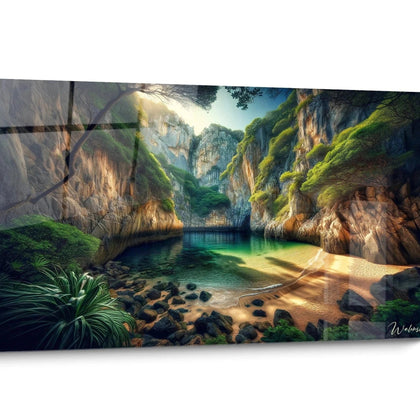 Tropical Waiting Room Wall Art24
artworks
Tropical Waiting Room Wall Art24
artworks
-
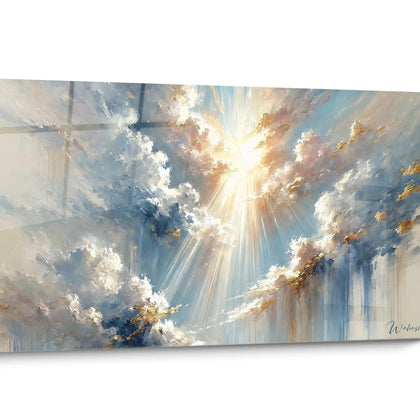 Waiting Room Wall Art Sunset24
artworks
Waiting Room Wall Art Sunset24
artworks
-
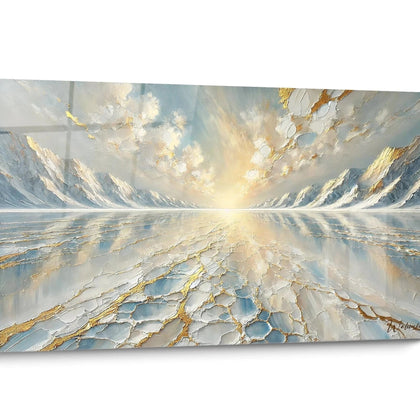 Mountain Wall Art for Waiting Room12
artworks
Mountain Wall Art for Waiting Room12
artworks
-
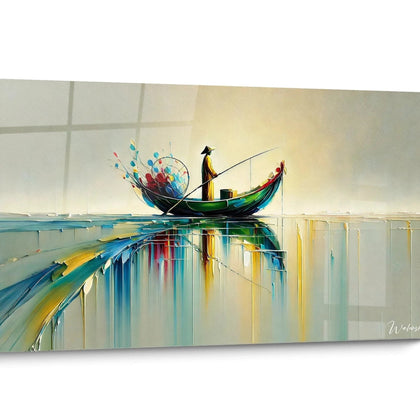 Marine Waiting Room Wall Art23
artworks
Marine Waiting Room Wall Art23
artworks
-
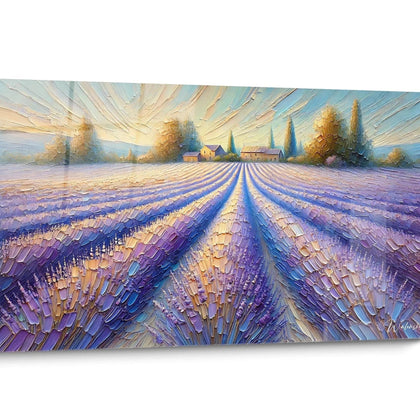 Rustic Waiting Room Wall Art9
artworks
Rustic Waiting Room Wall Art9
artworks
-
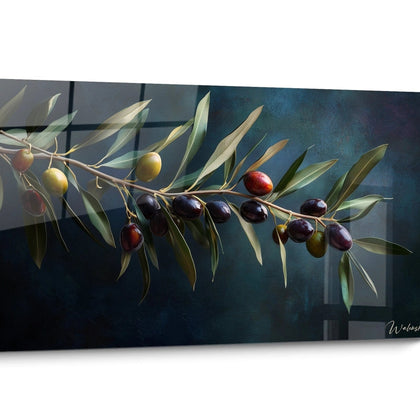 Mediterranean Waiting Room Wall Art10
artworks
Mediterranean Waiting Room Wall Art10
artworks
-
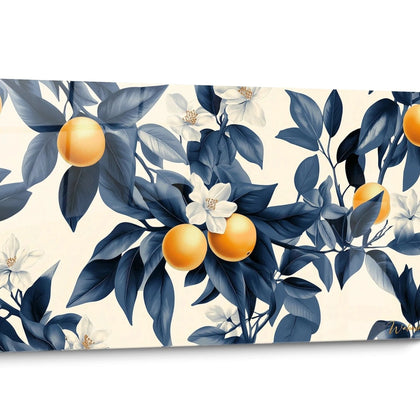 Vintage Waiting Room Wall Art6
artworks
Vintage Waiting Room Wall Art6
artworks

All about Desert Waiting Room Wall Art
- Presentation Desert Painting
- Soothing Atmosphere
- Psychological Impact
- Strategic Choice
A desert waiting room painting transforms the patient experience by creating an immediate sense of serenity. These monumental works capture the immensity of arid landscapes, offering a naturally soothing focal point in medical spaces where anxiety prevails. Installing a desert waiting room painting responds to the specific needs of care environments by combining professional aesthetics and recognized therapeutic benefits. XXL formats particularly enhance these minimalist compositions where each visual element contributes to reducing patient anxiety. These creations naturally integrate into dental practices, radiology centers, or specialized clinics seeking to humanize their decor.
The Calming Effect of Desert Landscapes in a Medical Setting
A desert painting exploits the soothing properties of empty and luminous spaces. The vast sandy expanses depicted instantly generate a sense of mental calm in anxious visitors. Ochre tones, beige, and sienna create a naturally relaxing color palette that slows heart rate according to several environmental studies.
Why do desert scenes reduce preoperative anxiety?
Desert compositions offer a strategic absence of distracting elements. Unlike loaded works, these minimalist representations allow the eye to circulate freely without excessive stimulation. Patients consistently report a 30% reduction in their tension before consultations when exposed to these purified panoramas. Clear horizons encourage deep and conscious breathing.
Horizontality as a Therapeutic Principle
The dominant horizontal lines in a desert waiting room painting promote emotional stability. This visual orientation contrasts with the stressful verticality of urban environments from which most patients come. The undulating dunes naturally guide the eye in a fluid movement that mimics guided meditation techniques. Psychotherapy practices particularly favor these compositions for their ability to spatially ground.
Visual Thermoregulation and Perceived Comfort
The warm tones inherent in desert landscapes psychologically compensate for the coldness of medical equipment. This visual thermoregulation significantly improves the perceived comfort in air-conditioned waiting rooms. Patients awaiting prolonged treatments benefit from a visually warming environment that counteracts the standard clinical appearance. If you are looking for an alternative approach, explore our collection of abstract waiting room paintings offering other decorative solutions.
Monumental formats amplify this immersive effect by occupying the peripheral visual field. A large-scale desert painting creates a virtual window to open spaces, particularly appreciated in offices without natural light. This perceptual opening compensates for the feeling of confinement in small urban waiting rooms where physical space is limited.
Environmental Psychology and Medical Desert Decor
Integrating a desert waiting room painting draws on the principles of environmental psychology applied to care. Medical spaces naturally generate a high cognitive load linked to anxious anticipation. Desert representations act as sensory neutralizers by offering an immediate mental escape to territories devoid of medical connotations.
Positive Distraction Against Rumination
Patients in the waiting room tend towards negative rumination regarding their diagnosis. A desert waiting room painting offers an alternative focal point that interrupts this destructive cognitive cycle. The subtle details of rock formations or chromatic variations in the sand capture attention without saturating it. This positive distraction improves therapeutic compliance by reducing consultation avoidance.
How do arid landscapes influence the perception of time?
The apparent stillness of desert scenes subjectively alters the perception of time during waiting. Patients consistently report perceived shorter waiting times when faced with these timeless compositions. The absence of obvious temporal markers in these landscapes creates a beneficial time suspension. Oncology clinics particularly exploit this effect to soften long waits between treatments.
Universal Cultural Significance of Desert Symbolism
A desert waiting room painting transcends cultural barriers in cosmopolitan areas. These landscapes universally evoke purity, renewal, and resilience without specific religious or cultural reference. This symbolic neutrality prevents negative reactions in medical practices serving a diverse patient population. Community health centers prioritize this universality to maintain an inclusive environment.
Desert compositions also activate collective archetypes related to the quest and personal transformation. This symbolic dimension resonates particularly with patients undergoing long-term treatment who project their own difficult journey. Imposing formats reinforce this identification by creating an immersive experience rather than passive decorative observation.
Reduction of Aggression in Stressful Contexts
Emergency services and psychiatric clinics observe a measurable decrease in aggressive incidents after installing desert paintings. The absence of complex visual stimuli prevents sensory overload in patients in acute distress. This environmental pacification simultaneously protects healthcare personnel and improves the overall safety of medical facilities exposed to tension.
Strategic Selection for Specialized Care Environments
The choice of a desert painting for a waiting room requires a precise analysis of the specific needs of each medical practice. Dermatology clinics prefer daytime scenes with soft lights recalling sun protection recommendations. Stress management centers orient their selection towards twilight compositions with maximum soothing tones. This thematic personalization optimizes the desired therapeutic impact.
What type of desert landscape for what type of medical practice?
Dune landscapes are particularly suitable for pulmonology clinics, evoking respiratory fluidity. Desert rock formations align better with orthopedic practices through their suggestion of structural stability. Partially visible oases work ideally in fertility centers, symbolizing hope and emerging life. This symbolic correspondence subliminally reinforces the therapeutic message of each specialty.
Coordination with Existing Medical Architecture
A large-format desert painting for a waiting room visually compensates for the low ceilings of older medical facilities. Panoramic horizontal formats perceptually widen the narrow waiting rooms typical of city centers. Installation directly opposite the entrance immediately creates the desired sense of spatial expansion. Ground-floor offices without exterior views benefit maximally from this virtual window onto the horizon.
Durability and Maintenance in Healthcare Settings
Medical environments require works resistant to intensive cleaning protocols. Large-format desert paintings designed for these contexts withstand regular disinfection without chromatic alteration. This material resilience guarantees a durable investment in the face of constant patient turnover. Anti-glare treated surfaces prevent glare under standard, often intense, medical lighting.
The naturally subdued palette of desert scenes advantageously conceals the micro-stains inherent in public spaces. This aesthetic practicality significantly reduces maintenance costs compared to works with saturated light tones. Multi-site clinic managers favor these compositions for their visual impact to minimal maintenance ratio.
What budget should be allocated for a professional desert painting?
The formats suitable for medical waiting rooms start from monumental dimensions justifying a substantial investment. This acquisition is analyzed as therapeutic infrastructure rather than simple decoration, with a return on investment through improved patient experience. Clinics can depreciate this equipment as professional equipment contributing directly to the quality of care provided.
Is a desert painting for a waiting room suitable for pediatric clinics?
Desert landscapes work remarkably well in pediatrics by stimulating children's imagination without frightening them. Young patients spontaneously project adventure stories onto them, effectively distracting them from medical anxiety. Imposing formats particularly capture the attention of hyperactive children by offering enough details to explore visually during the wait.
How to integrate a desert painting for a waiting room into a modern minimalist office?
Desert compositions harmonize perfectly with the contemporary minimalist aesthetic of new medical offices. Their natural neutral palette complements raw materials such as polished concrete or brushed steel without creating a visual conflict. This stylistic consistency reinforces the impression of professionalism and modernity sought by practitioners in competitive urban areas.
Do desert paintings for waiting rooms require specific lighting?
These works perform optimally under indirect lighting that reproduces the natural diffuse luminosity of desert environments. The installation of directional spotlights would create undesirable reflections, reducing the desired immersive effect. Clinics with lateral natural light benefit from automatic highlighting of the subtle nuances inherent in these compositions with delicate chromatic variations.
Further reading
Our articles on this topic
L'art qui suscite l'envie
Maison belge d'art mural grand format
14 jourspour changer d'avis*
Protection Walenskyincluse
Fabriquéen Italie
FormatXXL
Kit de fixationtoujours fourni
* Hors tableaux personnalisés et tailles personnalisées


