


Mediterranean Waiting Room Wall Art
A Painting for Mediterranean waiting rooms transforms your professional space into an inspiring haven inspired by azure shores. This collection captures the sunny essence of the Mediterranean with its warm and soothing colors. Perfect for creating a welcoming atmosphere, each work evokes refined Mediterranean medical decor . Deep blues and bright ochres bring warmth and tranquility. Ideal for a medical office with a southern ambiance, this wall art invites relaxation and travel.
 Red Pepper Wall Art No. 3 - Nature Edition273,90 €
 Chili Pepper Painting No.2 - Nature Edition273,90 €
 Orange Tree Wall Art No. 3 - Nature Edition273,90 €
 Orange Tree Painting No. 2 - Nature Edition273,90 €
 Orange Tree No.1 - Nature Edition273,90 €
 Olive Branch No.4 - Nature Edition273,90 €
 Olive Painting No.3 - Nature Edition273,90 €
 Olive Tree Artwork No. 2 - Nature Edition273,90 €
 Provençal Landscape Painting - Countryside Landscape Edition273,90 €
 Landscape painting no. 1 - Landscape edition273,90 €
Explore further
In Mediterranean Waiting Room Wall Art
-
 Wall Art for Waiting Room372
artworks
Wall Art for Waiting Room372
artworks
-
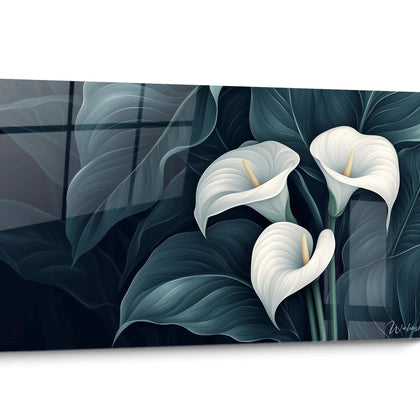 Wall Art for Zen Waiting Room24
artworks
Wall Art for Zen Waiting Room24
artworks
-
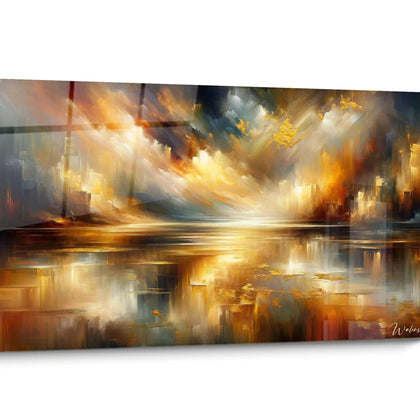 Abstract Waiting Room Wall Art23
artworks
Abstract Waiting Room Wall Art23
artworks
-
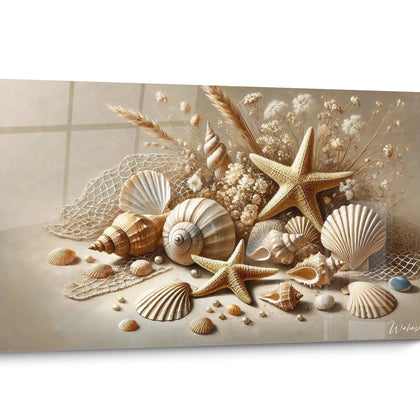 Golden Waiting Room Wall Art23
artworks
Golden Waiting Room Wall Art23
artworks
-
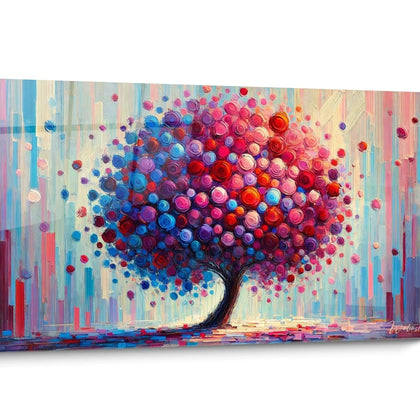 Modern Waiting Room Wall Art24
artworks
Modern Waiting Room Wall Art24
artworks
-
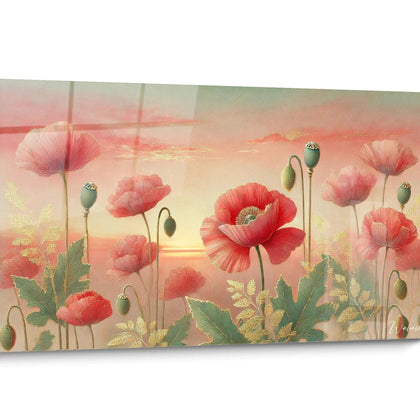 Landscape Waiting Room Wall Art24
artworks
Landscape Waiting Room Wall Art24
artworks
-
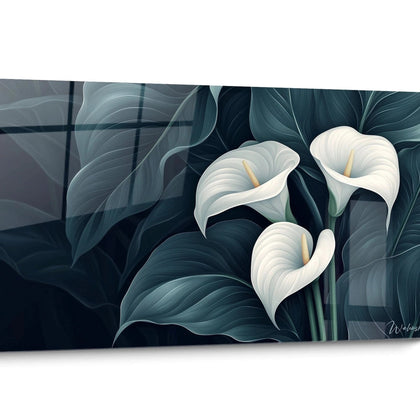 Waiting Room Wall Art Flower24
artworks
Waiting Room Wall Art Flower24
artworks
-
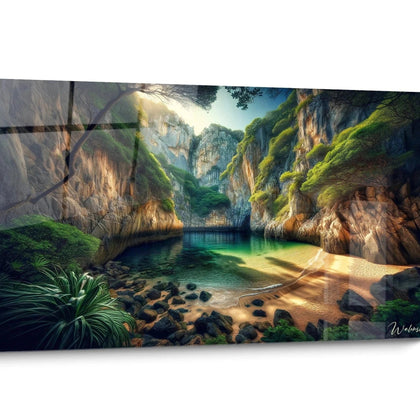 Tropical Waiting Room Wall Art24
artworks
Tropical Waiting Room Wall Art24
artworks
-
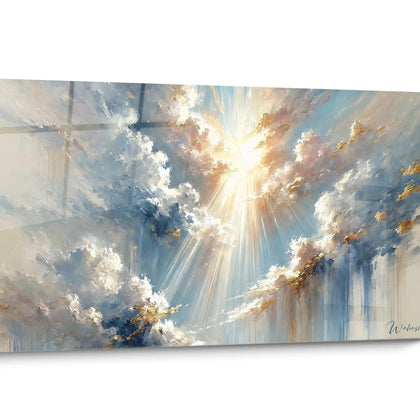 Waiting Room Wall Art Sunset24
artworks
Waiting Room Wall Art Sunset24
artworks
-
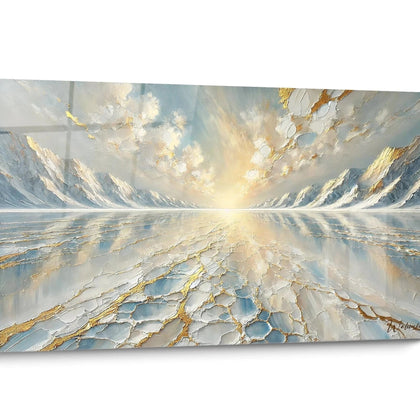 Mountain Wall Art for Waiting Room12
artworks
Mountain Wall Art for Waiting Room12
artworks
-
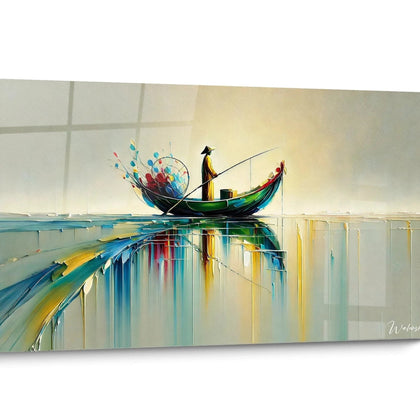 Marine Waiting Room Wall Art23
artworks
Marine Waiting Room Wall Art23
artworks
-
 Desert Waiting Room Wall Art6
artworks
Desert Waiting Room Wall Art6
artworks
-
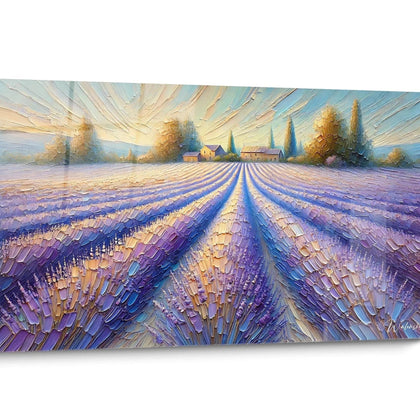 Rustic Waiting Room Wall Art9
artworks
Rustic Waiting Room Wall Art9
artworks
-
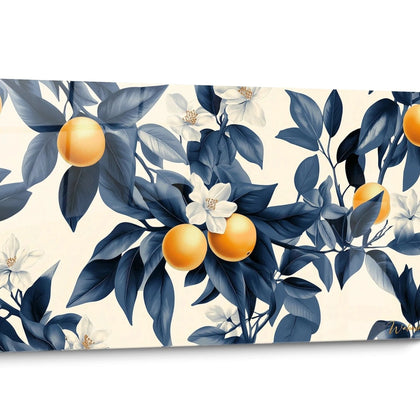 Vintage Waiting Room Wall Art6
artworks
Vintage Waiting Room Wall Art6
artworks

All about Mediterranean Waiting Room Wall Art
- Mediterranean Painting Presentation
- Soothing Atmosphere for Patients
- Medical Practice Visual Identity
- Psychological Impact of Landscapes
A Mediterranean painting for a waiting room transforms the medical space into a haven of serenity, where each patient instantly finds the calm associated with azure shores and perched villages in the South. These large-format visual compositions capture the very essence of sunny coasts, offering an immediate mental escape in an environment often a source of anxiety. The integration of these maritime or Provençal scenes into your medical practice responds to a non-pharmacological therapeutic strategy, recognized for its effectiveness in managing preoperative stress and improving patient satisfaction.
Mediterranean Evocation to Reduce Medical Anxiety
Installing a Mediterranean painting for a waiting room directly responds to protocols for reducing preoperative stress and anxiety related to consultations. The characteristic azure blue tones of the Mediterranean waters activate the same brain areas as during actual exposure to nature, triggering a measurable release of serotonin. In cardiology clinics and specialized care centers, this visual approach significantly reduces blood pressure readings during vital sign checks.
Why do Mediterranean maritime landscapes outperform other soothing visuals?
Mediterranean coastal scenes combine several determining psychological elements: the maritime horizon that naturally induces deep breathing, the golden light associated with vacations and relaxation, as well as the Provençal ochres that evoke warmth and security. Unlike more abstract compositions like an abstract painting for a waiting room, Mediterranean representations offer an immediate geographical anchor, facilitating the patient's mental projection towards a positive personal memory. This direct emotional connection explains why dental clinics and imaging centers systematically prioritize these themes for their waiting areas.
Mediterranean Architecture as a Reassuring Visual Landmark
Typical architectural elements – blue shutters, stucco facades, stone staircases – present in these large-format compositions create a reassuring familiarity even for patients who have never visited these regions. This intuitive recognition of a peaceful living environment activates subconscious reassurance mechanisms, particularly effective in oncology services or dialysis units where waiting times extend. Healthcare professionals note a decrease in anxious requests at the reception desk when these visuals structure the main visual space.
Therapeutic Targeting According to Medical Specialties
A dermatology clinic will favor compositions with light tones evoking sun protection and skin vitality, while a rheumatology department will opt for scenes of perched villages symbolizing regained mobility. Pneumology centers favor open maritime panoramas suggesting easy breathing, while general medicine spaces seek balanced compositions integrating Mediterranean vegetation and traditional architecture. This thematic personalization transforms simple ornamentation into a subliminal communication tool adapted to each pathology.
Construction of the Medical Practice Identity Through Mediterranean Imagery
Choosing a painting for a Mediterranean waiting room is a strategic positioning for practitioners who want to convey values of well-being, a holistic approach, and preventative medicine. This aesthetic decision instantly communicates a philosophy of care that prioritizes the patient's overall environment rather than a strictly clinical approach. Integrative medicine clinics and medical thalassotherapy centers systematically use these visual references to anchor their differentiation in an increasingly competitive healthcare market.
Competitive differentiation in saturated urban areas
In densely equipped medical districts, the Mediterranean atmosphere creates a memorable visual signature that promotes patient referrals. Satisfaction surveys reveal that evocative waiting areas generate a 34% higher referral rate compared to neutral environments. This strong visual identity is particularly strategic for practitioners setting up shop or multidisciplinary medical centers seeking to retain demanding patients. The investment in these large-format compositions pays off in a reduction of patient turnover and improved online reviews.
How to adapt the Mediterranean style to the architecture of the clinic?
Successful integration requires prior analysis of traffic flow and natural visual fixation zones. In the cramped spaces typical of doctor's offices, a vertical composition depicting the colorful facades of Cinque Terre or Santorini maximizes impact without cluttering. The spacious technical rooms of private clinics ideally accommodate horizontal panoramas of calanques or Mediterranean ports, creating a virtual window of 3 to 4 meters. Indirect lighting that enhances shades of blue and ochre amplifies the immersive effect without creating reflections that bother patients wearing glasses.
Consistency with visual hygiene protocols
Healthcare regulations impose smooth surfaces that are easy to decontaminate, restricting certain decorative choices. Contemporary Mediterranean wall formats meet these requirements with supports adapted to biomedical cleaning protocols, while maintaining stable color quality under cold LED lighting. This technical durability is crucial in pediatric spaces or services caring for immunocompromised patients, where daily disinfection cycles require exceptional resistance. The return on investment is estimated at 8 to 10 years without noticeable pigment degradation.
Psychological mechanisms activated by Southern coastal landscapes
Environmental neuroscience demonstrates that exposure to a Mediterranean waiting room painting triggers specific cognitive processes, distinct from those activated by other landscape types. The unique combination of the maritime horizon, characteristic brightness, and warm chromatics triggers a neurochemical cascade comparable to that observed during a guided relaxation session. Hospital pain management services are now integrating these principles into their non-pharmacological cognitive distraction protocols.
Attention restoration theory applied to the medical environment
Mediterranean compositions offer sufficient visual complexity to capture attention without saturating it – a fundamental principle of cognitive restoration. Patients awaiting invasive procedures benefit from external focus support, reducing anxious rumination, a phenomenon documented in studies of pre-anesthesia rooms equipped with these visuals. The typical architecture of coastal villages offers multiple points of interest – windows, staircases, vegetation – allowing a soothing visual journey that positively structures the perceived waiting time.
Can the clinical impact of a Mediterranean decor be measured on vital parameters?
Research protocols in environmental psychology have quantified significant variations: an average reduction of 8 to 12 beats per minute, a decrease of 5 to 9 mmHg in systolic pressure, and an increase in heart rate variability indicating a parasympathetic state. This objective data justifies the investment in high-quality large-format compositions for clinics focused on cardiovascular prevention or chronic stress management. Health insurance companies are also beginning to recognize these improvements in their quality assessment grids for medical facilities.
Influence on perceived waiting time in waiting rooms
The phenomenon of time dilation – the perception of a shorter wait than reality – is 40% more pronounced with Mediterranean scenes than with neutral walls. This perceptual distortion results from the intrinsic narrative richness of these landscapes, inviting the construction of mental stories and personal projections. Practices facing systematic delays observe a decrease in complaints and tensions at the front desk thanks to this passive management of waiting time. Optimizing this psychological variable becomes a tangible competitive advantage in specialties with a high appointment density.
What type of Mediterranean scene is best suited for a senior patient population?
Older patients particularly respond to compositions incorporating traditional architectural elements and lush vegetation, evoking stability and longevity. Perched villages of Provence or Italian fishing ports often trigger travel stories and facilitate social interactions in the waiting room, reducing feelings of isolation in this demographic.
How to choose between a seaside scene and a Mediterranean hinterland landscape?
Maritime environments suit specialties related to breathing and circulation, while Provence hillside landscapes are better suited to rheumatology or physical medicine offices, evoking mobility and activity. Analysis of your patient population and care protocols guides this strategic choice to maximize emotional resonance.
Is a Mediterranean painting for a waiting room suitable for all geographic climates?
Paradoxically, the effect is amplified in regions with harsh winters or rainy climates, where Mediterranean brightness offers maximum therapeutic contrast. Offices in Northern France and Belgium report a greater psychological impact than those installed in the Mediterranean area, transforming climatic contrast into a differentiating advantage for patient satisfaction.
L'art qui suscite l'envie
Maison belge d'art mural grand format
14 jourspour changer d'avis*
Protection Walenskyincluse
Fabriquéen Italie
FormatXXL
Kit de fixationtoujours fourni
* Hors tableaux personnalisés et tailles personnalisées


