


Waterfall Paintings
Evoking the power and fluidity of water, each waterfall painting captures the magical moment when the current rushes down in an impressive cascade. Between flashes of light and vaporous mist, these artworks bring a touch of serenity and energy to your décor. Immerse yourself in a setting where nature expresses itself in all its majesty, transforming your space into a soothing and inspiring sanctuary.
 Liquid Spring Wall Art - cascade edition233,90 €
 Opaline Harmony Wall Art - waterfall edition233,90 €
 Scottish Soul Wall Art - Waterfall Edition233,90 €
 Aquatic Memory Canvas - waterfall edition233,90 €
 Chromatic Waterfall Canvas - cascade edition233,90 €
 Golden Waterfall Canvas - cascade edition233,90 €
 Natural Footbridge Painting - cascade edition233,90 €
 Celestial Confluence Painting - cascade edition233,90 €
 Eternal Fall Painting - cascade edition213,90 €
 Waterfall Artwork No.3 - Landscape Edition233,90 €
 Waterfall Painting No.2 - Landscape Edition233,90 €
 Waterfall Painting No.1 - Landscape Edition233,90 €
In the same family
Also explore the theme Landscapes
-
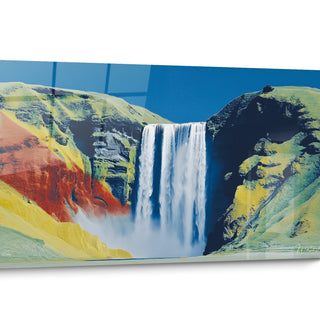 View all1336
artworks
View all1336
artworks
-
 Rainbow2
artworks
Rainbow2
artworks
-
 Architecture30
artworks
Architecture30
artworks
-
 Northern Lights32
artworks
Northern Lights32
artworks
-
 Other Landscapes117
artworks
Other Landscapes117
artworks
-
 Campaign51
artworks
Campaign51
artworks
-
 Cascade104
artworks
Cascade104
artworks
-
 Lavender Fields7
artworks
Lavender Fields7
artworks
-
 Sky14
artworks
Sky14
artworks
-
 Starry Sky8
artworks
Starry Sky8
artworks
-
 Sunset37
artworks
Sunset37
artworks
-
 Desert82
artworks
Desert82
artworks
-
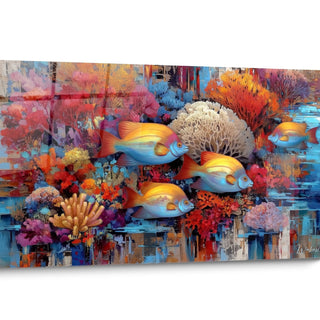 Underwater Depths38
artworks
Underwater Depths38
artworks
-
 Forest129
artworks
Forest129
artworks
-
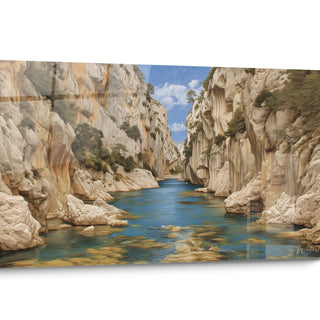 Gorges and Canyons41
artworks
Gorges and Canyons41
artworks
-
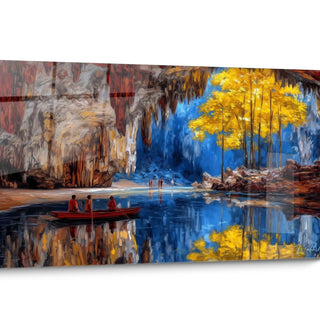 Natural Caves565
artworks
Natural Caves565
artworks
-
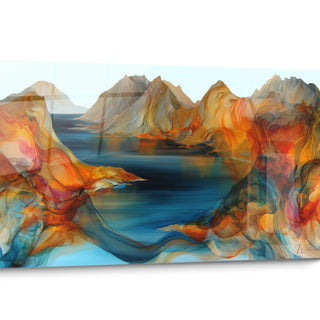 Islands and Archipelagos55
artworks
Islands and Archipelagos55
artworks
-
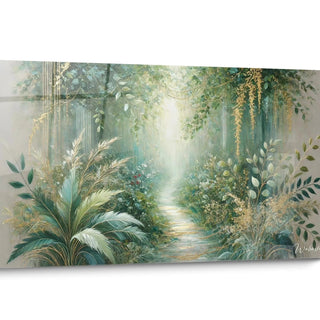 Jungle9
artworks
Jungle9
artworks
-
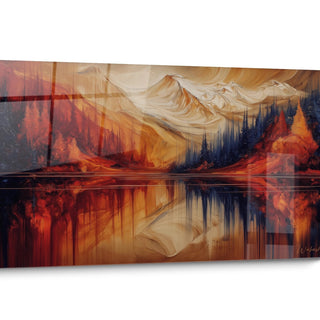 Lakes77
artworks
Lakes77
artworks
-
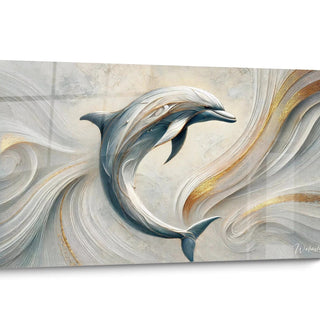 The World of the Sea189
artworks
The World of the Sea189
artworks
-
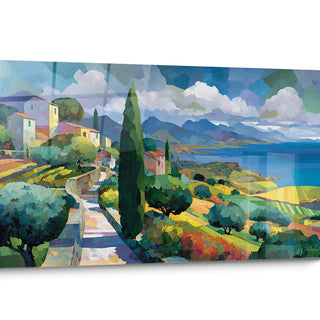 Marine71
artworks
Marine71
artworks
-
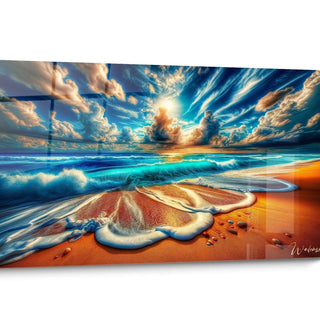 Sea77
artworks
Sea77
artworks
-
 Mountain218
artworks
Mountain218
artworks
-
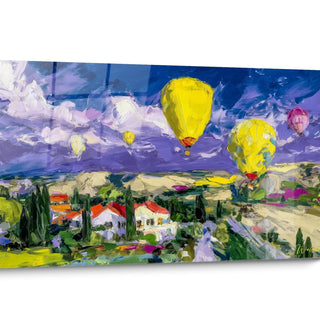 Hot Air Balloon5
artworks
Hot Air Balloon5
artworks
-
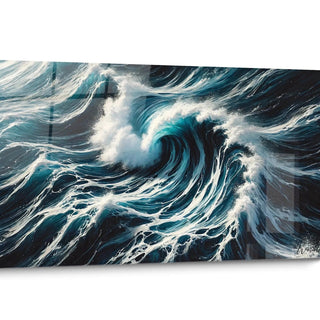 Ocean16
artworks
Ocean16
artworks
-
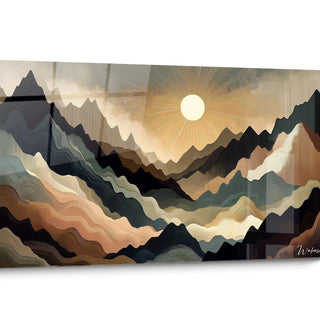 Abstract Landscape25
artworks
Abstract Landscape25
artworks
-
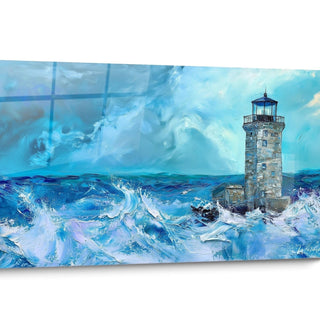 Lighthouses20
artworks
Lighthouses20
artworks
-
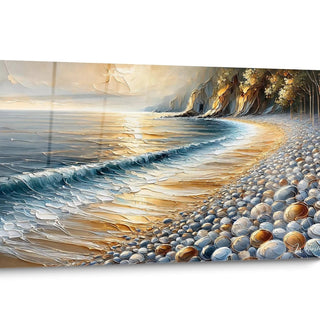 Beach105
artworks
Beach105
artworks
-
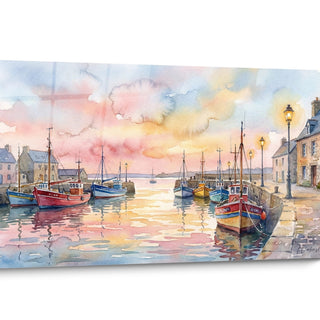 Ports19
artworks
Ports19
artworks
-
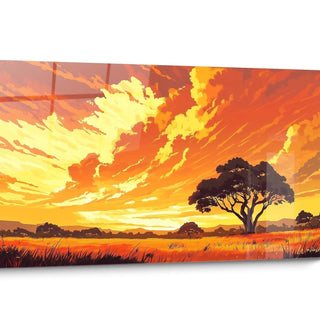 Savanna5
artworks
Savanna5
artworks
-
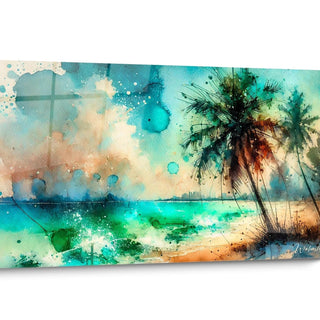 Tropics9
artworks
Tropics9
artworks
-
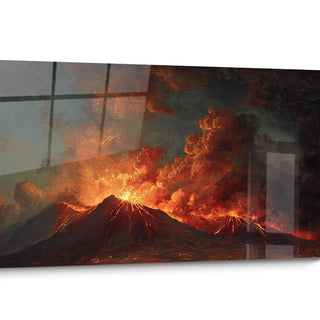 Volcanoes57
artworks
Volcanoes57
artworks
-
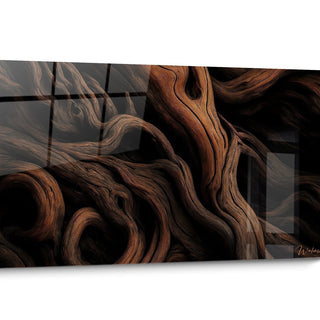 Aerial View17
artworks
Aerial View17
artworks


All about Waterfall Paintings
- Waterfall Wall Art Presentation
- Waterfall Art and Sound Ambiance
- Large Format Waterfall Wall Art for Living Rooms
- Waterfall Wall Art Therapeutic Effects
Waterfall wall art represents a distinct category of mural art that captures the power and serenity of cascading water. Unlike static nature representations, these artworks evoke perpetual movement, creating a unique visual dynamic in your living space. The fascination with these landscape wall art pieces stems from their ability to transform a room into a sanctuary of tranquility while adding an imagined sound dimension.
Waterfall wall art stands out for its ability to evoke simultaneously power and serenity, two contradictory yet complementary sensations that enrich the visual experience. These large-format artworks create an impressive focal point in any room, while delivering the recognized benefits of viewing moving water: stress reduction, improved concentration, and the creation of an atmosphere conducive to relaxation.
Whether you seek tropical waterfall art, mountain waterfall wall decor, or Nordic waterfall representations, these artistic pieces bring a multisensory dimension to your interior decoration. Explore our different tabs to discover the unique aspects of waterfall wall art and how they can radically transform your living space.
The Unique Sensory Experience of Waterfall Wall Art
Waterfall wall art pieces are not mere decorative elements, but true catalysts for sensory experiences in your home. Unlike static artworks, these representations of cascading water possess the remarkable ability to stimulate hearing through simple visual contemplation. Our brain, faced with these dynamic images, naturally activates the auditory memory associated with the characteristic rushing sound of water cascading over rocks.
How do waterfall wall artworks create sound ambiance without any device?
This phenomenon, known as visuo-auditory synesthesia, explains why many waterfall wall art owners report immediate feelings of calm in rooms where these pieces are displayed. Neuroscience confirms that the simple visual representation of a waterfall can trigger brain areas normally activated by soothing sounds of nature. This exclusive characteristic makes waterfall wall art a decorative investment with multiple well-being benefits for daily life.
- Measurable reduction of ambient noise perceived in workspaces
- Improved sound quality perception and concentration in living rooms
- Creation of a natural sound mask in noisy environments
The "white noise effect" refers to this unique ability of waterfall wall artworks depicting cascading water to generate visual white noise. In professional spaces and residences located in urban areas, strategic placement of a waterfall wall art piece allows for significant reduction in the perception of distracting sounds. Studies in biophilic design show that participants exposed to waterfall representations report a 23% decrease in their sensitivity to disturbing external noises.
Which areas of your home would benefit most from waterfall wall art?
Large living spaces are the ideal location to maximize the acoustic effect of waterfall wall art. The scale of these spaces allows the imagined sound to fully flourish, creating a bubble of serenity particularly appreciated in modern interiors with reflective surfaces that typically amplify sounds. The presence of a large waterfall wall art piece in a minimalist living room can radically transform the perceived acoustic experience.
Waterfalls represented in different environments generate distinct "soundscapes." A mountain cascade evokes a powerful, deep rumbling, while a tropical waterfall suggests a lighter, more melodious splashing. This diversity allows you to choose the imagined sound ambiance that perfectly matches the specific needs of each space. For a workspace requiring concentration, medium-height waterfalls with regular tonal qualities are particularly recommended.
Integrating a waterfall wall art piece into a space dedicated to relaxation significantly amplifies the benefits of meditative practices. Specialists in visualization therapy frequently recommend acquiring artworks representing moving water to create a visual anchor point facilitating the induction of altered states of consciousness. Waterfalls represented in upward perspective offer the best results for this specific use.
Unlike electronic devices playing nature sounds, waterfall wall art consumes no energy while producing a similar effect. This sustainable solution for improving the sound ambiance of your home perfectly aligns with an overall ecological approach. Furthermore, these artworks require no special maintenance while retaining their evocative power intact over the years.
The synergy created between a waterfall wall art piece and a room's natural acoustics can be deliberately optimized. The strategic positioning of the artwork in relation to reflective surfaces such as glass doors or hard flooring allows for subtle amplification of the imagined sound effect. A decoration consultant specializing in this area can guide you to fully exploit this potential unique to waterfall representations.
Large Format Waterfall Wall Art: Transforming Interior Architecture
Large-format waterfall wall art pieces constitute far more than simple decorative elements—they literally redefine the architectural perception of your space. Unlike standard-sized artworks, these monumental representations of cascading water create a virtual wall extension, generating visual depth capable of metamorphosing even the most restricted spaces. Urban residences with limited volumes benefit particularly from this exclusive characteristic of waterfall scenes represented in plunging perspective.
The "aquatic window effect" generated by large-format waterfall wall art radically transforms the perceived brightness in a room. The characteristic light reflections of moving water, captured by specialized artists, create dynamic points of light that subtly project onto surrounding surfaces. This phenomenon, particularly notable in interiors with neutral tones, constitutes a unique solution for visually energizing a space without resorting to costly structural modifications.
How does large-format waterfall wall art modify the spatial perception of a living room?
- Creation of a vertical vanishing point amplifying perceived height
- Introduction of visual dynamics counterbalancing dominant horizontal lines
- Generation of optical depth transforming flat walls into three-dimensional spaces
Interior architects strategically employ waterfall wall art to resolve specific spatial issues. Facing a disproportionate wall or awkward transitional zone, these large-format pieces constitute an elegant solution for rebalancing architectural harmony. The natural verticality of waterfalls allows creation of positive visual tension that structures space organically, without resorting to conventional geometric arrangements.
Unlike other landscape representations, large-format waterfall wall art possesses an intrinsic kinetic quality that continuously animates the space. This unique characteristic instantly energizes reception areas such as living rooms and dining rooms, creating a visually stimulating environment conducive to social interaction. Environmental psychology studies demonstrate that spaces adorned with elements evoking movement foster more animated and memorable conversations.
The orientation of waterfall wall art considerably influences its architectural impact. A waterfall represented in portrait format will accentuate ceiling height, while a panoramic composition will visually expand the space. This flexibility allows you to precisely adapt the artwork to your interior's specific structural characteristics. For rooms with atypical dimensions, waterfalls represented in upward perspective offer a particularly effective solution for correcting perceptual imbalances.
What technical considerations apply to large-format waterfall wall art installation?
Installing large-format waterfall wall art requires particular attention to lighting conditions. Unlike still lifes or portraits, these dynamic artworks actively interact with ambient light, creating different visual effects depending on the time of day. Strategic positioning allowing natural light to laterally illuminate the representation will maximize the perceived movement effect and the overall architectural impact of the artwork.
Optimal viewing distance constitutes a determining factor for fully exploiting the architectural potential of large-format waterfall wall art. Experts recommend a minimum distance equivalent to 1.5 times the artwork's width to allow your gaze to simultaneously embrace both the overall composition and the details of the cascade. This consideration should influence your choice of placement in spaces with limited dimensions such as urban apartments.
In professional spaces such as conference rooms and corporate halls, large-format waterfall wall art frequently serves as structuring elements in overall design. Their unique ability to create soft yet distinct visual transition zones allows for delimiting different functional areas without resorting to physical partitions. This contemporary approach promotes circulation fluidity while preserving each section's spatial identity.
The interaction between large-format waterfall wall art and surrounding materials deserves particular attention. Reflective surfaces such as glass, polished metal, or marble amplify the dynamic effect of the artwork, creating secondary reflections that enrich the overall visual experience. This material synergy, exclusive to moving water representations, constitutes a major asset for contemporary interiors favoring glossy finishes.
The Exclusive Therapeutic Effects of Waterfall Wall Art
Waterfall wall art fundamentally distinguishes itself from other decorative artworks through its scientifically documented therapeutic effects. Unlike static representations, these dynamic pieces specifically activate brain regions associated with relaxation and cognitive recovery. Research in environmental neuroscience demonstrates that simply contemplating a waterfall, even when represented, triggers a measurable increase in alpha waves, indicators of a relaxed yet alert state particularly beneficial for mental recovery after periods of intense concentration.
Restorative attention constitutes one of the exclusive therapeutic benefits of waterfall wall art. This psychological theory establishes that certain specific visual stimuli enable regeneration of our attentional capacities without conscious effort. Waterfall representations precisely combine the four characteristics necessary for this effect: gentle fascination, mental escape, conceptual scope, and compatibility with our innate psychological needs. No other category of wall art combines these restorative factors so effectively.
How do waterfall wall artworks concretely influence our physiology?
- Measurable reduction in blood pressure after 10 minutes of visual exposure
- Significant decrease in cortisol levels, the chronic stress hormone
- Progressive synchronization of breathing with the visual rhythm suggested by the cascade
Therapy through exposure to waterfall wall art is gaining recognition in clinical environments specializing in anxiety disorder treatment. These artworks are deliberately integrated into waiting rooms and therapeutic spaces for their documented anxiolytic effects. Unlike conventional medications, this non-pharmacological approach produces no undesirable side effects while offering cumulative long-term benefits when exposure becomes regular in daily environment.
Waterfalls represented in different natural environments generate distinct therapeutic responses. Cascades in forest settings primarily stimulate recovery from chronic stress, while alpine waterfalls favor cognitive clarity and decision-making. This specificity allows precise adaptation of artwork choice to the particular therapeutic needs of each space, whether a workspace requiring concentration or a bedroom dedicated to restorative rest.
Which spaces benefit most from the therapeutic effects of waterfall wall art?
Professional spaces subject to high levels of cognitive pressure constitute environments particularly suited to maximize the therapeutic benefits of waterfall wall art. Studies in organizational psychology reveal that meeting rooms adorned with such artworks promote more nuanced and less impulsive decision-making processes. This characteristic unique to moving water representations explains their increasing presence in corporate headquarters valuing balance and sustained cognitive performance.
The therapeutic impact of waterfall wall art varies considerably according to its specific visual characteristics. Waterfalls presenting natural fractal structures—patterns that repeat at different scales—generate the most beneficial neurophysiological responses. This mathematical particularity inherent to cascades explains their therapeutic superiority over seascapes or lake representations, whose visual patterns lack this organized complexity particularly resonant with our brain architecture.
For people suffering from insomnia or sleep disorders, installing waterfall wall art in the bedroom constitutes a particularly effective non-pharmacological intervention. Sleep medicine research demonstrates that visualizing moving water before bedtime facilitates transition into deep sleep phases. Waterfalls represented in twilight luminosity particularly amplify this natural sleep-inducing effect, thus representing a safe alternative to conventional sleeping aids.
Art therapy specializing in trauma strategically employs waterfall wall art for its unique properties of emotional regulation. The simultaneous representation of power and fluidity characteristic of waterfalls offers particularly effective visual metaphor for therapeutic processes aimed at integrating contradictory experiences. This specialized application illustrates the psychological depth unique to this category of artworks, far beyond their simple aesthetic value.
FAQ on waterfall wall art
How should I orient waterfall wall art to maximize its therapeutic effects?
To optimize therapeutic benefits, position your waterfall wall art facing the space where you spend the most time seated. The ideal orientation allows contemplation at eye level, at approximately 2-3 meters distance. Avoid placements requiring neck twisting for comfortable prolonged exposure.
Can waterfall wall art help people suffering from anxiety disorders?
Yes, clinical studies show that regular exposure to waterfall representations significantly reduces anxiety symptoms. The perpetual downward movement naturally captures attention, interrupting the negative rumination characteristic of anxious states. To maximize these effects, choose waterfalls with blue tones rather than turbulent waters.
What size waterfall wall art is recommended for a standard living room?
For a living room with average dimensions (20-30m²), prioritize waterfall wall art of at least 100x150cm. This minimum area allows achievement of sufficient immersive effect to trigger beneficial neurophysiological responses. Larger formats (150x200cm) will amplify both therapeutic and architectural impact without appearing disproportionate in this environment.
Are there therapeutic differences between tropical and alpine waterfall representations?
Indeed, environmental psychology research reveals significant differences. Tropical waterfalls, with their lush environment, promote deeper relaxation and recovery from chronic stress. Alpine waterfalls, characterized by their impressive verticality, stimulate mental clarity and creative inspiration. Your choice should therefore correspond to the benefit you seek.


