


Wall Art for Wellness Center Cascade
The Painting for wellness center Cascade transforms your therapeutic space into a haven of peace. This collection captures the natural beauty of relaxing cascades for wellness centers with visual compositions that evoke fluidity and serenity. Perfect for massage rooms, spas and yoga studios, these works create a zen atmosphere through the art of waterfalls. Each creation invites meditation and letting go, amplifying your clients' wellness experience.
 Waterfall Artwork No.3 - Landscape Edition233,90 €
 Waterfall Painting No.2 - Landscape Edition233,90 €
 Waterfall Painting No.1 - Landscape Edition233,90 €
 Light Cascade Wall Art - Nature Waterfall Edition233,90 €
 Golden Cascade Canvas - Cascade Nature Edition233,90 €
 Artistic landscape painting No. 1 - Landscape edition233,90 €
 Enchanted Dawn Over Aquatic Paradise - Landscape Edition233,90 €
 Secret Oasis Under Canopy of Greenery - Landscape Edition233,90 €
Explore further
In Wall Art for Wellness Center Cascade
-
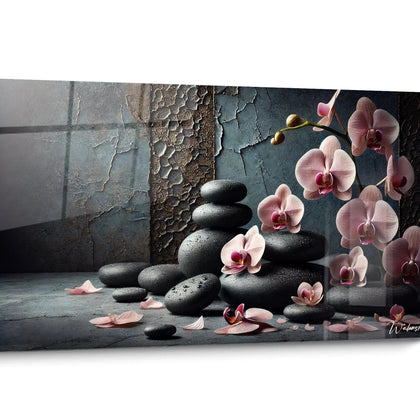 Wall Art for Wellness Center101
artworks
Wall Art for Wellness Center101
artworks
-
 Wall Art for Zen Wellness Center24
artworks
Wall Art for Zen Wellness Center24
artworks
-
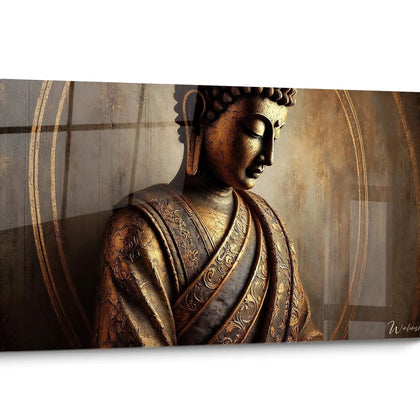 Buddha Wellness Center Wall Art15
artworks
Buddha Wellness Center Wall Art15
artworks
-
 Golden Wellness Center Wall Art18
artworks
Golden Wellness Center Wall Art18
artworks
-
 Abstract Wellness Center Wall Art15
artworks
Abstract Wellness Center Wall Art15
artworks
-
 Wellness Center Wall Art Floral24
artworks
Wellness Center Wall Art Floral24
artworks
-
 Wall Art for Wellness Center Tree of Life10
artworks
Wall Art for Wellness Center Tree of Life10
artworks
-
 Orchid Wellness Center Wall Art9
artworks
Orchid Wellness Center Wall Art9
artworks
-
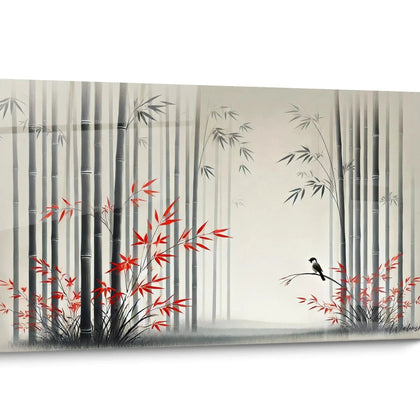 Wall Art for Wellness Center Bamboo5
artworks
Wall Art for Wellness Center Bamboo5
artworks
-
 Landscape Wall Art for Wellness Centers13
artworks
Landscape Wall Art for Wellness Centers13
artworks
-
 Wall Art for Lotus Wellness Center6
artworks
Wall Art for Lotus Wellness Center6
artworks


All about Wall Art for Wellness Center Cascade
- Waterfall Wall Art Presentation
- Aquatic Atmosphere
- Sensory Benefits
- Integration in Relaxation Spaces
A waterfall wall art for wellness centers embodies the very essence of aquatic serenity in spaces dedicated to relaxation and regeneration. This large-scale wall decoration captures the perpetual movement of water, creating an immersive visual presence that instantly transforms the ambiance of a therapeutic space. Waterfall imagery perfectly meets the expectations of wellness professionals seeking an atmosphere conducive to mental disconnection and sensory calm for their clients.
The immersive effect of waterfalls in care spaces
Installing a waterfall wall art for wellness centers creates an immediate connection with the aquatic element, triggering measurable physiological responses in visitors. Visual representations of waterfalls naturally activate brain regions associated with relaxation, reducing stress markers before treatments even begin. This sensory anticipation optimizes treatment effectiveness by preparing the nervous system for deep relaxation.
What influence does it have on the sonic perception of aquatic spaces?
The visual presence of a waterfall generates a fascinating psychoacoustic phenomenon: clients report perceiving a quieter and more soothing environment, even without actual sound modification. This sensory illusion is explained by the mental association between moving water imagery and calming natural sounds. Wellness centers integrating this wall decoration in their aquatic massage or balneotherapy rooms note a significant decrease in complaints about ambient noise.
The impact on energy circulation in spaces
According to feng shui principles applied to wellness establishments, a large-scale waterfall wall art activates downward energy flow, promoting grounding and tension release. Positioned strategically in a transition zone between reception and treatment cabins, it visually materializes the passage from an active mental state to a receptive one. Energy care practitioners note faster client adaptation to therapeutic protocols when this visual element structures the space.
The symbolism of purification in wellness journeys
Beyond aesthetics, this representation conveys a powerful symbolic dimension in care journeys: that of cleansing and renewal. Clients unconsciously interpret the waterfall as a metaphor for purification, reinforcing the perceived effectiveness of detoxifying treatments or exfoliating rituals. This psychological dimension justifies investment in generous formats that maximize visual presence and emotional impact in pre-care preparation zones.
The therapeutic virtues of waterfall imagery in professional environments
How does this decoration influence perceived thermal regulation?
One often overlooked element concerns the psychological cooling effect generated by a waterfall wall art for wellness centers in spaces where heat is part of the therapeutic protocol. In infrared saunas or hammams, this aquatic imagery creates mental contrast that improves tolerance to high temperatures. Spa establishments note session duration increases of 15 to 20% when these visuals are integrated into heat zones, without modifying physical parameters.
Activating the parasympathetic system through descending aquatic patterns
Neuroscience demonstrates that observing downward movements preferentially activates the parasympathetic nervous system, responsible for rest and digestion functions. A large-format waterfall wall art exploits this mechanism by offering a clear visual direction that guides the gaze downward, inducing deeper breathing and decreased heart rate. Meditation and yoga centers strategically integrate this decoration in transition spaces to facilitate entry into a meditative state.
The pronounced vertical orientation of these compositions also addresses the specific needs of rooms with high ceilings typical of thermal and thalassotherapy centers. The imposing format visually fills the vertical space while creating an optical connection between floor and ceiling, structuring interior architecture organically. This visual continuity prevents the unpleasant empty feeling in generous volumes.
Chromatic coherence with hydrotherapy protocols
The palettes of blues, emerald greens, and bright whites characterizing waterfall wall art naturally harmonize with hydrotherapy equipment and balneotherapy pools. This color coherence reinforces the aquatic thematic identity without requiring costly architectural transformations. For establishments offering an abstract wall art for wellness centers, adding a waterfall representation in specifically aquatic zones allows functional space differentiation while maintaining overall aesthetic unity.
Implementation strategies in different therapeutic zones
Optimizing pre-treatment waiting areas
Placing a waterfall wall art for wellness centers in the immediate waiting zone transforms this potentially anxiety-inducing wait time into beneficial mental preparation. Clients whose gaze naturally fixes on these aquatic representations show measurable blood pressure decreases within 3 to 5 minutes, optimizing their receptivity to treatments. Large-scale wall formats create a focal point that structures the space and naturally guides sitting posture toward a relaxed position.
What does this decoration bring to individual treatment cabins?
Contrary to common assumptions, integrating visual waterfall imagery in the restricted space of a massage or facial treatment cabin does not create sensory overload, but rather an immersive cocoon effect. Positioned in the client's field of vision while lying down, it offers gentle focus support during protocol pauses. Practitioners report a significant reduction in anxiety-related comments during treatments when this visual element structures the immediate environment.
Integration into aquatic sensory journeys
In establishments offering complete pathways including baths, sensory showers, and rest areas, the waterfall wall art visually materializes the journey's guiding theme. Its strategic placement in transition zones between different water temperatures mentally accompanies therapeutic progression. This narrative continuity enhances overall experience and justifies premium pricing for extended wellness packages.
Enhancing post-treatment relaxation spaces
The post-treatment period is a crucial moment often neglected in wellness center design. A large-format waterfall representation in the rest space prolongs physiological benefits by maintaining parasympathetic activation initiated during treatment. Clients allowed to stay 15-20 minutes in this visually structured environment show better retention of therapeutic effects, measured up to 48 hours after the session.
Is a waterfall wall art for wellness centers suitable for energy practice spaces?
Absolutely, practitioners of reiki, reflexology, and shiatsu prefer these representations for their ability to visualize descending energy flow. Aquatic imagery conceptually supports drainage and energy blockage release techniques, reinforcing session effectiveness through coherent visual metaphor.
What difference in impact between a forest waterfall and a rocky waterfall?
Waterfalls integrated into forest environments activate more associations with phytotherapy and aromatherapy, while rocky versions evoke minerality and harmonize better with protocols using hot stones, crystals, or thermal mud. The choice depends on the establishment's therapeutic specialty.
How to measure return on investment for such a large-scale wall art?
Relevant indicators include average client stay duration (typical increase of 18-25%), subscription renewal rate, and spontaneous mentions of ambiance in online reviews. Centers documenting these metrics before and after installation typically observe significant improvements justifying initial investment in a premium format.


