


Sky Paintings
Discover our collection "Sky Painting", a series of fascinating works that capture the infinite and changing beauty of the skies. Each sky painting invites you to escape into an aerial universe, where clouds, light and horizons blend to create soothing and inspiring atmospheres. Our celestial paintings bring a luminous and serene dimension to your interior, ideal for inspiring a feeling of freedom and lightness. Give your space a breath of fresh air with works that magnify the splendor of the sky in all its grandeur.
 Starlit Sky Landscape - Dawn Over Infinity Edition273,90 €
 Stormy sky painting - Thunderous majesty - sky edition242,90 €
 Dramatic Stormy Sky Painting - Golden Clouds and Lightning - Sky Edition273,90 €
 Sunset Over the Floral Archipelago Wall Art - Signature Edition273,90 €
 Cloud Awakening Wall Art - Sky Landscape Edition273,90 €
 Golden Mirage Under Cobalt Sky - Signature Edition273,90 €
 Ode to Color - Rainbow Landscape Edition273,90 €
 Dramatic Storm Painting - Golden Tempest - Sky Edition273,90 €
 Dramatic Storm Painting - Electrical Storm at Sunset - Sky Edition273,90 €
 Dramatic Storm Canvas - Electric Storm in Purple Hues - Sky Edition273,90 €
 Electrical Storm Painting - Dramatic Lightning - Sky Edition228,90 €
 Reverie in Colors - Rainbow Landscape Edition Canvas273,90 €
 Starry Night Dream Painting - Starlit Sky Landscape Edition273,90 €
 Electric storm painting - Golden lightning in clouds - sky edition242,90 €

In the same family
Also explore the theme Landscapes
-
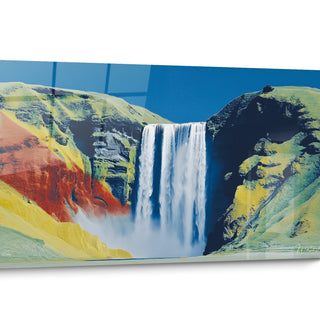 View all1531
artworks
View all1531
artworks
-
 Rainbow74
artworks
Rainbow74
artworks
-
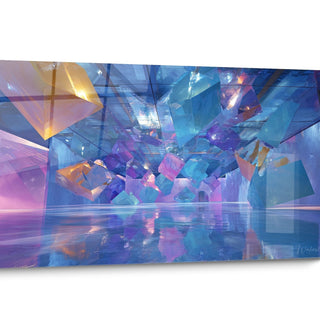 Architecture30
artworks
Architecture30
artworks
-
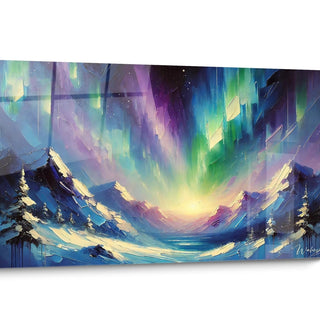 Northern Lights32
artworks
Northern Lights32
artworks
-
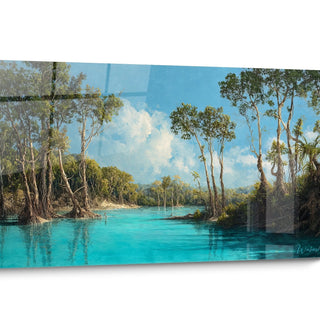 Other Landscapes117
artworks
Other Landscapes117
artworks
-
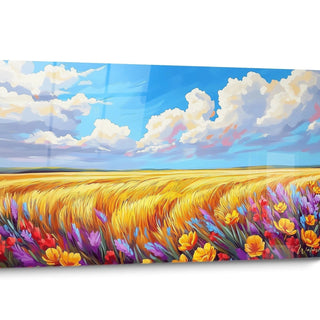 Campaign51
artworks
Campaign51
artworks
-
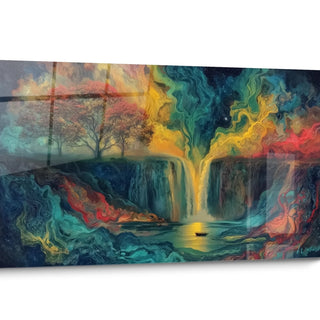 Cascade104
artworks
Cascade104
artworks
-
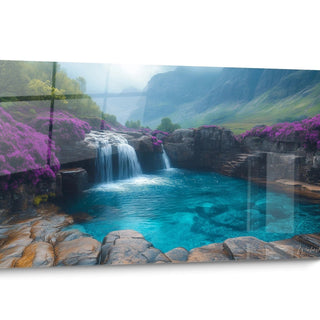 Waterfalls12
artworks
Waterfalls12
artworks
-
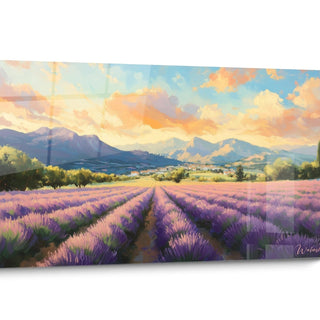 Lavender Fields7
artworks
Lavender Fields7
artworks
-
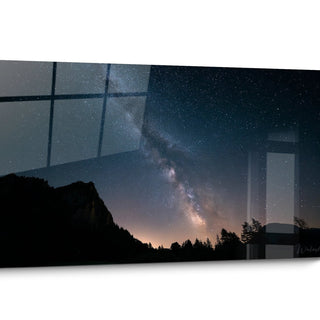 Starry Sky8
artworks
Starry Sky8
artworks
-
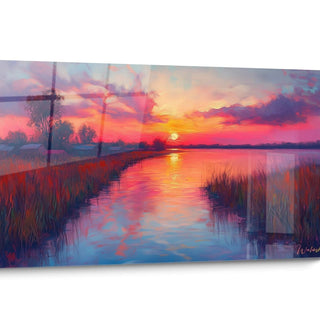 Sunset37
artworks
Sunset37
artworks
-
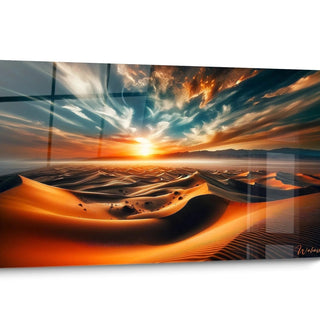 Desert82
artworks
Desert82
artworks
-
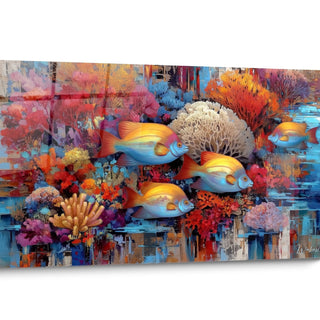 Underwater Depths38
artworks
Underwater Depths38
artworks
-
 Forest148
artworks
Forest148
artworks
-
 Gorges and Canyons41
artworks
Gorges and Canyons41
artworks
-
 Natural Caves565
artworks
Natural Caves565
artworks
-
 Islands and Archipelagos55
artworks
Islands and Archipelagos55
artworks
-
 Jungle9
artworks
Jungle9
artworks
-
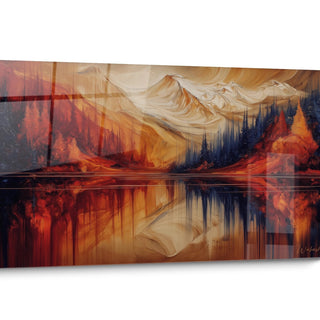 Lakes77
artworks
Lakes77
artworks
-
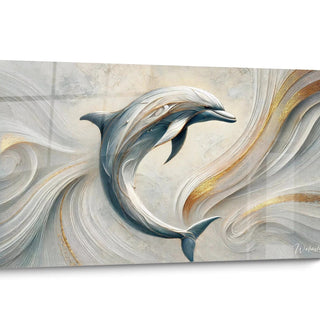 The World of the Sea189
artworks
The World of the Sea189
artworks
-
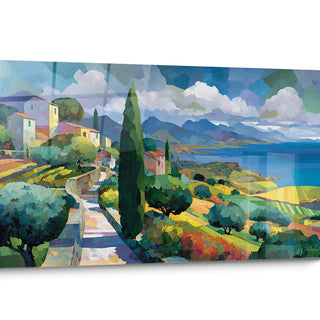 Marine71
artworks
Marine71
artworks
-
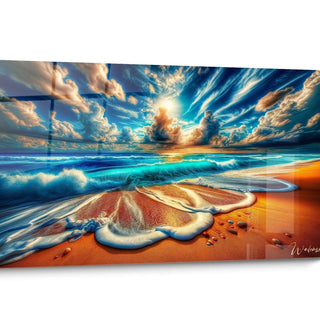 Sea77
artworks
Sea77
artworks
-
 Mountain304
artworks
Mountain304
artworks
-
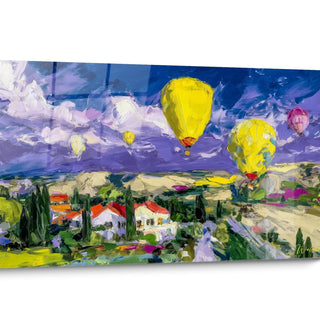 Hot Air Balloon5
artworks
Hot Air Balloon5
artworks
-
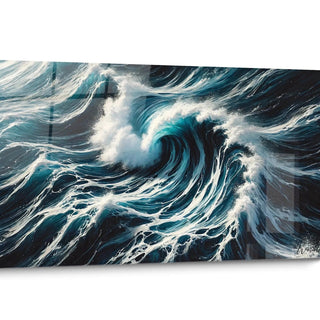 Ocean16
artworks
Ocean16
artworks
-
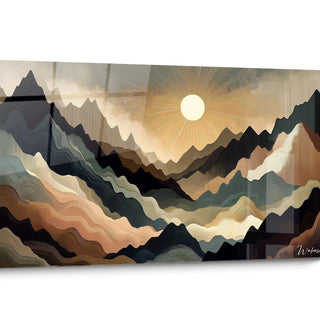 Abstract Landscape25
artworks
Abstract Landscape25
artworks
-
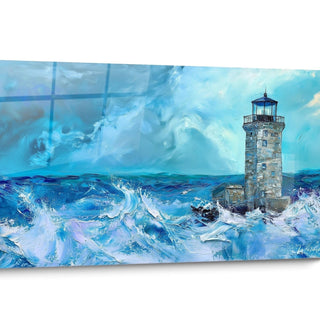 Lighthouses34
artworks
Lighthouses34
artworks
-
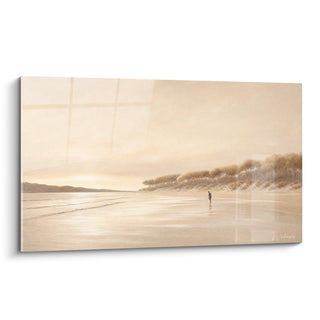 Beach113
artworks
Beach113
artworks
-
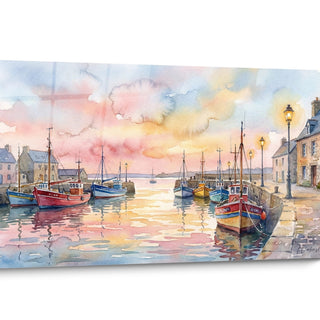 Ports19
artworks
Ports19
artworks
-
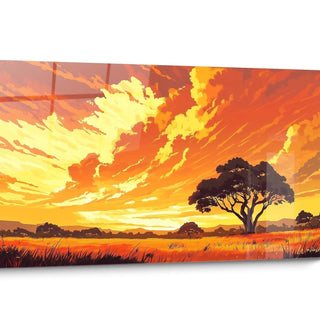 Savanna5
artworks
Savanna5
artworks
-
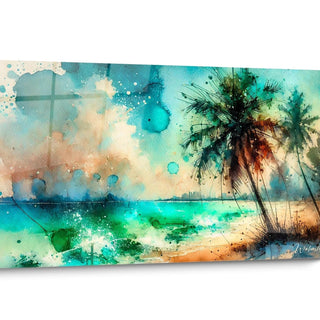 Tropics9
artworks
Tropics9
artworks
-
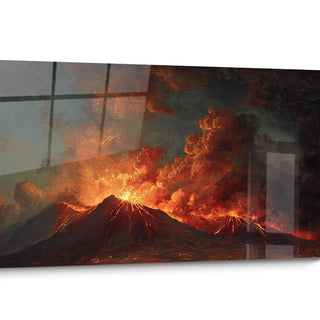 Volcanoes57
artworks
Volcanoes57
artworks
-
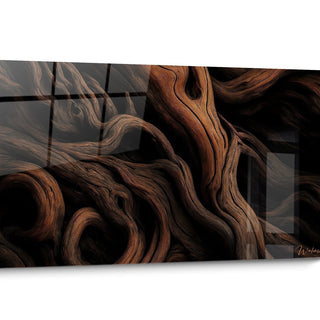 Aerial View17
artworks
Aerial View17
artworks


All about Sky Paintings
- Sky Canvas Presentation
- Sky Canvas Celestial Light
- Sky Canvas Changing Atmosphere
- Sky Canvas Infinite Perspectives
The sky canvas represents a particular artistic category that captures the majesty of celestial expanses in all their splendor. These wall art works offer a window to infinity, instantly transforming the ambiance of a room by bringing depth and serenity. Unlike other wall representations, sky canvases stand out through their unique ability to create an illusion of additional space, as if your walls opened directly onto the firmament.
Canvases depicting the sky come in several captivating variations, from northern lights to starry skies, through blazing sunsets or dramatic stormy atmospheres. Their large size allows for incomparable visual immersion, radically transforming the spatial perception of your interior.
Whether you're seeking to calm a room with soothing celestial blue tones or create a striking focal point with an intensely colored sky, discover in our different sections everything you need to know to choose and enhance your perfect celestial landscape canvas.
Sky Canvas: Capturing Celestial Light in Your Interior
The sky canvas fundamentally distinguishes itself from other wall artworks through its unique ability to transform a room's luminosity. Unlike terrestrial representations that absorb light, a canvas depicting the sky acts as a true light amplifier, creating the illusion of an additional natural light source in your living space.
How does a sky canvas modify the light perception of a room?
Celestial representations possess this extraordinary faculty of creating a point of visual luminosity even in the darkest spaces. The blue tones, golden hues, and atmospheric gradients characteristic of skies generate a sensation of openness that far exceeds the physical frame of the artwork. In rooms with limited sun exposure like interior hallways or finished basements, a large format depicting a luminous sky can literally transform the sensation of confinement by creating an artificial light well.
Interior design specialists confirm that installing a celestial representation of large dimensions can increase the sensation of perceived luminosity by up to 40%, a psychovisual phenomenon impossible to reproduce with other artistic themes. This characteristic makes it a preferred choice for urban apartments with limited windows or rooms with poor natural light.
The unique light variations of celestial representations
A fascinating aspect of the sky canvas lies in its ability to evolve visually depending on ambient lighting. Unlike other artworks whose appearance remains relatively stable, the subtle nuances of a depicted sky reveal different details according to the time of day and lighting conditions:
• Morning: bluish tints and golden nuances intensify, bringing out the freshness and optimism of a new day
• Daytime: the details of cloud formations and atmospheric depth become predominant
• Evening: warmer tints and contrasts emerge, creating an enveloping ambiance
This constant visual metamorphosis gives the sky canvas a living dimension that other wall representations cannot match. Each visit to the room becomes a slightly different visual experience, maintaining interest and fascination over time.
The "artificial skylight" effect: an exclusivity of sky canvases
Interior architecture professionals increasingly use the term "artificial skylight effect" to describe the unique phenomenon created by large formats depicting the sky. This effect is characterized by the creation of modified spatial perception: the wall literally seems to open toward the outside, as if you had installed an architectural light well.
To maximize this transformative effect, several factors must be considered:
• Ideal positioning at eye level or slightly above to reinforce the illusion of openness
• Generous dimensions (120×80 cm minimum) to create sufficient visual impact
• Supplementary lighting directed specifically toward the artwork to amplify the luminous effect
In commercial spaces like windowless restaurants or basement offices, the strategic installation of sky canvases now constitutes an economical alternative to costly architectural modifications, while providing the psychological benefits associated with natural light.
What difference between a sky canvas and standard artificial lighting?
Unlike artificial lighting solutions that can create a clinical atmosphere and tiring for the eyes, the sky canvas brings perceived luminosity without actual emission, eliminating any risk of visual fatigue or glare. This characteristic makes it particularly well-suited to sensitive environments such as children's bedrooms, meditation spaces, or offices where lighting quality directly impacts well-being.
Studies in environmental psychology demonstrate that visual exposure to celestial representations produces calming effects similar to those of actual sky contemplation, with measurable benefits for stress reduction and improved concentration. For spaces lacking easy outdoor access, such as healthcare facilities or enclosed work environments, this therapeutic dimension represents a considerable advantage.
The natural luminosity evoked by a sky canvas also has the advantage of never interfering with circadian rhythm, unlike LED or fluorescent lighting that can disrupt melatonin production and affect sleep quality when used in the evening. This characteristic makes the sky canvas a judicious choice for transition spaces like entryways or hallways frequented at all hours.
Sky Canvas: The Art of Harmonizing Changing Atmospheres
The sky canvas fundamentally distinguishes itself from other wall artworks through its exceptional ability to reflect and influence the emotional atmosphere of a space. Unlike static representations, an artwork centered on the sky captures the very essence of change and transformation, creating a permanent dialogue between the observer's state of mind and the celestial moods represented.
The influence of atmospheric variations on space perception
Research in environmental psychology has demonstrated that our brain reacts to celestial representations in a fundamentally different way than to other artistic patterns. A large format illustrating a sky automatically triggers a neurological response associated with open spaces, activating the same brain areas as during actual contemplation of the celestial horizon.
This neurophysiological particularity gives the sky canvas unique transformative power over our spatial perception. In confined environments such as urban apartments or windowless professional spaces, installing a celestial representation can literally "reprogram" the sensation of confinement by stimulating brain reactions associated with large spaces.
Several types of celestial atmospheres exercise distinct effects on our psyche:
• Clear skies with deep blue tones generate an immediate sensation of calm and mental openness
• Dramatic cloud formations stimulate creativity and imagination
• Twilight hues promote relaxation and transition to more intimate states of consciousness
Can a sky canvas be adapted to seasonal changes?
A remarkable and often neglected advantage of the sky canvas lies in its ability to counterbalance the psychological effects of seasonal variations. In Nordic regions where long, dark winters can trigger seasonal mood disorders, the strategic installation of a representation of a luminous summer sky constitutes an effective form of preventive "visual therapy".
Unlike other artistic themes, the sky canvas can be specifically selected to compensate for seasonal atmospheric deficits in your environment:
• In winter: prioritize representations of summer skies with warm hues to counterbalance grayness
• In humid climates: opt for clear skies evoking dryness and lightness
• In polluted urban environments: choose representations of crystalline atmospheric purity
This contextual adaptability transforms the sky canvas into a true environmental emotional regulation tool, a function impossible to reproduce with other types of wall artworks.
The "emotional barometer" effect unique to celestial representations
Professional interior designers have identified a fascinating phenomenon unique to canvases depicting the sky: the "emotional barometer" effect. Unlike frozen artworks whose visual impact remains constant, the perception of a depicted sky naturally fluctuates depending on the observer's emotional state.
This phenomenon is explained by the intrinsically ambivalent nature of celestial formations: the same cloud arrangement can be perceived as threatening or majestic, melancholic or serene, depending on the psychological dispositions of the moment. This projective quality makes the sky canvas a subtle emotional mirror that reflects and amplifies the nuances of our inner world.
In therapeutic spaces and wellness environments, this characteristic is deliberately exploited to encourage emotional expression and self-awareness. A large format depicting a complex sky thus becomes an inexhaustible visual meditation support, revealing day after day different facets that resonate with our inner fluctuations.
Atmospheric synesthesia: an exclusivity of sky canvases
A particularly fascinating aspect of the sky canvas concerns its unique ability to trigger synesthetic experiences in the observer. Synesthesia, a neurological phenomenon where one sensory stimulus automatically triggers an experience in another sensory modality, manifests itself in a privileged way in front of artistically depicted skies.
Studies in cognitive neuroscience have revealed that contemplating an artistically represented sky activates not only the brain's visual centers, but also stimulates zones associated with:
• Temperature perception (subjective sensation of warmth or coolness)
• Tactile impressions (sensation of lightness, humidity, or dryness)
• Olfactory experiences (impression of smelling fresh air or ozone after the storm)
This involuntary multisensory response transforms the sky canvas experience into complete environmental immersion, far exceeding the simple visual appreciation associated with other types of wall artworks. In spaces dedicated to sensory experience such as relaxation rooms or therapeutic environments, this synesthetic dimension represents an invaluable asset.
Sky Canvas: Exploring Infinite Perspectives in Your Decoration
The sky canvas fundamentally distinguishes itself through its unique ability to transcend the physical limitations of an interior space. Unlike other wall representations that remain confined to their frame, a celestial artwork creates a true visual extension that radically redefines the perceived geometry of a room.
The illusion of infinite depth: a phenomenon exclusive to sky canvas
Interior architects have long exploited the concept of "vanishing point" to create a sensation of augmented space. The sky canvas pushes this principle to its apex by offering not one, but a multitude of vanishing points that dissolve into the depicted celestial immensity. This unique characteristic generates a spatial perception that neuroscientists qualify as "subjective three-dimensional expansion".
Concretely, installing a large format depicting the sky on a standard wall can create the psychovisual illusion that this wall is suddenly several meters from its actual position. This phenomenon of perceived spatial extension is particularly valuable in:
• Small urban apartments where every square centimeter counts
• Finished basements and spaces without windows
• Narrow hallways that instantly benefit from a sensation of openness
• Rooms with low ceilings that suddenly appear higher
Studies in interior design have demonstrated that a strategically placed sky canvas can increase the subjective perception of space by up to 30%, an effect impossible to obtain with other artistic themes.
How does the sky canvas transform the spatial dynamics of a room?
The particularity of the sky canvas lies in its ability to completely redefine the directional vectors of a space. While most decorative elements create limited horizontal or vertical visual movements, the celestial representation instantly establishes a zenithic depth that transcends these conventional dimensions.
This spatial restructuring is accompanied by measurable psychological benefits:
• Significant reduction in the sensation of confinement or claustrophobia
• Increased capacity for concentration in work spaces
• Improved perceived air quality (psychological association between open sky and pure atmosphere)
• Stimulation of creative and abstract thinking (neurological correlation between perception of open space and cognitive flexibility)
Professionals in therapeutic design specifically use sky canvases in clinical environments to counterbalance the negative psychological impact of closed institutional spaces, with documented results on anxiety reduction and improved patient well-being.
The balance between terrestrial anchoring and celestial expansion
An often-overlooked aspect in choosing a sky canvas concerns the subtle balance between the terrestrial and celestial elements represented. Unlike exclusively atmospheric works, representations including a fine horizon line or minimalist terrestrial elements offer a visual anchor point that paradoxically reinforces the sensation of immensity.
This earth-sky duality creates what art theorists call a "dynamic spatial tension" particularly effective for:
• Maintaining the visual balance of a room while maximizing the sensation of openness
• Creating a harmonious dialogue between the floor and the walls of your space
• Establishing a smooth visual transition between different functional zones
For contemporary spaces with refined lines, prioritize minimalist horizons where the earth-sky boundary reduces to a simple graphic line. In more classical interiors, opt for representations where the terrestrial element (tree silhouette, discreet mountainous contour) occupies the lower quarter of the artwork, leaving the majority to celestial expansion.
Which strategic positions to maximize the effect of a sky canvas?
The positioning of a canvas depicting the sky obeys specific spatial considerations that radically differ from usual conventions. While most artworks benefit from placement at eye level, the sky canvas can strategically be installed:
• Slightly above the line of sight to reinforce the illusion of natural elevation
• On a wall facing an entrance to immediately create a sensation of augmented space
• In a dominant position in a room with complex configuration to visually simplify the space
• In visual continuation of an existing window to create the illusion of an extended opening
For sufficiently high ceilings, installing a sky canvas in a semi-zenithic position (angled between wall and ceiling) represents the ultimate option to maximize spatial opening effect, literally transforming the perceived geometry of the room.
FAQ on Sky Canvases
What is the best size for a sky canvas in a small apartment?
For a small apartment, prioritize a large sky canvas (minimum 100x70 cm) despite limited space. Unlike intuition suggests, a generous format will create a depth effect that visually enlarges the room, while a small format risks appearing as mere decoration without significant spatial impact.
Can a sky canvas work in a windowless room?
A sky canvas is particularly well-suited to windowless rooms, where it creates a psychologically beneficial "artificial skylight". In these spaces, opt for representations of luminous skies and accompany the artwork with directional lighting to maximize the illusion of openness and effectively counterbalance the absence of natural light.
How to maintain a sky canvas to preserve its luminous effect?
To preserve the brilliance and luminous effect of a sky canvas, avoid direct exposure to UV rays that could dull the blue nuances so important for the opening effect. Regular dusting with a soft duster is recommended, absolutely avoiding chemical products that could alter the subtle atmospheric variations of the artwork.
Further reading
Our articles on this topic
- How do starry sky paintings create a connection with the universe?
- Do Cloud Paintings Create a Sense of Lightness?
- The Art of Painting Skies: Clouds, Light and Atmosphere
- Paragliding sunset painting: creating a getaway corner at home
- Do artworks depicting horizons or open skies create a sense of space?
- Cosmos and Universe Artwork: A Space Journey at the Heart of Your Décor
L'art qui suscite l'envie
Maison belge d'art mural grand format
14 jourspour changer d'avis*
Protection Walenskyincluse
Fabriquéen Italie
FormatXXL
Kit de fixationtoujours fourni
* Hors tableaux personnalisés et tailles personnalisées


