


Ocean Paintings
Discover our collection "Ocean Painting", a series of artworks that capture the majesty and infinite depth of the waters. Each ocean painting reflects the immensity of the waves, distant horizons and marine life, bringing to your interior a soothing and inspiring atmosphere. These marine paintings are perfect for creating a serene and refreshing ambiance, inviting contemplation and escape. Enhance your spaces with artworks where the ocean comes to life through deep colors and captivating textures.
 At the Barre Wall Art - Marine Landscape Edition273,90 €
 Sailing Toward the Horizon Canvas - Ocean Landscape Edition273,90 €
 Atlantic Coast Canvas - Ocean Reflections - Black and White Landscape Edition273,90 €
 Strength and Direction Wall Art - Marine Landscape Edition273,90 €
 Coast Guard Painting - Marine Landscape Edition273,90 €
 The Call of the Sea - Ocean Landscape Edition273,90 €
 The Art of Water Painting - Marine Landscape Edition273,90 €
 Awaiting the Waves Painting - Marine Landscape Edition273,90 €
 Tropical Underwater Wonder Canvas - Limited Edition🥇273,90 €
 Fisherman of Colors Painting - Marine Landscape Edition273,90 €
 Nautical Dream Painting - Marine Landscape Edition273,90 €
 Rocks and Depth Painting - Ocean Landscape Edition273,90 €
 Sentinel of the Seas Artwork - Marine Landscape Edition273,90 €
 Distant Islands Serenity Canvas - Landscape Edition273,90 €
 Painting On the Waves - Marine Landscape Edition273,90 €
 Painting Towards the Horizon - Marine Landscape Edition273,90 €
In the same family
Also explore the theme Landscapes
-
 View all1531
artworks
View all1531
artworks
-
 Rainbow74
artworks
Rainbow74
artworks
-
 Architecture30
artworks
Architecture30
artworks
-
 Northern Lights32
artworks
Northern Lights32
artworks
-
 Other Landscapes117
artworks
Other Landscapes117
artworks
-
 Campaign51
artworks
Campaign51
artworks
-
 Cascade104
artworks
Cascade104
artworks
-
 Waterfalls12
artworks
Waterfalls12
artworks
-
 Lavender Fields7
artworks
Lavender Fields7
artworks
-
 Sky14
artworks
Sky14
artworks
-
 Starry Sky8
artworks
Starry Sky8
artworks
-
 Sunset37
artworks
Sunset37
artworks
-
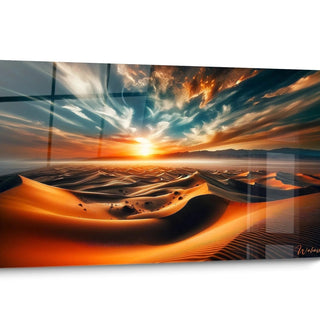 Desert82
artworks
Desert82
artworks
-
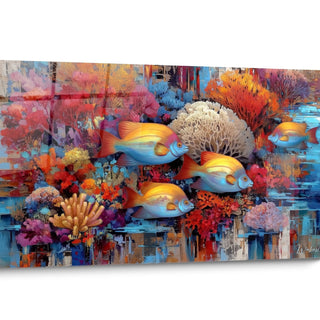 Underwater Depths38
artworks
Underwater Depths38
artworks
-
 Forest148
artworks
Forest148
artworks
-
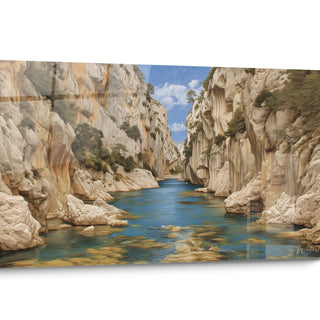 Gorges and Canyons41
artworks
Gorges and Canyons41
artworks
-
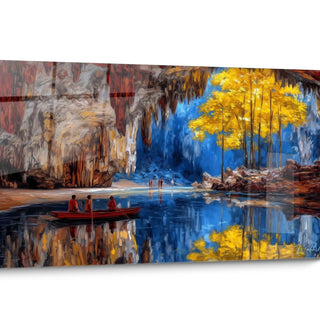 Natural Caves565
artworks
Natural Caves565
artworks
-
 Islands and Archipelagos55
artworks
Islands and Archipelagos55
artworks
-
 Jungle9
artworks
Jungle9
artworks
-
 Lakes77
artworks
Lakes77
artworks
-
 The World of the Sea189
artworks
The World of the Sea189
artworks
-
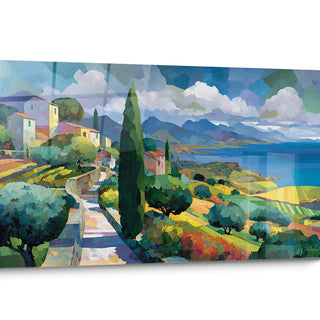 Marine71
artworks
Marine71
artworks
-
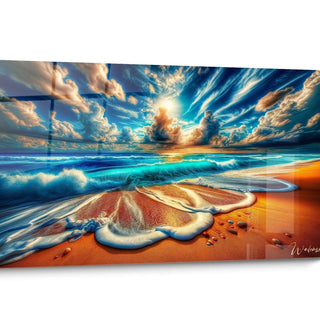 Sea77
artworks
Sea77
artworks
-
 Mountain304
artworks
Mountain304
artworks
-
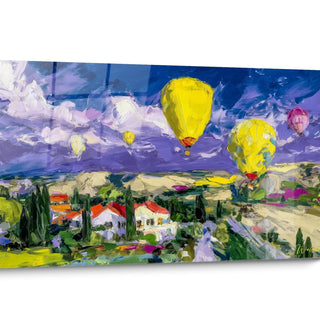 Hot Air Balloon5
artworks
Hot Air Balloon5
artworks
-
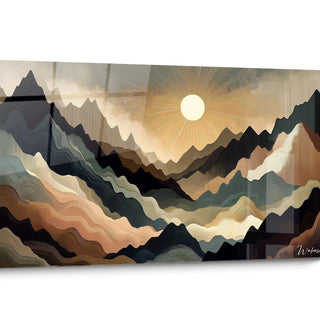 Abstract Landscape25
artworks
Abstract Landscape25
artworks
-
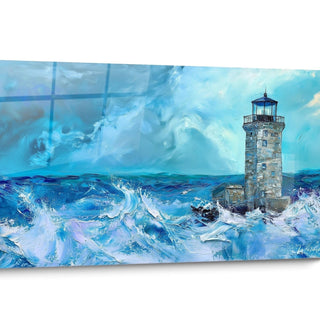 Lighthouses34
artworks
Lighthouses34
artworks
-
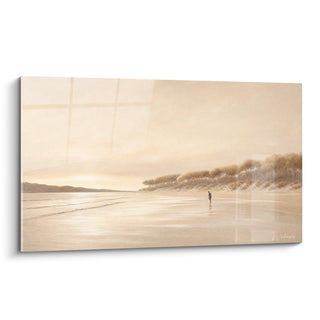 Beach113
artworks
Beach113
artworks
-
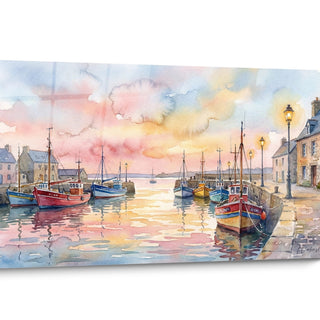 Ports19
artworks
Ports19
artworks
-
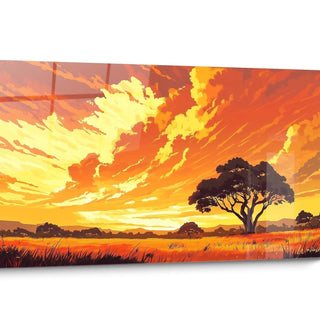 Savanna5
artworks
Savanna5
artworks
-
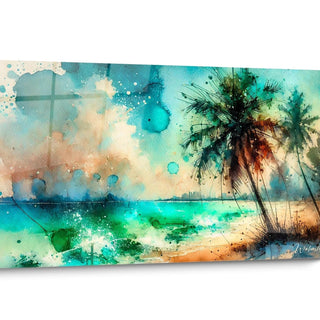 Tropics9
artworks
Tropics9
artworks
-
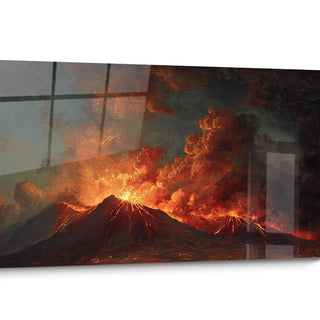 Volcanoes57
artworks
Volcanoes57
artworks
-
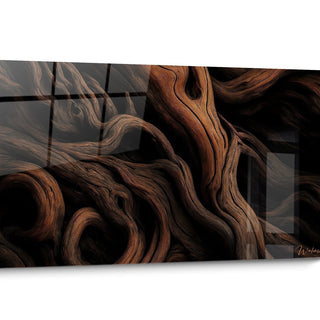 Aerial View17
artworks
Aerial View17
artworks


All about Ocean Paintings
- Ocean Wall Art Presentation
- Ocean Wall Art and Marine Ambiance
- Ocean Wall Art and Coastal Decoration
- Ocean Wall Art and Emotional Impact
Paintings depicting the ocean capture the infinite majesty and tranquil power of vast marine expanses. Perfect for creating a soothing and evocative atmosphere, these landscape paintings transform any space into a haven of peace inspired by nature. Explore our selection to discover how these artworks can metamorphose your interior while bringing depth and serenity to your décor.
How an Ocean Wall Art Transforms Your Space into a Marine Sanctuary
Integrating an ocean wall art into your living space represents far more than a simple decorative choice - it is a genuine sensory immersion into the marine universe. Large-format ocean representations possess this unique capacity to radically transform a room's atmosphere, infusing it with the serenity and depth characteristic of infinite marine expanses.
What sensory effects can an ocean wall art create in your interior?
The shades of deep blues and turquoise found in marine paintings possess scientifically recognized calming properties. Environmental psychology studies demonstrate that daily exposure to aquatic representations significantly reduces cortisol levels, the stress hormone. A large-format ocean wall art creates what experts call a "virtual window" to a soothing natural environment, particularly beneficial in urban spaces lacking views of natural landscapes.
The dynamics of waves represented in these works also help create a visual rhythm that naturally guides the eye and promotes contemplation. This characteristic makes ocean representations a preferred choice for spaces dedicated to meditation, yoga, or simply relaxation.
The Visual Microclimates Created by Marine Paintings
A fascinating phenomenon unique to large-scale ocean representations is their ability to create what interior decorators call "visual microclimates." Depending on ambient lighting and time of day, these artworks appear to change appearance, reflecting the changing nature of the ocean itself.
For example, under morning lighting, a painting depicting the Atlantic Ocean can highlight its silver and pearl-gray tones, evoking the freshness of early daylight. The same painting, in the evening under warmer lighting, will reveal more of its amber and golden hues, reminiscent of a sunset over the waters.
This perpetual metamorphosis constitutes an exclusive characteristic of ocean representations and explains their growing popularity in contemporary interiors that favor the harmonious evolution of spaces throughout the day.
Enhanced Acoustics Through Marine Representations
A little-known but scientifically proven aspect of large-format works depicting the ocean concerns their influence on our auditory perception of space. Neuroscientists specializing in cross-sensory perception have demonstrated that contemplating large-scale marine images can influence our interpretation of surrounding sounds.
This phenomenon, called "cognitive resonance," explains why rooms decorated with paintings representing waves and the blue immensity are often perceived as acoustically calmer, even without actual modification of their sound environment. Our brain, influenced by maritime visual stimuli, interprets ambient sounds through this oceanic lens, diminishing our perception of parasitic noise.
In professional spaces such as waiting rooms or open-plan offices, installing large-format ocean representations thus contributes to creating a subjective sensation of acoustic calm particularly valuable.
Maritime Perspective and the Perceived Enlargement of Spaces
Interior architects frequently use ocean representations for their unique perspective-related properties. Unlike other landscapes, the perfectly straight marine horizon creates a visual reference line that structures the space and virtually pushes back the walls.
In urban apartments with reduced dimensions, a large painting illustrating the vastness of the ocean can increase spatial perception by up to 15% according to environmental design studies. This optical illusion is explained by the infinite depth suggested by the marine horizon, which deceives our brain into perceiving a larger space.
To maximize this enlargement effect, specialists recommend positioning these artworks facing the main entrance to living spaces, thus creating an immediate visual opening that transforms space perception from first glance.
The Influence of Ocean Paintings on Circadian Cycles
Research in chronobiology has highlighted a fascinating connection between daily exposure to marine representations and the regulation of our biological rhythms. Large formats illustrating different times of day on the ocean (dawn, zenith, dusk) can serve as subliminal temporal reference points that harmoniously accompany our cycles of activity and rest.
Paintings depicting the ocean at sunrise, placed in morning spaces such as the kitchen or bathroom, naturally promote awakening and stimulation. Conversely, representations of twilight oceans in bedrooms or living rooms support the transition toward relaxation phases and sleep preparation.
This subtle synchronization between our visual environment and biological rhythms explains why so many wellness and health professionals recommend integrating ocean paintings into contemporary living spaces.
Ocean Wall Art: The Art of Harmonizing Your Décor with Marine Immensity
Large-format ocean representations constitute far more than a simple decorative element - they create genuine dialogue between your interior space and marine vastness. These artworks bring a particular dimension to your décor by introducing the fluidity, depth, and serenity characteristic of unlimited aquatic expanses.
Chromatic Synchronization with Marine Elements
One of the exclusive characteristics of paintings depicting the ocean lies in their incredibly versatile color palette. Contrary to popular belief, the ocean is not limited to simple blue nuances. Contemporary marine representations capture a multitude of hues ranging from deep emerald greens to twilight violets, passing through Caribbean turquoises and Atlantic indigos.
This chromatic richness allows harmonious integration into virtually all existing color schemes. In particular, professional decorators often use the "color picking" technique which consists of extracting secondary tones present in the ocean wall art to repeat them subtly in surrounding accessories such as cushions, rugs, or lighting fixtures.
For example, a painting representing a tropical sea may reveal coral touches that can be found in some textile elements of the room, creating sophisticated and natural visual coherence.
Why Do Ocean Paintings Create an Additional Dimension in Contemporary Interiors?
Research in spatial design has demonstrated that marine horizon representations generate what experts call a "third space" - a visual dimension that transcends the physical limits of the room. This characteristic, unique to large-format works depicting the ocean, is explained by the perfectly straight horizon line and infinite perspective offered by marine expanses.
In contemporary apartments with rigid geometric volumes, this visual opening brings essential breathing room and counterbalances the orthogonality of modern construction. Interior architects strategically use these artworks to create visual escape points that structure the space while bringing it a contemplative dimension.
In rooms without windows or overlooking a dense urban environment, a painting representing ocean immensity creates this visual escape that has become almost necessary for our psychological well-being in contemporary urban environments.
Micro-movements and Visual Dynamics of Ocean Representations
A fascinating property exclusive to paintings depicting the ocean concerns what neuro-aesthetic experts call "perceived micro-movements." Our brain, accustomed to associating the ocean with perpetual motion, tends to unconsciously "animate" static marine representations, creating a subtle but real impression of movement.
This phenomenon explains why rooms decorated with large-format ocean paintings are often described as more "alive" and "breathing" than those decorated with other landscape types. Eye-tracking studies have demonstrated that our gaze traverses ocean representations following patterns that imitate the natural movement of waves, creating a dynamic visual experience even facing a fixed image.
To maximize this kinetic effect, specialists recommend favoring works capturing the ocean in motion - crashing waves, foaming backwash, or visible surface currents - rather than perfectly calm seas.
The Light Stratification of Marine Paintings
Quality ocean representations possess a unique characteristic that experts call "light stratification" - the ability to capture the different layers of light that interact with water. This complex visual phenomenon, particularly visible in large formats, reproduces how natural light penetrates, reflects, and refracts in the marine environment.
In an interior, this specific luminous quality creates a focal point that seems to emit its own luminosity. Lighting designers often recommend showcasing this property by installing indirect or adjustable lighting that accentuates this impression of light emanating from the painting itself.
This characteristic makes ocean representations a particularly judicious choice for spaces lacking natural light, such as interior corridors or north-facing rooms. The intrinsic luminosity captured in these artworks provides valuable visual compensation for these environments.
Seasonal Evolution of Ocean Paintings
Unlike other natural representations that may seem out of place depending on the season (a snowy landscape in summer, for example), paintings depicting the ocean possess this remarkable capacity for seasonal adaptation. They evolve harmoniously with changes in natural light throughout the seasons.
In winter, when light is colder and rarer, the silver and deep tones of marine representations take precedence, creating a cocooning and enveloping atmosphere. During summer months, it is the clearer and more luminous shades that seem to intensify, naturally accompanying the lighter general ambiance of the warm season.
This versatility explains why large-format ocean paintings are often described as "four-season decorative investments" by interior design professionals, offering an evolving yet always harmonious presence throughout the year.
The Emotional Impact of Ocean Wall Art in Your Personal Space
Large-format ocean representations exercise a singular influence on our psychological and emotional state. Beyond their aesthetic dimension, these artworks establish a profound connection with our collective and individual unconscious, subtly transforming our relationship to inhabited space.
The Psychological Resonance of Unlimited Marine Horizons
Neuroscientists have identified a fascinating phenomenon associated specifically with ocean representations: the activation of what they call "the horizon response." When our gaze lands on a painting depicting marine immensity, our brain triggers the same neural networks activated when facing an actual ocean horizon.
This unique neurological reaction is accompanied by measurable endorphin release and decreased activity in brain areas associated with anxiety and stress. Environmental psychologists describe this phenomenon as "cognitive micro-escape" - an experience of momentary detachment from immediate spatial and psychological constraints.
Large formats considerably amplify this effect, creating what specialists call "partial visual immersion" that promotes mental disconnection without requiring physical displacement - a valuable asset in our hectic urban environments.
Therapy Through Virtual Ocean Exposure
A particularly innovative application of large-format ocean paintings concerns their use in "virtual ocean exposure therapy" protocols. Initially developed for people without access to natural marine environments, this therapeutic approach uses artistic ocean representations as visual substitutes to trigger psychological benefits associated with marine environments.
Clinical studies demonstrate that daily exposure to large-format paintings depicting the ocean significantly improves psychological well-being markers: better sleep quality, decreased mental rumination, and increased periods of deep concentration.
In stressful professional environments, the strategic integration of these artworks in break or meeting spaces creates "cognitive sanctuaries" that facilitate mental recovery and emotional regulation between intense work periods.
Why Does Ocean Imagery Influence Our Perception of Time?
One of the most subtle yet profound effects of ocean paintings concerns their influence on our temporal perception. Cognitive psychology research reveals that exposure to marine horizon representations modifies our subjective experience of time, inducing what specialists call "contemplative temporal elasticity."
Concretely, environments decorated with large-format ocean paintings are consistently perceived as spaces where time seems to flow more slowly and harmoniously. This alteration of temporal perception is explained by the activation of brain networks associated with contemplation and mindfulness.
In our contemporary interiors often governed by urgency and haste, this unique property of ocean representations offers valuable counterpoint, creating zones of alternative temporal experience where deep relaxation becomes possible.
The Dialogue Between Personal Memory and Collective Imagination
A particularly powerful characteristic of ocean paintings lies in their ability to establish a bridge between our individual memories related to the sea and the ocean imagery anchored in our shared unconscious.
Environmental psychoanalysts speak of "spatial transitional object" to describe how these works function simultaneously as triggers of personal memories (seaside vacations, family moments on the beach) and portals to a broader collective imagination (the ocean as symbol of infinity, mystery, origin).
This double resonance, both intimate and universal, explains why ocean representations elicit particularly profound and complex emotional reactions compared to other landscape types, creating in the inhabited space a unique identity and meditative anchor point.
The Silent Narration of Marine Paintings
Unlike other artistic representations, ocean paintings possess what art critics call "open narration" - they suggest a story without imposing it, inviting the observer to complete the visual narrative with their own projections and interpretations.
This specific narrative quality transforms these artworks into ideal projection supports that evolve with our state of mind and life journey. The same ocean painting may evoke serenity and contemplation during certain periods, then embody movement and change at other moments of our existence.
In shared spaces such as living rooms or dining rooms, this characteristic makes ocean representations catalysts for conversation and exchange, with each observer able to share their own reading of the work, thus revealing unexpected aspects of their sensitivity.
FAQ on Ocean Wall Art
How do I choose the ideal size for an ocean wall art in my living room?
For optimal impact, your ocean wall art should occupy at least one-third of the wall's length where it will be displayed. Marine representations lose their immersive power when too small. In a standard living room, favor a format of at least 100-120 cm in width to fully benefit from the horizon effect and depth characteristic of ocean scenes.
Can an ocean wall art work in a room without natural light?
Paintings depicting the ocean are particularly effective in spaces lacking natural light. Their ability to capture and reflect light, combined with the sense of space they create, compensates for the absence of windows. To maximize this effect, choose a marine representation featuring light reflections on water and install directional lighting that will highlight these luminous areas.
How do I maintain an ocean wall art to preserve its brilliance over time?
To maintain the vibrancy of your ocean wall art's colors, avoid direct exposure to UV rays that accelerate the degradation of blue and turquoise pigments, particularly present in these works. Regular dusting with a soft feather duster is recommended. In humid environments such as bathrooms, favor paintings with protective finish to prevent alteration from ambient humidity.
Further reading


